



‘Wearable trackers’, ‘health trackers’, ‘modern wearables’ and ‘fitness trackers’ are part of a growing product category, but what are they, how do you benefit from them, and do you actually need one?
According to the Cambridge Dictionary, ‘wearable technology’ refers to “things that can be worn, such as clothing or glasses, that contain computer technology or can connect to the internet”.
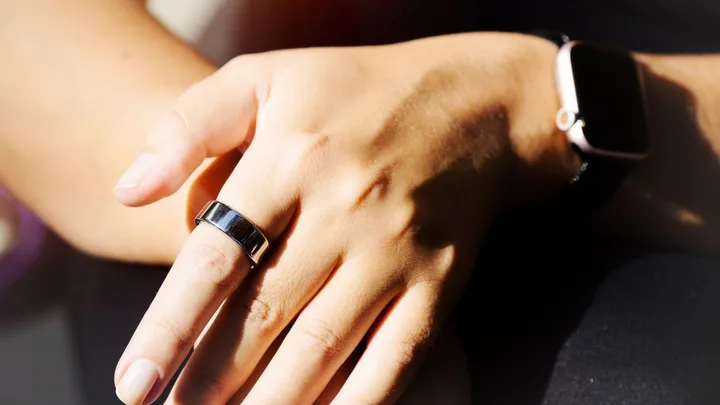
In reality, wearable tech extends far beyond that definition. Modern devices include everything from smartwatches and fitness trackers to smart rings, a nod to the growing convergence between fashion, technology and wellbeing.
Most wearables connect to a smartphone app to monitor a variety of health metrics. Today, these insights go well beyond counting steps or calories. A 2025 resource on Wearable Fitness Technology by Sport New Zealand explains that these devices feature “Advanced sensors enable realtime tracking of movement, heart rate, heart rate variability (HRV), fatigue and impact forces. Both heart rate and HRV are increasingly recognised as important indicators of overall health and recovery, providing insights into an individual’s readiness to train and resilience to stress.”
So, is having access to this data liberating, or is it simply another thing to obsess over?
As someone who is curious about using data to better my health, I’ve worn smartwatches, fitness bands and smart rings. I’m most interested in the insights when I’m sick or stressed and trying to figure out a recovery plan. But consistent tracking has also encouraged healthier habits, like cutting back on my caffeine intake after 2pm to improve sleep.
My favourite feature? The ability on some apps to chat with an AI assistant that helps interpret the data in real time. If I’m recovering from a cold, it can help me decide whether to push ahead with an infrared sauna session or gym class or focus on resting at home.
Of course, more data doesn’t guarantee better wellbeing. Some wearable tech entrepreneurs argue we’ve become so focused on performance metrics that we’ve forgotten about emotional health.
“People are overwhelmed with data, but still feel stressed and disconnected,” says Ashlee Rose, co-founder of wearable jewellery company Take.In. “We want to make breath awareness as fundamental to wellbeing as movement”.
Take.In co-founder Kristy Taylor adds, “We’re not trying to optimise people — we’re trying to help them regulate”.
Rose and Taylor’s perspective indicates how much the wearables market has evolved, no longer catering exclusively to the step-obsessed or athletically inclined. Today’s devices include products like the Muse brain-sensing headband, which promises to improve focus through “real-time neurofeedback training”. Many devices even offer menstrual cycle and menopause tracking. But as these devices become more sophisticated, they also raise important questions around the privacy of personal health data.
Of course, plenty of people would argue you don’t need an expensive gadget to improve your wellbeing. Go for a walk, get some fresh air, spend less time on your phone and prioritise good sleep instead. They’re not wrong. Wearable technology certainly isn’t for everyone, and it’s important to note that most devices are classified as general wellness tools and are not intended to diagnose or treat medical conditions. But if you’re intrigued about your body and motivated by data, wearable tech can offer valuable insights into your habits and lifestyle.
2026’s best wearable tech
With so many wearable devices promising to support everything from sleep and recovery to fitness and stress management, which one is actually worth buying in 2026? To help you find the right fit, we’ve rounded up the best wearable technology available right now, along with everything you need to know before you buy.

Ring 5
$799 at Oura
Best smart ring for wellness insights
Pros
- Industry-leading sleep and recovery tracking
- Comfortable for 24/7 and overnight wear
- Jewellery-style design
- Ability to charge in bursts to maximise wear time
- AI-powered chatbot that offers personalised guidance and helps you decipher your metrics into easy-to-understand insights
Cons
- Paid subscription required for full features

Ring AIR
$598.58 at Ultrahuman
Best subscription-free smart ring
Pros
- No ongoing subscription
- Comfortable for 24/7 and overnight wear
- Lightweight titanium design
- Detailed health metrics, including sleep, activity and recovery tracking
- Jewellery-style design
- AI-powered chatbot that offers personalised guidance and helps you decipher your metrics into easy-to-understand insights
Cons
- Less beginner-friendly if you’re not interested in details
- Slightly more bulkier look than the Oura ring

Fitbit Charge 6
$289.95 at Google Store
Best affordable, all-rounder fitness tracker
Pros
- Affordable compared with smartwatches
- Excellent sleep tracking
- Easy-to-use app
- Lightweight and comfortable
- Great for everyday activity tracking
Cons
- Smaller screen than a smartwatch

Galaxy Watch9
From $679.01 at Samsung
Best fitness smartwatch for everyday wellness
Pros
- Comprehensive sleep and wellness tracking
- AI-powered health insights and personalised recommendations
- Lightweight, comfortable design
- Stylish range of interchangeable bands
- Bright 3,000-nit display
- Available in two sizes (40 and 44 mm)
- Optional 60-day free Strava trial
Cons
- Less suited to extreme sports
- Some advanced health features may be overwhelming for beginners

Watch X2 Mini
$499 at OPPO
Best smart watch for style-conscious individuals
Pros
- Jewellery-inspired design
- Track fitness with more than 100 workout modes
- Monitor sleep quality
- Manage stress with breathwork prompts
- Dust- and water-resistant
- Up to seven days of battery life in power-saving mode
- Bluetooth calling and other smart features
Cons
- Smaller display may take getting used to
- Leather strap may require extra care

Galaxy Ring
$699 at Samsung
Best smart ring for Samsung Galaxy ecosystem users
Pros
- No subscription fee
- Seamless Samsung Health integration
- Premium titanium design
- Comfortable, screen-free tracking
- Strong battery life
Cons
- Best experience limited to Samsung devices

Venu 4
$1,099 at Garmin
Best smartwatch and fitness tracker in one
Pros
- Built-in GPS
- Strong workout tracking
- Excellent battery life
- Advanced fitness metrics
- Great recovery and sleep insights
Cons
- Bulkier than a smart ring
- More expensive than basic trackers

WHOOP
from $359 at WHOOP
Best recovery tracking fitness band
Pros
- Excellent recovery insights
- Detailed sleep tracking
- No distracting screen
- Strong coaching-style recommendations
- Designed for continuous wear
Cons
- Subscription required
- No traditional smartwatch features

Galaxy Watch Ultra2
From $779 at Samsung
Best fitness smartwatch for outdoor adventures
Pros
- Advanced running and outdoor sports metrics for endurance athletes and outdoor enthusiasts
- Trail running, hydration and recovery insights
- Dual frequency GPS
- Diving support
- Massive 800mAh battery
- Ultra-bright 5,000-nit display
- Premium titanium construction, and water and dust resistance
- Optional 60-day free Strava trial
Cons
- Larger size may feel bulky on smaller wrists
- Premium pricing

Breath Intelligence Necklace (coming soon)
From $649 at Take.In
Available for pre-order, with deliveries expected in November 2026, Kiwi founders Ashlee Rose and Kristy Taylor explain that the idea behind their biofeedback necklace came from a gap in the current wearable market, which they believe focuses heavily on performance tracking rather than emotional wellbeing.
Take.In is built around the growing understanding that breathing is closely linked to emotional regulation and brain function.
The necklace is designed to help users become more aware of patterns throughout the day, with guided breathwork experiences and behavioural insights intended to support longer-term nervous system regulation.
Co-founder Kristy Taylor says the goal is not to add more complexity to people’s lives, but to simplify how they understand stress.
“We’re not trying to optimise people — we’re trying to help them regulate,” she says. “This is jewellery designed with intention. Something that supports how you feel, not just what you do.”
Read next:
- These walking pads will transform your 9-5 desk job for the better
- Why women are raving about menopause supplement Hormone Helper
- My honest review of the viral Collagen Co. Glow Shakes
Related stories

Busy mums love this viral collagen shake. Here’s what you need to know.
Native ad body.
Native ad body.



Native ad body.