




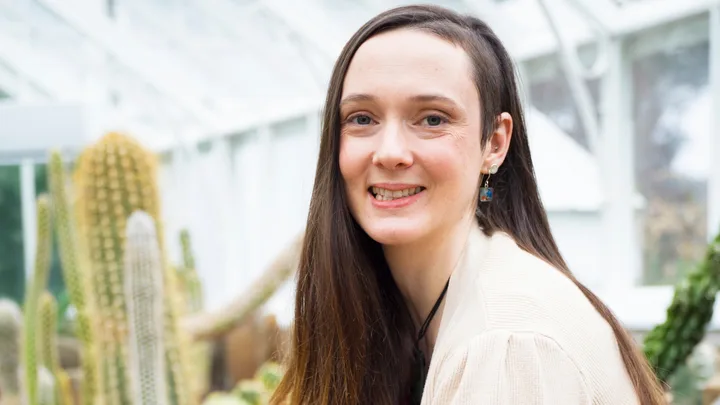
Dr Meg Vardy never wanted to be skinny. Her 15-year battle with anorexia did not begin as a fantasy to whittle her body down to match those she saw on popular TV shows or ensure her stomach was flatter than her friends.
First diagnosed at university, the then-20-year-old turned to restricting food as a way of control and to numb big emotions and depression.
“When I started losing weight and going to the gym all the time, that was commended,” recalls Meg, 35.
“I got positive feedback like, ‘Wow! You look fantastic, I wish I had your self-control.’ So why would I not keep going?”
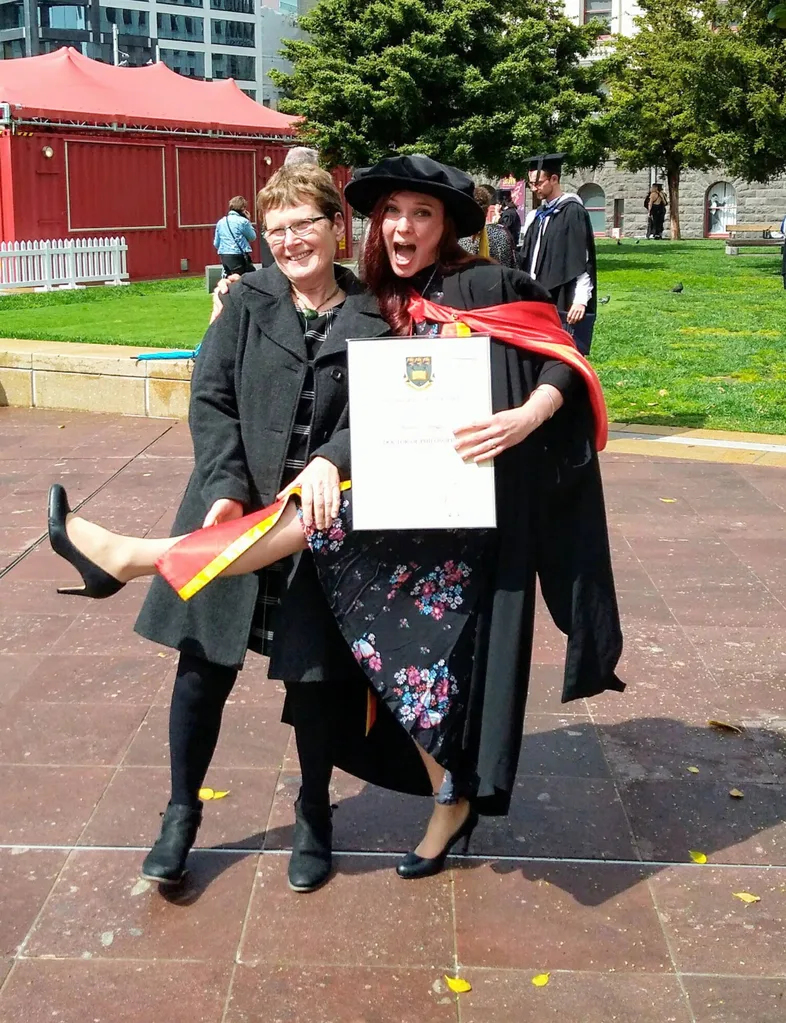
The young student had to step away from university and go into intensive treatment. She returned to get her PhD and lived in what she calls a “pseudo-recovery”.
Meg built an impressive academic career, moving to the UK to work at London’s Imperial College, where she researched psychedelics for the treatment of anorexia.
The turning point
Professionally, she was thriving. Privately, she was struggling.
“I was surrounded by clinicians talking about anorexia, but I didn’t overtly speak about my lived experience,” she admits.
“I didn’t want my colleagues to think less of me or think I was vulnerable.”
Then, during the isolation of Covid lockdowns, everything unravelled. Working from home, Meg’s eating disorder became easy to hide. When her husband Tom would try to raise the subject with her, she would snap back, adamant that she was fine.
When enough was enough
Eventually, it was Meg’s PhD student who said, “Enough is enough – Meg is going to die. We cannot let this continue.”
Meg explains, “My GP told me I needed to go to hospital. I didn’t fight back because I was absolutely exhausted and could see what my anorexia was doing to the people around me.”

Meg spent seven months under the care of the National Health Service. It was the most painful experience of her life, but also the turning point that finally led her to true recovery.
“I knew the stats – that once you’re unwell for over a decade, like I was, those recovery rates are pretty low. Anorexia is not a choice. But recovery is an active process. I realised I had to engage in that active process and try something different or I would die.”
A new chapter
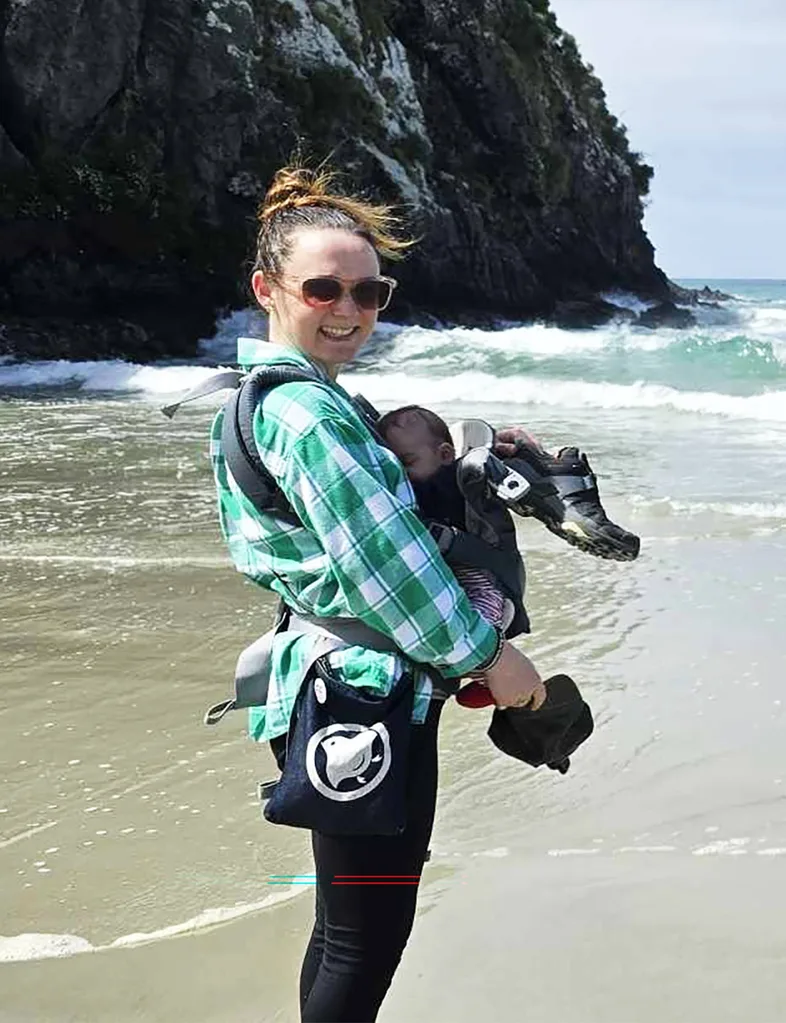
Meg returned to New Zealand in 2023 and trained as a peer supporter for Life Matters Suicide Prevention Trust.
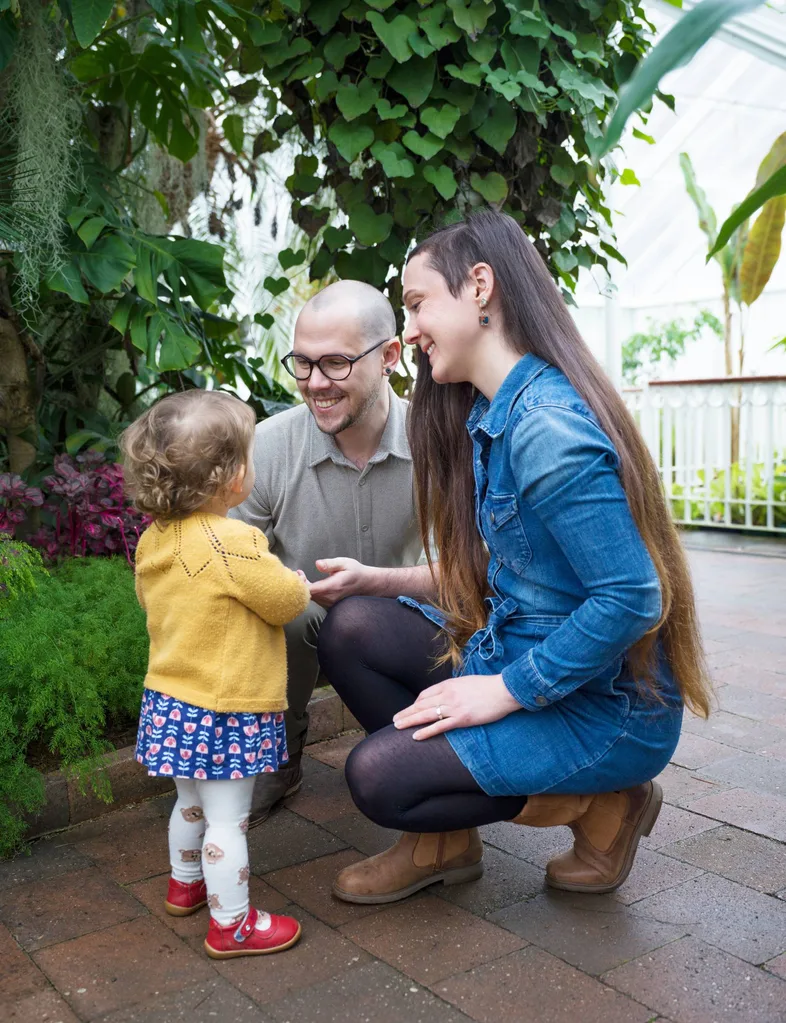
Today, living in Dunedin with Tom, 36, their 20-month-old daughter (whose name they will keep private) and her mother Phil Spriggs, Meg is experiencing a freedom she once thought impossible. Motherhood was also something she never imagined could happen.
“I didn’t have a period for 15 years. I didn’t think I was ever going to be able to have a family and now I have a daughter and she’s the centre of our world,” smiles Meg.
Now, the mother of one’s mission is to use her experience to help others find recovery.
Creating a space for hope
This month, she is launching JourneyED Eating Disorder Support – New Zealand’s only registered charity supporting people with eating disorders.
Anybody over 18 can sign up to its free online peer support group. The charity will also deliver training to the peers who have just been put into the eating disorder services across the country as part of a nationwide government initiative.
Meg shares, “When I look back on my journey, one of the things that was missing was someone who’d been through an eating disorder to sit alongside me and be able to say, ‘I know where you are and there is hope.’ “We have the Eating Disorders Association of New Zealand (EDANZ), which is an incredible organisation supporting whānau and carers, but there wasn’t anything for affected individuals. “So JourneyED wants to create a space where people know that they are loved, seen, heard and valued. Peer support sees the human, not the illness.”
While Meg once believed anorexia would be with her forever, she now also sees her little girl as the best reason to keep herself safe.
Who is most at risk
In New Zealand, around 62,000 people experience bulimia and 30,000 experience anorexia, while binge-eating disorder is also highly prevalent, affecting roughly 1.9 percent of adults.
Meg wants to shift the stereotype that eating disorders affect “mostly young white girls” who want to be thin.
She explains, “Eating disorders are increasing in men [approximately one-third of eating disorder cases are male] and also in older women – often those who are struggling with hormone and body changes during perimenopause and menopause.8 “Our trans community is also five times more likely to develop an eating disorder. All those people often feel they don’t deserve support because they don’t fit the traditional mould.”
Meg worries that the rise of weight-loss medications, such as Ozempic and Wegovy, is negatively changing our relationship with food again.
“We’re in a world that’s bombarded with diet culture all the time,” says Meg.
“My concern is not just for younger people who are being exposed to this on social media, but also for women as we age and the impact this is having on accepting that ageing involves changes in our body.”
To support the work of JourneyED Eating Disorder Support Aotearoa or join a free peer support group, visit journeyed.org.nz