 Amalia Osborne
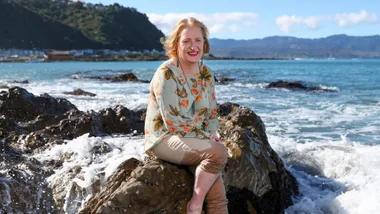
Halfway through a 500-metre set at her 6am swim squad, Vicki Connor’s left arm stopped working. The former elite athlete told herself to push on. But then she
swam into the lane rope and couldn’t get off it.
Vicki, 43, recalls, “My competitive rowing mindset went, ‘Just keep going.’ Then my next thought was, ‘I think I’m having a stroke.’”
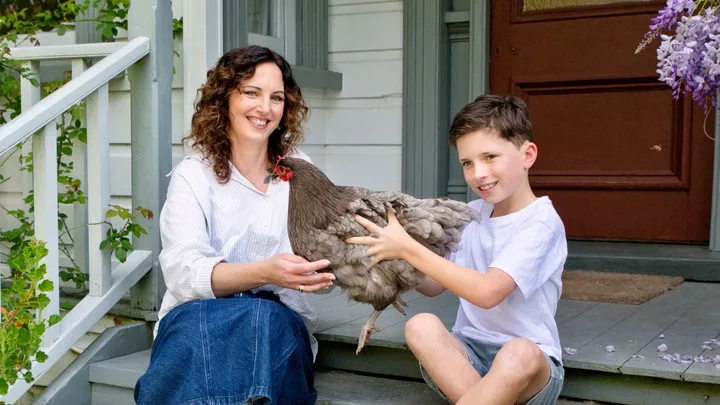
Then just 42, the Aucklander believes the only thing that saved her was a fridge magnet.
It’s been in the same spot for as long as she can remember – front and centre on the fridge in the house that once belonged to her parents. It spells out FAST, the acronym for spotting the signs of a stroke, which stands for face drooping, arm weakness, speech difficulty and take action by calling 111.
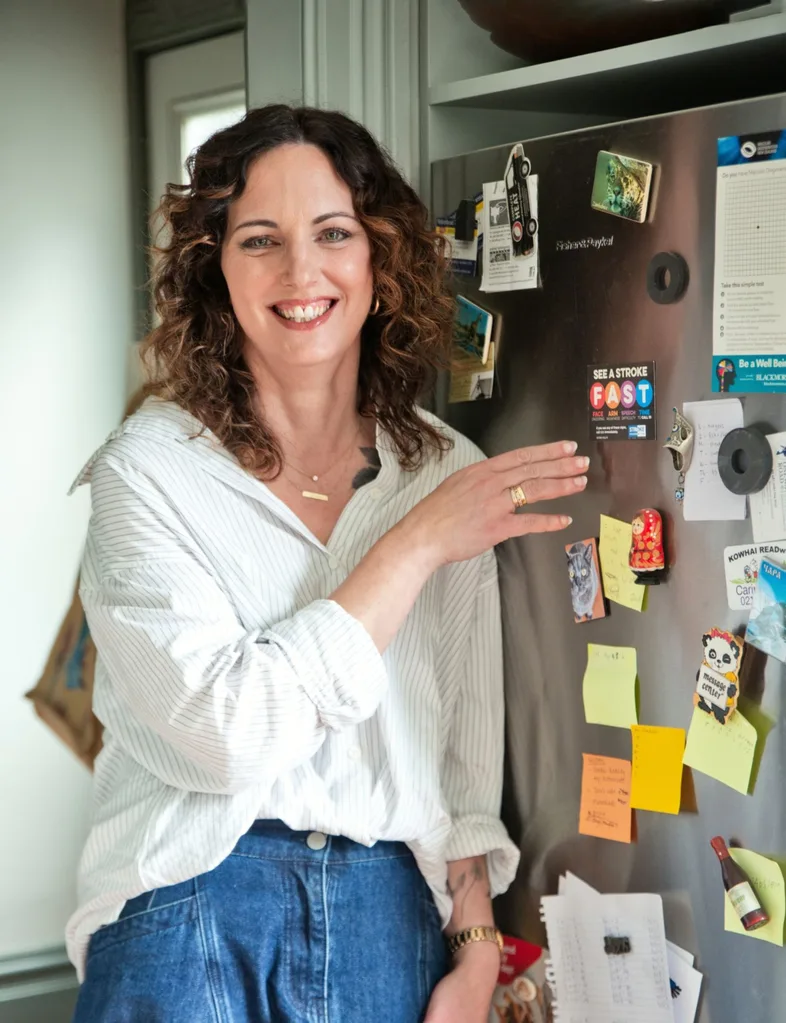
Vicki suspects her parents, Peter and Barbara, donated money to the Stroke Foundation and were sent the magnet as a thank you.
“I obviously read it enough times to take in what to look out for,” she reflects.
By the time she’d got to the shallow end of the pool, Vicki was struggling to stand. Dragging herself out of the water, she fell over while gathering her things, before checking her face in the bathroom mirror.
“There was definitely a facial droop. I was like, ‘OK, I’m definitely having a stroke.’”
Hauling herself upstairs to reception, she called an ambulance and when paramedics on the phone asked her to hold both arms out in front, she toppled backwards.
Vicki had suffered a haemorrhagic stroke – a bleed deep in the thalamus, which relays the brain’s sensory information. Doctors believe a clotting condition and the long-term blood thinners she takes for it may have played a part.
“It felt like my parents saved my life, even though they’re no longer here,” she recalls.
Earlier that year, Peter had died unexpectedly in February and Barbara passed away five months later.
“I would’ve known something wasn’t right, but without seeing that fridge magnet for most of my life, I don’t know if I’d have acted as quickly as I needed to.”
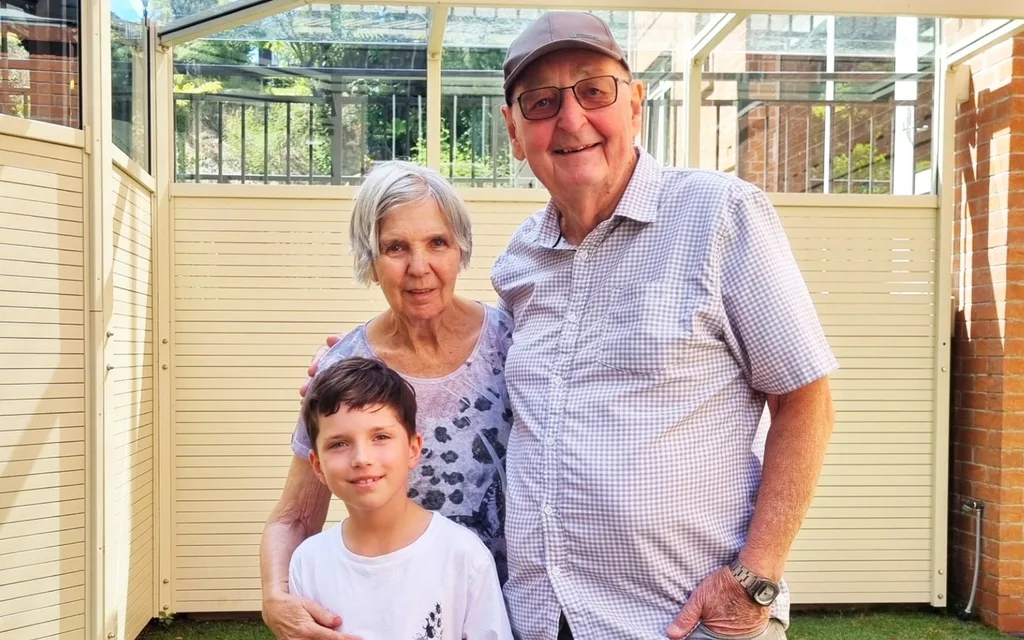
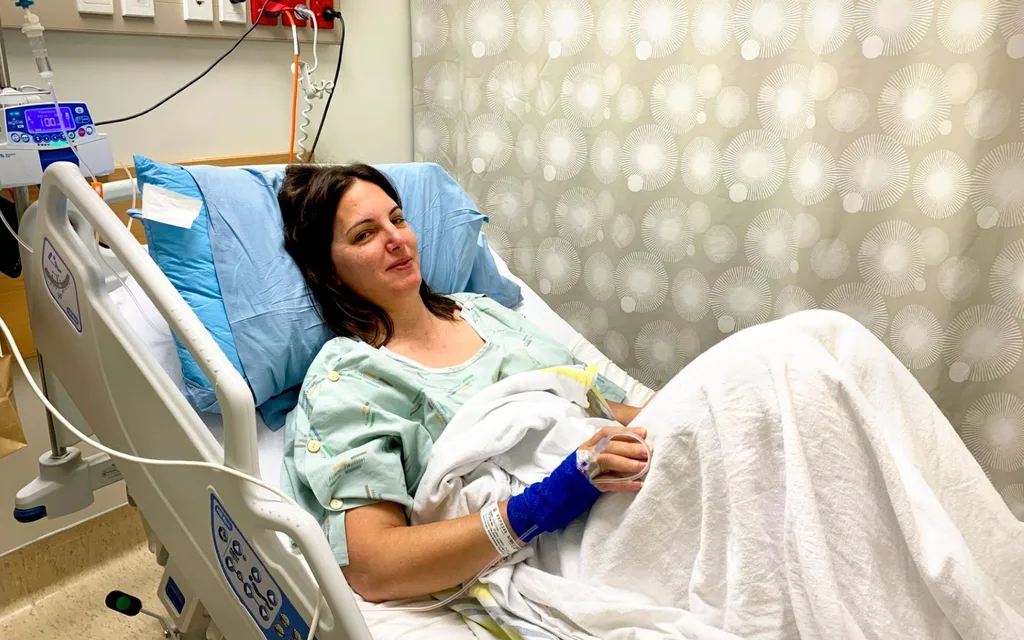
Following the stroke, Vicki spent a month in hospital, determined to be home for Christmas with her son Zain, nine. She had to relearn how to walk, butter toast and make a cup of tea.
When her therapy putty proved too tough, Zain bought Vicky a squishy sensory cat to squeeze instead. Then one morning, she woke up and simply opened her hand.
She recalls, “Being able to lift my arm and wave to a nurse across the hallway was like, ‘Oh, my God!’”
But for communications specialist and speaker Vicki, the hardest part of recovery came after she returned home.
Funded rehab stopped six weeks later. Because a stroke is a medical event rather than an accident, ACC doesn’t cover it. As a contractor, she had no employer to return to and, as a solo mum to Zain, who’s autistic, no partner to lean on.
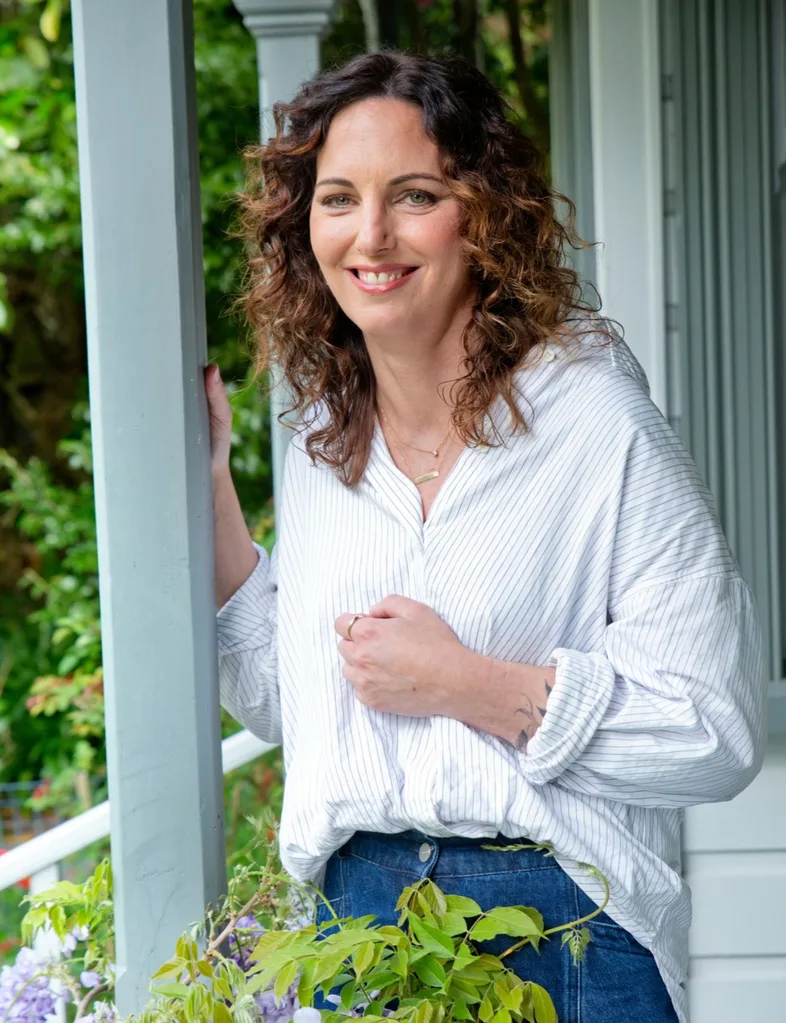
She went back to work after three months – lasting just six weeks before her recovery went backwards.
“Post-stroke fatigue is debilitating. It’s not, ‘I’m tired and I’ll feel better after a sleep.’ It’s literally, ‘I can’t move!’”
Her short- to medium-term memory remains patchy and she sometimes has to sleep through an entire weekend just to survive the five days ahead.
With no income, Vicki’s had to rely on the Supported Living Payment to keep a roof over her and Zain’s heads.
“I don’t want to be in this situation,” she says. “I don’t want to feel like I could be on track to losing my house.”
Finding work again has been tough. Job interviewers often ask for examples of past projects and her memory loss makes those tough to recall.
With unemployment at record levels, she hasn’t dared tell potential bosses about her devastating stroke.
Vicki explains, “If there’s another candidate who isn’t going to need any difference in the way they work, my fear is they’ll take them instead.”
A friend who’s a rehab specialist helps her out, while other kind souls assist with cooking meals, cleaning and providing childcare.
Moving back into her childhood home has been a game-changer for Vicki. Though she still has a mortgage to pay on it, Zain, who had withdrawn from the world amid his grief, has started playing outside again.
Now Vicki is working on another keynote called “Survival After Surviving” and will speak on a Stroke Aotearoa panel for World Stroke Day on 29 October. She tells, “It’s not just surviving the stroke itself, then you go home and you’re hunky-dory. It’s a real toll on the person and the family.”
For more info, see stroke.org.nz. To support Vicki, visit her givealittle page.

Related stories
Native ad body.
Native ad body.

Native ad body.