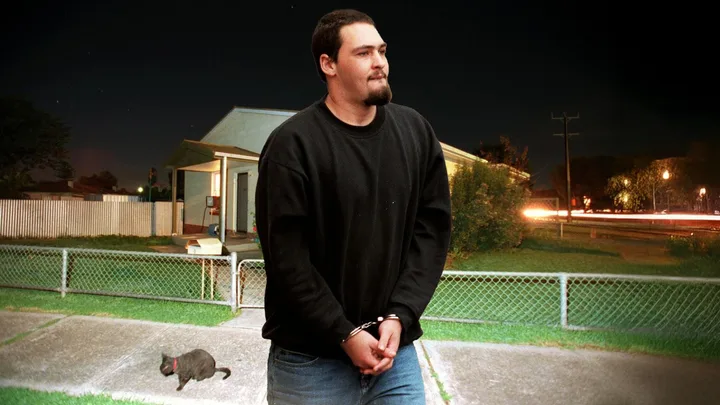
The youngest of Australia’s infamous Snowtown murderers, James Vlassakis, has made history as the nation’s first serial killer to be released on parole, prompting relatives of the victims to call the decision “horrifying”
“I broke down and cried,” says the sister of Ray Davies, one of the 11 people killed in the brutal spate of murders carried out by Vlassakis, John Bunting and Robert Wagner between 1992 and 1999.
Karen Davies tells Woman’s Day her “fears came true” when she learned Vlassakis was to walk free.
“My legs were shaking and I thought I was going to pass out,” she says.
Vlassakis was 18 years old when he became involved in the Snowtown killings, also known as the “Bodies in the Barrels Murders”, in and around Adelaide.
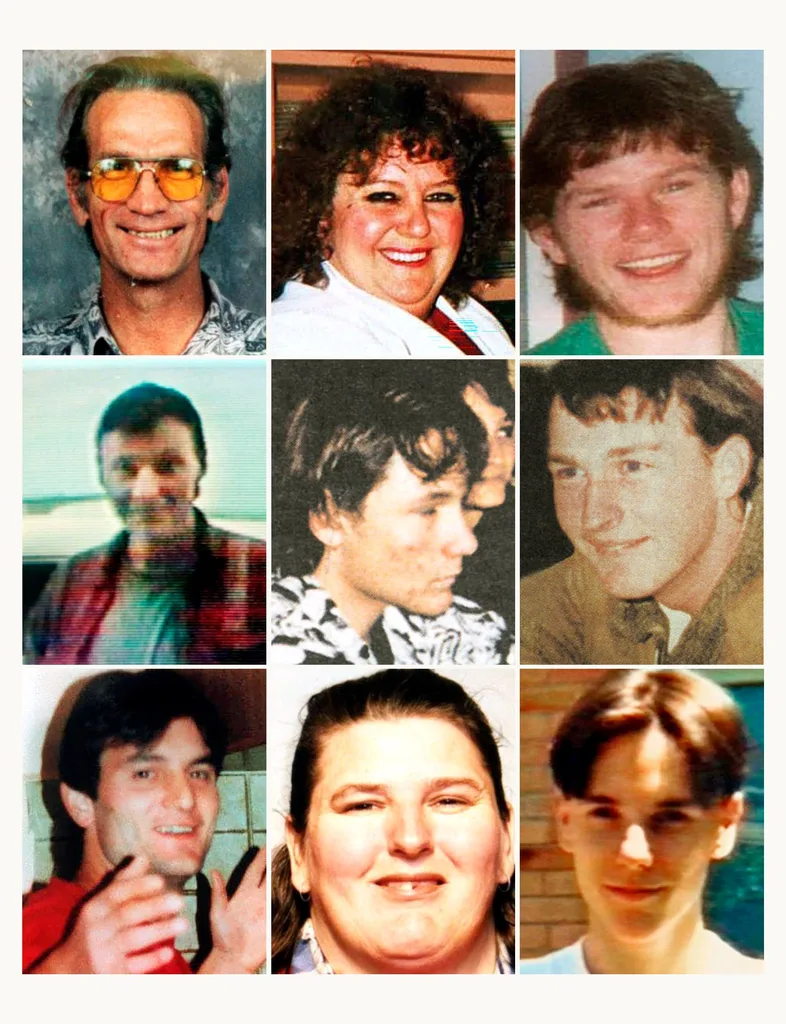
Several of the victims were gay or transgender, struggled with their mental health or were mentally or physically disabled. Some of the killings were preceded by torture.
Vlassakis, now 46, pleaded guilty to murdering four of the 11 victims in 2001 and was handed a life sentence with a 26-year nonparole period the following year.
His victims included his half-brother Troy Youde and stepbrother David Johnson.
“This isn’t the outcome we were hoping for”
Vlassakis also became a key prosecution witness, who helped secure 11 consecutive life sentences with no parole for Bunting and 10 life sentences without parole for Wagner.
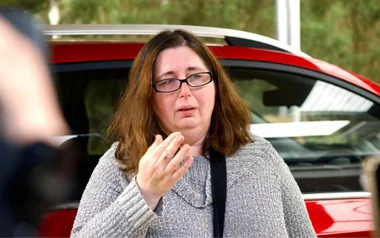
“I know he gave the police a lot of information, but he still murdered four people” says Karen. “This isn’t the outcome we were hoping for.”
Karen’s fear is that she will cross paths with the killer as he now lives just 20 minutes away from her home in South Australia.
“I won’t be able to say anything,” she tells, imagining the awful moment. “I’ll probably have a panic attack and want to get out of there.”

Since he was released on 23 September, Vlassakis has been living at a pre-release centre in Adelaide’s northern suburbs, where the parole board will monitor him for up to 12 months.
Ray’s story
It’s thought Karen’s older brother Ray was killed in December 1995, while he was living in a caravan on the property of Bunting’s ex-girlfriend and eventual victim Suzanne Allen.
The final time she saw her brother, just before his murder, is a memory Karen will never forget.
“Suzanne had come to pick him up and take him to her house,” she recalls tearfully. “He said, ‘I’ll see you in two weeks,’ and that he loved me. But that was the last time I ever spoke to him.”
Ray’s remains were finally uncovered by police investigators four years later.
He was buried in the backyard of Bunting’s former home in northern Adelaide.
Three days before, police had made the gruesome discovery of finding body parts hidden in barrels at the Snowtown bank vault in May 1999.
Karen still vividly recalls the early days of the investigation.
“The whole time, I remember hoping Ray wouldn’t be one of the victims and that maybe I’d hear from him.”
But after her parents provided a DNA sample, investigators confirmed the remains found were Ray’s.
“My worst fear came true,” Karen says. “It was heartbreaking and I had to break the news to my parents.”
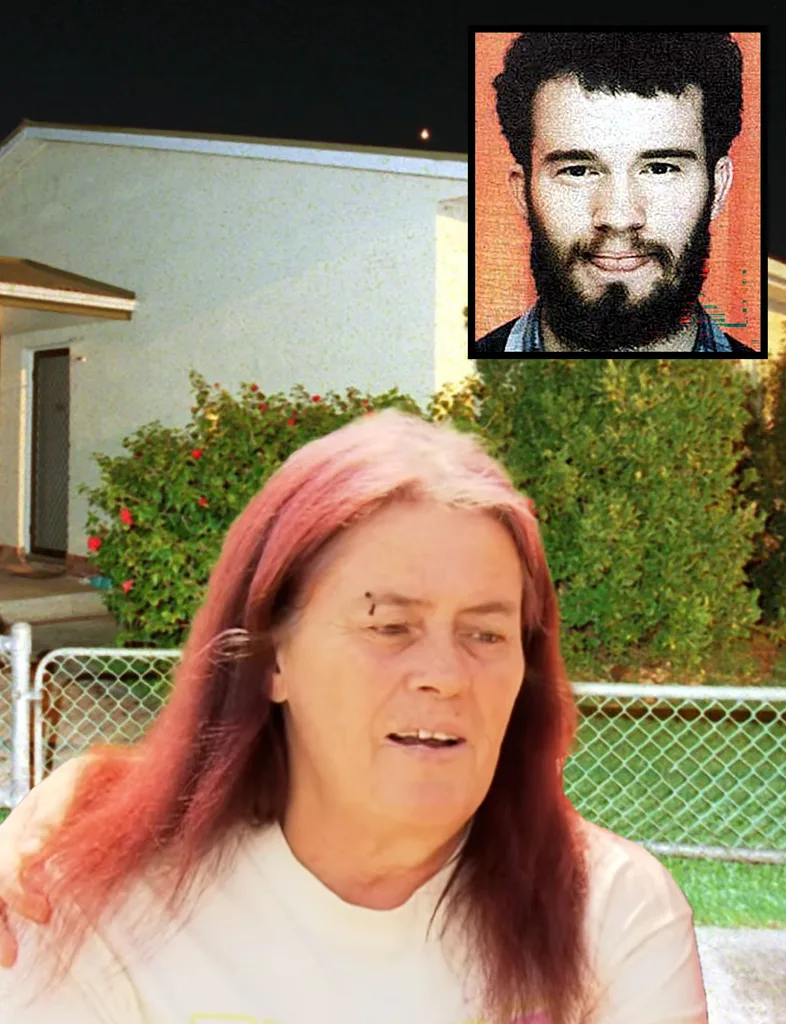
Karen’s connection
Karen and her family were familiar with the killers. Shockingly, she first met Wagner in 1994 through an ex-partner.
“He came into my house and held my newborn son Ben,” she remembers of that first encounter of the man who would kill Ray just a year later.
Karen also believes Bunting and Wagner tried to break into her home one night in 1997.
“They punched a fist hole in my front door. I peeked out the window while I called the police and I now realise one of the three men was Wagner.”
Reflecting on that terrifying night in 1997, Karen believes she had a narrow escape from the killers that evening.
She says, “I was going to be their next victim.”
The ruling
On 16 September, former Supreme Court judge David Lovell approved Vlassakis’ release. It’s likely he’ll spend 12 months living under a curfew in the pre-release centre.
Previous police reports state Vlassakis has shown “genuine and ongoing remorse” for his involvement, but Karen is angry that he will have a second chance at life.
“Where’s the justice in that?” she asks. “My brother’s life mattered.”
As Vlassakis prepares to re-enter society, Karen is choosing to focus on cherishing precious memories of Ray.
“He was the brother I could turn to if I was feeling down or stressed,” she says. “He was someone I could rely on and was always there for me.
“What if Ray had got married and had kids? What would they be like and what would he be doing right now? I wish I had my brother here.”