




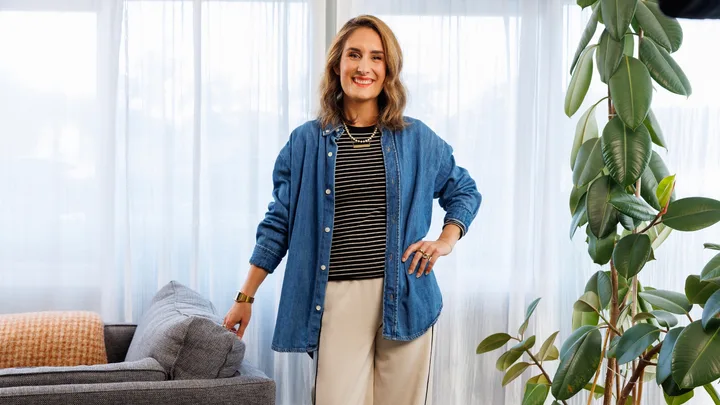
Jo Robertson was 12 when she experienced her first sexualised encounter. She and her best friend went swimming at a public pool before heading off into separate cubicles.
While undressed, Jo looked up to find the eyes of a man in his late thirties locked on her, peering from above the cubicle wall.
After telling her best friend, the police were called. It was an “embarrassing, painful moment” that became the catalyst for her career as a sex therapist.
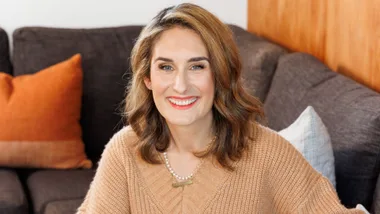
“It did change me,” says Jo, 38.
“Maybe it’s not what everybody does with a harmful experience, but the ‘why?’ became significant for me.”
It sparked a curiosity about where people get their templates for what sex should be like.
The dark side of social media
Now, in compelling TVNZ documentary What Happened to Sex?, Jo reveals how our young people are exposed to unregulated extreme sexual content through social media, gaming platforms and fan fiction known as “dark romance”.
Explains Jo, “Their desires are being shaped by algorithms they didn’t ask for, often before they’ve had their first kiss. “Social media is flooded with messaging about what kind of sex we should be having, and a lot of it is rough sex and choking, which is becoming normalised. Strangulation is not only causing emotional and psychological harm, but also brain damage.”
The reality young people face
US research says 80 percent of college students have engaged in rough sex. In New Zealand, one in three women report experiencing sexual violence in their lifetime, with two-thirds of that occurring before the age of 18.
“The young people I spoke to, who had engaged in choking, had no idea it could cause brain damage, and were mortified and embarrassed,” says Jo.
“One guy told me, ‘Had I known, I wouldn’t have done that.’ “Another young woman shared her story of being left with bruises, jaw pain and bleeding after a rough sexual encounter, but added, ‘I wouldn’t call it abuse because he was my friend.’ “I couldn’t believe the amount of minimising. That was the first time she’d ever had someone suggest that maybe it was abuse. I feel really sad for the sexual experiences they’re having. I’m devastated by the trauma.”
Why parents need to talk
An interview with police highlighted that Kiwi parents seem more comfortable knowing their kids are using drugs than knowing they’re choking someone during sex.
“Primarily as parents, it’s our responsibility to talk to our teenagers about these issues and say to them, ‘Here’s what I really want you to know.’ For some of these topics, it has nothing to do with how uncomfortable we feel but everything to do with their safety. “So we just have to teach them in the same way we teach them to cross the road when they’re young, or how to drive a car. Your teenager might not say anything back, and that’s okay, this is about safety basics, so you have to lean in anyway.”
It takes a village
Jo understands it can be a hard conversation for parents to have with teens, which is why she believes it takes a “whole of society” approach to shift culture.
“If we really want to change something, the kids have to hear it from multiple places, not just one voice,” she explains.
“We need to embed it into school health curriculum, do a national campaign to share what the risks are, and educate frontline workers like GPs and sexual health clinics.”
Raising the next generation
The mum of three boys – aged 12, 11 and eight – is also a passionate parenting educator and public speaker.
Her research into how accessible porn and illegal content have become available to children online has turned into a crusade to see change. Jo regularly presents to government agencies with advocacy organisation Makes Sense (makessense.org.nz). What Happened to Sex? has also had a screening at Parliament.
“My sons are such a motivator for me in this work,” smiles Jo, who, along with husband Dave, has been very intentional about trying to raise “great men”.
“One thing I’m doing at the moment with my eldest is watching romcoms with him, where I throw in commentary. It’s a way to talk about relationships, love, and communication while building emotional literacy and empathy. “We’ve watched the Twilight series, and this past weekend we watched Sense and Sensibility. At the end, his review was, ‘Well, I wouldn’t have picked it, but it was actually good!’”
Quickfire:
While filming What Happened to Sex?, did anything resonate with your own adolescence?
I spoke to a group of girls at Avonside Girls’ High School because in 2022, a student-led survey there revealed nearly 400 students had experienced sexual harassment. The girls told me the verbal harassment happens when they’re outside, getting on the bus and is more likely to happen when they’re in their school uniform. It took me straight back to being 14.
How did the students manage the harassment?
They said they managed it by smiling, treating it as a joke and not provoking.
Did anything you learned surprise you?
The girl who conducted the survey said that one of the things that boys have to hear is girls’ stories of harm. It has to be personified. They need to hear the pain in someone’s voice when telling their story of what it’s like to be a girl. I had never heard someone say that before and I found it really compelling.
HELP IS HERE:
Safe to Talk – 0800 044 334 or free text 4334 for help to do with sexual harm. Available 24/7 and staffed by trained counsellors.
For parents wanting advice on screens, safety and sexual wellbeing, visit trickychatsparenting.com.
What Happened to Sex? Screens Monday, August 24 at 8.30pm on TVNZ 1 or stream on TVNZ+.