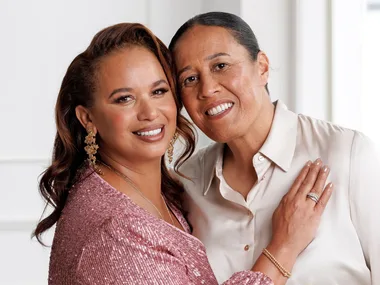





Whether it was trialling the latest sleep method or breaking down complex medical discoveries in ways we all found relatable, Dr Michael Mosley was a trusted go-to for many of us through his TV documentaries, articles and bestselling books.
When Dr Michael passed away in June last year, his family confirmed they would continue his legacy. Now his son, GP registrar Dr Jack Mosley, is following in those footsteps with his first book Food Noise, which tackles the world of weight-loss drugs.

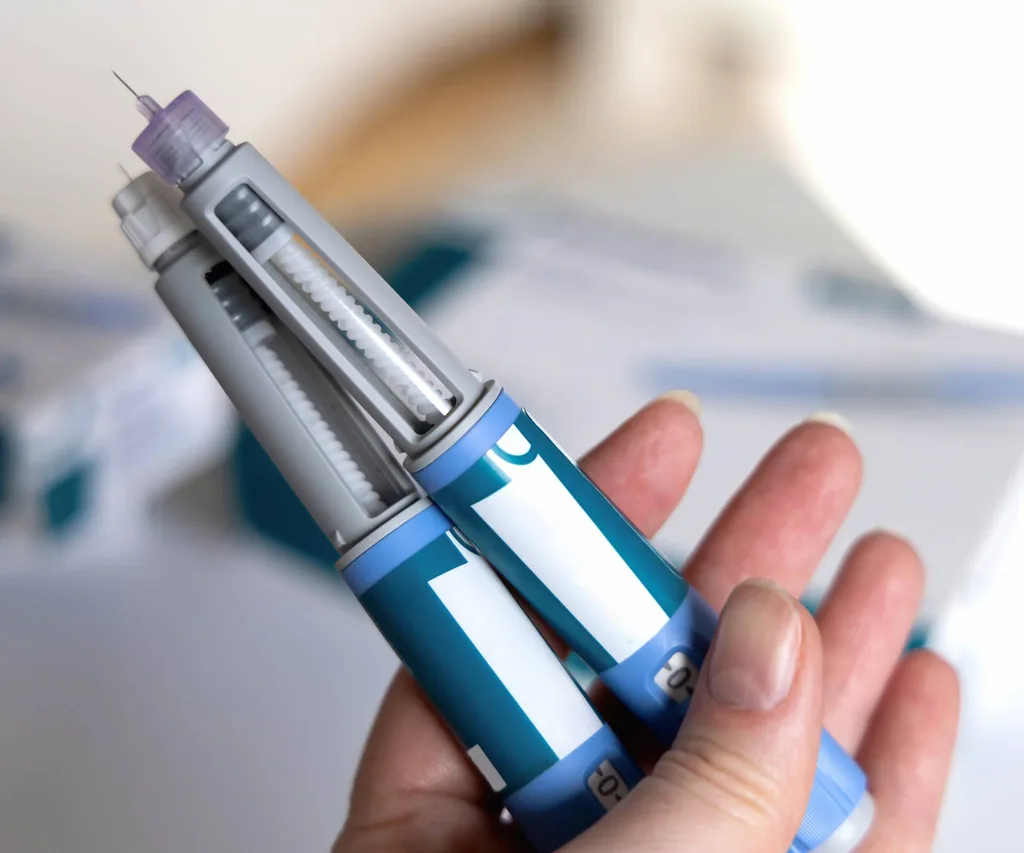
The book includes a forward by his mum, Dr Clare Bailey Mosley, and aims to remove some of the misunderstandings around GLP-1 medications, including Ozempic, Wegovy, Mounjaro and Zepbound. It also includes advice on healthy diet and lifestyle measures for those who decide to go ahead with these treatments.
“They are not a cosmetic drug, a quick fix or a standalone magic bullet,” Jack says.
“These are powerful medications that should be approached with care and knowledge.”
What was your reason for writing this book?
My dad, Dr Michael Mosley, who sadly passed away last year, was of course a big inspiration to me. He was passionate about helping people improve their eating habits and lifestyle choices.
I hope to continue that mission. Which is why Food Noise is full of practical, evidence-based insights to help people take back control of their health.
Did your dad share his thoughts about these new drugs?
I had discussed the GLP-1 weight-loss medications extensively with my dad and had he not passed away, I’m pretty sure he would have written this book. Although he could see they were a huge breakthrough, he had some concerns about how they are being used and the risks that were emerging.
What are some common risks people face?
If you do opt for the weight-loss drugs, you need to make sure the limited appetite you have is satiated with nutritious and filling foods. Processed junk and nutritious, filling foods are competing for space in your stomach – if you eat less of a poor-quality diet, you could potentially still be causing yourself harm. In the UK, Robbie Williams has recently said he developed scurvy after taking the GLP-1 weight- loss meds. This is a disease we thought we had banished to the 16th-century pirates and explorers who had no access to fresh fruit and veg while on long journeys across the world.
We often hear about muscle loss during weight loss. Can this be avoided?
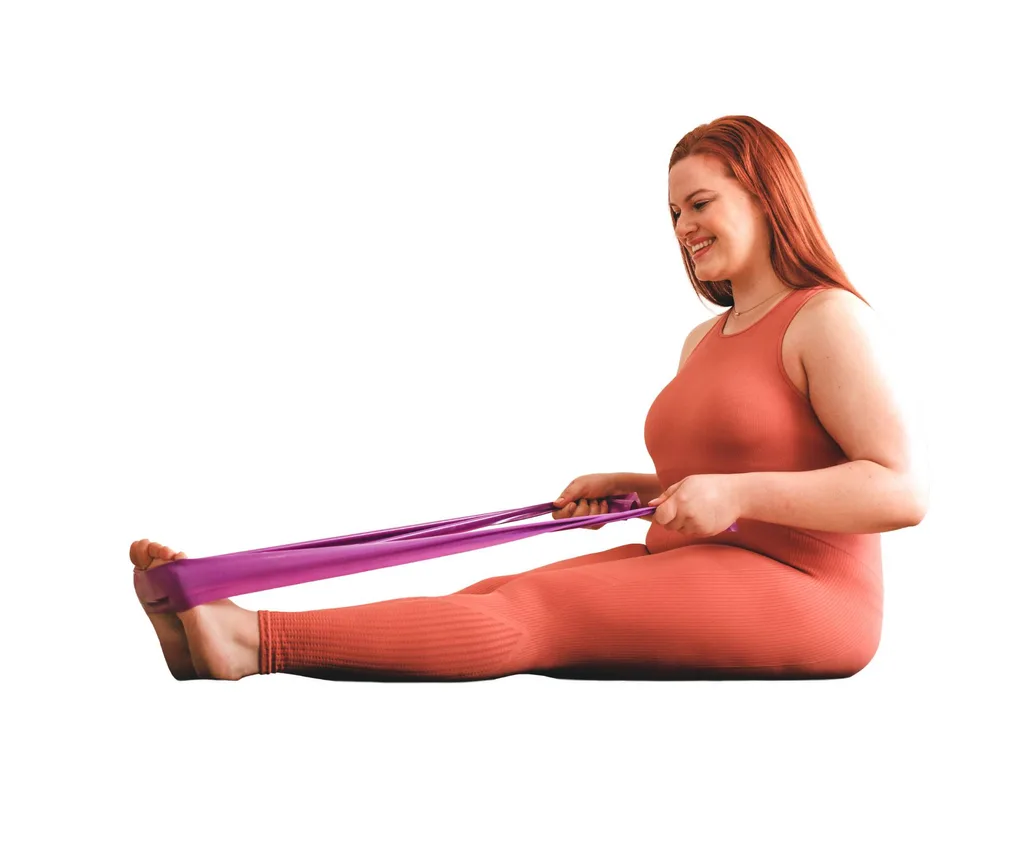
Muscle loss can be kept away or at the bare minimum substantially minimised. In the studies, between 25 to 40% of the bodyweight lost while taking the GLP-1s is lean body mass – the main component of which is muscle. Eating sufficient protein and incorporating some resistance or strength training can help reduce muscle loss and may even lead to muscle gain.
What key lifestyle steps would you recommend?
The Mediterranean-style diet is the most evidence-based dietary pattern in the world and ensures you receive all your nutritional needs. For those who are novices intimidated by the gym –which is many of us! – you can start with bodyweight exercises or use resistance bands and dumbbells from the comfort of your home.
What is “Ozempic face”?
This occurs as fat and muscle is lost round the face. The elastin fibres that are stretched by years of a rounder face lose their ability to retract and the face sags, which can lead to a gaunt appearance. Simple things like drinking plenty of water, eating protein and using a good moisturiser or retinol cream can reduce its likelihood. However, if you’re unhappy with the changes you see, minor procedures such as micro-needling or radio- frequency treatments are also valid options, but these are certainly not for everyone – consult a medical professional for advice.
Is it best to try other weight- loss methods first?
I adopt a diet-and-lifestyle– first approach and encourage people to try other routes first, such as intermittent fasting and a Mediterranean-style diet, which I discuss in the book. However, if you have tried all other avenues, and are living with obesity and obesity-related diseases, talking to your doctor about these medications can make a big difference to those people. If you do opt for these medications on appropriate medical advice, it remains vital that you do not use these drugs as the only tool to lose weight. It remains vital to change your eating habits and lifestyle too, so that you’re getting the most out of the medications and protecting your overall health.
Who would generally be recommended these medications?
Weight-loss drugs are suitable for those who have tried other ways to lose weight – and I suggest a few effective approaches in the book – but have struggled. Specifically, people who are living with obesity and obesity-related diseases.

Related stories

Native ad body.

Native ad body.


Busy mums love this viral collagen shake. Here’s what you need to know.
Native ad body.