
We’re well into our spring reset challenge, so if you’ve been following along, you’re hopefully noticing some small but definite differences in your energy. Week three is about levelling up on your new habits, adding strength workouts and nailing your sleep routine. Let’s get into it!
Move: Build your strength
With our weekly walking goal underway, we’re taking things up a notch and adding in strength workouts. Don’t be put off by that rather intimidating term: this routine can be done wherever you find a quiet spot – all you need is an affordable resistance band.
No band? No worries! Use hand weights or tin cans for the deadlifts and your bodyweight for the other exercises.
Resistance bands use oppositional force to build strength and flexibility, meaning the band will feel heavier the more you stretch it.


Toning up has added benefits in your day to-day life. These exercises work the upper and lower body, and your core.
Eat: Fill up on fibre
We’re finding our mealtime rhythm, with filling, nutritious additions and breakfast sorted. This week, the spotlight is firmly on fibre.
Fibre may not be glamorous, but it’s a quiet overachiever. Found in fruit, vegetables, whole grains, legumes, nuts and seeds, it supports digestion, a healthy gut and satisfying fullness between meals.
Before we get into what you need to be doing to up your fibre intake, it’s important to note that there are two main types of fibre known as soluble and insoluble fibre (see below).
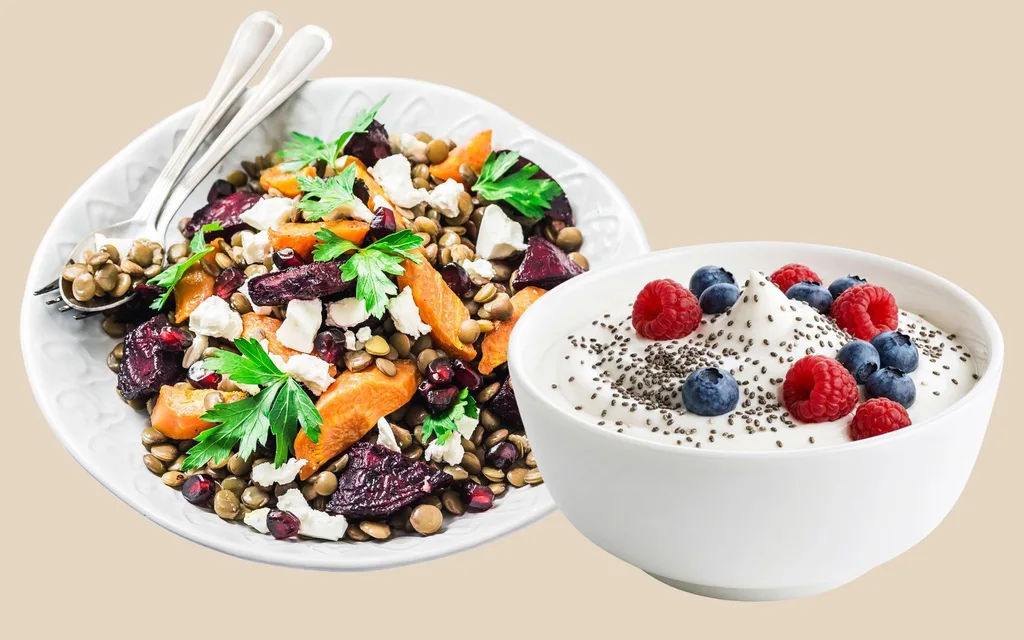
Last week, nutritionist Claire Turnbull suggested oats or seedy, minimally processed bread to hit your fibre goals at breakfast. Beyond the morning, top yoghurt with chia seeds and berries for an afternoon snack, or add chickpeas or lentils to salad, soup or curry at dinner.



If you’re not used to much fibre, increase it gradually and drink plenty of water. Too much too quickly could leave you feeling a little… ahem… stagnant.
Soluble fibre
Mixes with water to form a gel that slows digestion, helps lower LDL cholesterol, stabilises blood sugar and feeds good gut bacteria.
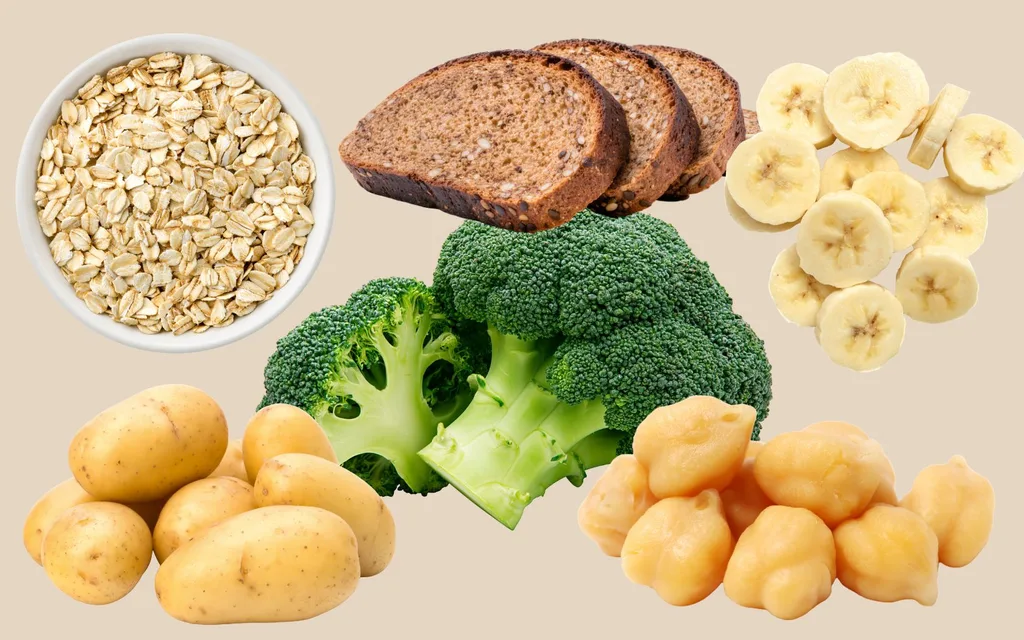
Common sources: Oats, beans, lentils, peas, nuts, and the inside flesh of fruits like apples and bananas.
Insoluble fibre
Stays intact as it moves through your intestines, attracting water to make stools softer and bulkier. This helps waste move faster and promotes regularity.
Common sources: Whole-wheat flour, brown rice, seeds, and the skins or stalks of vegetables and fruit.
Challenge
Add one plant food to every meal. Make it your mission this week to include a fruit, vegetable, whole grain, legume, nut or seed at breakfast, lunch and dinner. Think berries on your cereal, salad alongside your sandwich or beans stirred through your mince.
Bonus challenge: Count your plants. Keep a rough tally of how many different plant foods you eat each day. Variety is important for a healthy gut, so see if you can gradually build your number across the week.
Sleep: wind down well
Last week, we looked at improving our wake-up routine, now we’re narrowing in on the other end of the day. If evenings usually hold a busy cycle of chores before falling into bed with your screen inches from your face, scrolling until you fall asleep, it’s time to reassess your sleep hygiene.
This might sound like how often you should wash your sheets (weekly, preferably!), but it actually refers to the habits and environmental factors that can help you get a good night’s sleep. Think of it as setting yourself and your bedroom up for better rest.
Create a sleep sanctuary: Keep your bedroom dark, cool and comfortable, with supportive pillows, a suitable mattress and seasonal bedding. Where possible, keep work, TV and scrolling out so your brain associates the space with sleep and relaxation.
Mind your evening habits: Caffeine: Tea, chocolate, cola, energy drinks and even some ice creams can contain this stimulant, which stays in your system for hours. If you’re struggling to sleep, try having your last caffeinated food and drink before 2pm.
Alcohol: A nightcap might make you feel initially sleepy, but alcohol can disrupt your sleep later in the night and leave you feeling less refreshed the next morning.
Food: Going to bed hungry can be distracting, but a large or heavy meal close to bedtime can also interrupt sleep. If you need something, opt for a light snack, such as an apple and a slice of cheese. The latter contains tryptophan, an amino acid your body uses to make melatonin, a hormone that signals to your body it’s time to sleep.

Challenge
For the next seven nights, challenge yourself to have 30-60 minutes of screen-free wind-down time before bed. Dim the lights, put your phone away and choose one relaxing activity to repeat each night – whether that’s reading, stretching, having a bath or listening to a podcast or audiobook.
Notice how you feel when you get into bed. Are you calmer? Sleepier? More ready to switch off?
Mood: good focus
It might sound a little woo-woo, but hear us out! Taking a few moments each day to focus on the good could lift your mood, with research linking optimism to better health and greater longevity.
“We have a natural negativity bias – it’s a survival instinct,” says wellbeing expert Claire Turnbull, who has a Diploma in Positive Psychology and Wellbeing. “For our ancestors, noticing predators and other problems helped keep them safe.
“Now we’re bombarded with negative news stories because those headlines get clicks, so consciously focusing on the good can be a challenge.”
When your mind whirs at night, you probably don’t think, ‘Gosh, I sent a really great email today!’ It’s easier to replay what went wrong.
“It’s about changing that mindset,” says Claire. “It can include gratitude – someone at work made me a cup of tea, for example – but also a great moment, interaction or something you’re proud of.”
We can feel like seven or eight bad things happen for every good one, but that’s not reality. Once you start noticing the good, you realise how much is around you.”

Challenge
Claire’s week-three mood-boosting challenge: Three good things
At the end of each day, when you get into bed, write down three good things that happened or three things you did well that day. They could be as simple as “I handled that conversation well,” “I managed to get outside for a walk,” or “Someone let me into the traffic queue.”
Claire explains, “There is so much good in the world to see. The more you notice it, the more your attention becomes tuned to spotting it. That can be transformative.”