




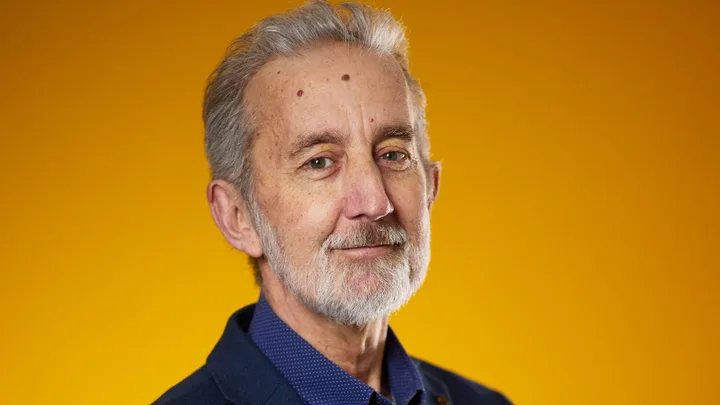
 Photography: Thievery, Amalia Osbourne.
Nigel Latta released his final book the day he died. Called Lessons on Living: Finding Your Way Through Life’s Up and Downs, it shares the strategies the psychologist, author and broadcaster used to navigate tricky times, and find ways of being more resilient, joyful and attuned to what matters most. He hoped people would take some of the things he learned on his journey and apply them to their own lives in their own way.
Here, Nigel talks about his and wife Natalie Flynn’s response to learning he had terminal stomach cancer, and how a chance encounter that could have been upsetting instead filled him with joy…
Tears, ice cream, and Quetiapine
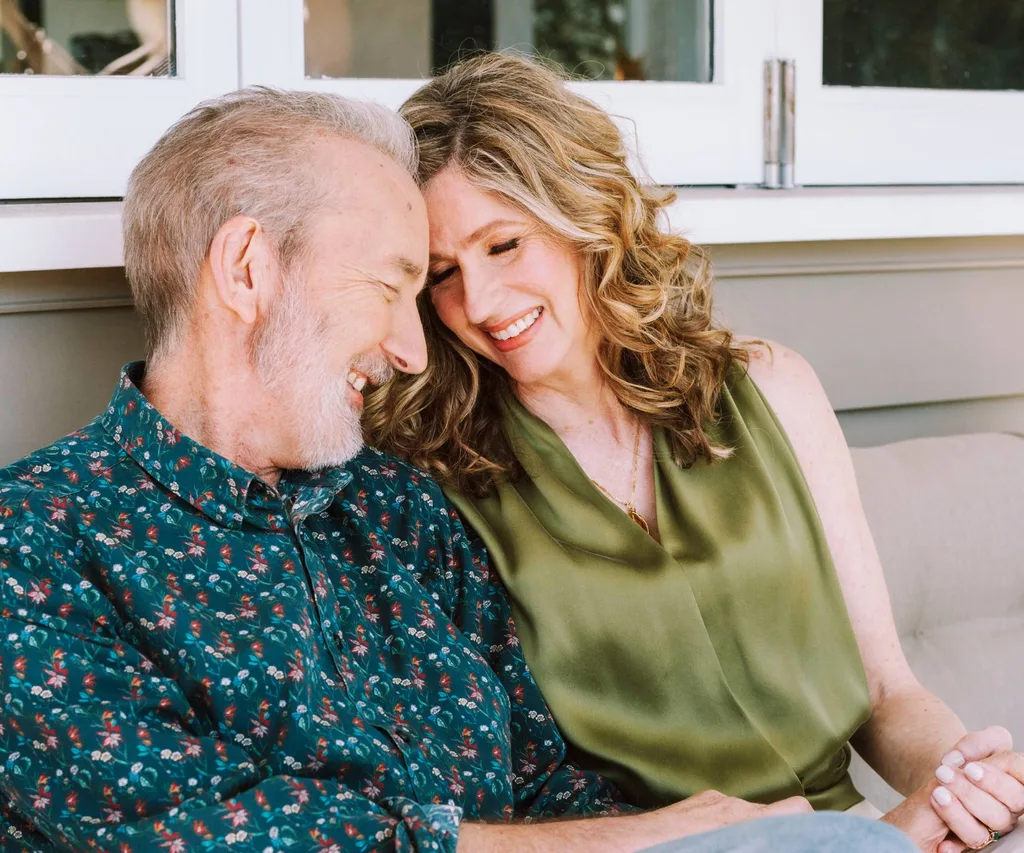
That first terrible night, we didn’t go home. We couldn’t. I remember Natalie asking our friend how we should be with the children. It’s a strange thing, but even though we had over half a century of clinical experience between us, we both felt lost. We both felt like we should know the answer to that question… but we just didn’t. It really did feel like we’d suddenly found ourselves in Dante’s dark wood.
The straight way was lost to us.
“You need to be there for them the way you usually would,” she said.
Our friend also just happens to be a very skilled and very experienced psychiatrist, and when she wears that hat, she has a deeply calming presence born of long experience.
That was one of the best pieces of advice we got on the journey. So instead of going home, we went to a hotel for the night. We needed some space. We needed to process all this information and recalibrate. We needed to stop the wheels from spinning like they were… all disconnected and out of control.
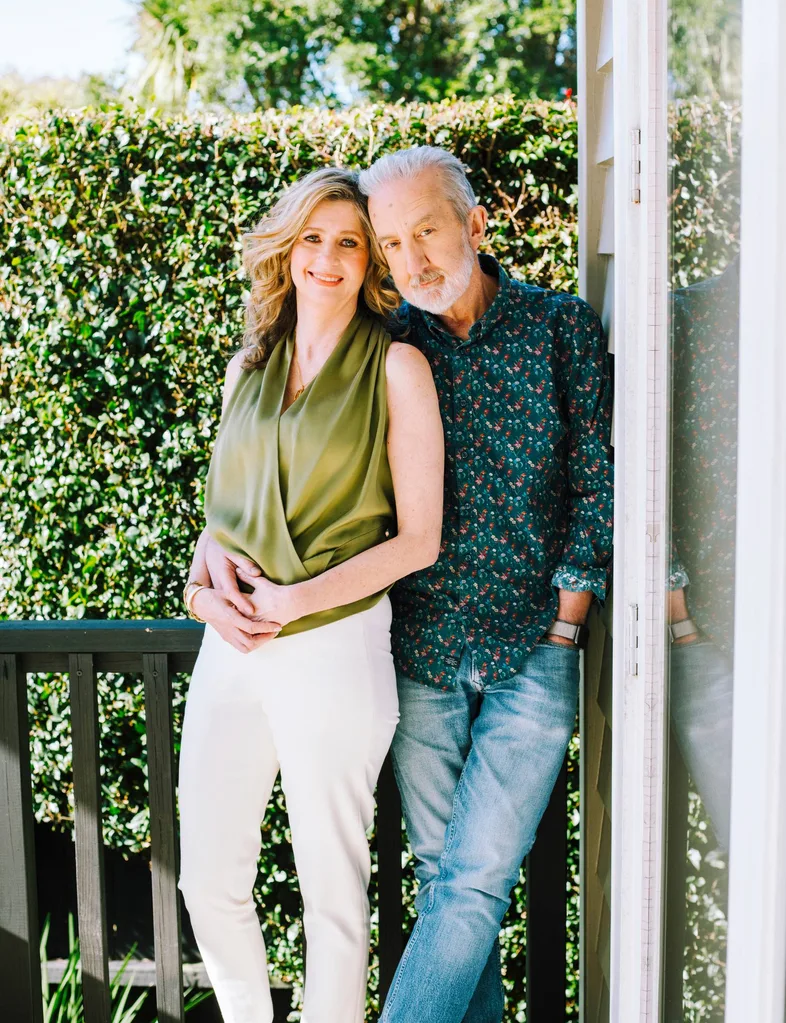
I ate a lot of ice cream that night.
F**k it, why not? And we cried. A lot.
Eventually, over the course of the night, the intensity of the waves of grief and shock lessened, and we could talk in longer and longer periods of calm. It was a strange time, talking between the waves, taking a moment between the sets to surface and breathe in some air.
As the sun went down, and day became night, and everything slowed around us till it felt like we were encased in our own world, we set our intention for the journey ahead. We did this together as we talked.
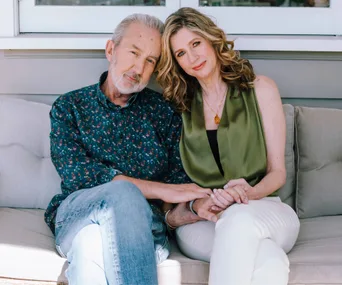
No matter what, we decided, we would not take any of this out on other people. We would be kind. We would not use it as an excuse to be harsh, or spiky, or sharp. We would help our family and friends as much as we could.
It would be only too easy to get bitter at the unfairness of it all and to use that sense of justified bitterness to be unkind with those around us. Anger and grief are frequently bound together like vines twisting around the pipes inside our minds. We did not want to be angry. I ordered more ice cream.We cried a little more. And we committed ourselves to that intention with everything we had.
Life isn’t fair, and to think anything else is a folly. As Natalie says to her clients when they’re faced with tragedy and heartbreak, “Don’t ask why me… ask why not me?”
And why not me? I was no more or less deserving of this awful thing than anyone else.
Why not me? We did one other very important thing that night… we both took some Quetiapine. At the suggestion of our psychiatrist friend, the surgeon we spoke to that morning had given us
a script. Quetiapine is used in the treatment of psychosis and major depressive disorders, but it’s also very effective when used for sleep at low doses. And we needed sleep that night.
Sleep is very important, and getting enough sleep was going to be crucial for us in the months ahead. That night, especially, though, it was a lifesaver. So we both took Quetiapine and it was like a warm, dark blanket covered us, and took away the swirling thoughts, and the pain, and the fear of what was to come. And we slept. And that made a huge difference.
When we woke the next morning, we were calmer and we knew what we had to do. We had no idea of what would happen on the road ahead of us, but we knew what we had to do
to get through whatever might come.
Now we could go home. Now we could be with the kids in the way they needed. As we were checking out, there was a young porter who recognised me. His mum had read my parenting books. He was very chatty and effusive. Natalie and I were both still feeling bruised and battered, and we had every reason to feel justified in brushing him off so we could just quietly lean into each other and wait for our car to be brought up to us. If ever there was a moment when I could have felt justified in shutting down small talk with a complete stranger, it was then.

But in that moment, I did the opposite. In the deep of the night, we’d made a commitment that we’d be kind to everyone around us as much as we possibly could. So I chatted with this lovely young man
about his mum, his life and his plans. This is actually a psychological skill taught in dialectical behaviour therapy and it’s called “opposite action”.
How it works is that when you feel an urge to act in an unhealthy way… pause, notice the urge, and intentionally do the opposite. For example, if you feel angry and have the urge to take out that anger on others and shout, try doing the opposite: talk calmly. If you feel sad and have an urge to withdraw, try doing the opposite and phone someone.
Opposite action isn’t about ignoring our feelings or not being assertive; it’s about noticing our feelings and action urges in any given moment, and deciding to do the opposite – more healthy – action instead. And when we behave in a healthy, calm way, we tend to feel better in turn.And that’s a win.
Opposite action:
- Notice your feelings and action urges when you’re in a challenging situation.
- Pause: Don’t go with the first negative action urge.
- Do the opposite: Consciously make a decision to act in the opposite way. For example, don’t snap be kind.
So instead of withdrawing, I made a real effort to connect with him and it immediately felt joyful rather than an imposition. It’s a miracle to be alive. It’s a gift to be able to connect with a stranger and share a moment in time. I felt a deep sense of compassion for him… and strangely love as well.
That sounds silly, I know, but it was real. It’s hard to explain, but it felt utterly lovely to chat with him about his mum, his childhood and his plans on that strange sunny morning the day after I’d been told
I might soon be dead. It was a lovely gift he gave me and I did so greatly appreciate it.

Opposite action – remember that one. Natalie and I talk about the intention we made that night a lot. We revisit it and check in to see how we’re doing. We don’t want to take any of this out on anyone else. We want to be kind. We want to look after our family and friends just as they have looked after us so well.
I think we’ve done a pretty good job of that and it brings us both a genuine comfort.
When calamity befalls us, there is always an invitation to be less than our best selves. When it feels like the world has singled us out unfairly for punishment, it’s natural to get angry, to want to hit back. When the worst of things happen to us, the temptation will always be there to shunt aside the needs of those around us and focus solely on ourselves and what we feel like we need. Try not to do that.
Try to be as kind as you can as often as you can. That’s where the real comfort lies.
Lessons on Living by Nigel Latta is available to buy at Paper Plus, Mighty Ape, and Amazon.