



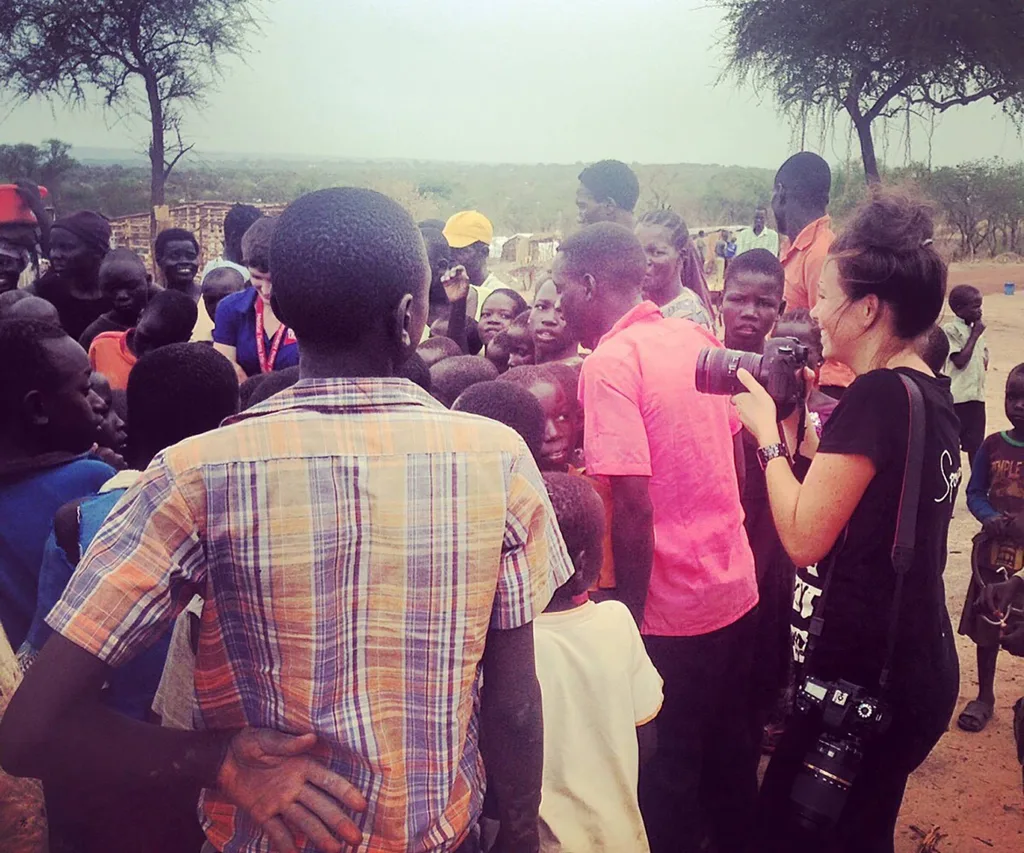
Helen Manson is often detained at airport security for her travel history. As a New Zealand-based humanitarian photographer, she regularly travels to the world’s most low-income areas to shine a light on the crises occurring there. Her niche job behind the lens requires being in the thick of it all.
The 40-year-old has found herself in many precarious situations: attending complex police and FBI briefings, carrying chemical warfare gas masks, interviewing ISIS wives fresh from escaping captivity, and witnessing both the pain and beauty found in refugee camps – all while trying to capture it in a way outsiders can understand.
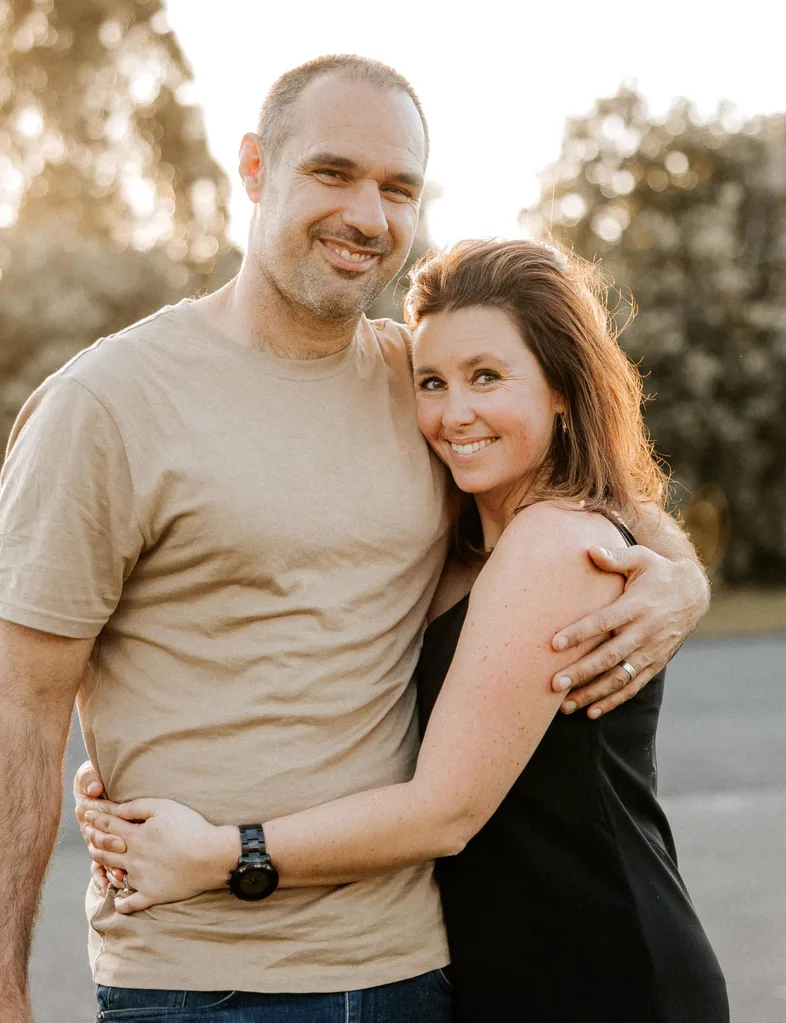
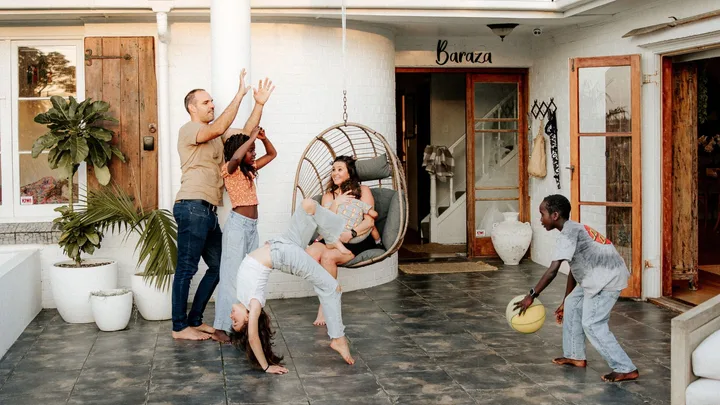
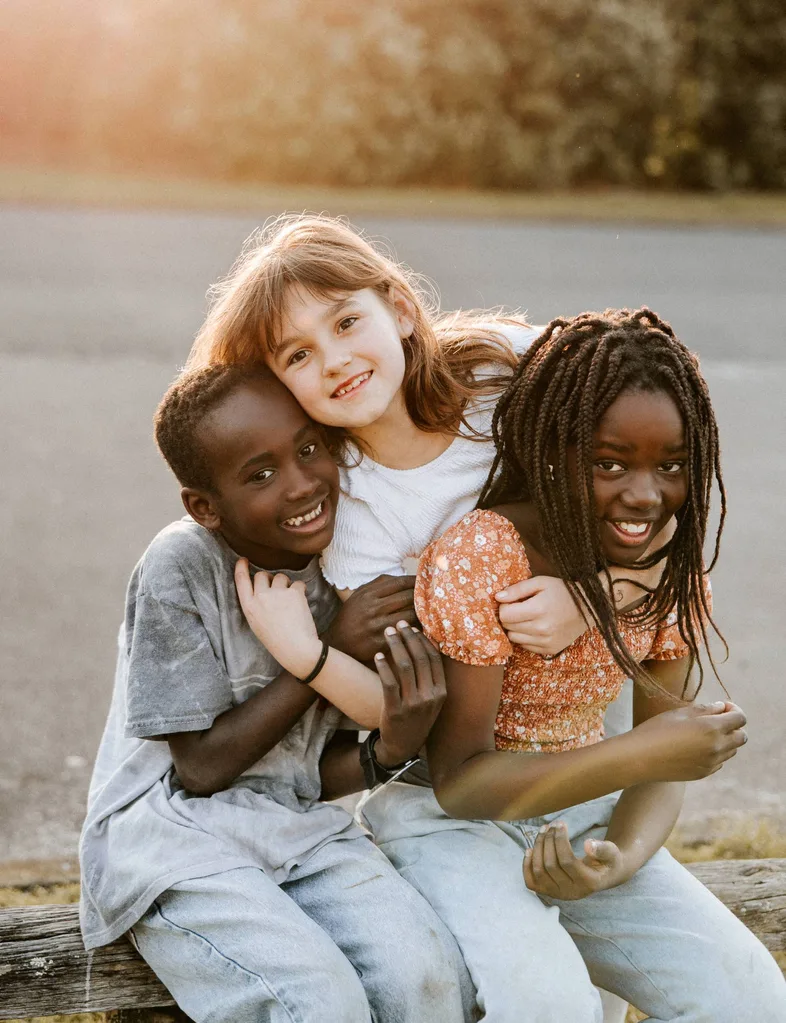
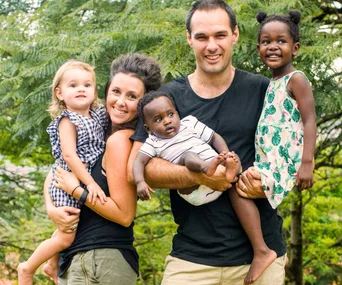
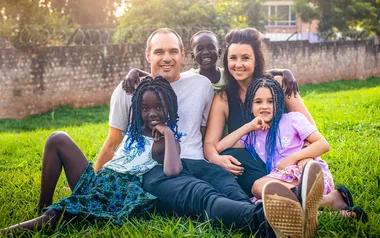
The intrepid mum of four now works as global director of Story, Social and Media Relations at the world’s largest anti-slavery organisation, International Justice Mission (ijm.org). Helen’s husband Tim, 43, is charity Tearfund New Zealand’s international programmes director and they’re proud parents of Hope, 11, Eva, 10, Maz, eight, and “Baby A”, three. She describes her family as a “stretchy one”, made through adoption, foster care and biology. (They share their youngest with his birth family, so his identity is kept private.)
How did you go from working in PR for New Zealand Fashion Week and Fendi to being a self-taught photographer in crisis zones?
I loved working in lifestyle PR until we moved to Uganda in 2013 and two things happened that ruined me for anything else. Firstly, I met my sponsor child of more than 10 years and it hit home that Whilifred wasn’t just a photo on a fridge. He kept my letters proudly displayed on the wall. Then while I was at a bus stop in Kampala, I met a former child solider called Ivan – he asked me what I was eating as he’d never seen an apple before. We became friends, and I found out he’d been abducted at nine years old on his way to school and conscripted into a rebel army. Suddenly, all the things I had been too scared to read about became real. Up until then, I had blinkers on to the realities of what’s going on in our world.
On your first date with Tim, you both discussed your relationship deal-breakers. What were they?
My passion for adoption! Even though I was born in New Zealand, I grew up around a lot of adopted families in America. Tim had been a missionary kid who had grown up in West Africa. After we met at a Rugby World Cup game, on our first date I said, “If you’re not willing to consider adoption, that’s a deal-breaker for me.”
He said, “Well, if you wouldn’t be willing to live in Africa, that’s a deal breaker for me.”
So that was our understanding. We moved to Dubai first, before moving to Uganda on a six-month volunteering stint and falling in love with the place, so we stayed for seven years.
Share a bizarre story about the realities of living in Africa.
Well, I unintentionally breastfed a giant rat! One night, I was lying in bed – Tim was away – and my baby daughter Eva was crying. So I brought her into bed to feed her. I heard these weird noises, so I got my torch and saw something move. There was a rat underneath the fitted sheet feeding on my breast milk that had been dripping down between us. Disgusting! It had eaten away at the foam mattress topper. I attempted to kill it but it ran away from me. Two days later, Tim comes home, sees the rat and gets the broom. All I hear is this gigantic commotion in the next room. I come out and Tim’s pants are down and there’s a dead rat in the corner. He said as the rat lurched, the button came off his pants!
Was “compassion fatigue” a reason you returned to New Zealand?
Two things were the reason. When you’re working for 50 different not-for-profit organisations, your husband is doing trauma counselling for refugees and survivors of war, and you’re travelling every six weeks, it’s a lot. I didn’t know how I could keep going at the pace I was for another seven years. So in order to be sustainable in the work, we thought we’d come back and work from home. Our son Maz also needed heart surgery at the time.
Tell us your story of international adoption as a foreign resident.
We got Hope when she was six days old and it was the biggest surprise of my life. I was on my way to South Sudan when I got a phone call about a baby needing emergency foster carers. I jumped on a motorcycle and within nine minutes, I met my daughter-to-be. I didn’t have any baby items – not even a nappy. The adoption took three years to finalise, and Maz waited two years. Eva thought she was adopted too and once prayed for the judge to sign off on her paperwork.
Did you think you were done with three kids?
Totally done! Maz started school on his fifth birthday and the next day, I got a call asking if we could support a baby who was born at 27 weeks, weighing 900 grams. Tim was away for his 40th birthday and out of signal, but I said, “We’ll do it.” I then voice messaged Tim…“I have some news!” The baby ended up living with us full-time for the first year of his life before reunifying with his relatives. We’re so grateful to continue to share him with his amazing birth family.
After fostering other children on a short-term basis, what’s it taught you?
How family can be so much more than what we traditionally think it is. I joke that I have four different kids to four different dads. That’s technically my story. But when you open your heart to let other people come in and embrace the messiness of that, you can form an incredible life-long bond.
Describe a photo you’ve taken which always stays in your mind and why?
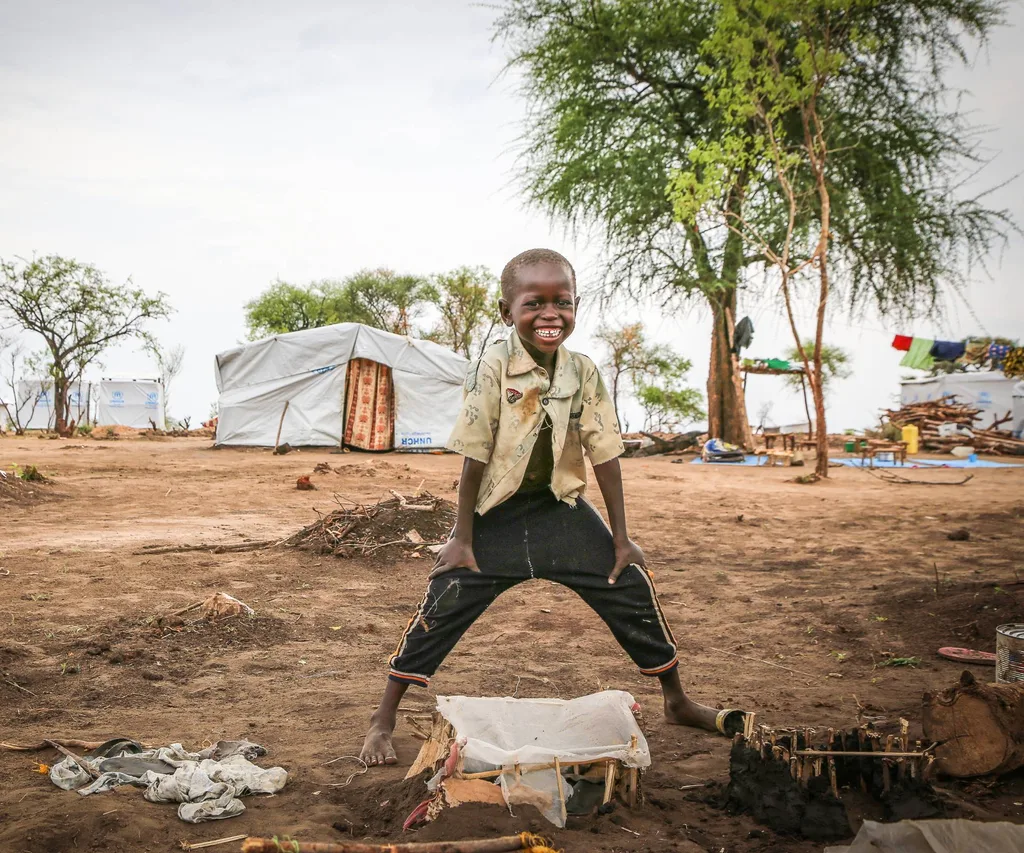
I was in a South Sudan refugee camp in the middle of this huge war, with people flooding over the border. I was walking past a little eight-year-old boy who was standing by his family’s tent with a UN tarpaulin over it. He shouts “Muzungu!” [a friendly term referring to white people). “Look what I made.” And he had built his own sandcastle miniature version of his tent. It reminded me that kids are kids no matter what environment they find themselves in.
How do you stay upbeat after witnessing the miseries of war, famine and disaster?
Every now and then, I go into a space that feels very dark. But most of the time, I stay buoyant because I’m very strict with my own mental health boundaries. I’m strict with what I wear – like a uniform that I only wear in the field. My counsellor has me put on an apron when I come home from work/trips to help me make the mental shift to mum mode. Or I watch America’s Funniest Home Videos after a rough day to remind myself that the world isn’t always dark and scary.
Have you ever had a “this is it – I’m going to die” moment while working?
The only time I’ve felt genuinely scared for my life was when I was coming back from Sinjar, in Iraq, which was completely decimated by ISIS. Our group got separated in convoy and every two kilometres, you’re seeing gunmen protecting the border. Suddenly, at a checkpoint, the car in front of us slammed on its brakes and four men in military clothing started yelling at us to get out of the car. This was a rebel army in the area, saying we didn’t have permission from them to be there. To have a gun held up to us was scary. The group spoke in Arabic, so I didn’t understand what was happening, but they finally let us through. Six hours later, the bomb struck the exact area where I had taken photos, killing 20 people.
Would you say you’re a fearless person?
No, I’d say I have a lot of fear but I pray a lot, then do it anyway. My faith is a hugely motivating factor for me in my life.
Share the bravest thing you’ve eaten abroad.
Two weeks ago, I ate pig face. I was in the Philippines [working on issues around online sexual abuse of children] and some locals took me to a Filipino restaurant. They ordered sisig – composed of chopped pig’s face with snout and ears. I didn’t know until I had finished it.
Is there a cherished item in your home?
Two paintings we commissioned in Uganda are really special to us. I love supporting young artisans as it’s so hard to make a living.
Finally Helen, what are you most proud of?
All the times that we’ve said yes. So many people say to us, “I wish I could do what you guys do, but my children are too little,” or, “Maybe when my parents have passed on.” But I’ve found that there’s never a perfect time and you’ll never be totally ready.
You can follow Helen’s work on Instagram @helenmanson and Tim’s work on @ijm