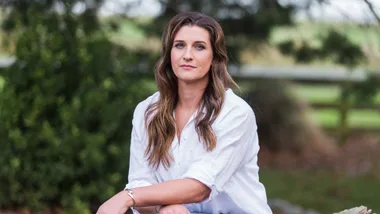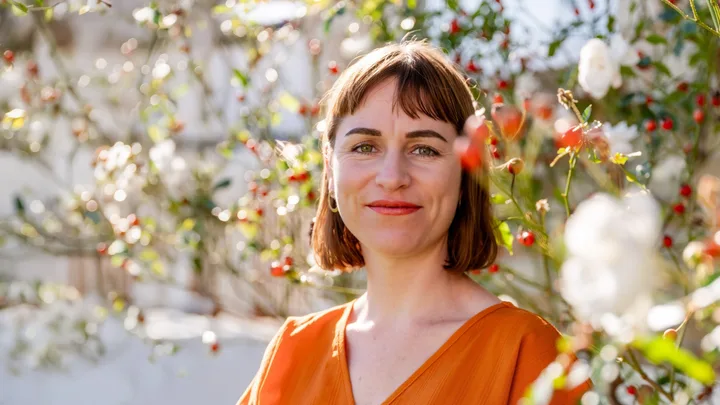
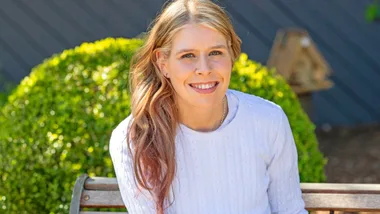
When Natalie Hampshire and her husband Abe Leach packed up their lives in New Plymouth to move to Melbourne, they were hoping it would mark their next big adventure.
“We had these great dreams and visions of how we were going to enjoy our lives over there, but they all got quashed when Covid hit,” explains Natalie, 35.
With necessary lockdowns hugely impacting her mental health, the communications professional was diagnosed with mild depression and soon after found herself struggling with digestive issues.
“I started getting extreme bloating and indigestion,” she recalls. “I would often be up overnight for a few hours in a lot of pain and vomiting.”
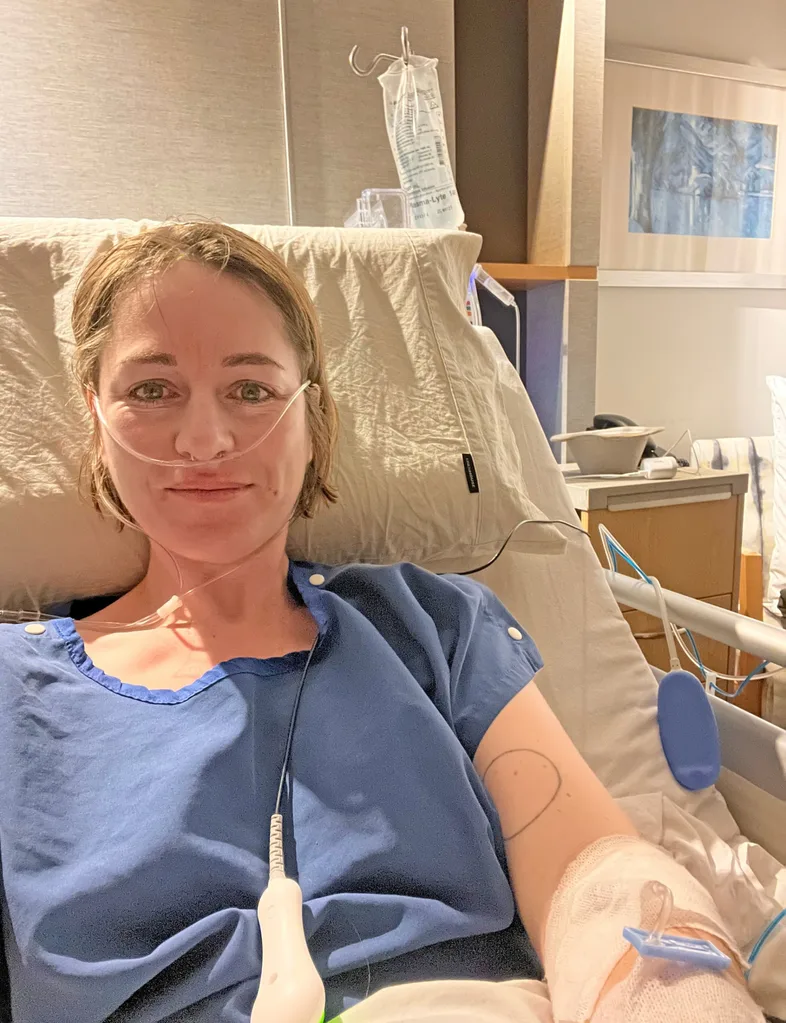
When Natalie and Abe, 33, decided to move back to Wellington for a new job, her symptoms intensified and her mental health deteriorated.
“My day-to-day life – food, bathroom, intercourse and exercise – were all causing pain. I had no idea what was going on.”
With the couple deciding to try for a baby, Natalie went off the contraceptive pill, only to find herself besieged by more severe symptoms.
“I started getting radiating pain through my lower back, thighs and pelvic area,” recalls Natalie, who by this time had relocated to Tauranga with Abe. “I also had intense fatigue and brain fog, and started passing blood clots in my stools when I was on my period.”
After undergoing a colonoscopy, she was diagnosed with stage-four endometriosis in her bowel. Endometriosis is a chronic condition where tissue similar to the lining of the uterus grows outside the uterus.
What followed was an intensive seven-hour operation, involving a bowel resection and the removal of endometriosis lesions from her pelvis.
After the surgery, Natalie woke up to discover she had a stoma, which diverts digestive waste outside the body while the lower part of the bowel heals.
“It was very mentally and emotionally confronting,” she shares. As she healed, a ray of light after all the years of pain arrived when Natalie discovered she was eligible for Ministry of Health funding for IVF.
“I was really hopeful but also I didn’t want to get my hopes up.”
After the first round of IVF, the couple was delighted to discover that Natalie was pregnant.
“I just started crying. Abe and I hugged for five minutes.”
Around this time, Natalie realised there was a gap in literature about endometriosis.
“I saw there was a need for a book that dealt with the mental and emotional side of the disease,” says the self-confessed bookworm.
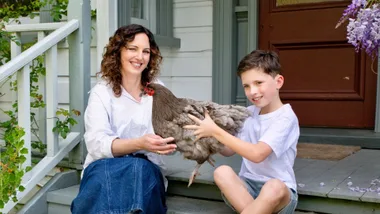
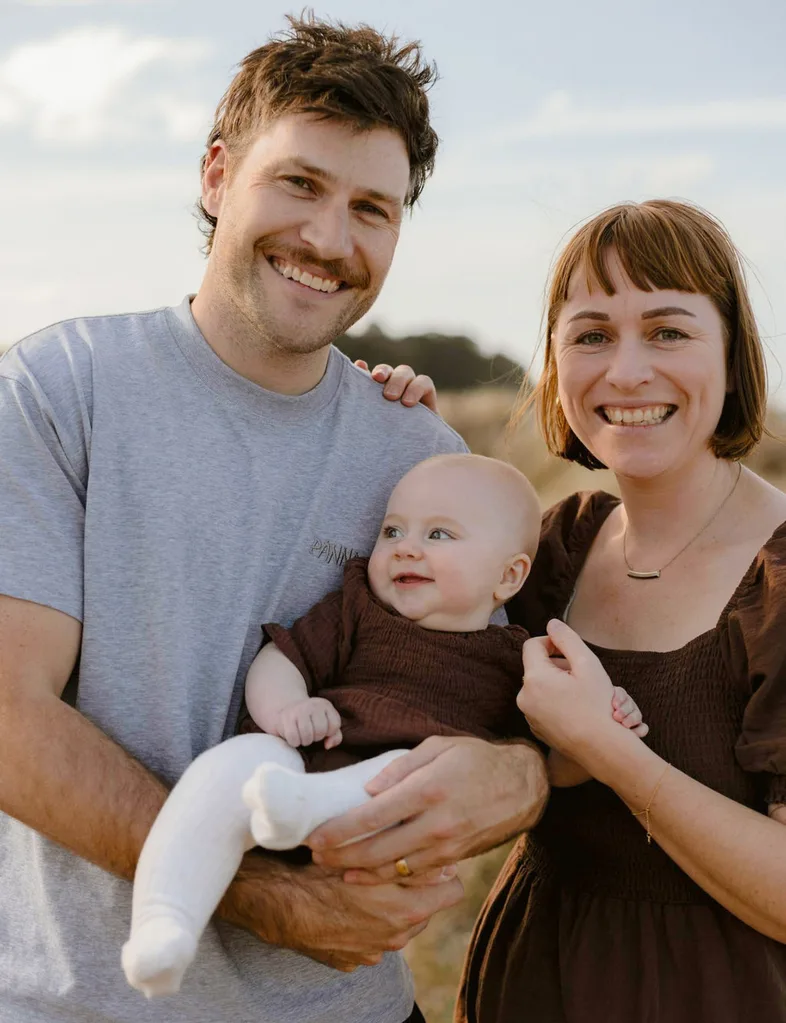
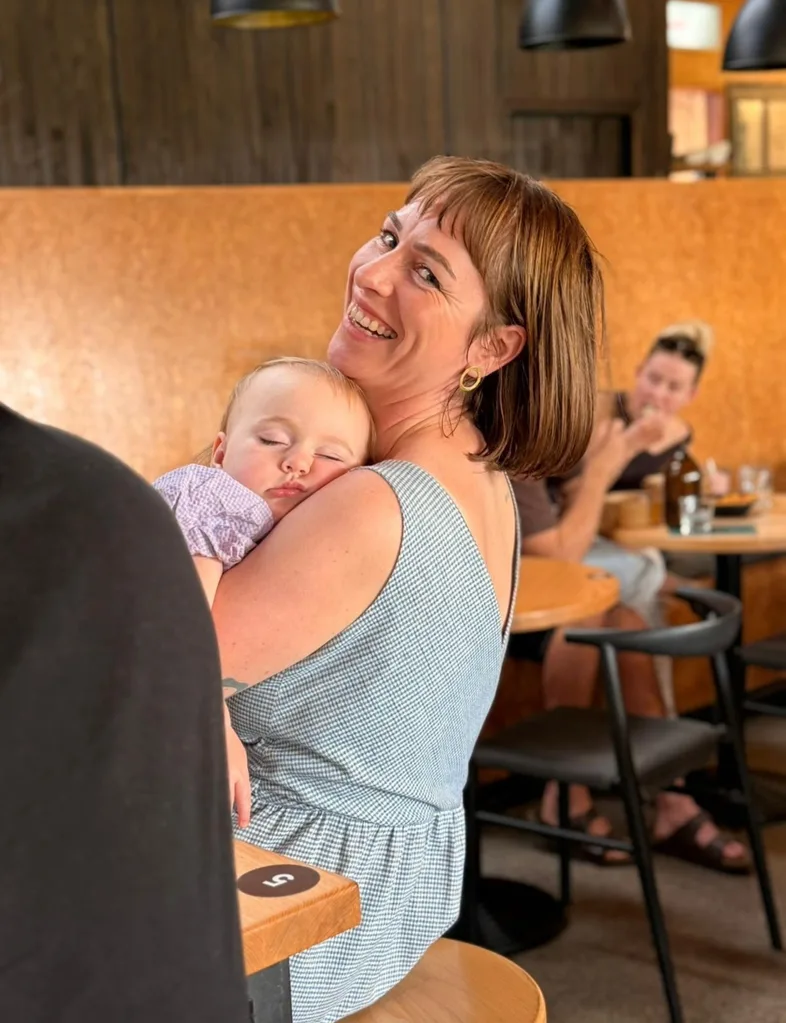
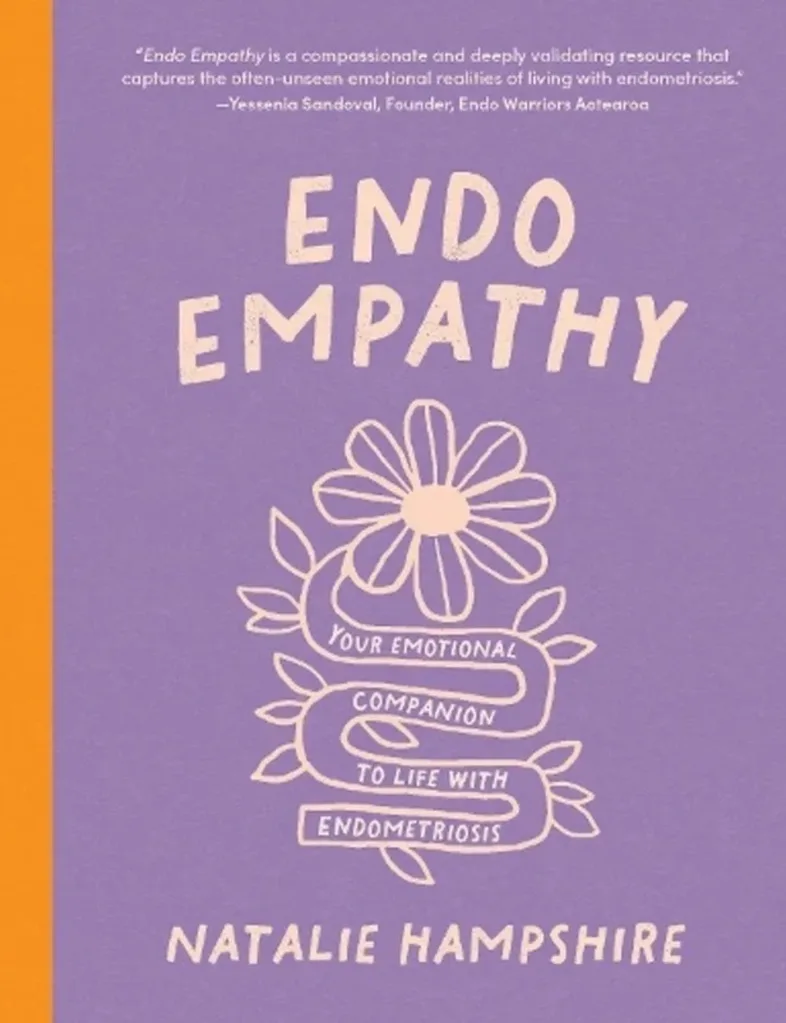
Setting about writing Endo Empathy, Natalie finished the final draft a couple of weeks before Maisie, now one, was born. Her daughter’s arrival marked the start of a happier new chapter in the writer’s life.
“Before we were able to conceive, whenever I had dreams I was pregnant, I always imagined I would have a little girl. It felt really beautiful and poetic when
she arrived.”
For Natalie, writing the book has also helped her find the connection and community she was craving during her journey to an endometriosis diagnosis. Deciding to include experiences from different women, the author reached out to Endo Warriors Aotearoa.
“They were really on board from the start and put the word out to their network. I created a form for women to fill out with a range of emotional prompts. I wanted it to be a resource for when people are feeling a certain emotion, they can open up the book and remember they’re not alone in how they are feeling.”
Through the local education and advocacy charity, she was introduced to 33 different women who chose to share their journeys with Natalie.
Along with these personal stories, she also spoke to three specialists, including Dr Katy Culliney, the gynaecologist and laparoscopic surgeon who performed the excision of endometriosis from Natalie’s pelvis.
“I interviewed her to get an expert lens on questions such as, ‘What is endometriosis, why are there so many varied symptoms and why can it be so hard to get a diagnosis?’”
Meanwhile, clinical psychologist and author Dr Kerry Makin-Byrd shares a framework called Acceptance and Commitment Therapy, which is “a grounding tool to start to notice your emotions and to just let them be”, plus Dr Chelsea Skinner gives insights from her thesis about the role self-compassion can play in improving life for women with endometriosis.
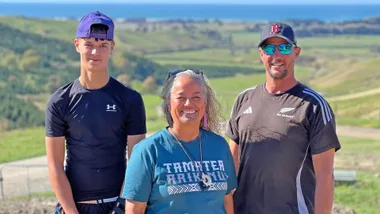
Natalie also leaned on the support of her mum Jenni Hampshire and mother-in-law Lynda Leach, acknowledging the importance of Lynda not only supporting her writing, but also “always validating how intense my experience has been”.
As she prepares for a book event at the end of this month with Endo Warriors Aotearoa in Wellington, Natalie has sage advice for anyone diagnosed with endometriosis.
She concludes, “The most important thing to know is you’re not alone and, however you’re feeling right now, you’re valid. Take it day by day and do the little things you know are going to help to bring you joy.”
Endo Empathy ($35, Mary Egan Publishing) is now on shelves.

Related stories
Native ad body.
Native ad body.
Native ad body.