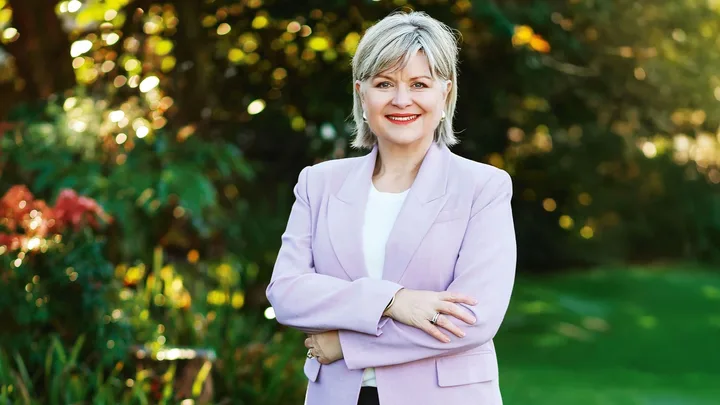
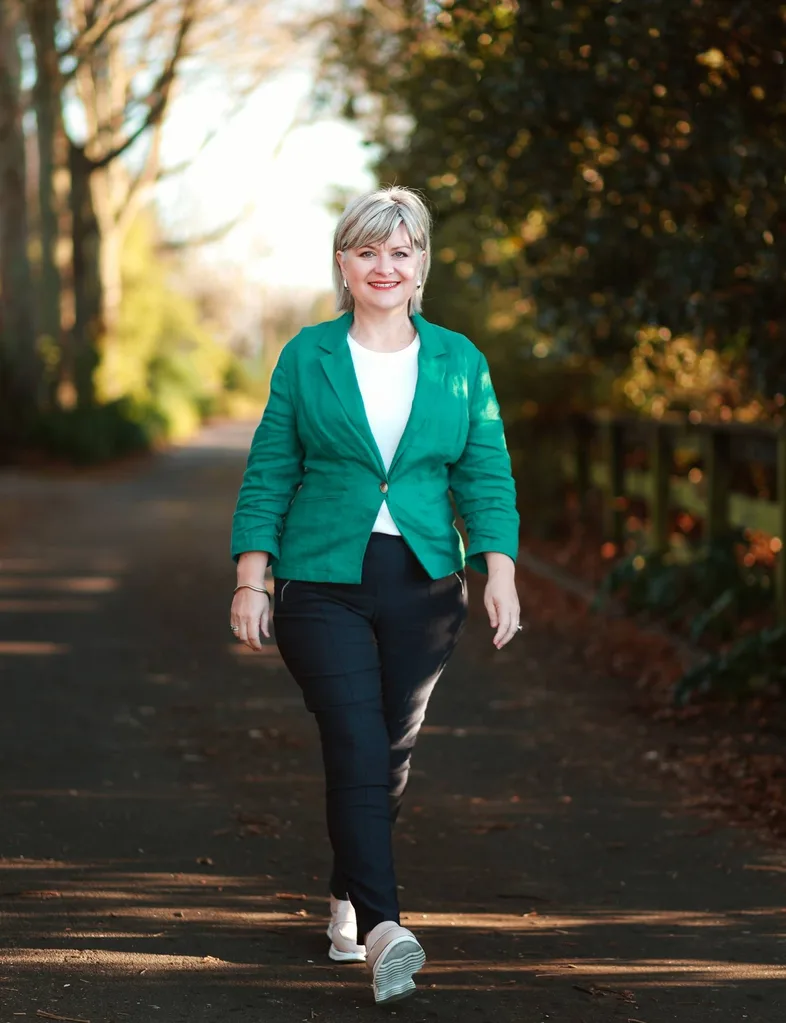
For the past 20 years, cancer has shadowed Nicola Coom’s life, taking her mother, aunt, cousin and grandparents. It has also threatened her own life, leading to a preventative double mastectomy and the removal of her ovaries.
But that only makes the Cancer Society NZ CEO more determined than ever to prevent others from experiencing the heartbreak and loss her own family has.
A family history of cancer
“This role is deeply personal for me,” shares Nicola, 49.
“When cancer has touched your life as much as it has mine and my family’s, you carry that experience and it drives you to change things.”
It began when genetic testing showed Nicola’s mum Judy carried the BRCA1 gene mutation, which dramatically increases the odds of developing breast and ovarian cancer. Her sister and cousin had already been diagnosed with terminal ovarian cancer.
At the time, very little was known in New Zealand about it, so years passed before Judy decided to have her ovaries preventatively removed. Nicola says she will never forget what happened next.
“Dad rang straight after the operation and said, ‘They couldn’t do it. It’s too late, too advanced – she’s already got it,’” she recalls.
Despite living without symptoms, terminal stage four ovarian cancer was the diagnosis.
Living with regret
“I wasn’t really worried for my mum when she first tested positive, but I wish I was,” she admits.
“I wish we’d been more proactive and that we knew more. “If we had, Mum would be a really fun, active nana right now. But she’s not because we didn’t have the information. We didn’t act soon enough and it was too late.”
In 2009, Nicola also tested positive for the BRCA1 gene – there’s a 50 percent chance of inheriting it – and decided she would do anything to reduce her cancer risk and preventatively “have everything removed”.
Nicola remembers, “Everyone kept saying, ‘You’re so brave.’ But I didn’t feel brave at all. My mum was really sick and I had the ability to ensure I didn’t end up in the same situation. It was a simple decision for me to reduce my cancer risk.”

A shcoking discovery after surgery
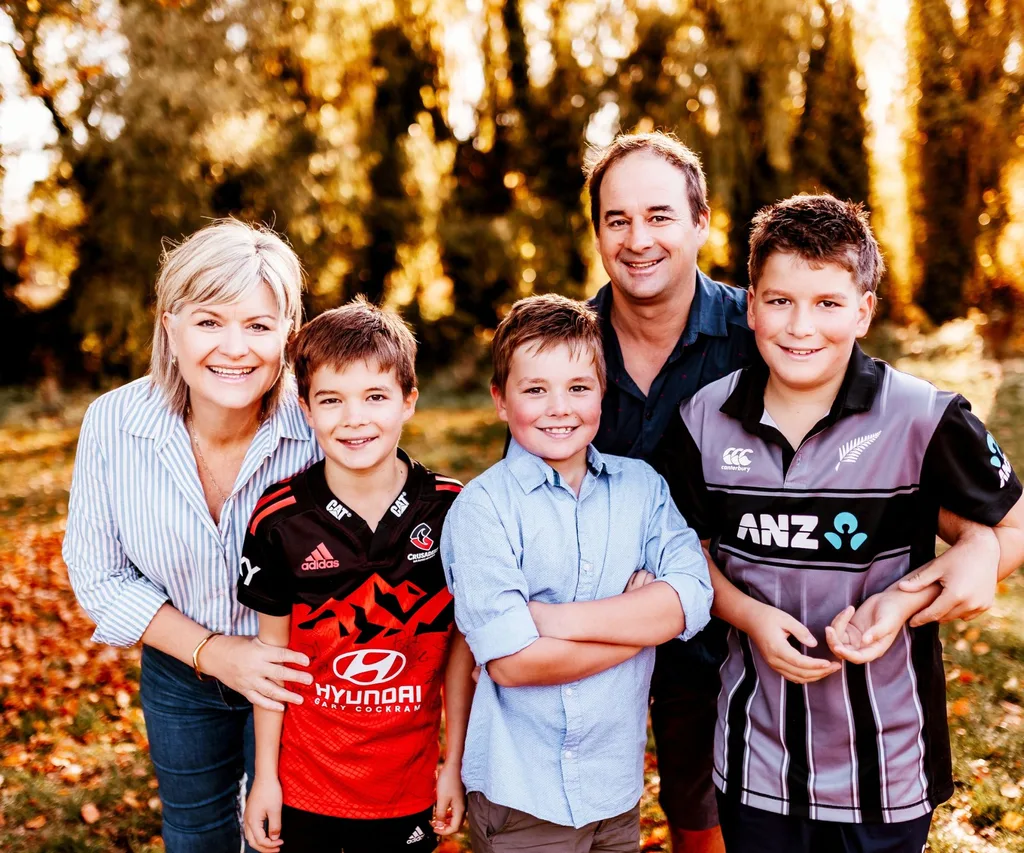
After her double mastectomy surgery, doctors discovered non-invasive, early-stage breast cancer, requiring no further treatment. Knowing she also needed to have her ovaries removed, Nicola and her now-husband Shaun Aitken, 47, decided to start a family quickly, having three sons in three years.
At 41, she had her ovaries removed, triggering medical menopause. All the while, encouraged by her mother’s unwavering support, Nicola was deeply involved in cancer advocacy, running a New Zealand support group.
“Mum used to say, ‘Nic, if you’re not prepared to get out there and talk about it, step aside so someone else can.’ That’s the voice I carry with me,” she smiles.
A bittersweet wedding day
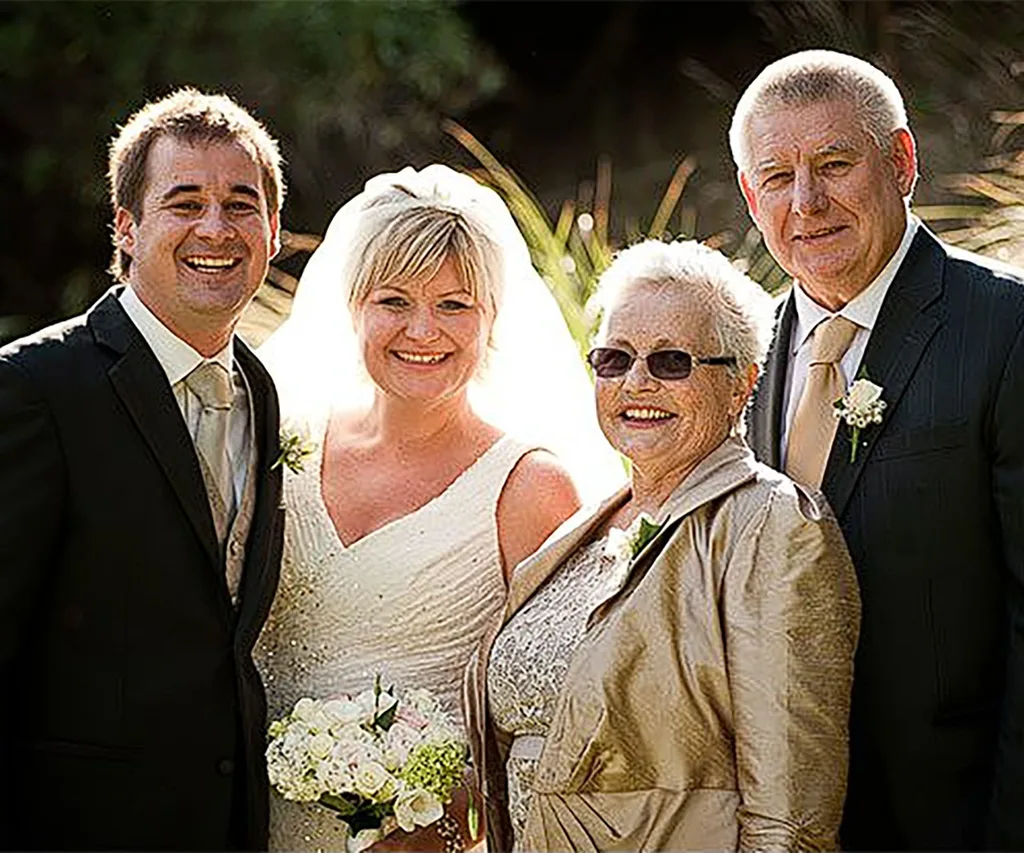
One of the hardest moments came on the eve of Nicola’s wedding when her dad Graeme, who’s recently undergone treatment for prostate cancer, broke the devastating news her mum was too ill to attend.
Defying all odds, she unexpectedly arrived to walk Nicola down the aisle.
“I was so proud of her,” says Nicola, who was then pregnant with her first son Lochie, now 13.
“She was struggling so much, but she mustered all her energy and did that for me. She went back to bed after the ceremony and that was the last time she got out of bed before she passed away a few weeks later.”
Putting prevention first
Now Nicola, who’s also mum to Toby, 12, and Ben, 10, lives with prevention front of mind.
“Through my role, I’ve been exposed to a lot of good research and evidence, and made a lot of changes in the past three years because of an absolute desire to reduce my cancer risk.”
She’s lost 30kg, stopped drinking, and prioritised her sleep and exercise. Speaking to the Weekly ahead of Daffodil Day on August 29, Nicola’s optimistic. Believing in the potential for New Zealand to one day be a global leader in cancer prevention and treatment.
“It’s doable,” she shares.
“Cervical cancer is one I want to see eliminated in my lifetime. The screening and vaccinations to achieve it are available. We need to make them more accessible. “My biggest challenge is logging off because I know today someone is going to be diagnosed and tomorrow someone is going to die. “I don’t mean to sound dramatic, but it’s the reality – and that’s why I want us to do more and be better.”
Fuelled by loss, focused by hope
Fuelled by loss but focused on hope, Nicola’s channelling everything she’s learned into helping others.
“I feel really lucky I had choices,” she says.
“Now my focus is on ensuring my children, their children, our communities and future generations have even better options than I had.”
To volunteer, fundraise or donate this Daffodil Day, visit daffodilday.org.nz