If you were a teenager or young adult in the late 1970s or ’80s in New Zealand, chances are you spent your Sunday nights watching the coolest show on TV, Radio With Pictures.
Incredibly, it’s been 50 years since RWP first appeared on our screens. Here’s a look back at the iconic show that played music you often couldn’t hear anywhere else and shaped the tastes of a generation of Kiwis.
In the beginning
In 1976, TV2 decided to play free music videos supplied by record companies – many of them considered unusable in prime time (think the Sex Pistols and The Stranglers) – in a late-night show aptly named Radio With Pictures.
RWP had no budget, so it had no host. It started with 13 half-hour episodes, featuring a New Zealand act every week. The final episode of that first series was devoted entirely to Kiwi music and the show would go on to bring bands like The Chills and Toy Love into homes around the country.
The mtv connection
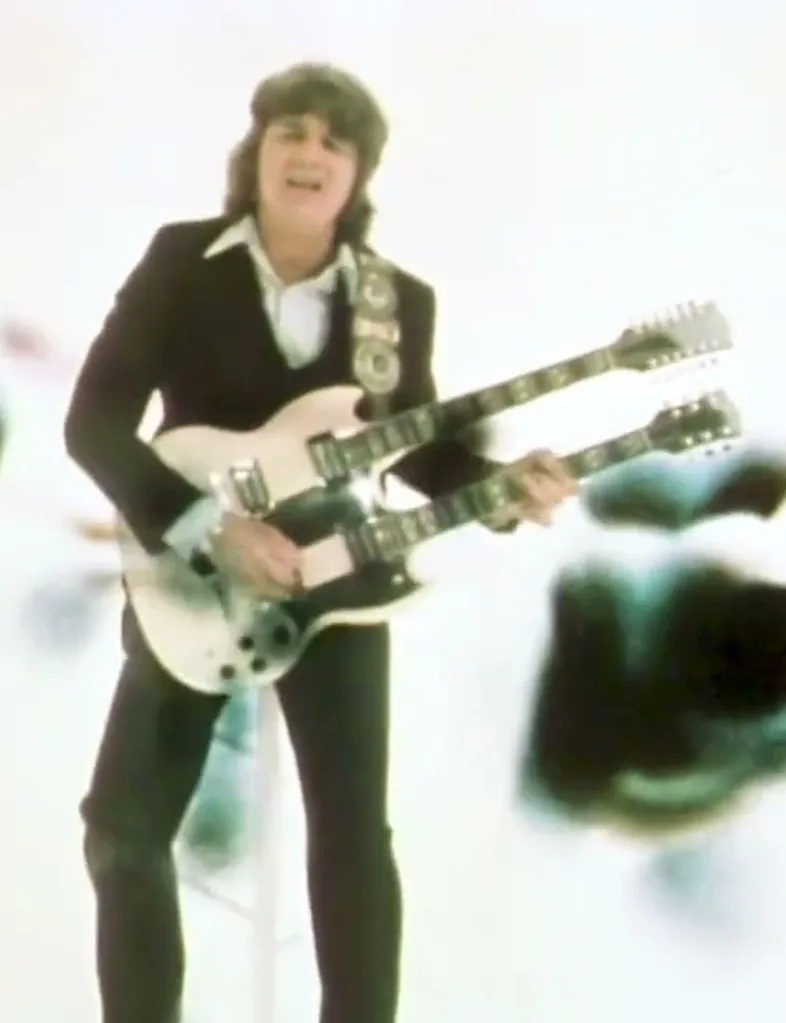
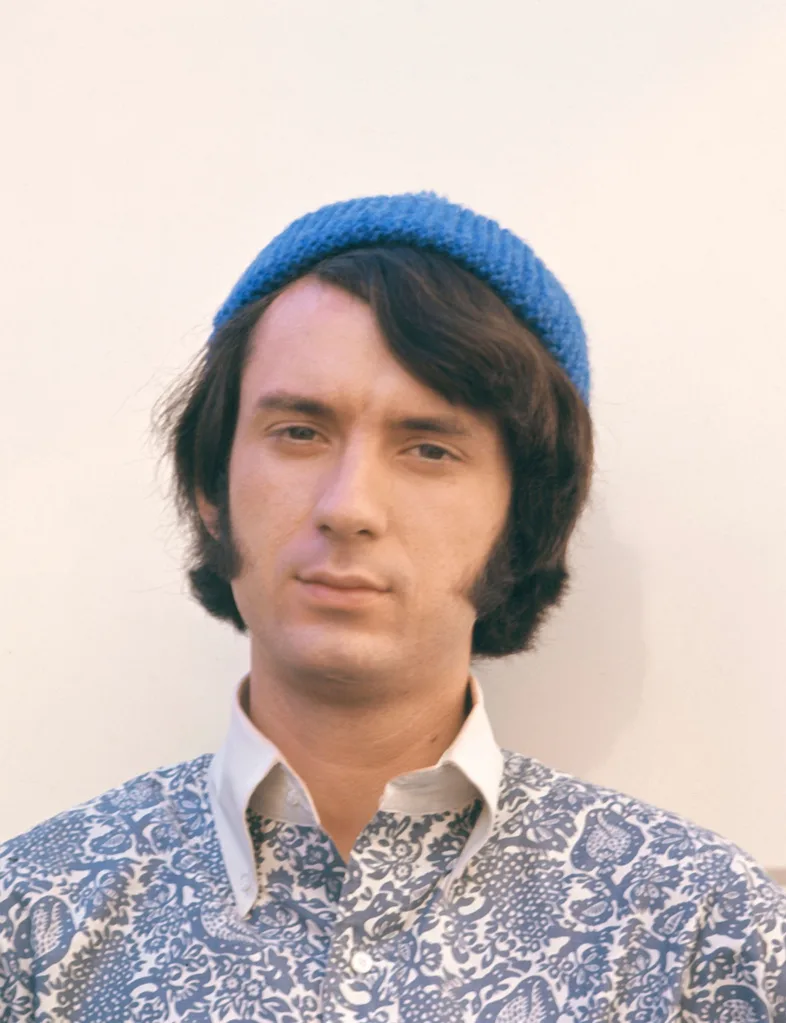
Apparently, Mike Nesmith of The Monkees saw an episode of that first series while on a solo tour of New Zealand. He spotted the potential in a TV show consisting purely of music videos and, back in the US, created a similar programme called PopClips. In 1980, the show sold to entertainment conglomerate Time Warner and by 1981, it had been reborn as MTV.
Good evening, citizens
In 1977, RWP was given a small budget, which meant it could afford a host. The job went to gravelly-voiced Radio Hauraki DJ Barry Jenkin, aka Dr Rock.
Barry, who started each episode with the catchphrase, “Good evening, citizens,” championed alternative music and RWP became known for its eclectic mix of genres, as well as interviewing local and visiting performers.
After three years, Barry moved on and DJ Phil O’Brien performed a short stint as host. He was replaced in 1981 by Hauraki’s evening host Karyn Hay.
The Hay days
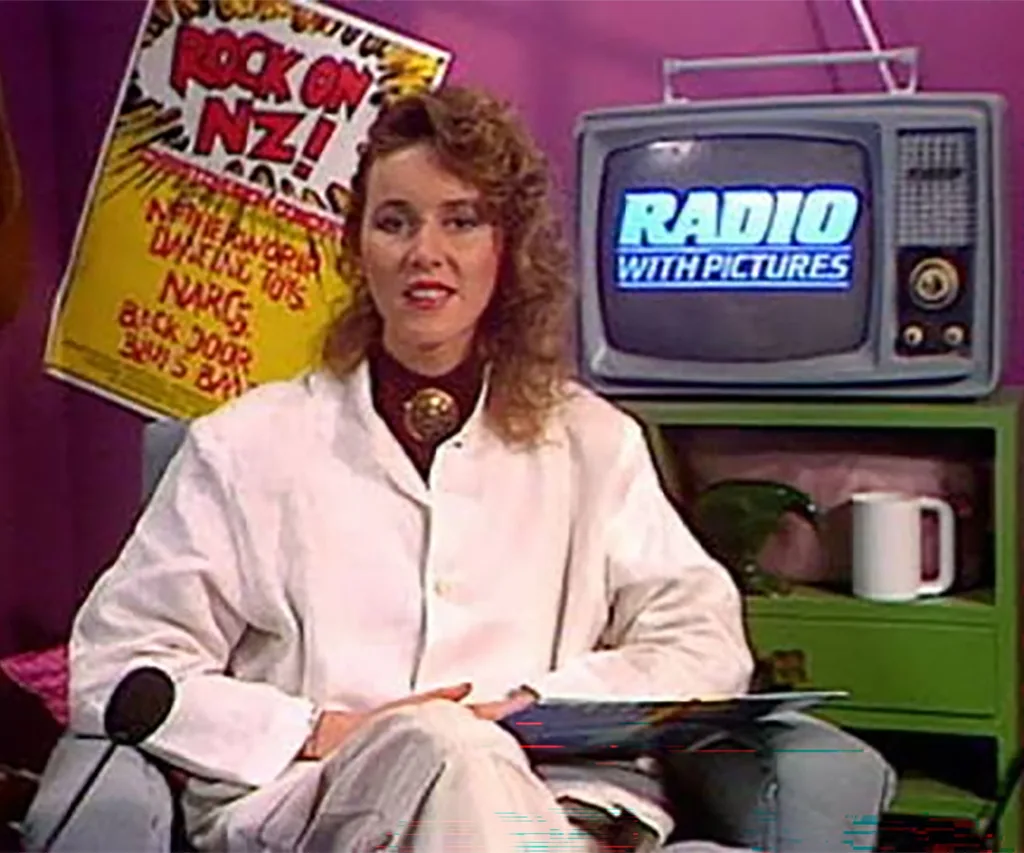
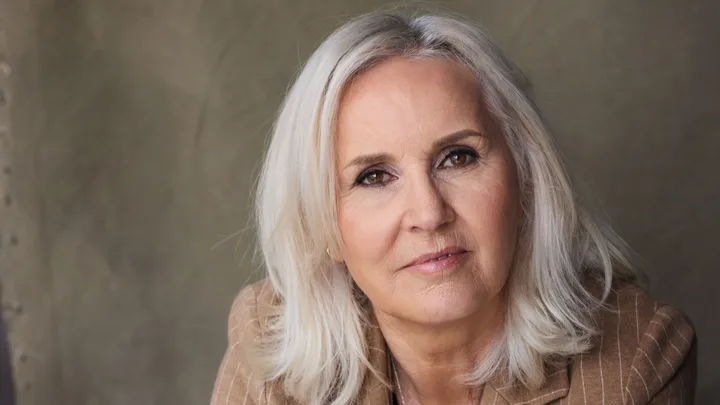
Karyn, 67, says RWP is the best job she’s ever had, which she credits to the team that worked behind the scenes.
“There were no rules, we were left to ourselves and could do what we wanted,” she recalls.


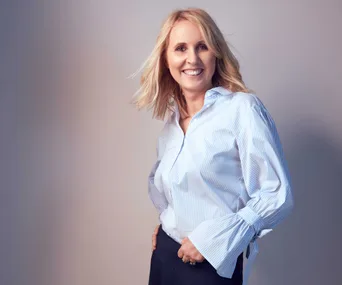
“It was a group of people who were authentic, who loved music, and the art and craft of music videos. “As well as the music, we were seeing this whole art of short filmmaking – everything from Chris Knox doing homemade Flying Nun videos, which were brilliant pieces of art, through to stuff that was high tech at the time from someone like Peter Gabriel. It was really exciting.”
She interviewed many acts, both international and local (including Andrew Fagan of The Mockers, who she ended up marrying).
“New Zealand musicians were always a challenge because they weren’t used to being on TV and were exceptionally wooden.”
Joan Armatrading was one of her favourite interviewees.
“She was unwell but she was such a trouper. I really loved talking to her.”
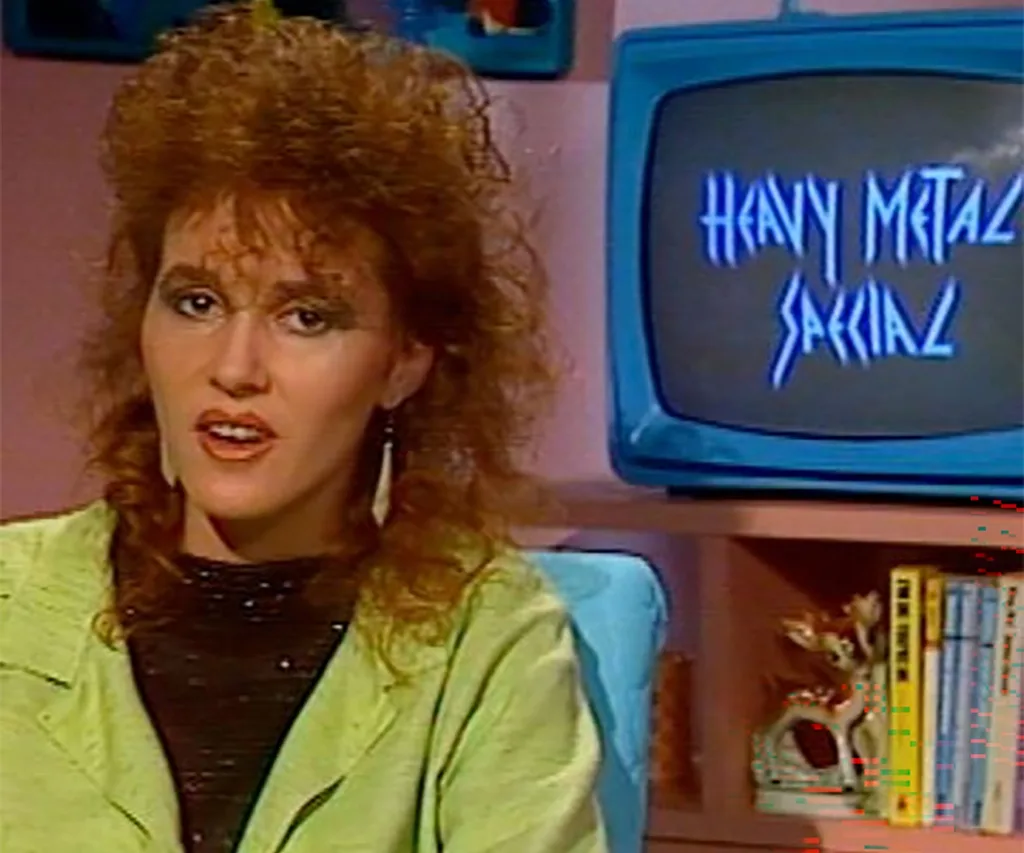
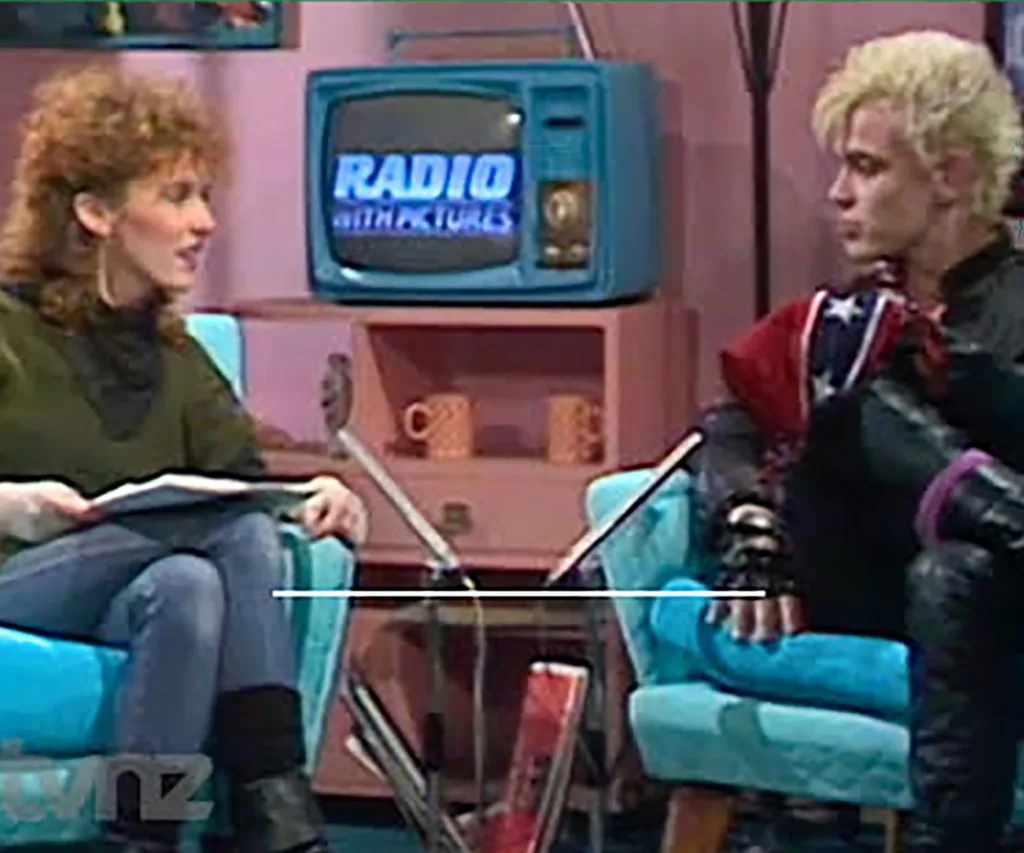
The Billy Idol interview she’ll never forget
Then there was the infamous encounter with Billy Idol, who she says was hostile and arrogant.
“That was my least favourite interview. I was trying to be professional and in the break, he leaned over and said, ‘Why won’t you look me in the eye?’ I thought, What’s he talking about? He said, ‘Are you afraid it’s going to get hotter than it already is?’ There was nothing I could really say to that.”
Karyn thinks RWP struck a chord with a generation of Kiwis because “it was for us. It was one of the few things that was for youth back then and it had that counter-culture anarchic feel to it. It was part of people’s formative years”.
Despite it being 40 years since she left RWP and a long career as a broadcaster, writer and novelist, the show is still what she’s known for.
“There’s not a week that goes by that people don’t say that they remember me from Radio With Pictures. I also get, ‘Didn’t you use to be Karyn Hay?’”
The last years
After Karyn left in 1986, former Hip Singles and Blam Blam Blam singer Dick Driver (later known as Richard) took over. Shortly afterwards, it was taken off air after a clash between TVNZ and the Recording Industry Association of NZ (RIANZ), which wanted the network to pay for playing music clips. TVNZ refused.
Eventually, the issue was sorted out and RWP returned at the end of 1986, but it only lasted three years before being cancelled.