





What should have been the best years of their lives became the stuff of nightmares. These shocking true crime cases reveal the disturbing underbelly of American university life, where violence, tragedy and dangerous traditions left lasting scars.
The Idaho student stabbings

A night of unimaginable horror
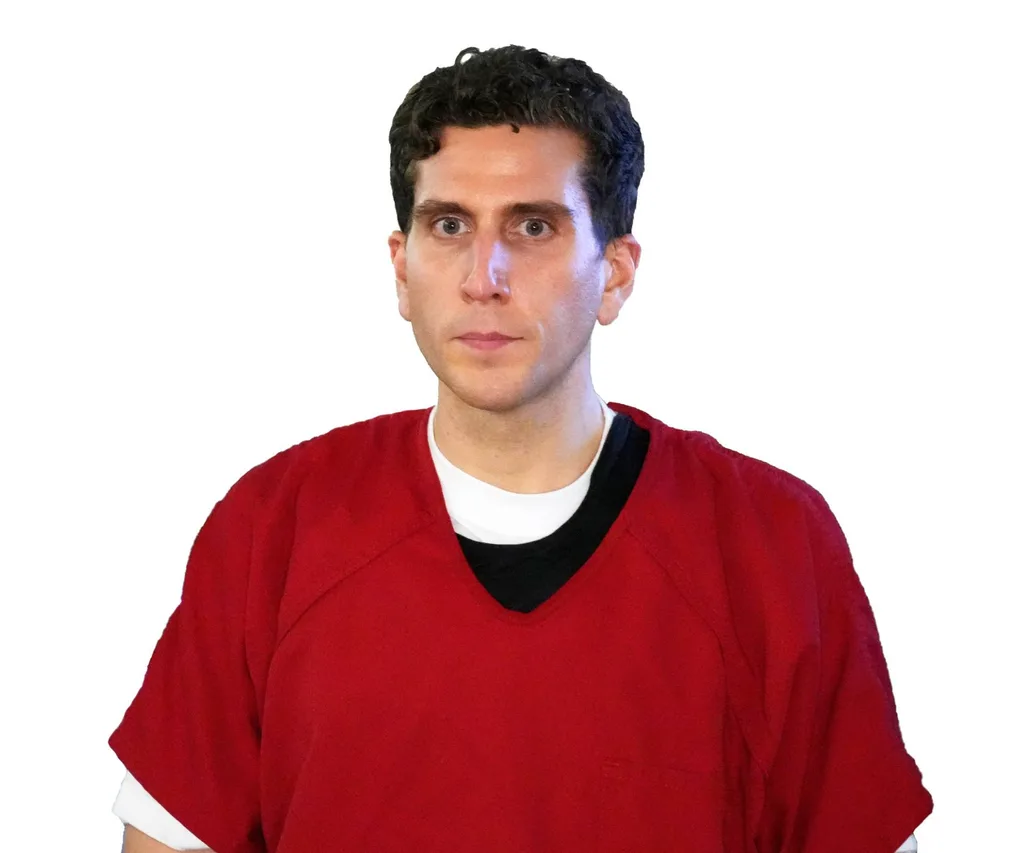
University of Idaho students and flatmates Kaylee Goncalves, Madison Mogen and Xana Kernodle had their whole lives ahead of them – until a seemingly random attack cut short their dreams. In a case that shocked the world, the girls’ three-storey off-campus home in Latah County became a horrific crime scene on 13 November 2022, when an intruder fatally stabbed them all, as well as Xana’s boyfriend Ethan Chapin. The culprit was Bryan Kohberger, who was only found and arrested after a six-week US-wide manhunt.
Two other housemates, Bethany Funke and Dylan Mortensen, were home at the time and exchanged frantic text messages about a possible masked intruder. They also called and texted the other female flatmates, not knowing they’d already been ruthlessly murdered.

Questions that remain unanswered
Kaylee, a member of the Alpha Phi sorority, and Madison, a sister at Pi Beta Phi, were both 21 and had been best friends since childhood. Kaylee’s dad Steven said, “They went to high school together, started looking at colleges and got into the same apartment together. And in the end, they died together.”
For 30 months, Kohberger, a former PhD student of criminology, had protested his innocence – until he changed his plea to guilty in June 2025 to avoid the death penalty. He’s never given a motive for the brutal killings, nor a reason why he targeted these students but spared their flatmates.
A mother’s plea for answers
Recently, Kaylee’s mum Kristi made this emotional plea to Kohberger to explain why he stabbed her daughter 38 times: “I’m a mother and you have a mother too. Can you please just tell me why?”
Co-workers and cellmates described Kohberger as “annoying” and “socially awkward”. While studying at the nearby Washington State University, he’d also been reprimanded multiple times for inappropriate and troubling behaviour on campus.
One woman, who believed she had matched with Kohberger on Tinder just months before the murders, told police they had some discussions that made her “uncomfortable” and led to her cutting contact. During one chat about horror movies, Kohberger asked what she thought would be the “worst way to die”.
He is serving four life sentences without parole.
The Chi Omega slaughters




A night of terror
The most infamous of sorority house slayings is the tragedy that unfolded just outside the Florida State University campus on 15 January 1978 and it remains one of US history’s most chilling cases. Serial killer Ted Bundy had already been on a murderous spree for four years and was on the run from authorities when he arrived at the Chi Omega house in the early hours of the morning, a faulty lock on the back door allowing him to break in. Within 15 minutes, two young women sleeping inside had been slain.
Margaret Bowman, only 21 years old, was beaten with a log Bundy had found in the firewood pile outside. He then choked her to death with a nylon stocking. Moving across the hall, Bundy bludgeoned and strangled her sorority sister Lisa Levy, who he then brutally sexually assaulted.

Haunted by that night
That same night, roommates Kathy Kleiner and Karen Chandler survived a frenzied attack from Bundy, but the ordeal left a lifetime of scars. Decades later, Karen recalled how she’d had “pretty much every bone” in her face broken, while Kathy had her jaw broken in three places.
“I remember squinting into the dark and seeing this black shadow standing above me,” Kathy, now 68, says of that horrific night.
“The next thing I see, he raises his arm up over his head and slams something down on my face.”
Bundy was executed in the electric chair in 1989.
Death by hazing
Pledging to join a frat house can also have deadly consequences

A tradition turned deadly
At the Beta Theta Pi fraternity at Penn State University, it was a common practice for eager pledges to “run the gauntlet” – that is, scull a disturbing number of alcoholic drinks in front of their future “brothers”.
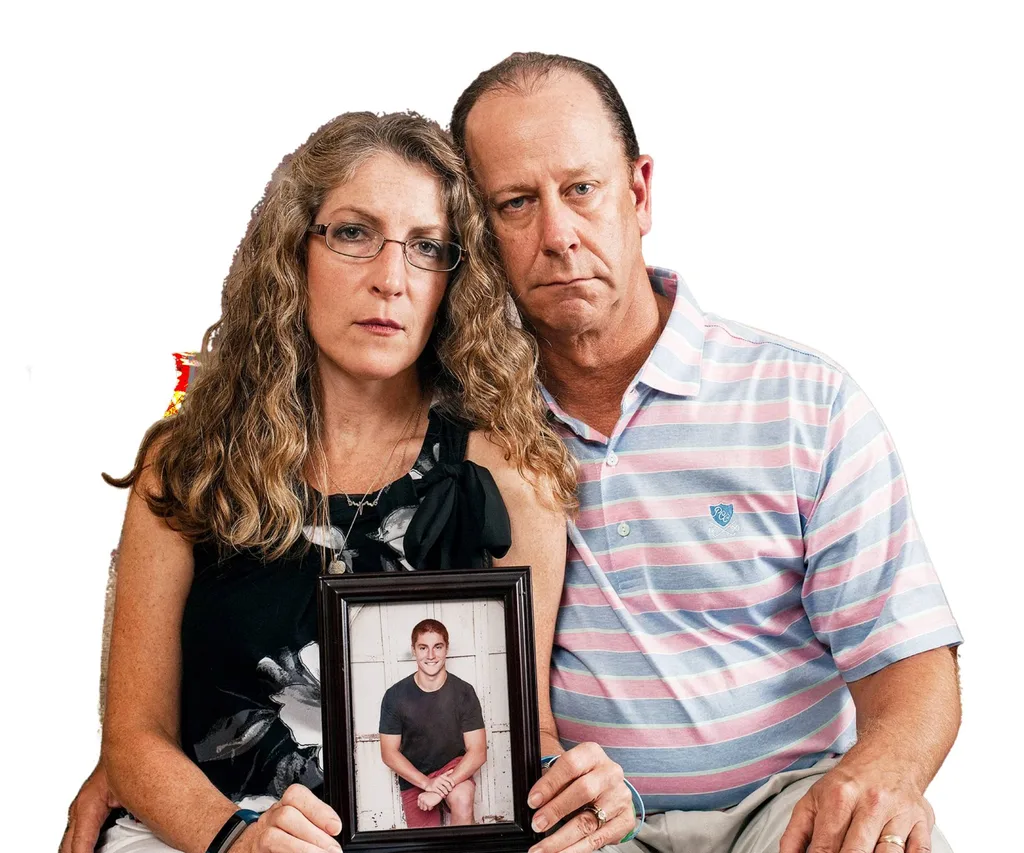
In February 2017, 19-year-old Tim Piazza was one of 14 pledges attempting the dangerous challenge – only his attempt ended in unimaginable tragedy.
Tim fell down the steps of the frat house’s basement, fracturing his skull, rupturing his spleen and sustaining traumatic brain injuries. It took the fraternity members 12 hours to call for medical help and he died soon after.
The texts that told the story
In a group text message that was later revealed, one of the frat members had written just before midnight, “Also, Tim Piazza might actually be a problem. He fell 15 feet down a flight of stairs, head-first. Going to need help.”
The FBI later recovered a surveillance video they believed had been purposely deleted. In the footage, Tim was given at least 18 drinks in just over an hour before his fatal fall. Penn State permanently banned the fraternity from operating. Eighteen students were charged in connection with Tim’s death and hazing is now banned in US campuses.



Share this post