




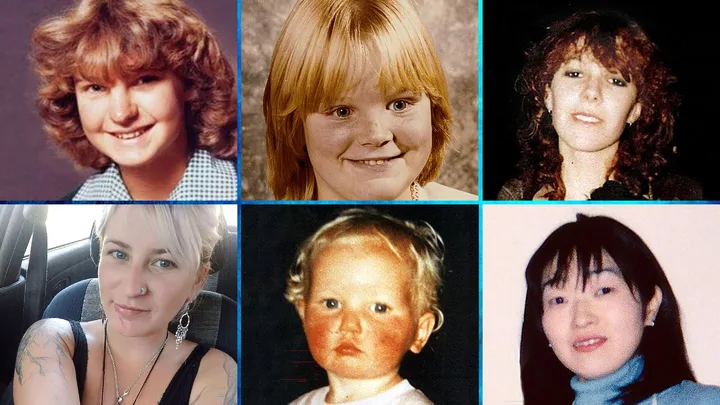
They’re six very different lives which, had they continued, would likely never have crossed paths. A teenage schoolgirl happily riding her horse in Hawke’s Bay, a toddler innocently exploring a friend’s country garden, a Japanese tourist walking in Auckland’s CBD, a sex worker plying her trade on K Road, a six- year-old asleep next to her sister and a drug user driving in Marlborough’s wine country.
Yet what links the names of Kirsa Jensen, Amber-Lee Cruickshank, Kayo Matsuzawa, Jane Furlong, Alicia O’Reilly and Jessica Boyce is their unwanted place not just as likely murder victims, but on the even more painful list of those whose deaths or disappearances remain a mystery in New Zealand years afterwards.
For their families and the detectives still pursuing these shocking cold cases, the suffering, doubt, endless questions and hard, painstaking work continues. But so too does the hope of a breakthrough that will bring a killer to justice and let their victims rest in peace.
A mother still waiting
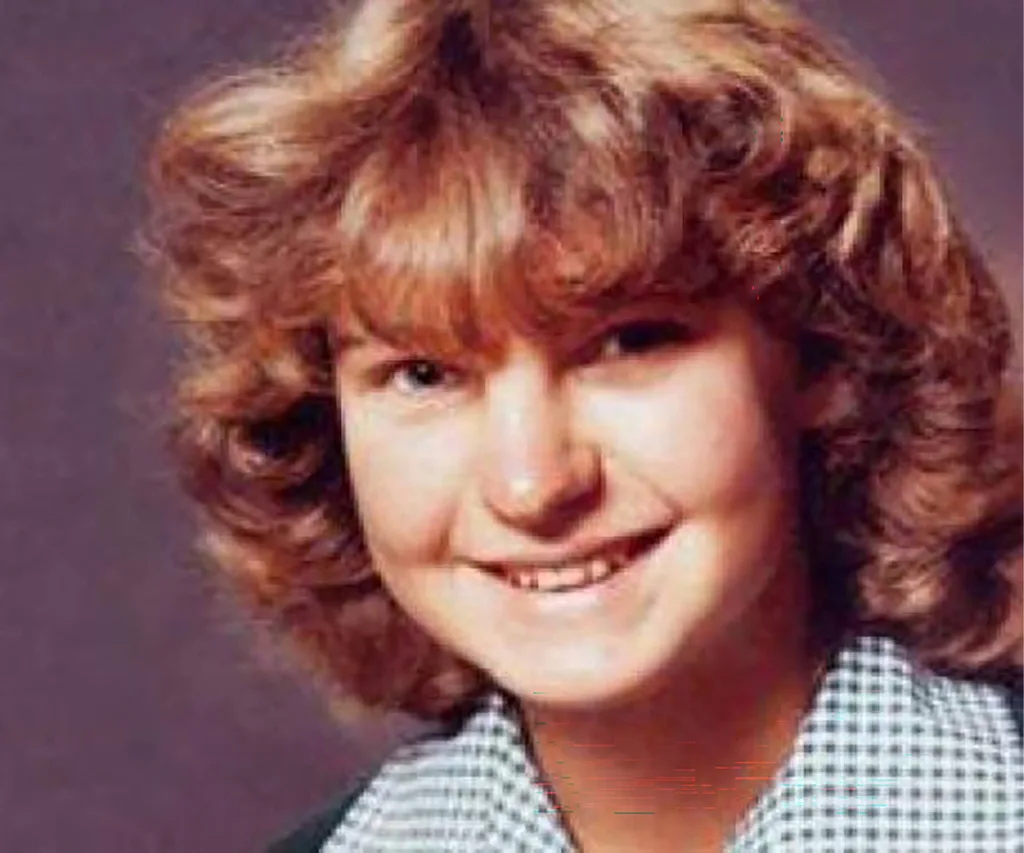
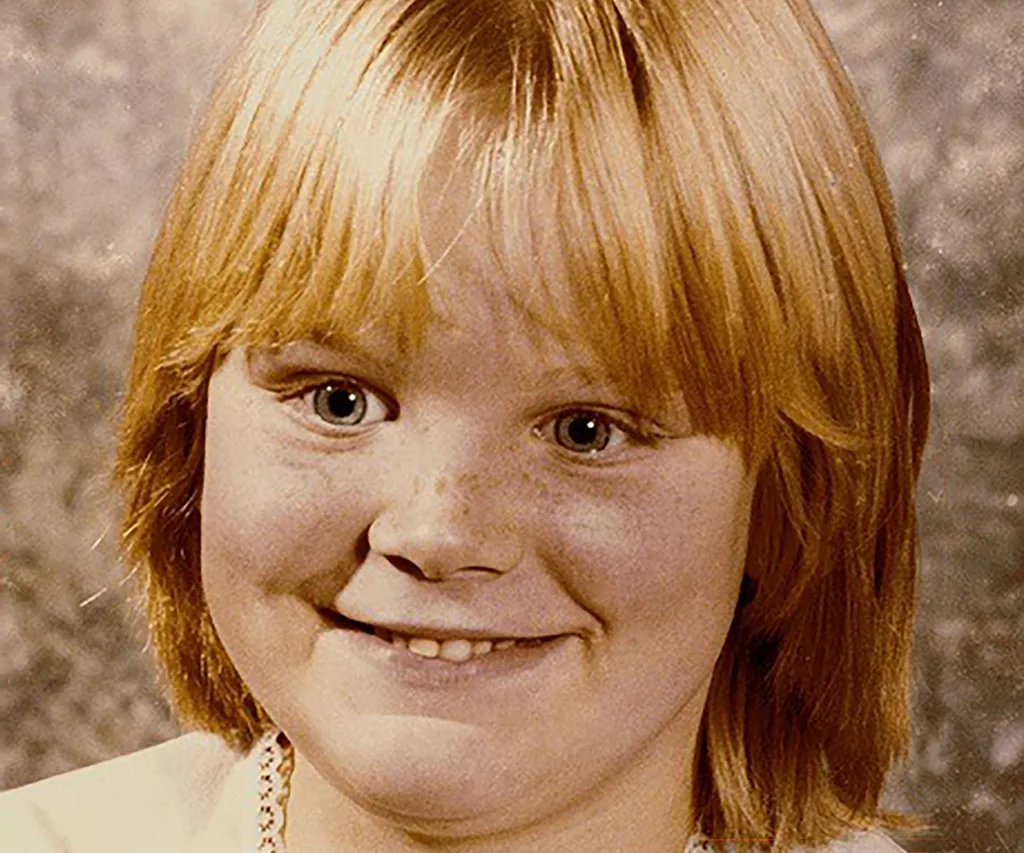
There was nothing in the life of 14-year-old Kirsa Jensen – daughter of Daniel, an Anglican church minister, and his schoolteacher wife Robyn – to indicate she knew anything much of the world’s dark side. As spring dawned in 1983, she was preparing to compete with her horse Commodore at Napier’s local A&P show and was saving money to train as a vet.
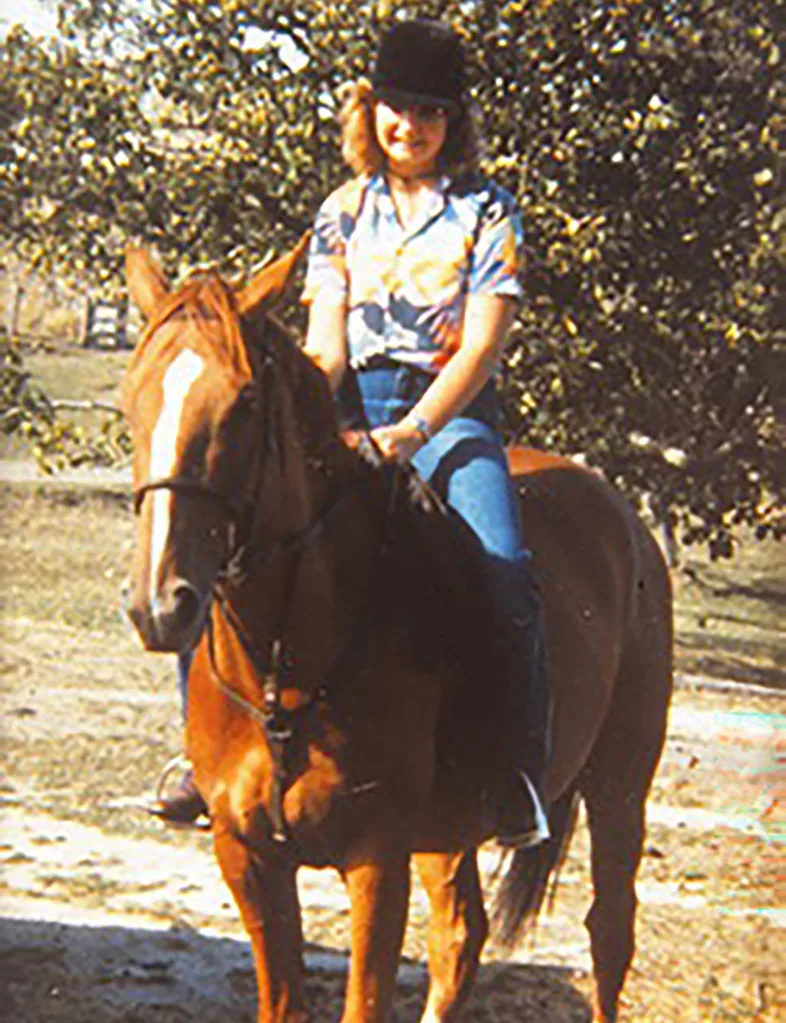
Kirsa’s last sighting
On the afternoon of 1 September, under clear blue skies, she and Commodore set out on a familiar ride to Awatoto Beach. When Kirsa didn’t return home by 5pm, Robyn called the police and a search began, which continues to this day, more than 42 years later. While her horse was tied up to an old World War II gun emplacement with a rope speckled with Kirsa’s blood, there was no sign of her.
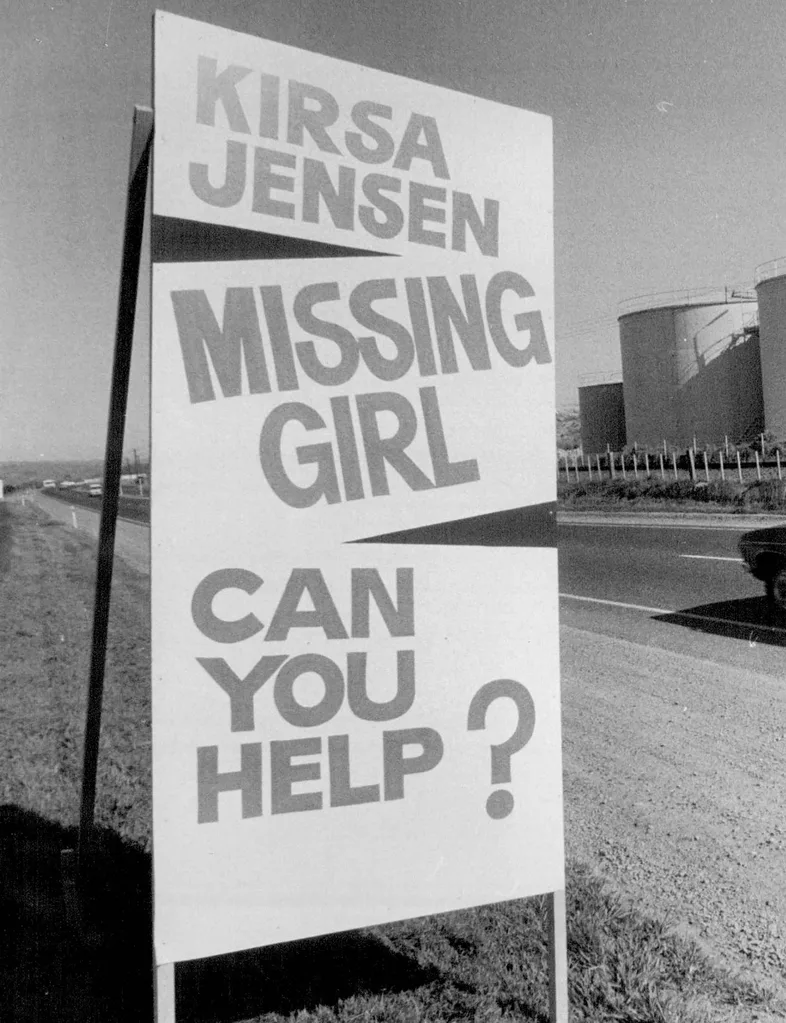
The biggest breakthrough, it seemed, came within days thanks to 32-year-old orchard manager John Russell, who said he’d been worried seeing Kirsa talking to a bald, middle-aged man beside the gun emplacement, next to a white ute with wooden sides. He said he’d gone to talk to her and she told him she’d fallen from her horse. The bald man vanished.
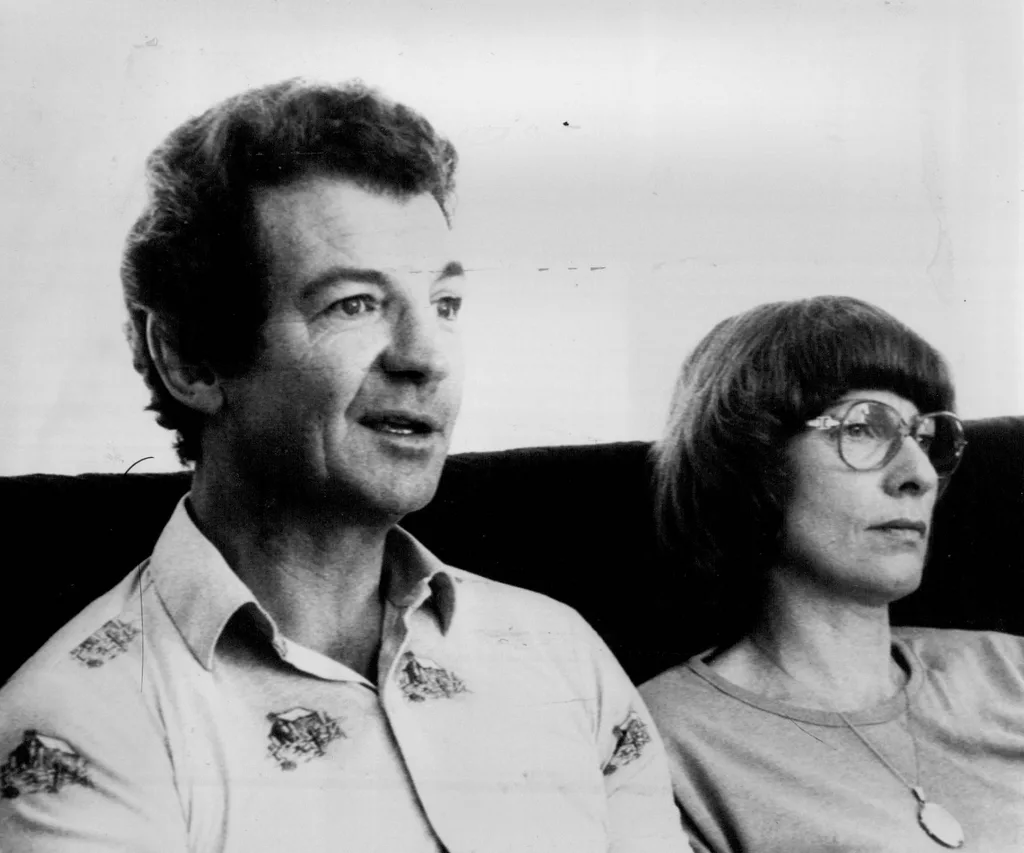
The man who almost confessed
When police realised Russell had been jailed for his part in a gang rape a decade earlier, he became a suspect, although his family and neighbours reported he had come home only minutes after the last sighting. Eventually, he admitted the rope had been in his possession. Two strands of golden-blonde hair with a high chance of being Kirsa’s were found in his car. But lawyers insisted there was not enough evidence to charge him. Although free, Russell became psychologically unstable, his marriage fell apart and, in 1985, he drove to a Wellington television studio apparently wanting to confess to the killing, only to deny it afterwards.
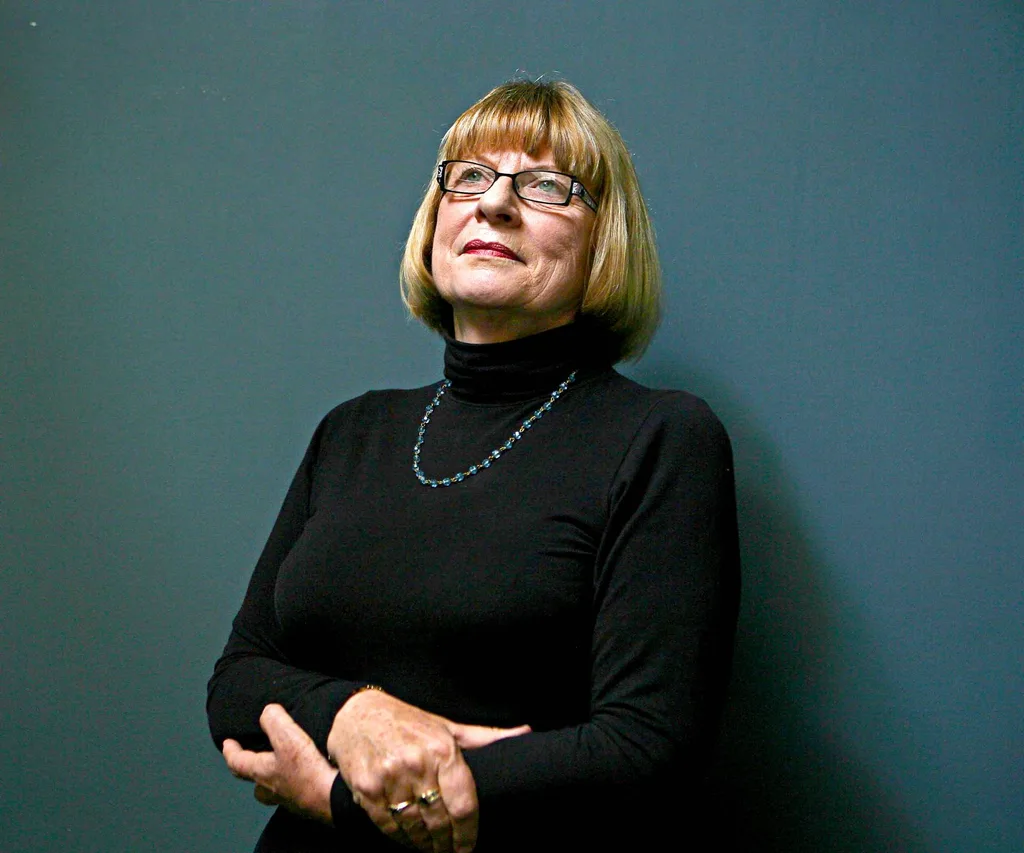
His condition spiralled and in 1992, after a period at Lake Alice psychiatric hospital, he committed suicide in a Hastings boarding house. Russell’s death solved little for Kirsa’s parents, whose own marriage crumbled under the strain. Ten years ago, Robyn told of her ongoing pain and her greatest wish of finding her daughter’s body, even reduced to a few bones. It would, she said, be “absolute joy and I would want to hold her, hold her close to me”.

A silent morning
A night that began like any other
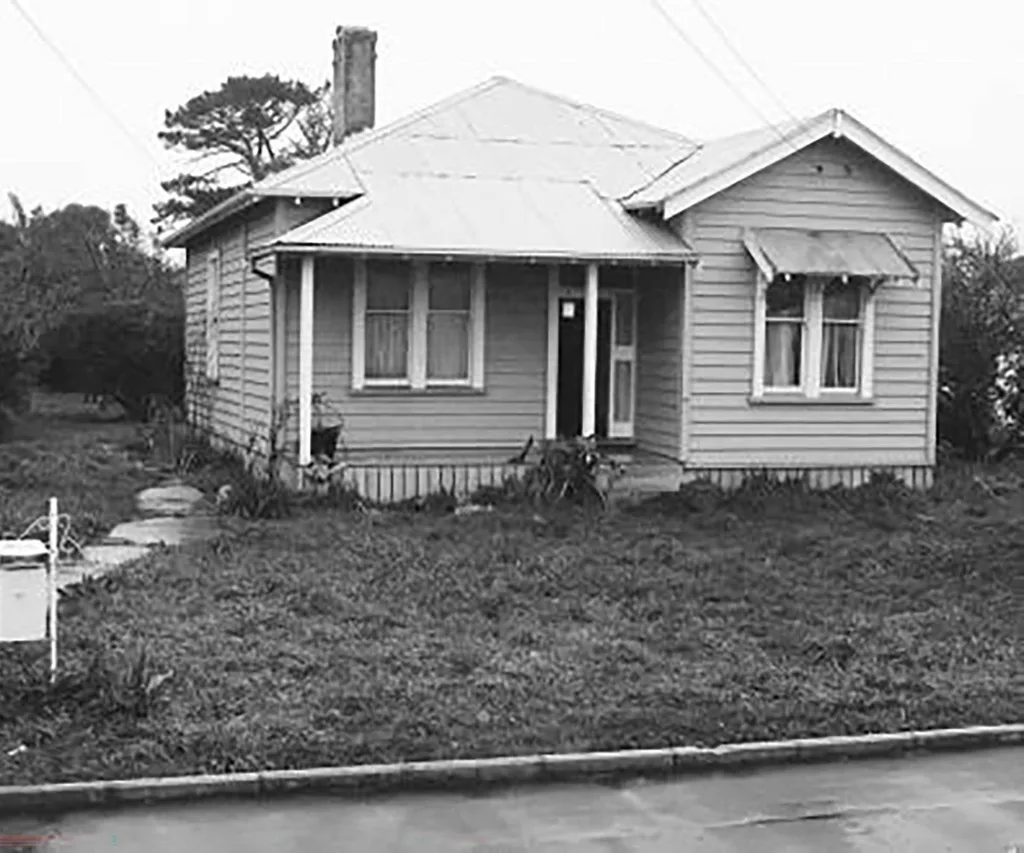
When six-year-old Alicia O’Reilly went to bed on 15 August 1980, she was wrapped in comforting imagery beloved of girls her age. A ballerina quilt and Paddington Bear sheets kept her cosy on the stormy winter’s night as rain pelted down on the tin roof of her mother Nancye’s council house in Avondale, Auckland.
After Alicia and her big sister Juliet, eight, spent the evening watching The Dukes Of Hazzard, Nancye tucked the girls in and settled down to watch a movie herself, with her boyfriend Nigel, flatmate Isobel and Isobel’s partner Jimmy.
The morning that changed everything
The young girls were fast asleep when their mum came into their room to kiss them goodnight. No one in the house could have had any inkling of the horror that was about to descend. At 7.30am the next day, Nancye saw Juliet playing with her dolls in the lounge, which was strange as Alicia was always the first up. But when she took a cup of tea and the newspaper back to bed, she could see Alicia under her blankets through the open door of the room across the hallway.
A shocking discovery
It was only some time later, when she asked visitor Jimmy to check on her youngest daughter, that Nancye saw his horrified expression as he called for Nigel to join him in the bedroom. Rushing in, she pulled back the blankets to find Alicia’s face purple and swollen. Blood soaked the Paddington Bear sheets.
A postmortem showed she had been suffocated and raped. Fingerprints didn’t match any of the 200,000 men in the police database at the time. Pubic hairs showed the killer was likely of Polynesian or Māori descent and suggested he worked in the ceramic or paint industry.
But with DNA testing not yet developed, analysis was limited and, inexplicably, swabs of semen were later destroyed. Only in 2020, when some of the swabs were discovered at the bottom of a box of evidence, was the case relaunched. But still there has been no breakthrough, despite being able to compare the samples against databases worldwide.
The horror still torments Nancye, who said, “I don’t think any of us can comprehend why an adult male would want to rape a six-year-old. She would have been petrified and that haunts me to this day.”
Skeleton in the sand
A childhood cut tragically short
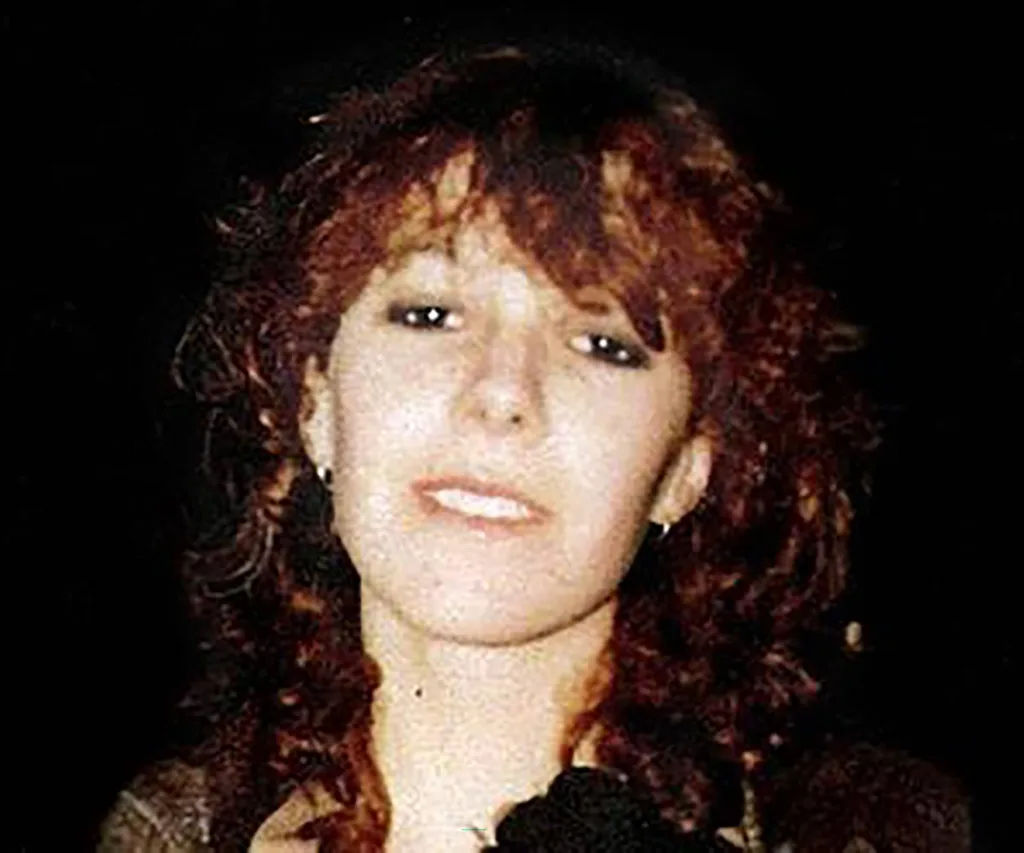
At just 17, the wide-eyed curiosity that once moved young Jayne Furlong to write streams of eloquent poetry had long since been blown away by the harsh realities of her turbulent life. An adventurous child, she struggled to cope after her parents Judith and Michael split when she was seven, and was later placed in foster care, then in a Whangārei boarding school, before hitchhiking to Auckland.
Sex work began at 15. She met her boyfriend Dani Norsworthy and gave birth to a son, Aidan, who went to live with Dani’s parents while Jayne returned to the streets. On 26 May 1993, she and Dani rode by taxi from their Onehunga flat to her habitual pitch outside the Rendells department store on Karangahape Road.
A dangerous web of connections
Dani would normally stay to jot down the registration plates of clients, but that night, he left to attend to a broken-down car. When Jayne hadn’t reappeared after an hour, he assumed she was with a client and went to see a friend nearby. Later, a witness would tell police they’d seen Jayne pursued into the Adam and Eve massage parlour by two “heavies”, who said she owed them money for drugs.
In fact, Jayne was due to testify against two gang members for an assault she’d witnessed. And she and Dani were involved in another investigation into a confrontation with a man called Wayne McGrath, in which a crossbow had been produced by an associate.
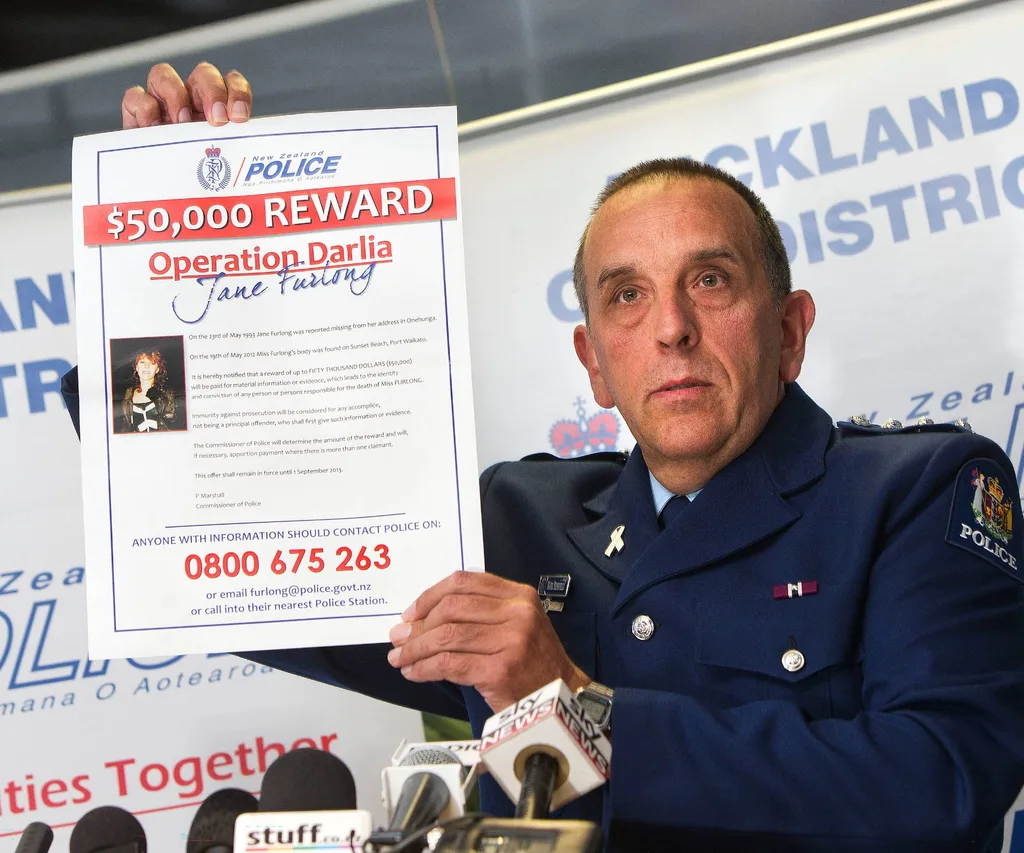
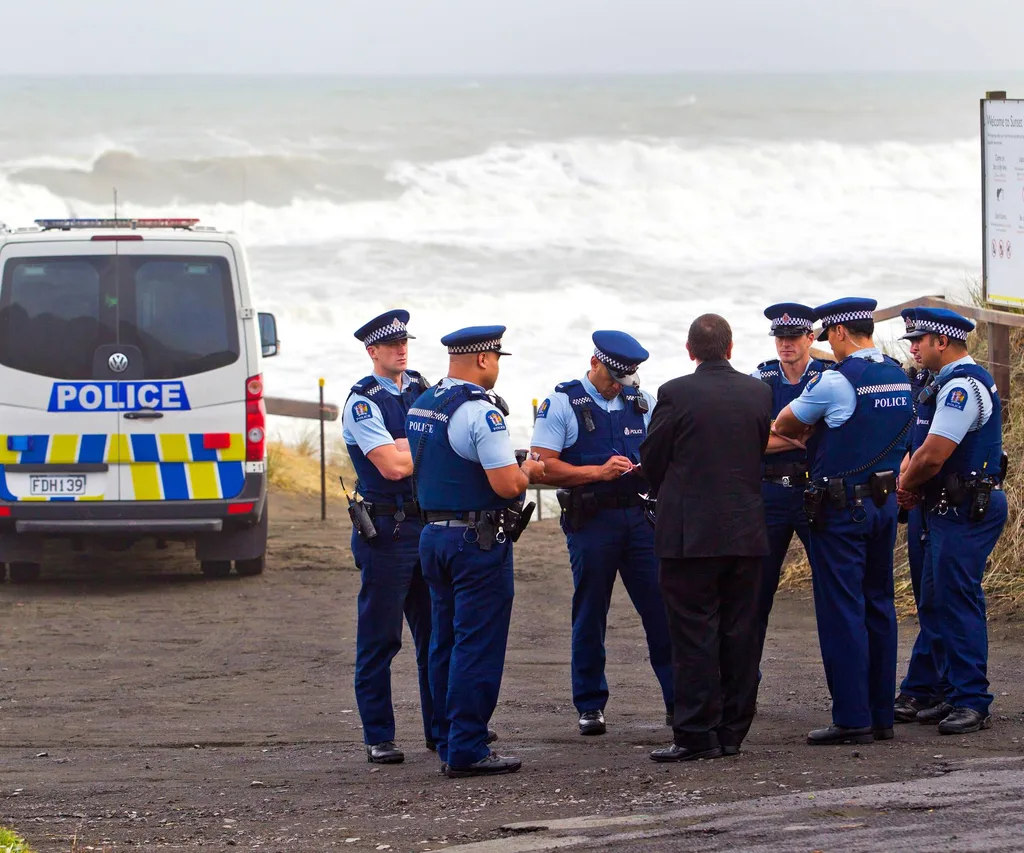
All this background meant that when Dani called police in a panic at 1am, they took Jayne’s disappearance very seriously, launching Operation Darlia and swarming over the couple’s flat for clues. But it would be 19 years before the search for Jayne was resolved, when a dog walker found her skeleton emerging from a sand dune at Sunset Beach in Port Waikato. Two months later, in July 2012, Dani and Aidan were pallbearers at Jayne’s long-delayed funeral.
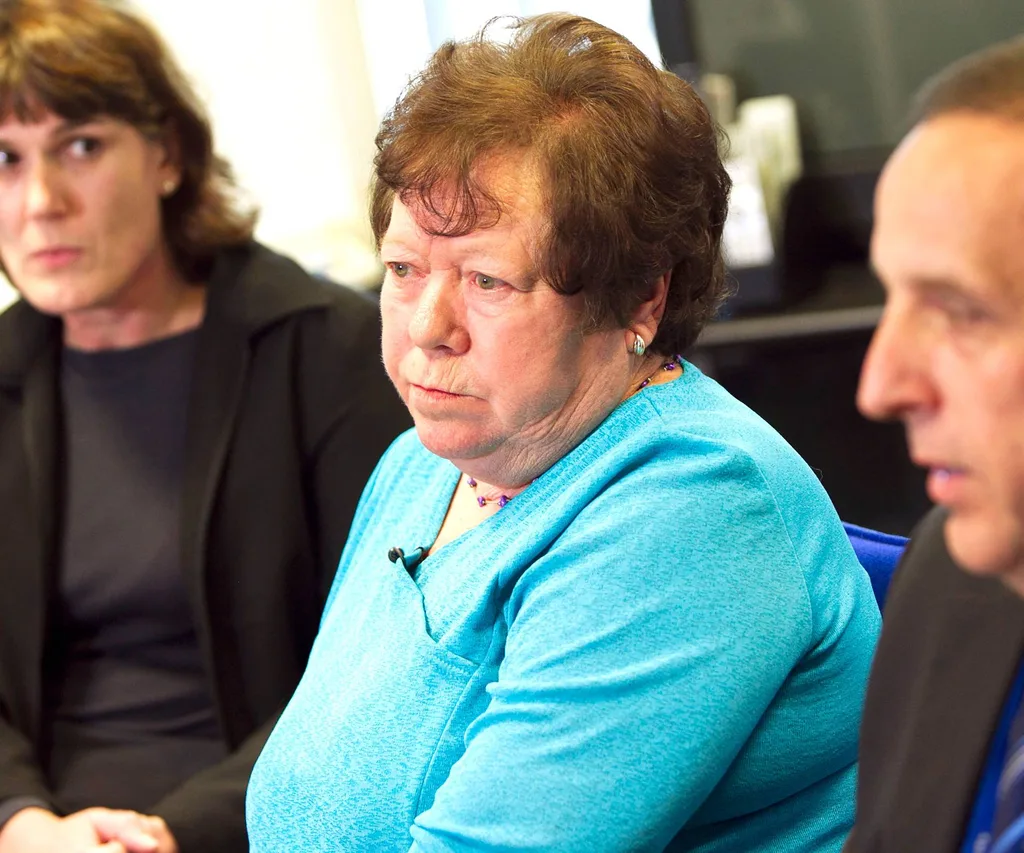
Dani, once regarded as a suspect and for many years hostile towards the police, died in 2022. But Judith still longs for the answer to Jayne’s brutal fate.
She said at her daughter’s funeral, “I hope to meet you in Heaven, where the truth will be revealed.”
The net is closing

Within a few months of 27-year-old Jessica Boyce’s disappearance in March 2019, detectives had a pretty clear idea of the circle of eight to 10 people they believed were involved in or knew about her killing.
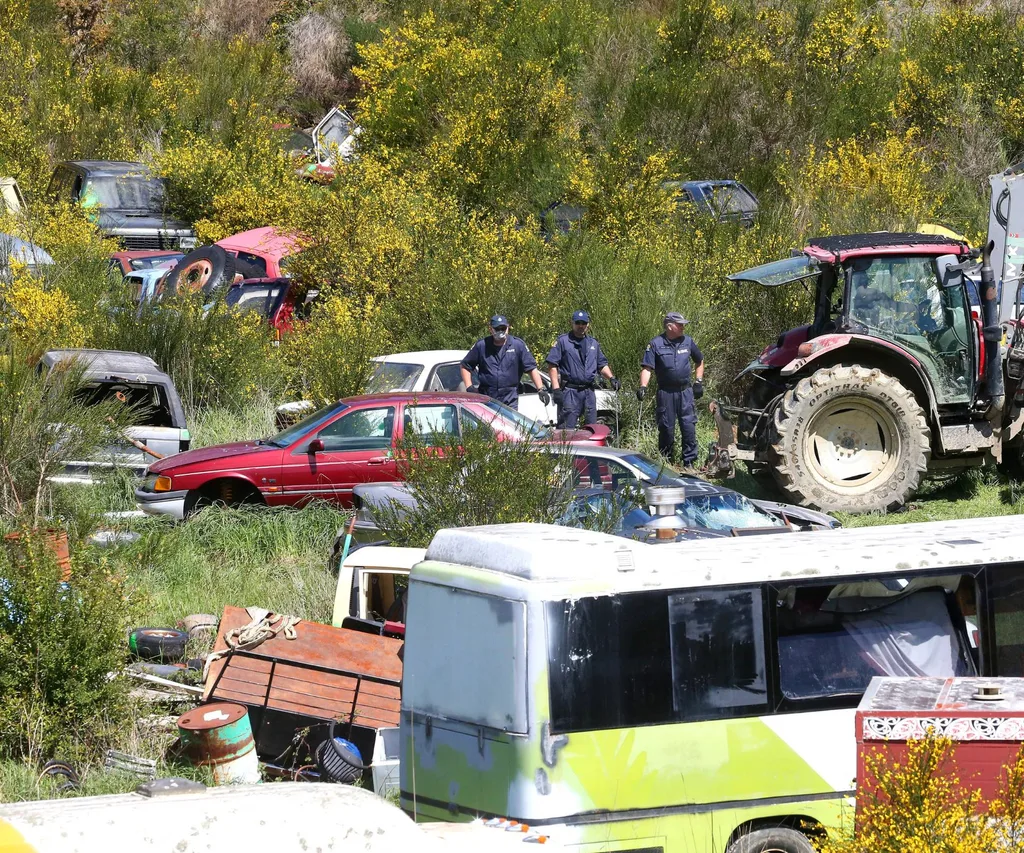
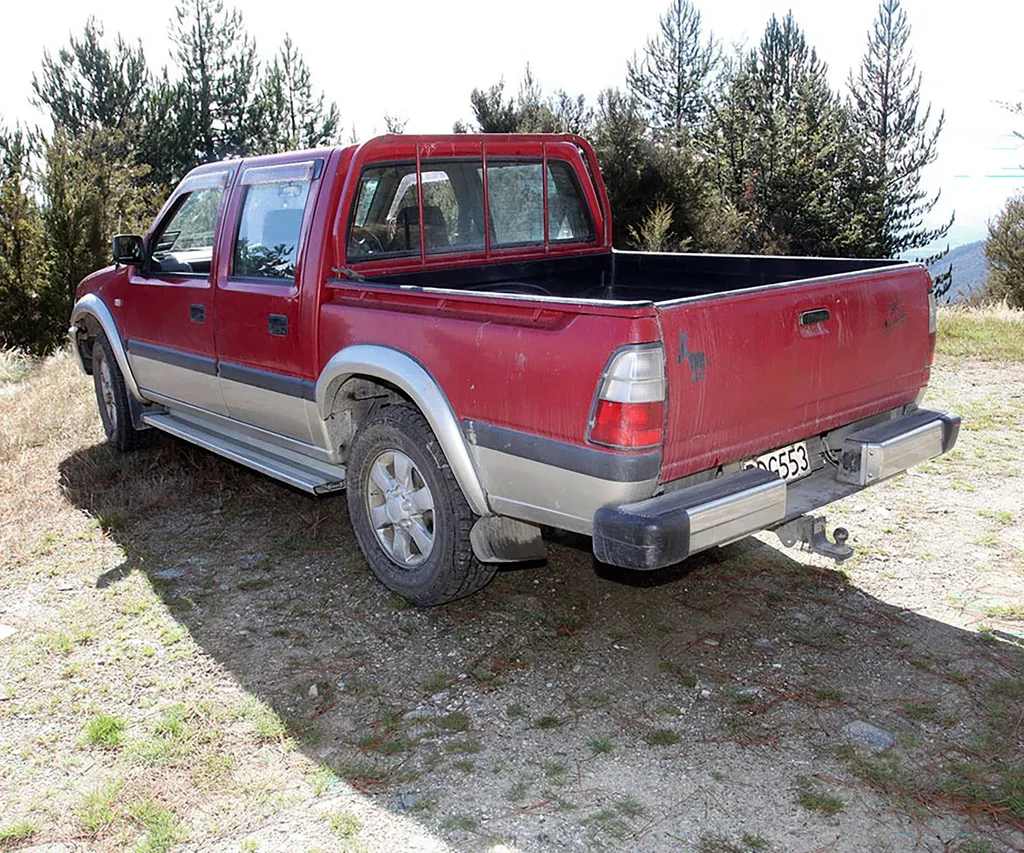
In the seven years since, advances in technology have shed even more light on the suspects’ movements and communications between the last sighting of Jessica, driving her mother’s car near her home at Renwick, outside Blenheim, and the red Holden ute being discovered abandoned three days later at remote Lake Chalice, 60km away.
A life marked by struggle
Police have offered a $100,000 reward for information leading to a conviction for Jessica’s murder. They have seen one member of the group, James Holder, jailed for life last year for shooting a man to death. And they believe some of his associates are “haunted” by memories of Jessica’s fate. But they’ve yet to find her body or bring any charges.
Jessica knew the circle well through the twilight world of methamphetamine users and dealers in which she moved. After a 2017 car crash, in which a friend died and she suffered head injuries, her drug and alcohol intake ramped up to a level where she suffered sporadic psychosis.
The investigation takes another turn
Her mum Kay Johnstone had tried and failed twice in February 2019 to have her admitted to a mental health clinic. But she remained a free-spirited young woman who, says her cousin Aaron Goodwin, could “always find the light in the darkest of times”.
Detectives believe they’ve uncovered multiple attempts to spread misinformation about her fate and the ute’s location was a deliberate red herring. It was the first time Jessica had ever driven the tricky manual transmission vehicle and she could almost certainly not, they say, have manoeuvred it up the steep forest track to where it was found with, importantly, her broken prescription glasses out of sight under the seats.
Detective Senior Sergeant Ciaran Sloan has said of the suspects “some of them have been cooperative; some of them have just lied”. But pressure on them only increases. He said, “The time is right for people within the group to decide do they want to be a witness or do they want to be in the dock?”
The 20 minutes that changed everything
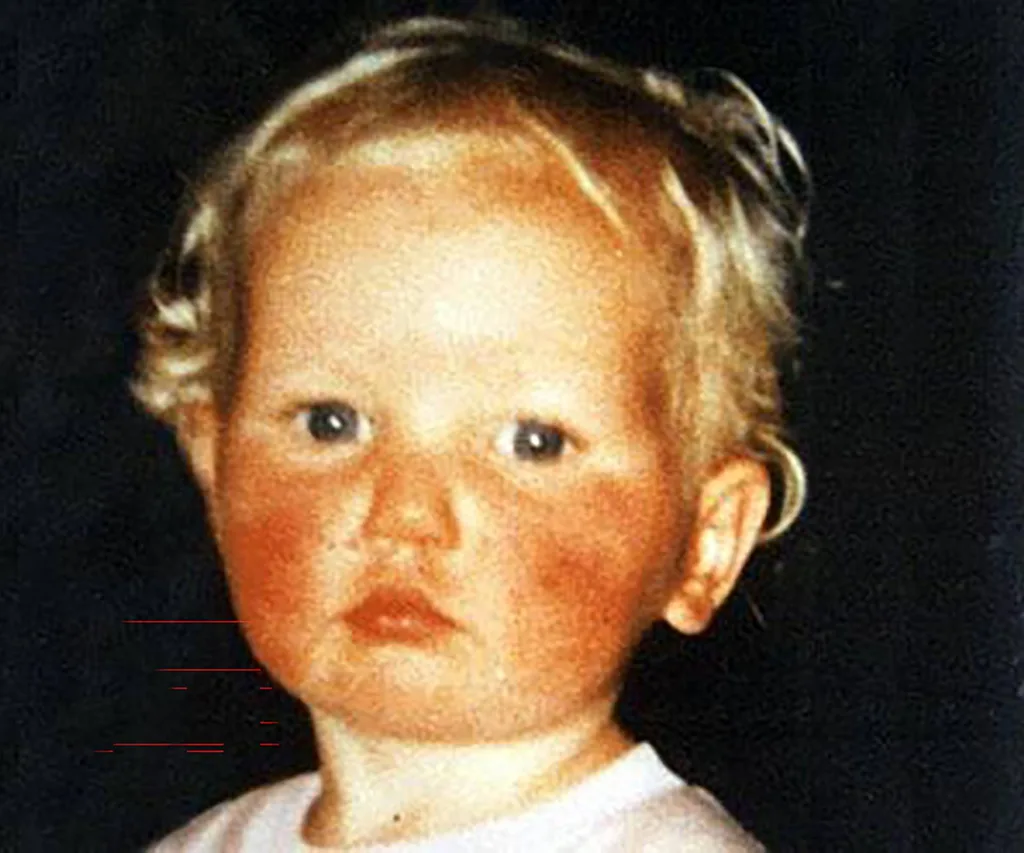
It was going to be one last high, a final taste of a drug-infused life that Nicky Cruickshank and her partner James Gill were determined to leave behind forever. In the spring of 1992, after selling their home outside Invercargill and buying a house bus, the couple and their two young kids, Danny and Amber-Lee Cruickshank, were heading for the West Coast.
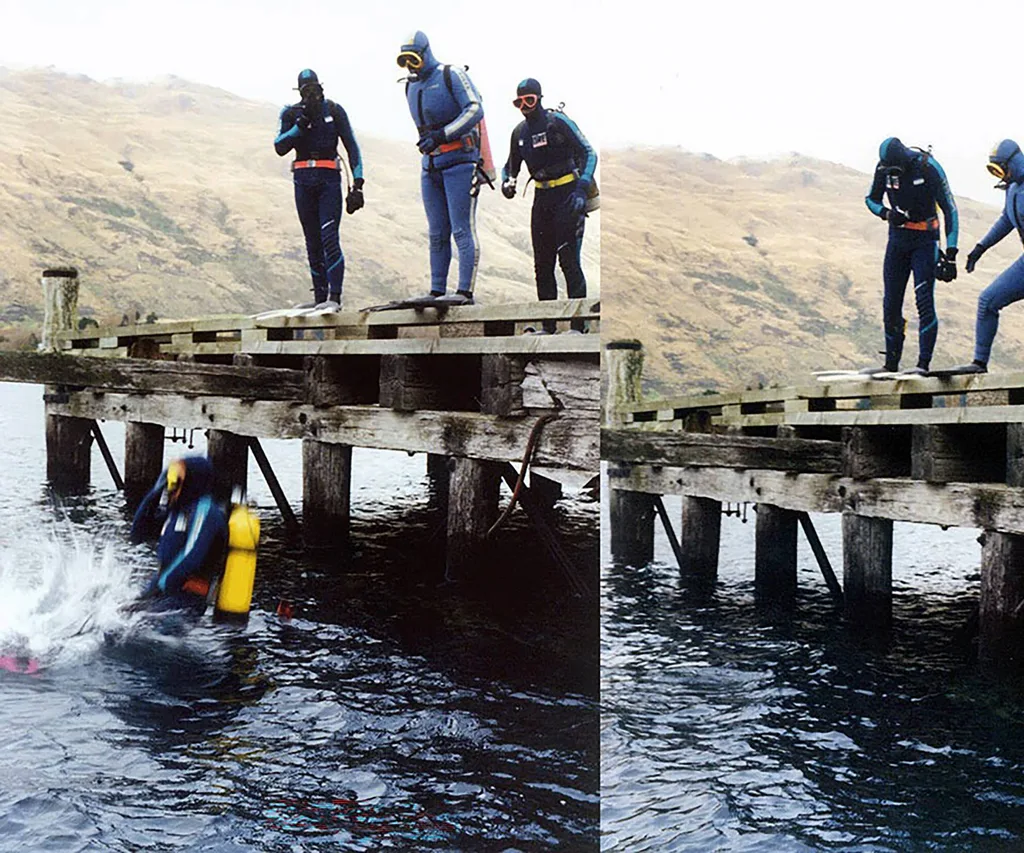
An unexpected stopover
On 17 October, they arrived in Kingston at the southern tip of Lake Wakatipu. The plan was to call in briefly on James’ pal Richard Dette and his partner Belinda Sayer at their small waterfront home. But all that changed when a bike tied to the back of the bus came loose, smashing the rear window and showering glass everywhere.
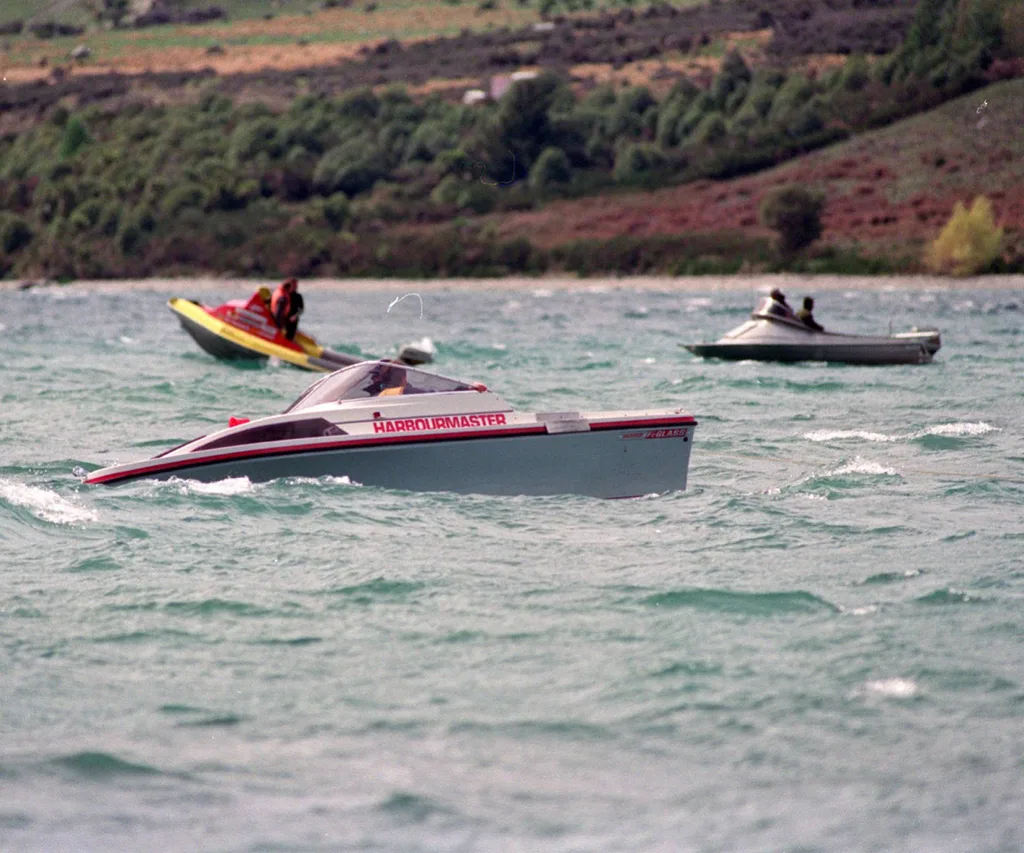
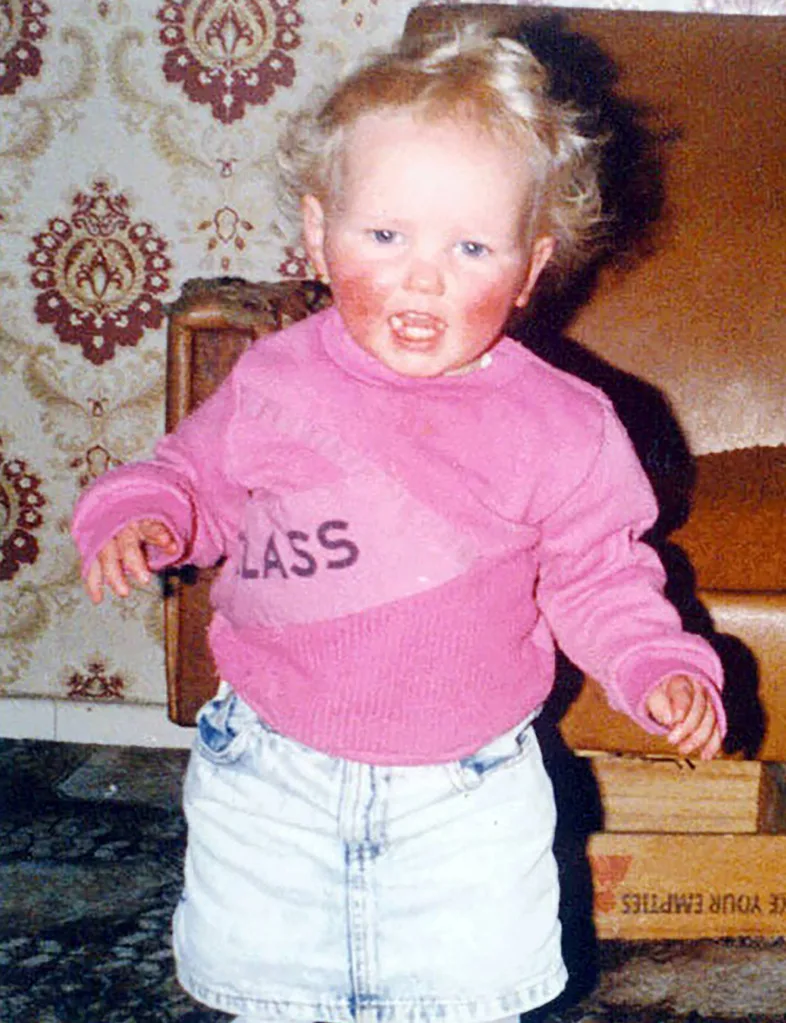
Realising they’d need to stay overnight to sort out the issue, the couple relaxed. Two-year-old Amber-Lee, blonde and blue-eyed, refused to paddle in the lake but enjoyed a ride on Richard’s motorboat, laughing and smiling on her mother’s knees. Back onshore, a group of about 10 friends fired up the barbecue and then, fatefully, Nicky was nominated to go “bleed” Richard’s opium poppies.
A final glimpse
James and Richard began clearing up the broken glass in the bus, and Belinda drove off to do some washing at a friend’s house. As she left, she saw Amber-Lee playing at the front of the house with her beloved dog Ace. It was to be the last glimpse anyone had of the toddler except, police swiftly concluded, her killer.
By the time Belinda returned 20 minutes later, Amber-Lee had vanished. James went to fetch Nicky. Each thought the other had been watching her and a frantic hunt began. Police were called at 9.10pm. In the following days, every house in the area was searched, while divers scoured the crystal-clear waters of the lake and dozens of people picked through bush, looking for old mining holes.
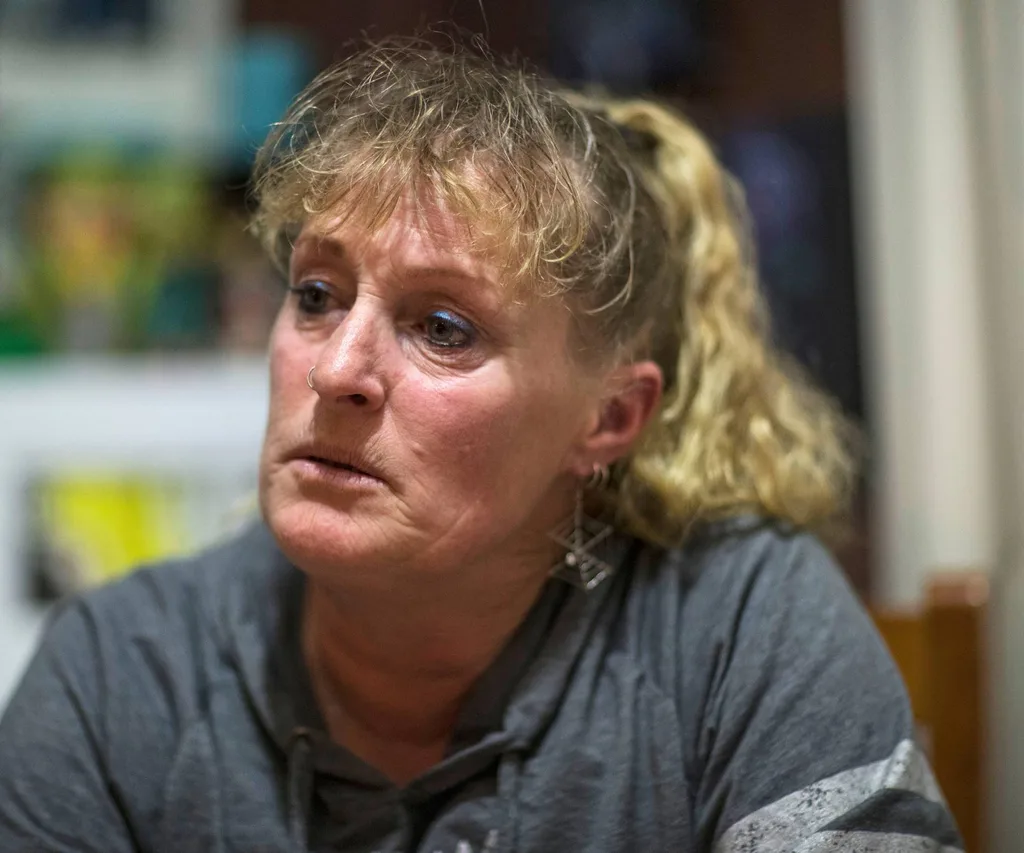
But no clues were found. The tragedy threw Nicky back into a drug- fuelled spiral that would eventually see her jailed before finally getting clean. But in 2022, after a family vigil to mark the 30th anniversary of Amber-Lee’s disappearance, she vowed never to give up hope.
“I’m tired of chasing ghosts,” she said.
“We as a family deserve answers.”
The last postcard
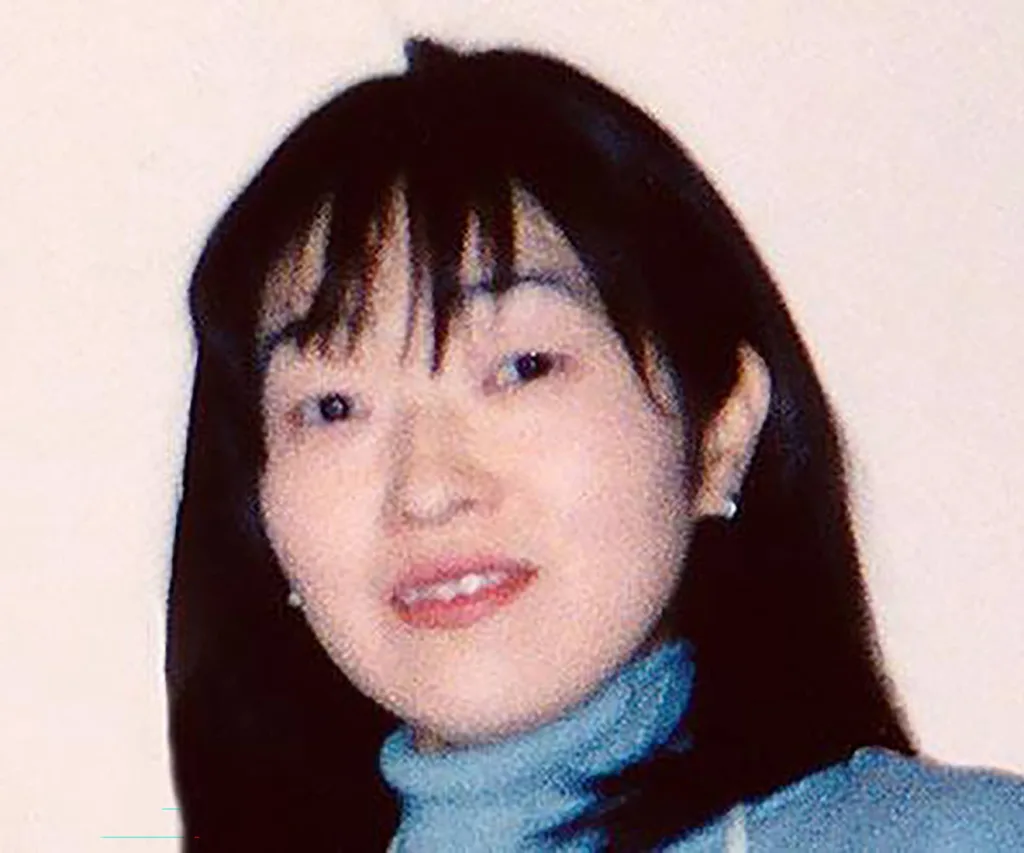
When Kayo Matsuzawa told her parents in a small Japanese fishing village about her dream of visiting New Zealand, she soothed their worries by explaining to them how much safer she would be than in many popular destinations for young travellers.
And in August 1998, after nearly a year studying, sightseeing and working in a Christchurch restaurant, nothing had changed the friendly and outgoing 29-year-old’s mind. Nonetheless, her family was delighted when they received a postcard from their daughter wishing her mother a happy birthday and announcing that she would be coming home on 4 November.
But first Kayo wanted to spend time in the North Island, flying into Auckland on 11 September. She caught a shuttle into the CBD and checked in for three nights at a backpackers’ hostel in
Fort Street. Within minutes of arriving, she’d dumped her bags on her bed in her single room and headed out to explore.
The mystery deepens
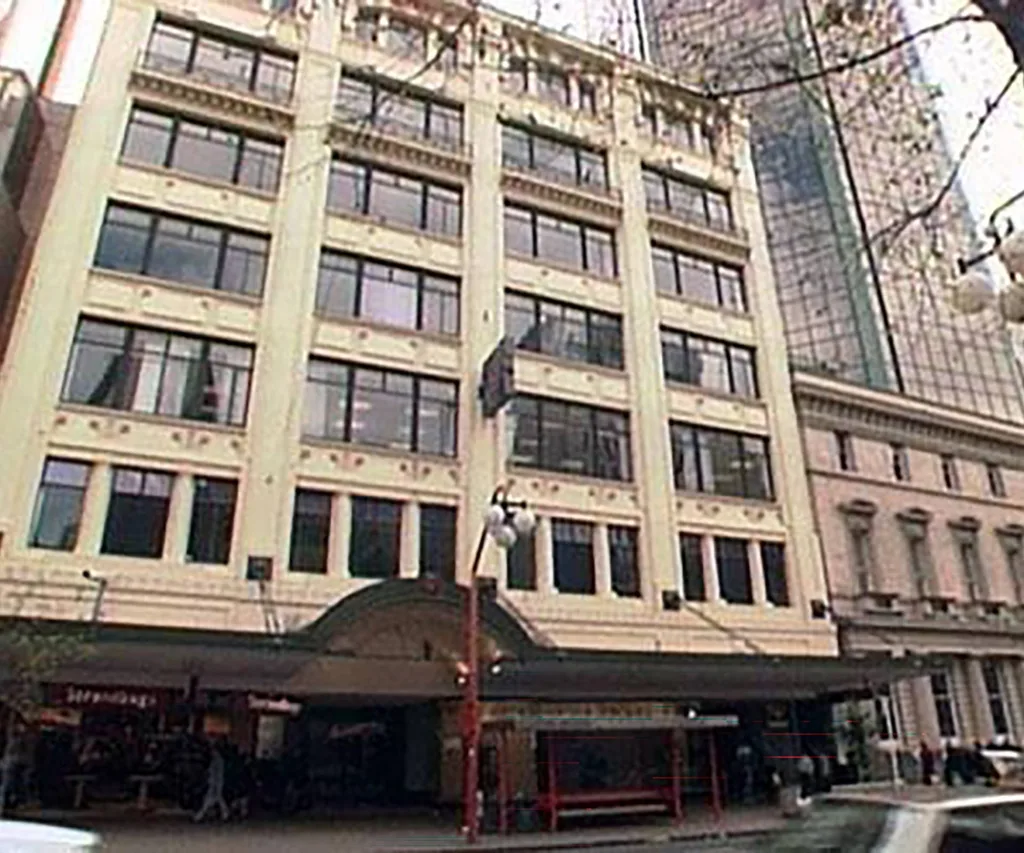
She wouldn’t get far – in fact, barely 50 metres. At 3.32pm, a security camera caught her walking past a branch of BNZ in black bootleg pants, a black jacket and carrying a backpack. And then, for 11 days, nothing. Kayo, it seemed, had simply disappeared. It was only when a fire alarm technician opened a small service room off the stairwell of the Centrecourt Building that her naked body was found. The location, requiring a key or swipe card, suggests the killer was very familiar with the premises.\
But who was the victim? It was only after a call from the council reporting a passport and handbag, which had been found by staff as they emptied a nearby rubbish bin, that detectives could identify Kayo and break the news to her family.
In the quarter-century since, the investigation has stalled. The DNA recovered from under Kayo’s fingernails remains unidentified. Her clothes and jewellery have never been found. Two early suspects appear to have been ruled out. And back in Japan, all Kayo’s parents were left with was that last postcard, laminated, promising a return that never came.