




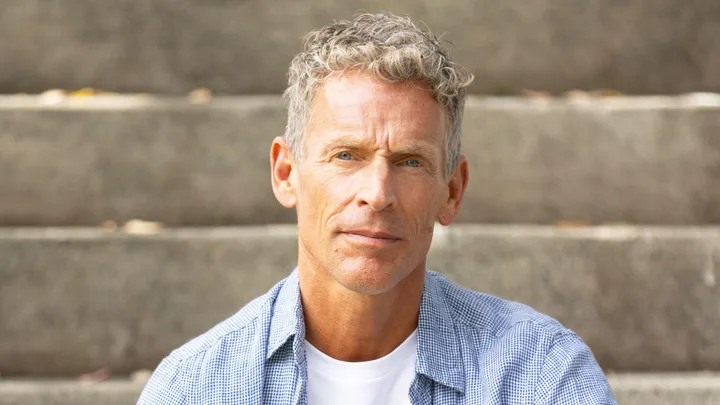
 Photography: Carmen Bird.
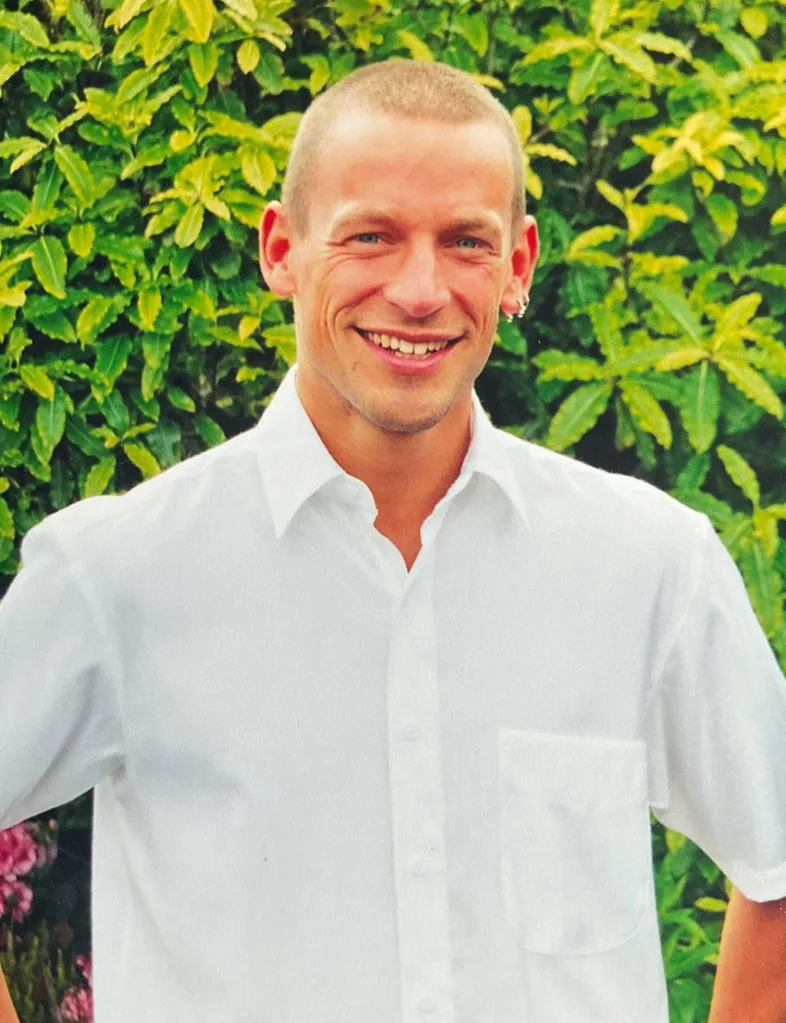
After 23 years spent uncovering the truth in the darkest places, forensic scientist Ruben Miller is finally telling his own. Talking to the Weekly, the father of two shares the toll decades of death took on him, how he healed and why, after so long bottling it up, he’s now sharing it with the world in his newly released book The Blood Says Otherwise.
“I have definitely felt the stigma around talking about this,” admits Ruben, 50.
“I could’ve written a book about how we solve crimes – and it isn’t this interesting and gripping – but there were a few elements that felt really important to me around putting the real or true back into true crime.”
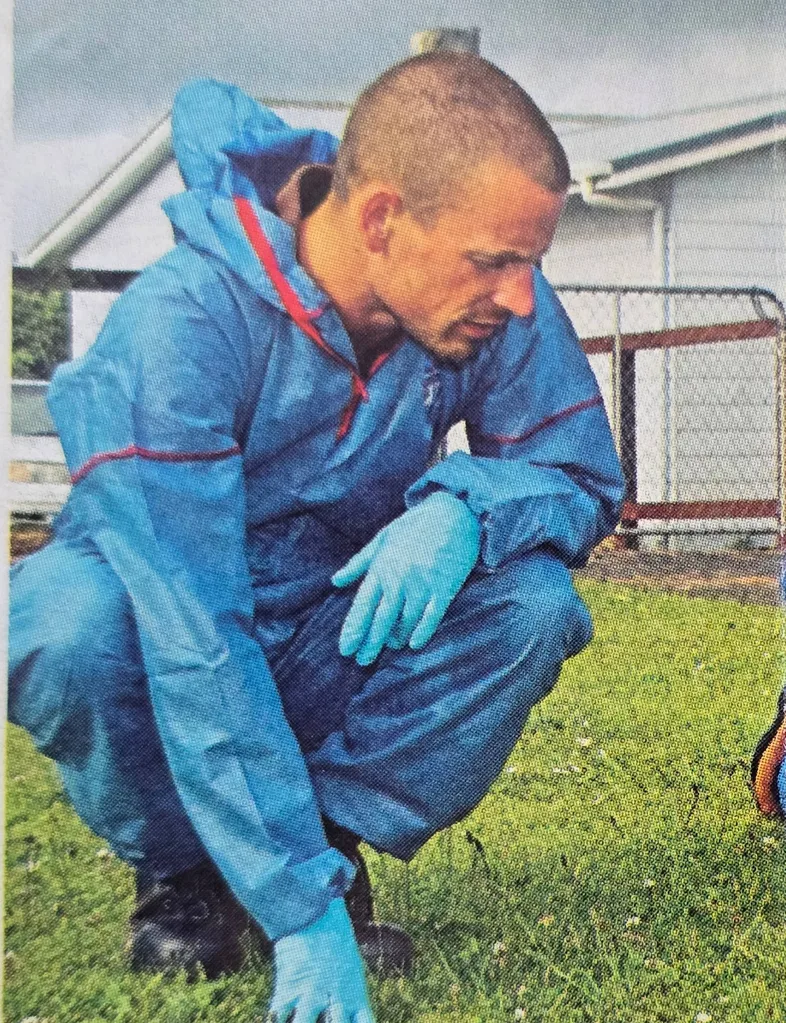
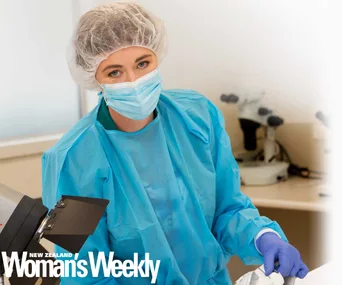
Ruben’s life as a forensic scientist began aged 25, when he traded a career in horror film special effects make-up for the very real blood and gore of crime scenes. His first day as a fully-fledged forensic scientist began at 4.30am with a shrieking pager calling him to a homicide investigation deep in the bush near Taupō.
Thrown into the deep end
“It was pretty eerie,” he recalls.
“At that point, I’d only seen one body before on a visit to the morgue and it hadn’t gone that well. But something else came over me, and it was work mode and time to get on with it.”
The high and the crash
Afterwards, Ruben was overcome with conflicting emotions.
“It was so many things,” he says.
“I’ve got one under the belt, I’m going to be a legend and this is what I’ve been working towards for so long. I was on this high, then came a crash. What do I do with this? Do I need to talk to someone? “I’d just spent hours with some guy I’d never met, dead, next to me, while taking samples of the body, treating them like a piece of evidence. I already noticed the first simmering of, ‘I have to be wary and curious.’ But the only thing I could do was push it aside.”
Resilience in practice
Ruben shares that while there were provisions for support, the expectation he put on himself was to just keep going. So that’s what he did, attending 180 forensic homicide investigations during his career.
“It’s a perception of what defines resilience, suck it up and get on with it,” he explains.
The weight of life at home
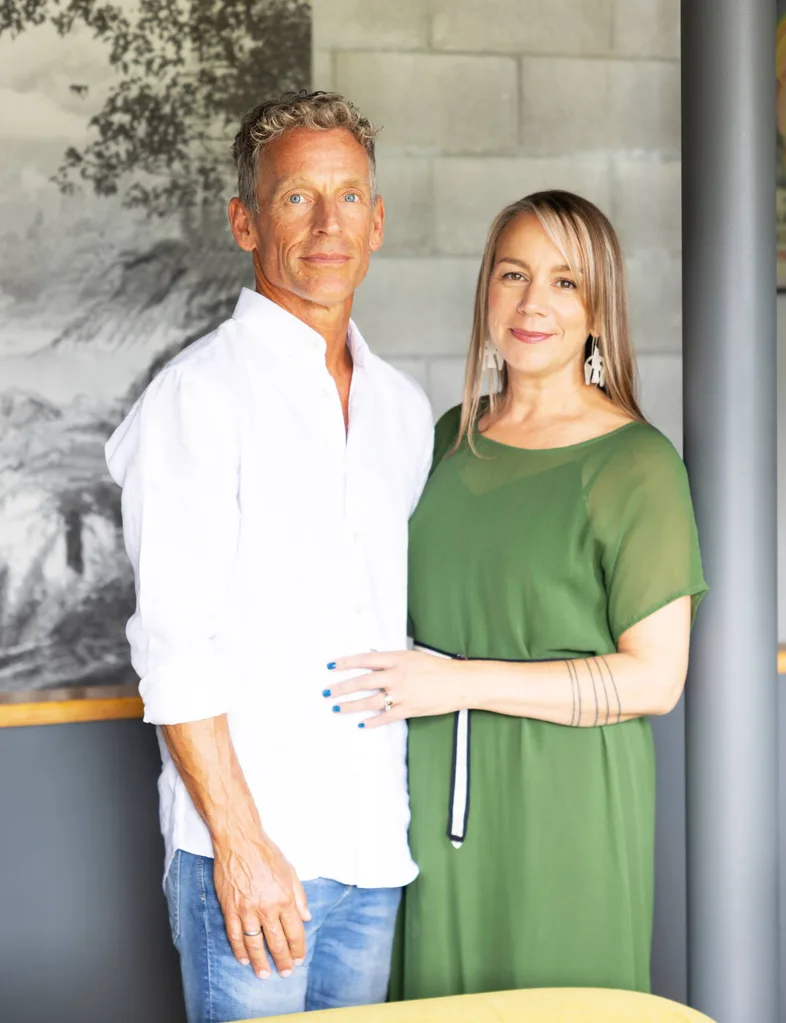
But detaching from the horrors he witnessed at work slowly and surely got harder – especially after marrying his now wife Mary, 47, in 2004, and becoming a father to his daughter and son, who are now 20 and 18.
“There were so many baby deaths, child rapes and murders, almost an infinite number of female victims and it took on new meaning,” Ruben shares.
A case that changed everything
One 2010 case in Tauranga would mark him forever. A young mother, Ravneet Saghna, had been murdered. Her two-year-old daughter Anna was missing. After hours of searching, Ruben was the one to find Anna’s body inside the washing machine. It was too late.
Ruben’s son was also then two and the shock was overwhelming.
“I took a 15-minute break, which I had never done before, then I didn’t speak about it again and carried on,” he recalls.
That same week, he was called to two more homicide investigations.
“My coping mechanism was deep suppression and avoidance,” Ruben explains.
The breaking point
Even Mary, a clinical psychologist, didn’t know the full extent of what her husband carried. Then, one day, something snapped.
“I ended up blurting out to Mary, ‘I don’t think I’m okay with this any more.’”
Facing the past
Subsequently, he was diagnosed with complex PTSD in 2022 and began the process of confronting all he had endured. What followed was an intense commitment to his own wellbeing through therapy, gratitude practices, returning to creative pursuits he had loved as a child, like painting and sculpting, and physical endeavours, including coastal trail running, ocean swimming and yoga.
It hasn’t been easy, but he says it has strengthened his relationship with Mary and their children.
“There’s this massive load that’s been lifted,” says Ruben, who will be speaking at the Auckland Writer’s Festival in May.
“It’s been really beautiful and brought us so much closer together.”
A new chapter
These days, he’s still a forensic scientist, but no longer attends crime scenes, instead using his considerable experience to review cases for the courts, translating complex forensic evidence into understandable information.
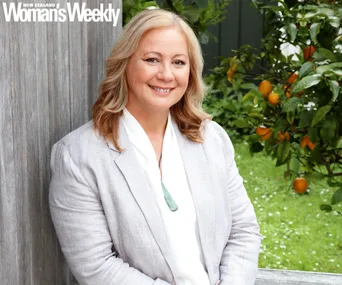
Writing his book has also been healing – and a shared process with Mary releasing her first book, Leading with Fierce Compassion: Practical Wisdom for Meaningful Change, within a week of his own.
By sharing so openly, Ruben hopes others – especially those in frontline roles – will recognise the importance of dealing with trauma rather than burying it.
Ruben enthuses, “So far, I’ve had a few ex-colleagues come to me saying they were inspired to seek help and that’s been amazing to know.”
The Blood Says Otherwise by Ruben Miller is available to buy at Mighty Ape