




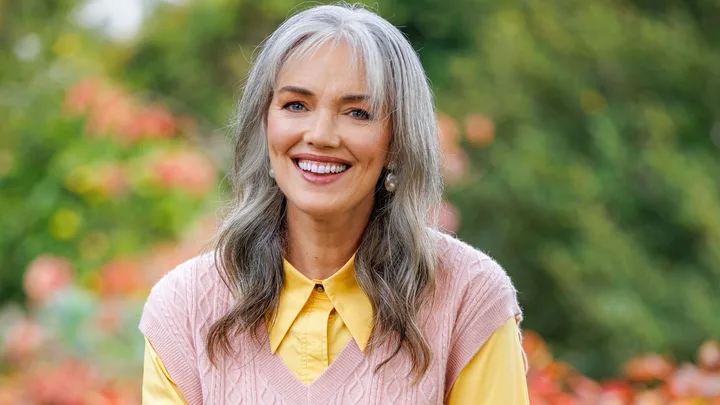
 Photography: Babiche Martens.
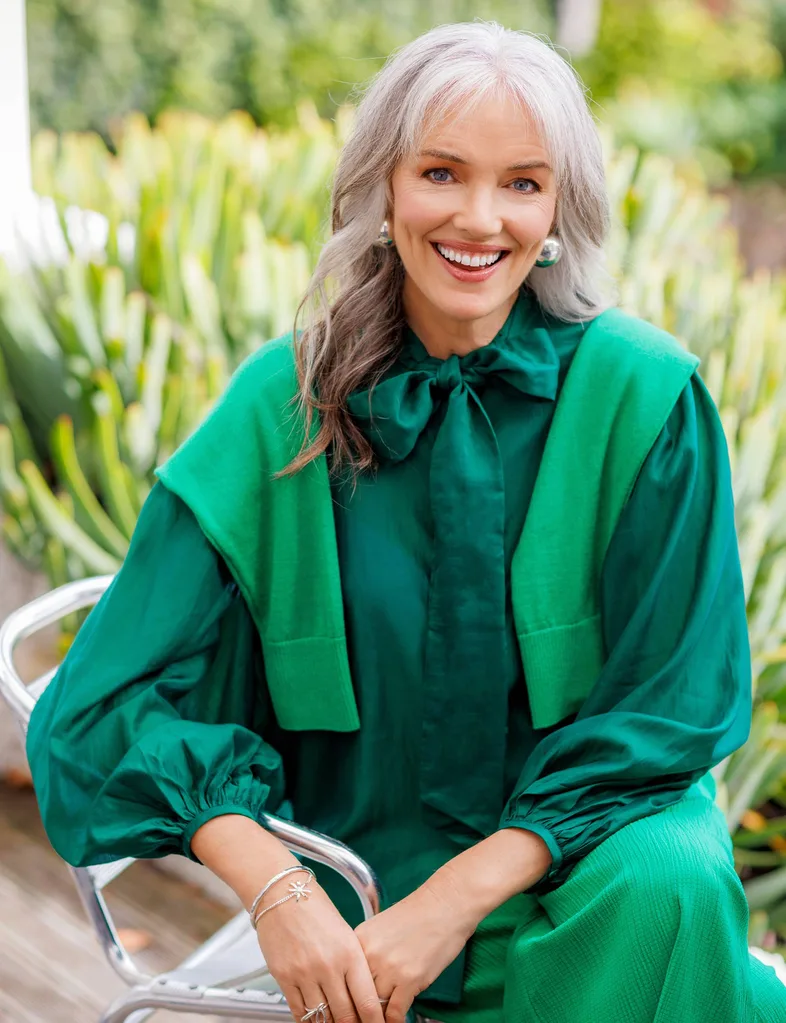
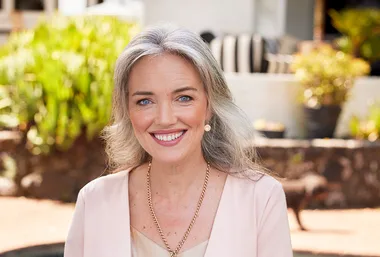
A fter three decades in broadcasting, Petra Bagust has well and truly defied the idea that women have a shelf life in the media. If anything, her voice has grown stronger with time. And it’s clear to see why – she is a force. The warmth, wit and positivity she brings to any room is infectious.
And as she welcomes the Weekly into her Auckland home, she puts that longevity down, in part, to a decision she made in her early forties – to lean into discomfort rather than retreat from it. After stepping away from TVNZ’s Breakfast, she found herself feeling burnt out and uncertain about her future.
She took a much-needed break and a few years later when someone suggested she might be “going through the change”, the reaction caught her off guard.
“Why did that make me feel shame?” she says. “Instead of leaning away from it, I thought, ‘No. I’m going to lean in.’”
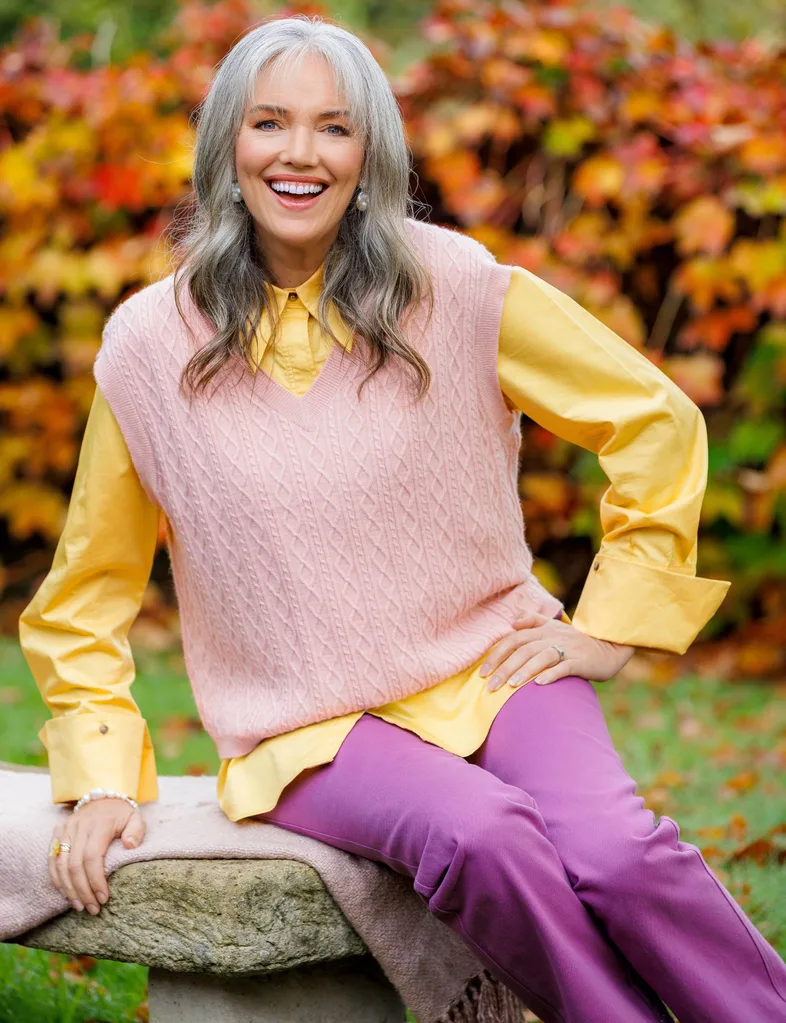
Finding her voice
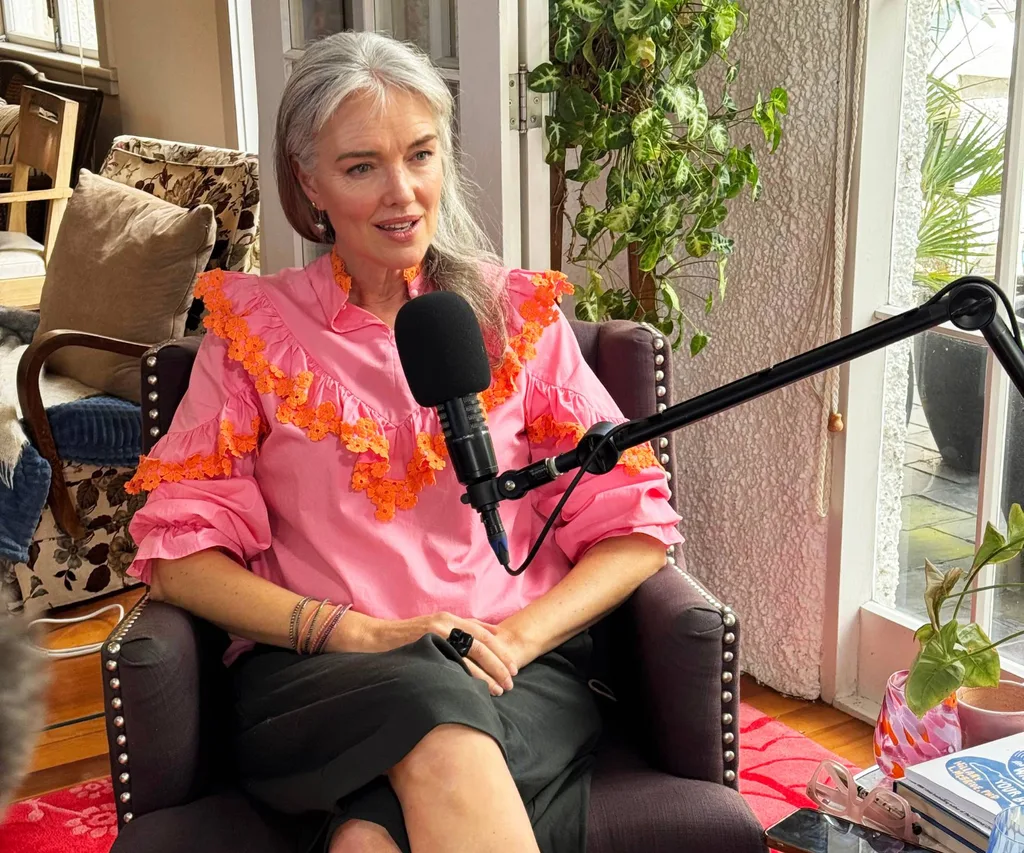
That instinct led her to develop her now-hit podcast Grey Areas. In the early stages of its development, there were more than a few doubters. The concern was that women in midlife weren’t a sexy subject – that conversations around menopause and the complexities of this chapter wouldn’t find an audience.
But the former TV star, who has been a prominent voice in New Zealand media for more than 30 years, trusted herself and her experiences. She knew the power of women’s stories, particularly the ones that had too often been pushed aside. Women, herself included, had been made to feel a sense of shame around speaking openly about this stage of life. She’d even made headlines for simply letting her hair go grey!
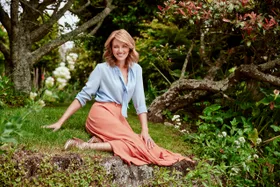

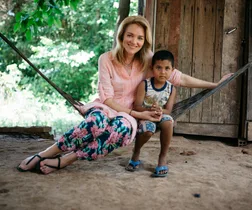
Petra set out to bring those conversations out of the shadows and onto the airwaves.
Five years on, there’s little doubt she was right. Grey Areas is part of driving a wider cultural shift – helping to bust the taboo on conversations around midlife, menopause, identity and everything in between. The podcast also unfolded alongside Petra’s own life. In the past year, she has spoken candidly about her ADHD diagnosis, sharing the process of discovery and the deeper understanding that followed.
And when we catch up with Petra on a busy Tuesday afternoon, she reflects on the journey with a mix of disbelief and quiet satisfaction. The podcast has well passed a million downloads across its nine seasons, but for Petra, the real impact lies elsewhere.
A new season begins
“There was an executive saying, ‘Oh, this isn’t going to work. Who wants to listen to middle-aged women talk about their lives?’ But I knew I wanted to have conversations out loud with women that were useful, funny, sad, poignant, entertaining and helpful. “And you know what? I have never had the kind of feedback in my entire career that I’ve had with Grey Areas. It has helped change the dial. Women are sharing with one another, with courage and vulnerability, in the good times and in the hard times. When a safe space is created, where we can do that, it’s true kōrero [conversation].”
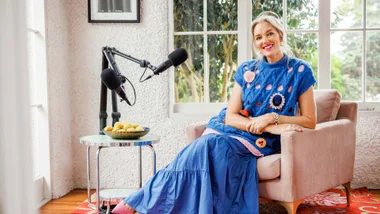
The podcast also reframed how the 54-year-old approaches the next phase of life.
Petra explains, “It answered that big question for me: What am I going to do with this next season?”
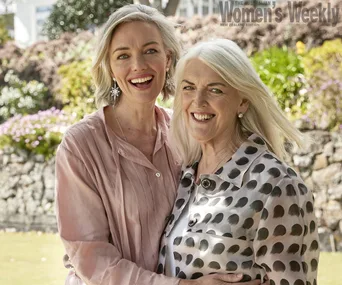
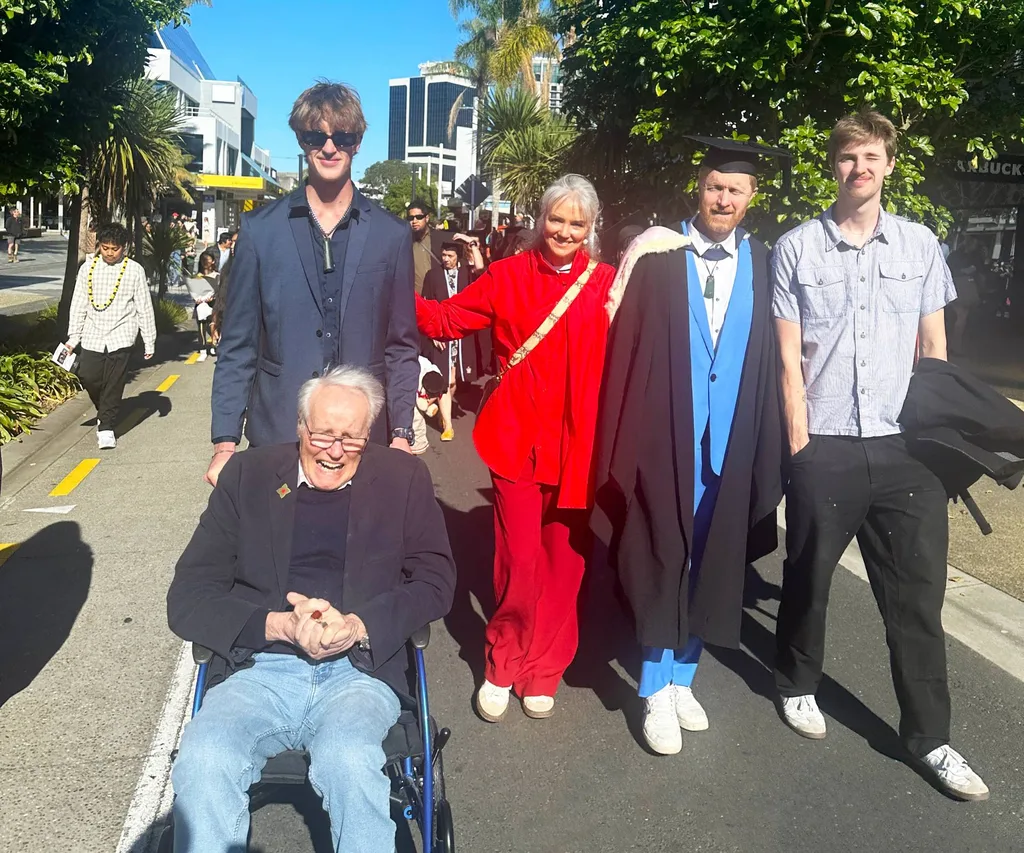
That season is full. Petra and her husband Hamish – a cameraman who is on the cusp of a career change after completing a psychology degree – live in a busy, ever-shifting household. Their adult children, Venetia, 22, Jude, who turns 21 this month, and Theo, 19, move in and out, as young adults tend to do, and her parents are there too. Petra’s dad Daniel, 82, who lives with Parkinson’s disease and has limited mobility, shares the family home, while mum Judi is in a studio apartment on the property.
“She’s very independent,” says Petra, although when we speak, Judi is recovering from a recent double knee replacement.
A life of care
Having her parents in the home adds another layer to an already busy household, but Petra say the benefits far outweigh any increased workload and she feels fortunate to have them.
“Some weeks, I feel stretched, sure,” she admits.
“But my kids thank me for having their grandparents with us. There’s an increased sense of whakapapa – the history of where you come from and where you’re going. It makes us a little less obsessed with our own brand identity or that individualism, where we can get caught up in our own lives. Community is so important – we all need each other, even though we’re all annoying and delightful
in our own way.”
Taking care of others sits at the centre of Petra’s world and alongside her podcasting, she works as a media chaplain. It’s five years since her post-graduate study at Otago University’s School of Theology, and she finds the work meaningful and fulfilling. She describes the role of chaplain as sitting somewhere between counsellor and friend.
“Someone told me the word ‘chaplain’ comes from the idea of ‘wrapping a cloak around’ someone, and I think that’s really lovely. It is pastoral care, which I am naturally oriented towards because I love people. We all have amazing potential.”
Chaplaincy might be via the Christian Broadcasting Association, but isn’t about pushing faith.
Petra says, “It’s having somebody who gets the intensity of the work – the deadlines, the intensity, the eyeballs… there are eyeballs from the public, the funders, decision-makers, from all sorts of angles. But we all have pain and difficulty, so it’s the understanding that nobody can do life alone. We weren’t designed to and we’re not supposed to.”
Understanding herself
That understanding has taken on a more personal dimension since her ADHD diagnosis more than a year ago. While she had long sensed that her brain worked differently, it was a podcast conversation with Kiwi performer Anika Moa that led to her own path to diagnosis. Putting a name to the challenges and quirks that always made her feel different has been transformative, she says.
“I have a well of self-compassion I can drink from now. It’s much easier to be myself and with myself than it used to be. I’m still coming home to how my brain works brilliantly and where it needs a lot of TLC. “When I can’t decide what to make for dinner or I’m struggling to do an errand, or deal with the pile of clothes that need to go to the op shop, I don’t now hate myself for those things any more.”
Medication can be useful on “life admin days” when there are lots of emails to reply to, bills to pay or forms to be filled. On “performance days”, when she’s emceeing or podcasting, that’s when her busy, brilliant, energetic and agile mind is at its best.
Being at peace with herself doesn’t mean self-doubt has disappeared entirely. Ahead of a recent appearance at the Auckland Writers Festival, Petra found herself caught in a familiar spiral – lying awake in the early hours, convinced she wasn’t up to the task.
Finding calm again
She recalls, “My mind was going, ‘I’m not going to be good enough, I haven’t done enough work, I’m not a literary person’ – all of that negative stuff.”
The thing that broke the cycle was, somewhat unexpectedly, gratitude. Ironic, she notes, given she once made an episode for her Sunday Sanctuary podcast series titled Stupid, Annoying Gratitude, being a tad jaded by the concept. Yet it was this investigation that changed her mind.
“I started saying what I was thankful for, like for the hours of sleep that I did get and for the time I still had left to prepare. I thanked God for my children, husband and all sorts of other little things. Something shifted. It was like my brain chemistry changed, the anxiety left. “I could sleep again. I could function. And, of course, the conclusion in this was that it did all work out – the writers festival went brilliantly.”
Excited for the future
And as she looks ahead, Petra says there is plenty to be excited about, both at home and work. Fulfilment comes in many guises these days, but she is eternally grateful for having found a place in broadcasting that keeps on giving. Early in her career, she was warned against television.
“I was told it would eat me up and spit me out,” she tells.
“But I chose to follow the adventure. I’ve always liked a challenge and taking risks, and I still do. “I still feel alive in that environment – sharing people’s stories and having these really powerful conversations.”
It’s that combination that continues to guide her, along with something else she speaks about often – joy.
“I get joy from the pursuit of joy,” she laughs.
“I have a radar for it. It might be something really small – a sunset, a flavour or even someone telling me about a holiday. My joy radar is always on. I’m always looking for it.”
You can stream or download episodes of Grey Areas on any major podcast app.



Share this post