





It was when her son was diagnosed with ADHD that Tracey Rountree started thinking that maybe she had it too. The more she learned about attention deficit hyperactivity disorder, the more she thought it could explain some of her traits.
“When I was young, I was challenging to my parents – I was a boundary tester. I was super-energetic,” she explains.
As an adult, she has had issues with concentration, organisation and completing tasks.
“I could be really busy all day, but not have anything to show for it,” she says.
“You don’t get things done. And I’ve tried just about every hobby going. I have a garage full of painting stuff, mosaics and sewing stuff. The motivation just falls away and the next shiny thing comes up. That’s ADHD.”
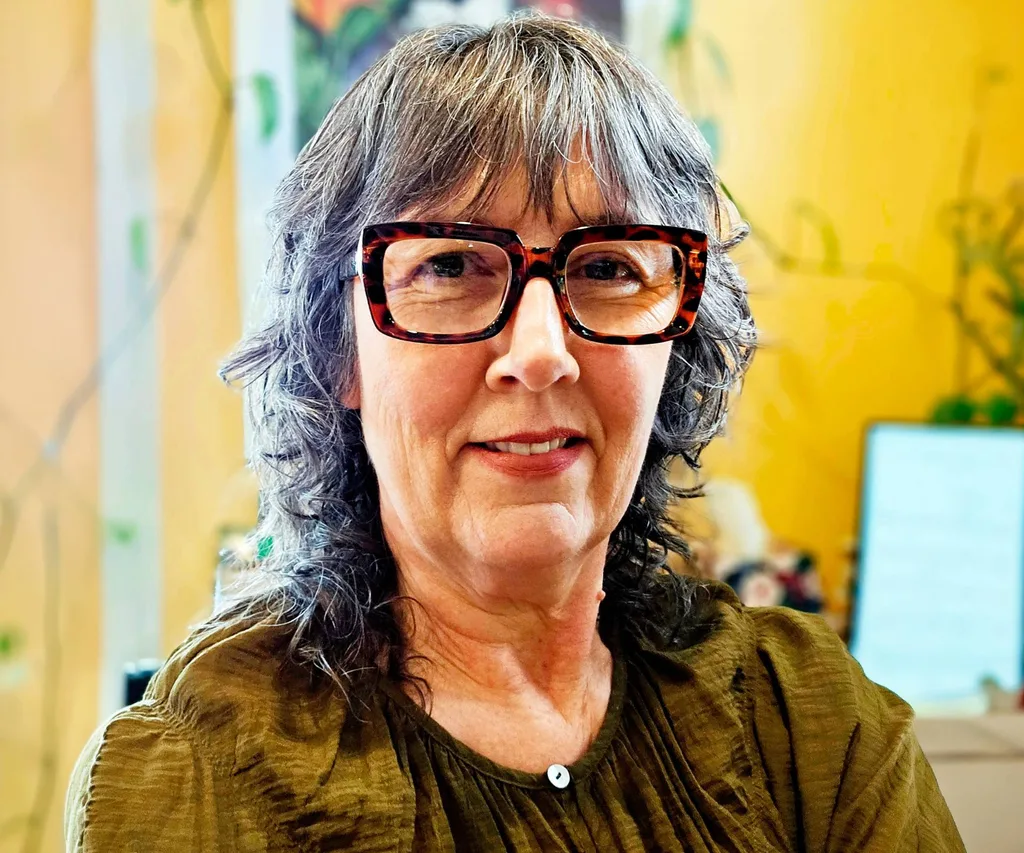
It was a relief when she learned in her forties that she had the disorder. Now 56 and working as a coach helping people navigate life with ADHD, she is one of many Kiwi women who have received diagnoses in their later years. It’s frequently undiagnosed or misdiagnosed in girls and young women because the symptoms are different to those displayed by boys. Instead of being hyperactive and disruptive, they’re more likely to be inattentive, anxious and disorganised. Often, they’re told they have depression or anxiety.
Yet in recent years, there has been a spike in women diagnosed with ADHD, often because they’ve learned their children have it and they recognise some of the traits in themselves. It will be easier for Kiwis to obtain an ADHD diagnosis thanks to recent changes in rules. Since February, GPs and nurse practitioners can diagnose the condition and prescribe medication. Previously, you needed to see a paediatrician or psychiatrist, which could take many months and cost between $1000 and $3000.
Tracey says it will take some time before the changes have a significant impact, as not all doctors and nurse practitioners will provide the service, but hopefully it will encourage more women to get tested and will lead to those who learn they have ADHD receiving support.
“I’ve seen the difference getting a diagnosis can make – you can start medication if you choose to,” explains Tracey.
“You can learn about what it is and try strategies to deal with it. You can get support. And you can stop being so hard on yourself. “Often there’s a lot of self-blame and shame, and that inner critic because you don’t understand why other people can be organised and keep everything together, and you can’t. You can understand that it’s just the way your brain works and that’s okay.”
Did you know? It’s estimated that around five percent of Kiwis have ADHD, but only one to two percent have been diagnosed.
Could you have ADHD?
ADHD is a complex disorder that affects people in different ways. But some of the signs you may have it include:
- Often feeling restless and finding it difficult to relax.
- Being disorganised and struggling to keep on top of tasks.
- Finding it hard to get motivated. You struggle to start projects or activities, including things you’re keen to do.
- Inability to pay attention for very long.
- Being easily distracted – in the middle of doing one thing, you’ll start doing something else.
- Forgetfulness – you miss events and constantly misplace your keys.
- Difficulty controlling emotions and experiencing mood swings for no good reason.
- Having trouble making decisions.
About ADHD
- It is a neurodevelopmental disorder that affects how the brain processes information. There’s a dysfunction in the way the brain transports chemicals called neurotransmitters. It’s not known what causes it, although genetics are thought to play a part in many cases.
- People with ADHD have lower levels of the neurotransmitters dopamine and norepinephrine, which help with focus, motivation, impulse control and planning.
There are three main types of ADHD
- Predominantly inattentive ADHD (formerly known as ADD) results in problems paying attention, being organised, following instructions and finishing tasks. People with it may be forgetful and easily distracted, and have low energy and motivation. This type of ADHD is more commonly diagnosed in girls and adults.
- Predominantly hyperactive-impulsive ADHD causes high energy levels. People with it tend to be fidgety and impulsive, talk excessively and interrupt others. Children who are hyperactive are often diagnosed with this type.
- Combined type ADHD is a mixture of inattentive and hyperactive-impulsive symptoms. People with it can have difficulty focusing and being organised, while also being restless and impulsive.
- ADHD medication increases levels of dopamine and norepinephrine, helping to manage symptoms like inattention and impulsivity, improve concentration and regulate emotions. Medication is not a cure.
Search for rewards
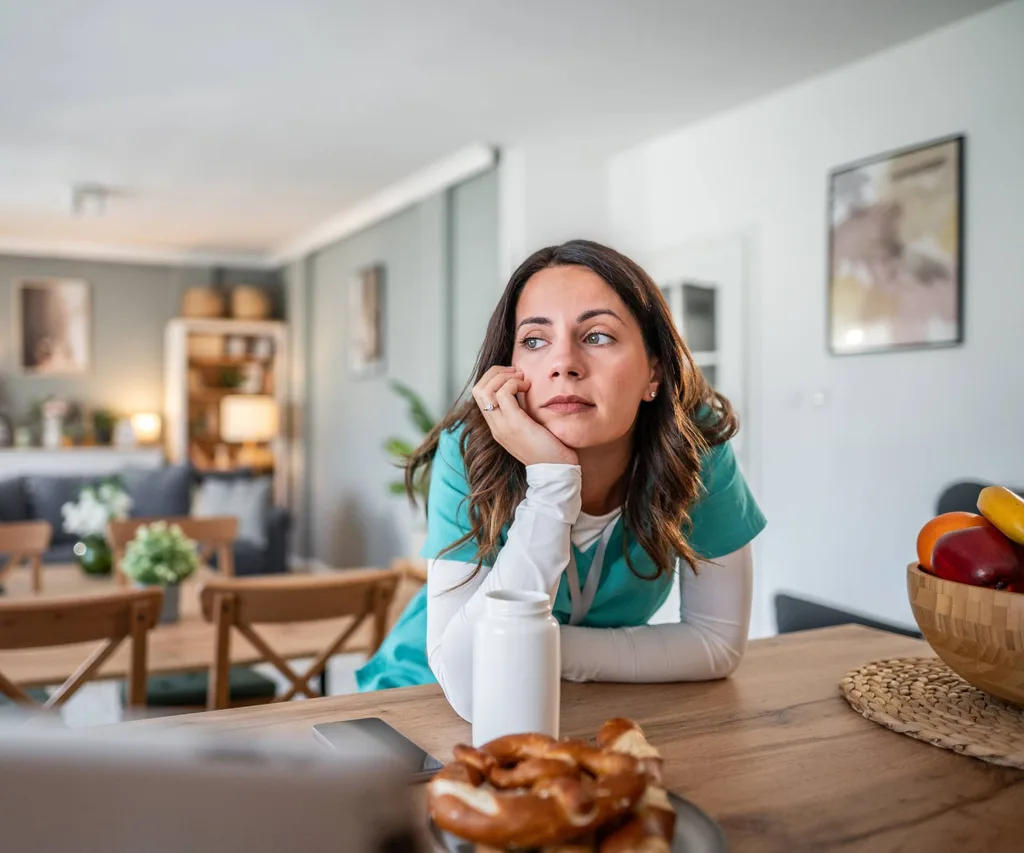

Reduced levels of dopamine in the brain can mean people with ADHD may have a greater need to feel stimulated and rewarded, leading to a search for immediate gratification. This can result in actions such as overspending, gambling, relentless online scrolling or binge-watching.
Anna Kirtlan, who has ADHD, says her brain’s overwhelming need for stimulation led to an obsession with sugar.
“I’d be thinking about sweet food constantly,” she says.
“If there was cake at work, I’d have one piece, then not be able to stop thinking about how I could have another one.”
She says medication has helped by “giving you the dopamine you need so your brain stops searching for that stimulation.”
ADHD and hormones
Women with ADHD suffer a double whammy when they start perimenopause because dropping levels of oestrogen further decrease already low supplies of dopamine. As a result, symptoms like brain fog, mood swings and reduced executive function – such as time management and being organised – can be worse.
“Perimenopause can be the tipping point for some women,” says Tracey.
“They’ve had systems in place and have been managing for years, then their hormones start to fluctuate and these strategies don’t work any more because their dopamine is so impacted. All of a sudden, it affects decision-making, impulsivity, memory and appetite. “As well as experiencing stronger menopause symptoms, women with ADHD have more hormonal issues in puberty and pregnancy. They have higher rates of postpartum depression.”
Medication like HRT can help, as can generally looking after your health, such as eating well, exercising and getting plenty of sleep.
After diagnosis
Being diagnosed with ADHD can come as a huge relief, but it can also trigger grief because of the impact it has had on your life for so long.
“A lot of women become very good at masking – holding things together as they struggle through and acting like they’re organised, which takes a huge amount of effort,” says Tracey.
“It can be so good to know why you’ve struggled, but then you can also think, ‘Imagine how different things could have been if I had known earlier.’”
Telling people can be difficult. “Because you have held it together for so long, they say, ‘Oh, you’re fine, you don’t have ADHD.’ They don’t understand how much effort it has taken for you to have done that for so long.”
Knowing you have ADHD means you can look into whether medication is the right choice for you and learn strategies to deal with the things you find hard – like setting up notifications so you remember to do things or asking your boss if you can work in a quiet part of the office to avoid distractions.
“It helps you to understand you’re not lazy or broken,” says Tracey.
“It’s just the way your brain is.”
‘ADHD makes me who I am’
A diagnosis that changed everything
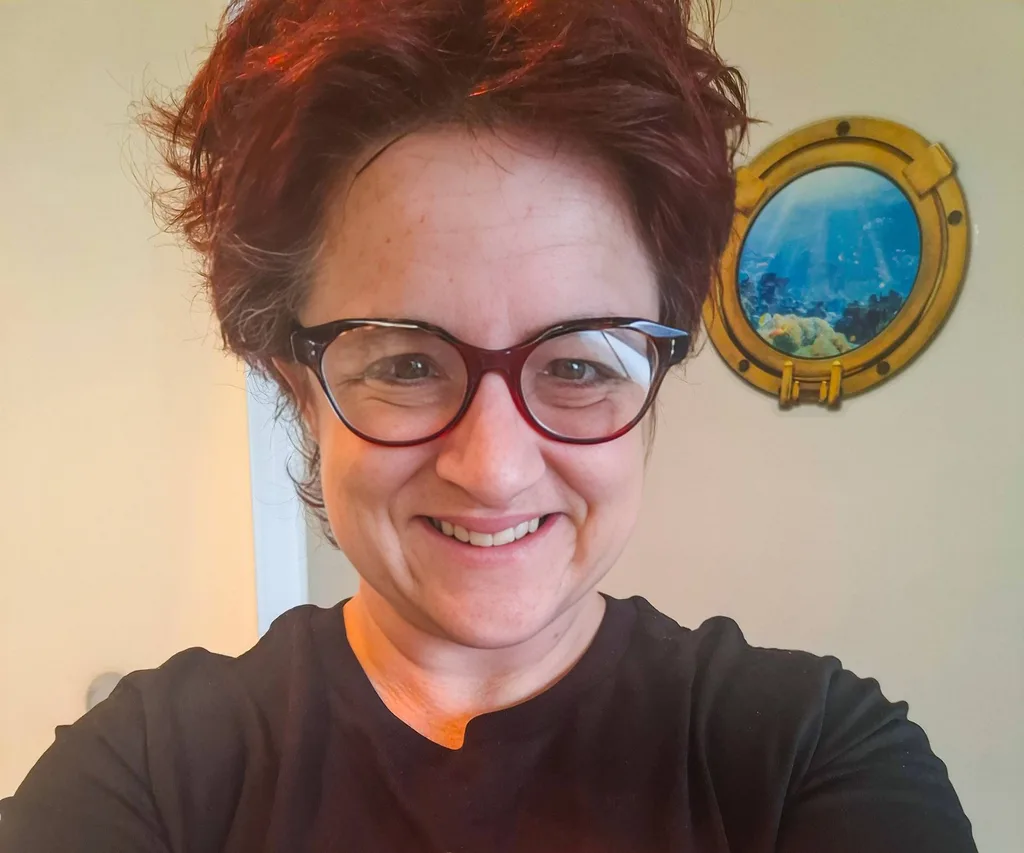
When Anna Kirtlan was diagnosed with ADHD at 43, her life suddenly made sense. Finally, she understood why her mind always felt like it was going at a million miles an hour, why she has no concept of the passing of time and is often late, and why she could function in her job as a journalist and not miss a deadline, yet crumble when she got home and be unable to look after herself or her house.
Recalling her relief at being told she had ADHD, Anna, now 45, says, “I burst into tears – it was incredible to know what was going on with me. The grief came afterwards when I looked at my life. I’d have been gentler on myself if I had known. My internal dialogue was always, ‘You’re too much.’”
A weird kid with a colourful armour
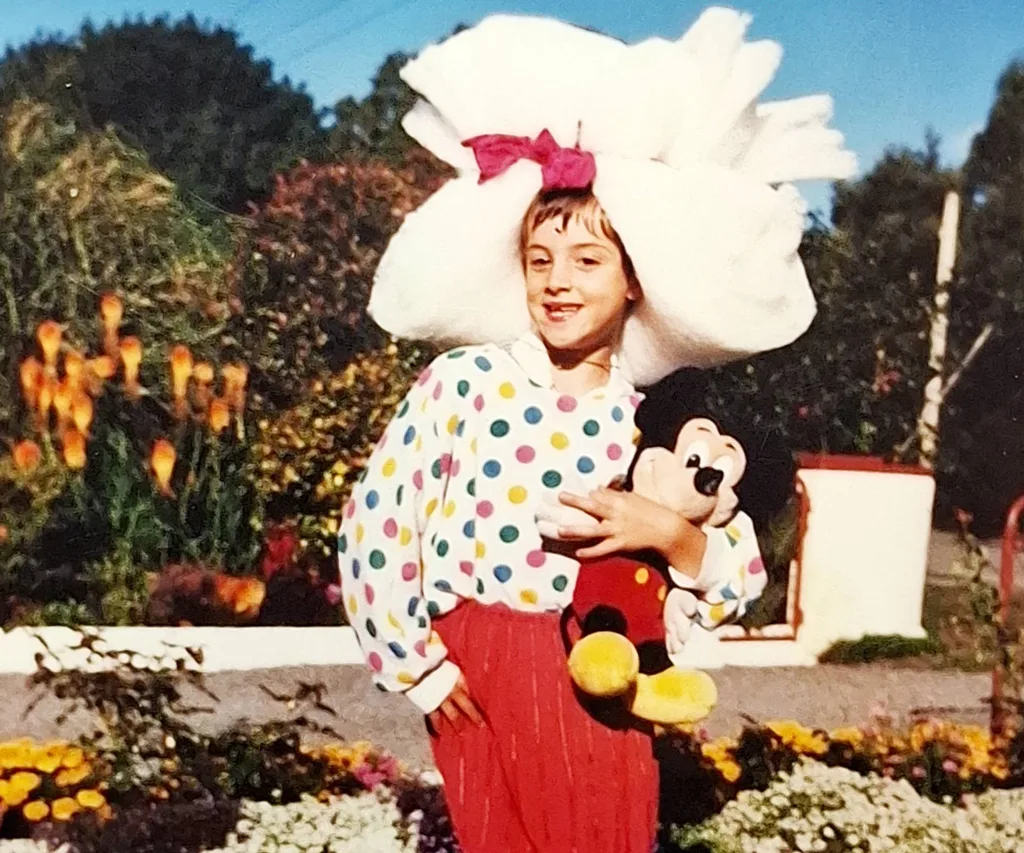
Anna says she has always been “a bit out there”. She was “a weird kid” who was bullied for things like being impulsive and hopelessly uncoordinated. As a teen, she decided if people thought she was “a freak”, then she would become one by doing things like wearing bright colours and dyeing her hair blue. Now she realises she was building armour to protect herself.
When a colleague was diagnosed with ADHD several years ago, she wondered if she had it.
Recognising herself in others
“People used to joke that we were twins – we had the same crazy dress sense, we were the people constantly on fire trying to find a solution, then we’d get home and crash in a heap. “When her child was diagnosed, she went, ‘Oh, wait, this is me.’ And I was like, ‘Maybe this is me too.’”
Anna has found medication life-changing. “It gives me the dopamine I don’t have and that helps your brain to slow down so it is not constantly scanning for stimulus. Then you can focus on what you are doing. I’m able to keep on top of things a lot more.”
The upsides of ADHD
While ADHD has caused much angst over the years, it also has benefits, says Anna, now an author with her own communications consultancy.
“It’s made me who I am,” she insists.
“It’s why I am creative and a writer. I have amazing pattern recognition – I notice things other people don’t and that can be frustrating because I get to where they’re going before they’ve finished their sentence. It’s really hard not to interrupt. “I do wish I could do some things as easily as other people – normal human stuff like renewing my passport or getting on top of the laundry,” she says.
“I still struggle with that executive function stuff. But I’m proud of what I have achieved when my brain was having to work twice as hard as the people around me. “I got through high school, graduated from university, held down jobs and got a book published while I was fighting with ADHD, which I didn’t know I had.”
One thing she’d like people to know about ADHD is that “it’s not a blessing, it’s not a curse, it’s just a different way of being wired.”


Share this post