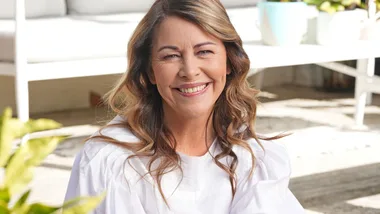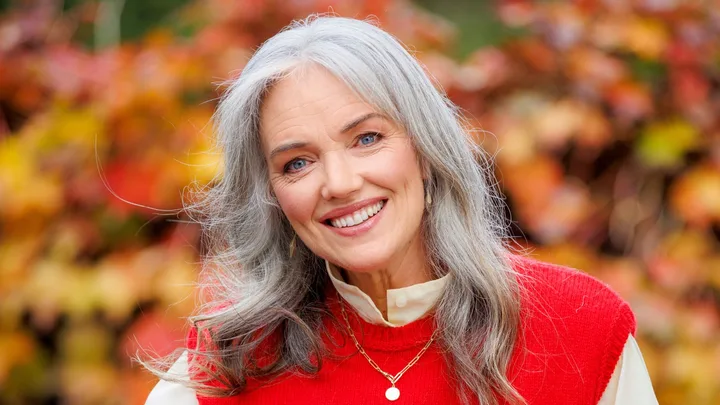
On the morning of a scheduled interview with Petra Bagust, a message pops up from her: “If you can be late, that would be awesome!”
The popular host of the Grey Areas podcast reflects, “In the past, I would have sent that message and sat in self-judgement, going, ‘Why is it taking you so long to get ready, Petra?!’”
It’s just that for a couple of months recently, Petra has felt like “ADHD has been kicking my ass” and those old habits of negative self-talk – a trait of neurodivergence – are hard to break.
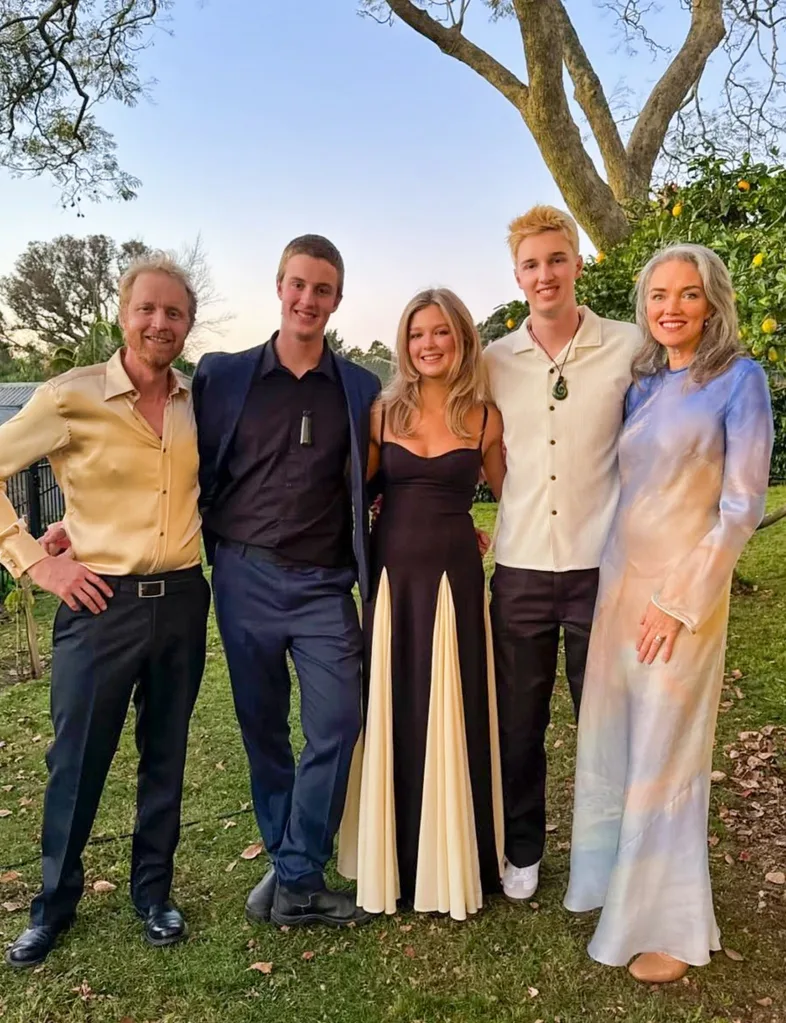
left) Jude, Venetia and Teddy.
“I realised I had moved from my new way of being, of trusting my own brain more, and I was feeling the pain of overthinking everything,” she explains. “Pre-production of season 10 of Grey Areas was about to happen and I hadn’t reached out to my list of guests, and had started to overanalyse all my own decisions.
“I had exceptionally complex lists in my mind as to why I needed to invite this guest, but why it might not work out.
“I was telling myself, ‘You should trust your gut, Petra,’ but this push and pull of overthinking began creating an internal psychological storm to the point where I couldn’t take any action. Then I was wandering around in a cognitive fog – cogfog!” laughs the 54-year-old.
Accepting the difficult side of success
But for the former TV star, who’s been a prominent voice in New Zealand media, it taught her that it’s actually okay for things to be successful and difficult.
“As humans, we can go, ‘If everything is going smoothly, this is meant to be!’ and we ascribe meaning to things working out easily.”
Through her work as a broadcaster, menopause advocate and media chaplain, Petra has become a collector of people’s stories: finding those who, through their experiences, have learned how to navigate changes and live more deeply.

A new chapter for the family
Her own family life is entering a new chapter. When we chat, her daughter Venetia, 23, is about to embark on her OE and has booked a one-way ticket to Canada, where she is going to work on a ski field.
“Venetia’s been at home saving money, which has been lovely, but I’m excited for her to explore the world. I’ve been waiting for her to crack it open.” ad
Jude, 21, has finished his third year in industrial design at Victoria University of Wellington, while Teddy, 19, is studying mechanical engineering.
Passing the baton
Meanwhile, Petra’s cameraman husband Hamish, 56, is on the cusp of a career change after completing a psychology degree and his first post-grad year to become a counsellor.
“He’s the full-time student and I’m the full-time worker now,” she smiles. “We have swapped! It’s quite lovely to be able to pass the baton. He’s now Dad’s primary support in terms of caregiving [Daniel, 82, lives with Parkinson’s disease and has limited mobility], while also volunteering at a phone line help service.
“Hamish had never done tertiary study before and decided to invest in himself. Can I just say, if anybody’s husband wants to become a counsellor – encourage it! It’s fabulous.
“I absolutely salute the fact that he is engaging with his own therapy because one day he will be dishing the medicine and I think it’s important to receive it.”
The couple has always been honest about attending counselling through their 26 years of marriage as a way of “putting tools into the tool kit”.
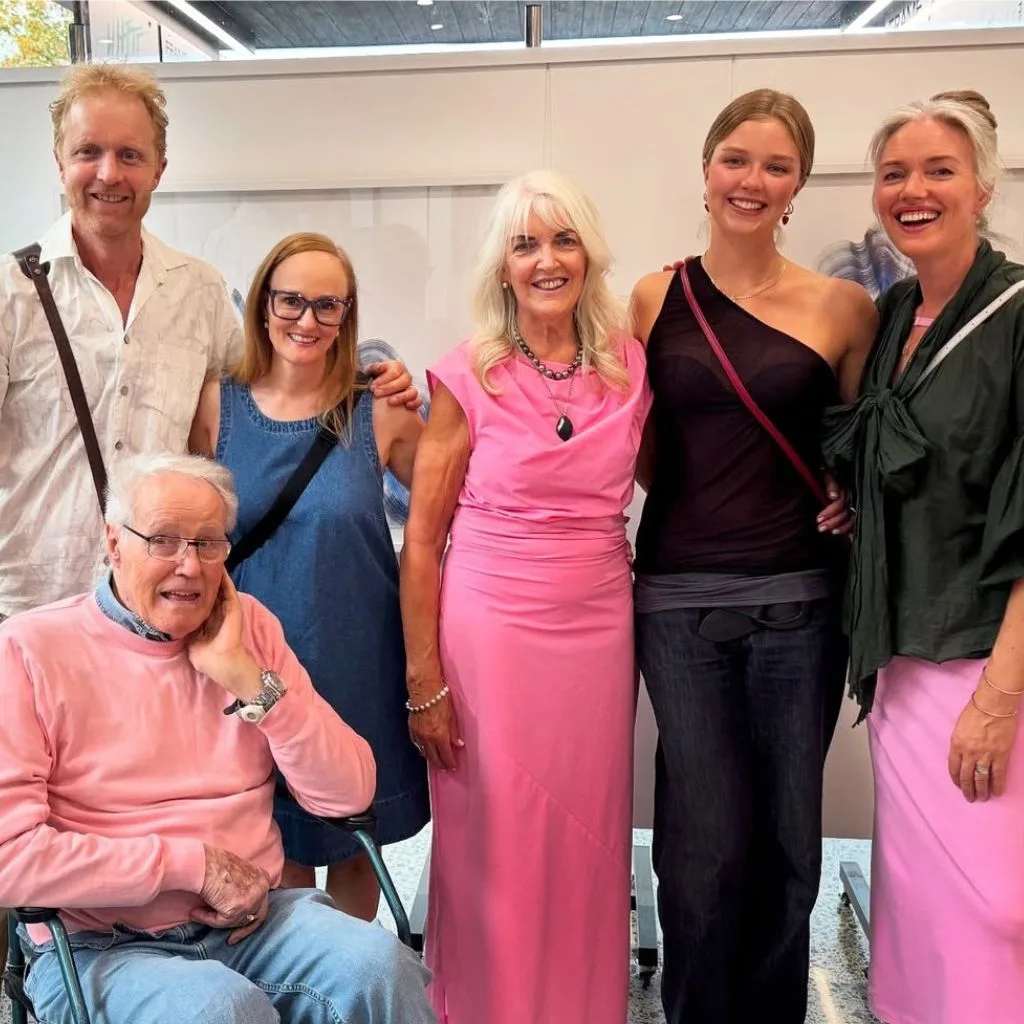
Petra explains, “I started engaging in talk therapy after the birth of my daughter. I’m fascinated in what motivates us – so many of our actions, behaviours and thoughts are driven subconsciously. We’re not even aware of why we react or respond, or feel like that.
“Sometimes our core beliefs, especially the negative ones, like, ‘I’m not good enough,’ or, ‘I’m unlovable’, are hidden inside us, having a real impact on how we do life and are quite inaccurate!
“So when Hamish and I reached any kind of crunch point in our relationship, I’d say, ‘Why don’t you come along with me to my counsellor and we get an outside perspective?’”
Changing her perspective
Petra thought her responses were typical. However, it took an outside view to show her there was another way of thinking.
“I had quite a black-and-white perspective of, ‘Well, we can’t agree, so that will be the end of that.’ Yet I remember how committed Hamish was to solving problems and how completely on my side he was, even though we miscommunicate and misunderstand each other sometimes like every couple.
“In the past few years, we’ve grown our capacity to hear each other and I feel even closer to him now.”
Petra says this is why podcasting is powerful.
“Sometimes you can hear somebody else’s journey and processes with a change of thinking, then adopt it yourself.”
Stream or download season 10 of Grey Areas on any major podcast app.

Related stories

Native ad body.

Native ad body.


Native ad body.