




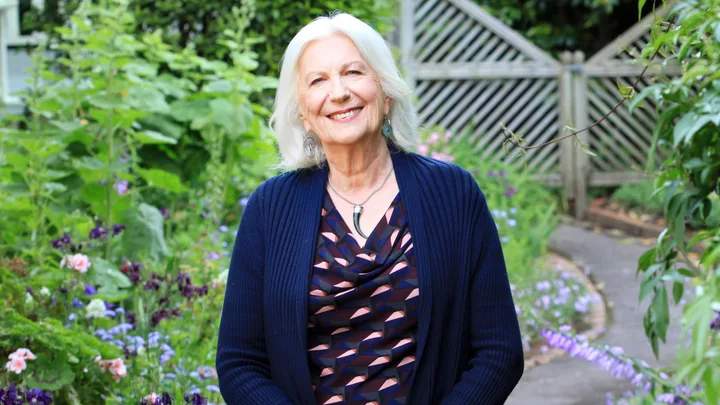
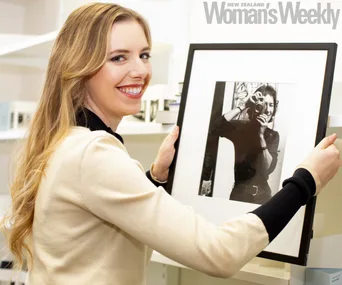
 Photographer: Sally Tagg, Marti friedlander.
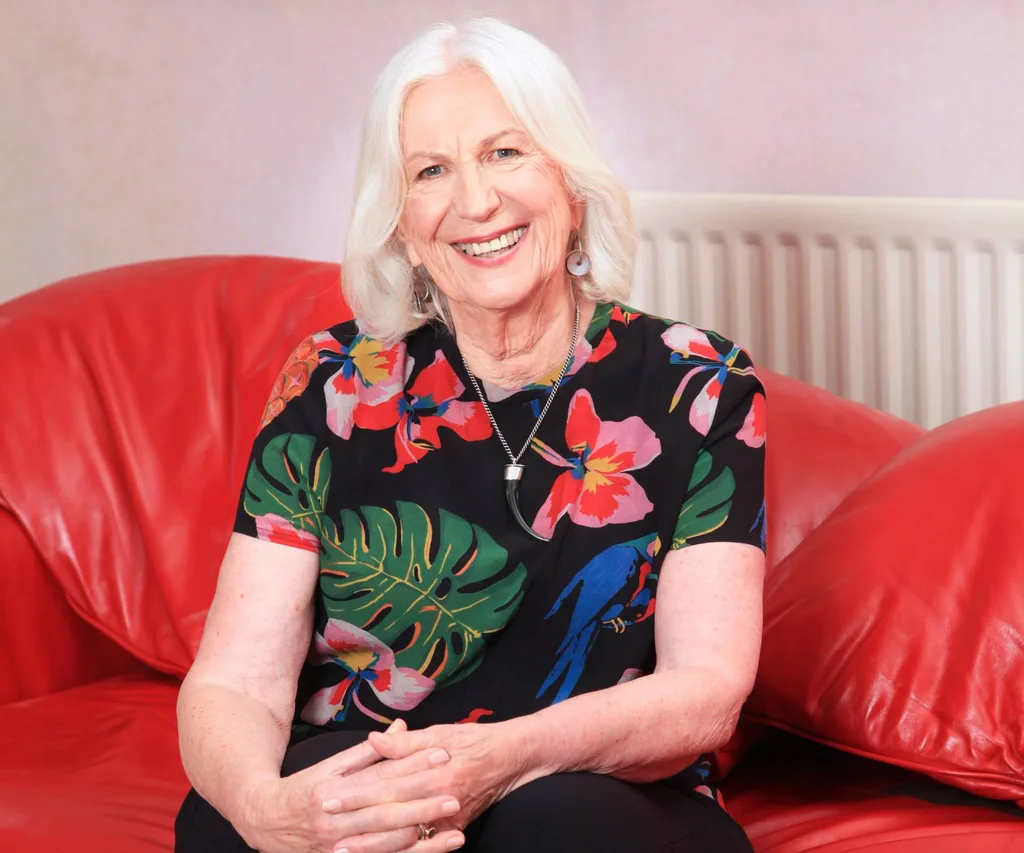
Anthropologist Dame Anne Salmond is a distinguished professor at the University of Auckland. Made a Dame in 1995, Anne was New Zealander of the Year in 2013 and awarded the Order of New Zealand in 2020. She has been elected to the National Academy of Sciences in the US, the British Academy in the UK and the American Philosophical Society, which was founded by Benjamin Franklin.
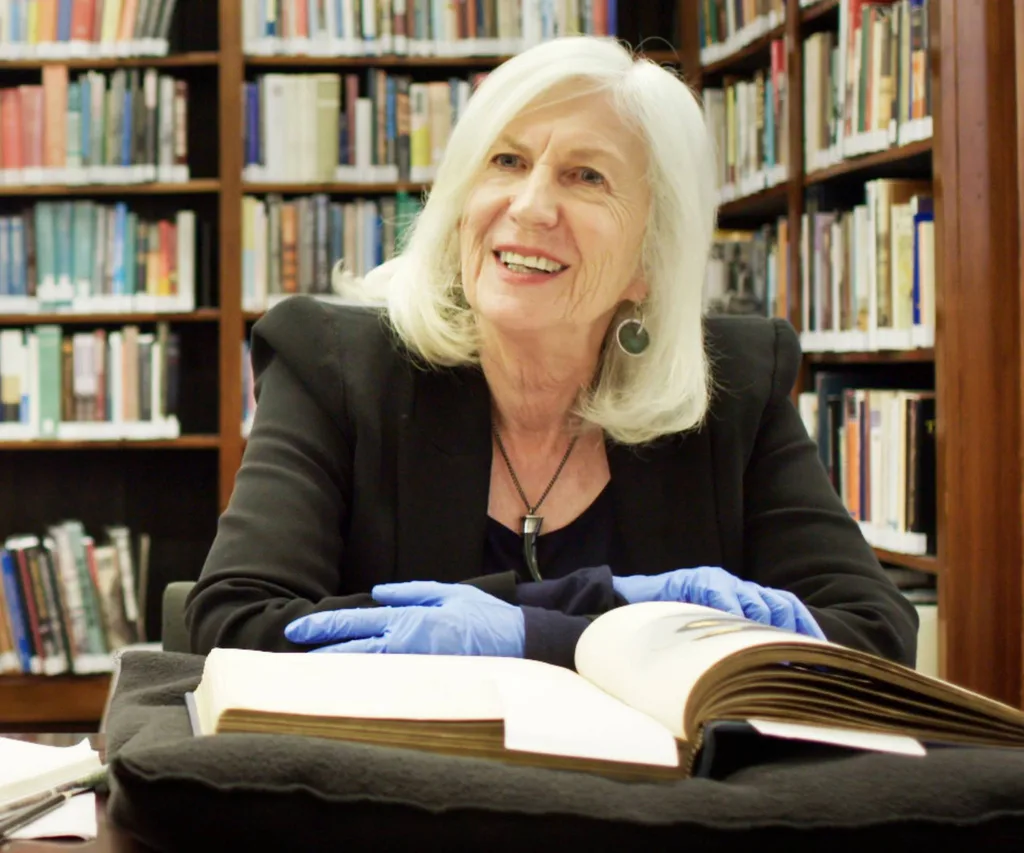
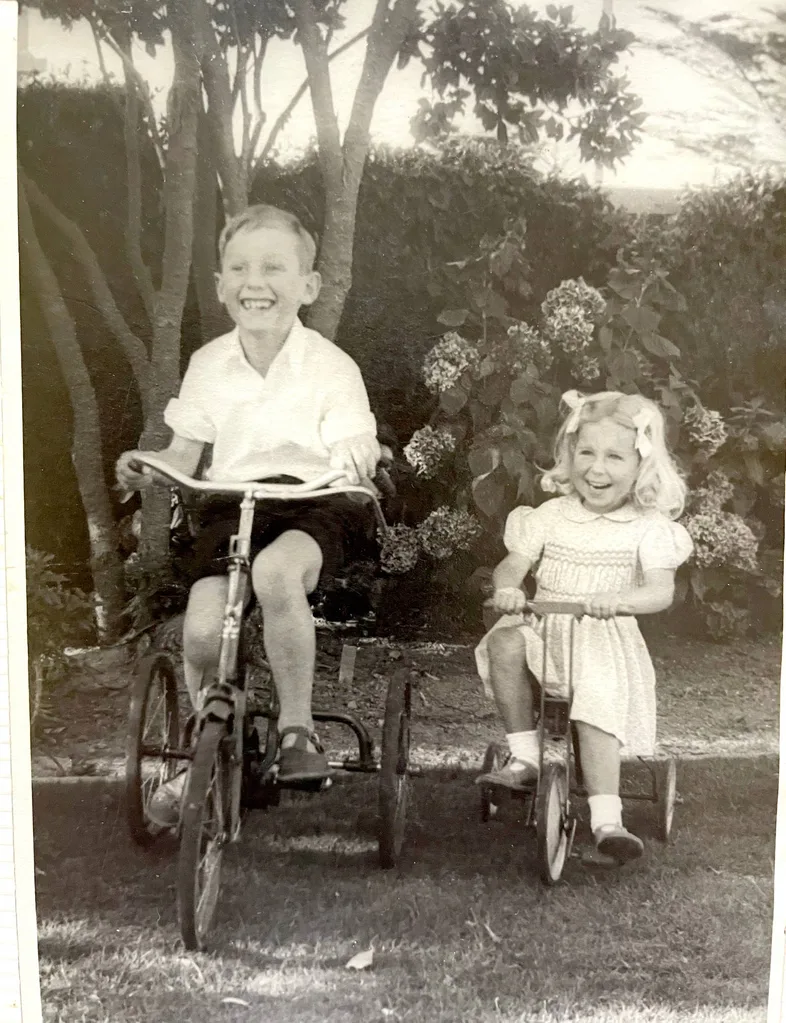
I was the second eldest in a family of eight and mum relied on us older children to help look after the younger ones, including a pair of twins.
Mum had a system where my two younger sisters and I each had a boy. Mum, who loved kids, would say, ‘Girls, get your boy and do his teeth’ or whatever, which worked very well.
Our parents went through the Depression and the war, and during World War II, Dad got TB.
When he was sent to the sanatorium in Christchurch, Mum wasn’t supposed to go as she had my older brother, but she went anyway and dad said that saved his life.
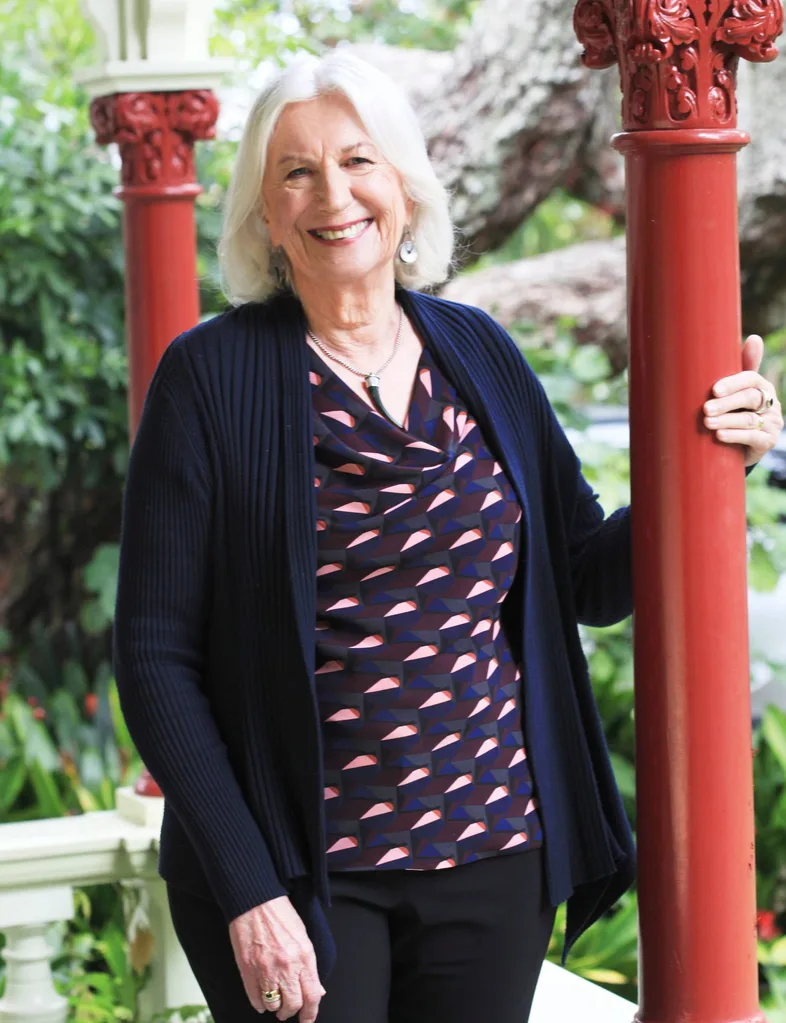
I was 13 when I went to board at Solway College in Masterton.
We’d go there by train and Dad would take us to the station as Mum couldn’t bear saying goodbye. Going away was tough, but it was a good school with some excellent teachers.
I was selected for an American Field Scholarship when I was 16, partly because I was good at public speaking.
We flew over on an old Pan Am Clipper that broke down in Hawai’i. While we stopped for repairs, they put us up in the Hilton. I remember sitting on Waikiki Beach and thinking my life had begun.
I went to a huge co-ed high school in Cleveland Heights in Ohio.
I was in the Glee Club and the volleyball team. I got my letter sweater and I went to the prom. It was everything I imagined America would be. At the end of the year, we toured different States by bus. In Washington, we went to the White House and John F. Kennedy gave a speech on the lawn. He was very charismatic. He knew exactly how to talk with a crowd of 2000 kids from all over the world. He told us we could change the world.
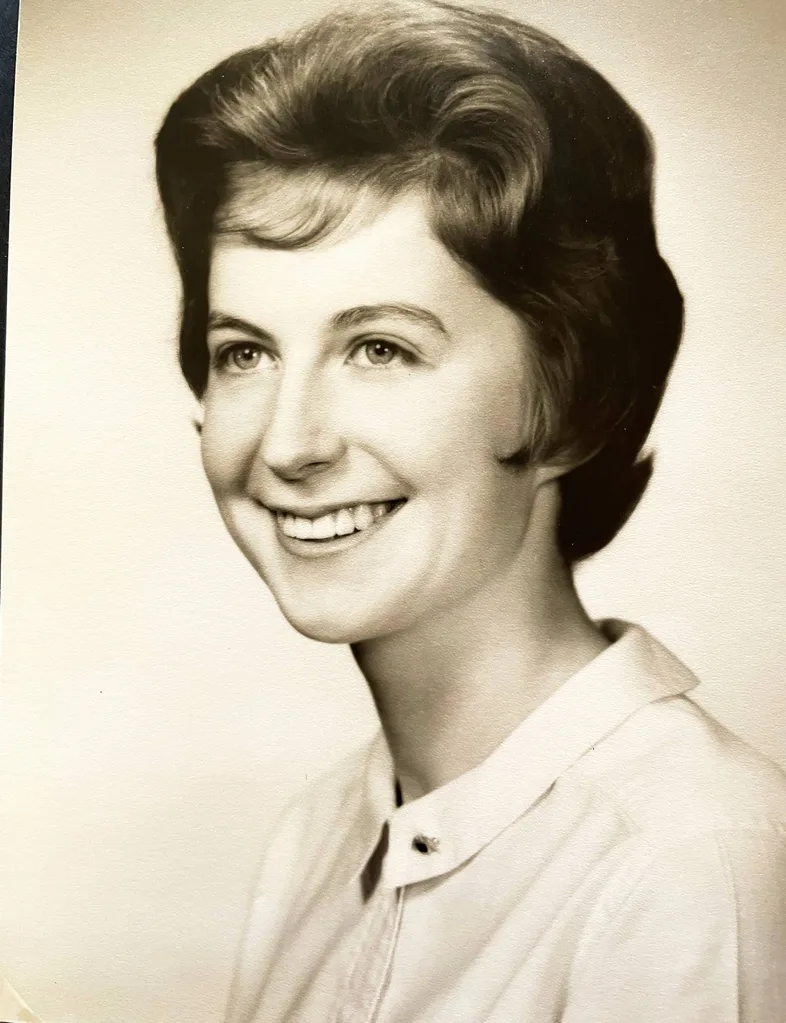
A lot of Pākehā in Gisborne were prejudiced, but Mum wasn’t.
She was friendly with Lady Lorna Ngata and Peggy Kaua, impressive women who’d trained in kapa haka with Sir Āpirana Ngata. Mum asked them to teach me some action songs before I went to America. That was my first point of contact and whenever I launched a book in Gisborne, they were always there making sure I minded my Ps and Qs.
I had an epiphany in America, partly because I’d taken a class called International Relations, where we read Coming of Age in Samoa by Margaret Mead.
That, combined with meeting kids from all over the world, made me want to study anthropology. Dad said I’d never make a living, but he’d help me go to varsity if I learned shorthand typing. I always had something to fall back on.
I always loved learning and reading, and I had brilliant professors.
I was also lucky to meet Eruera and Amiria Stirling in my first year. Eruera was a tohunga and tribal expert, but quite austere, and Amiria was a kuia, a fantastic raconteur with a great sense of humour. They accepted and embraced me, and they started teaching me.
I became a junior lecturer at the ripe old age of 20.
I even had some professors in my first class, including Keith Sinclair. I taught in a room in the old Arts Building and because I looked so young, a custodian once tried to kick us out. He banged his blackboard dusters together because he thought we were students having a meeting, and the class cracked up.
After my Master’s, I went to a very remote atoll in the Solomon Islands to record the local language.
It was 1967, I was 20, and my father dropped me at the airport. He fixed my supervisor with a steely glare and told him that his daughter better come home. It was a big adventure with feasts and dancing on the beach. Because the language had parallels with Māori and they had no English, not even pidgin, I learned so much. After three months, I was dreaming in that language.
I returned to America to do my PhD at the University of Pennsylvania, where all the best sociolinguists were.
I was just about to set off when I met Jeremy at a party. He was playing classical guitar – the guitar was like a magnet to me – and we started talking. And that was that. I was away for 18 months and we wrote to each other every day. It was hard, but I did my papers really fast.
I was coming back to a position at the university, so I splashed out on a bright blue VW.
As part of our reunion, Jeremy and I drove to meet his family, who were from Gore. In Palmerston, we ran out of gas in the middle of the night and the gas stations were shut. We had to sleep in the car and when we met his old maiden aunts, they didn’t believe our story one bit!
Jeremy was funny, kind and gifted, and we had a wonderful life together.
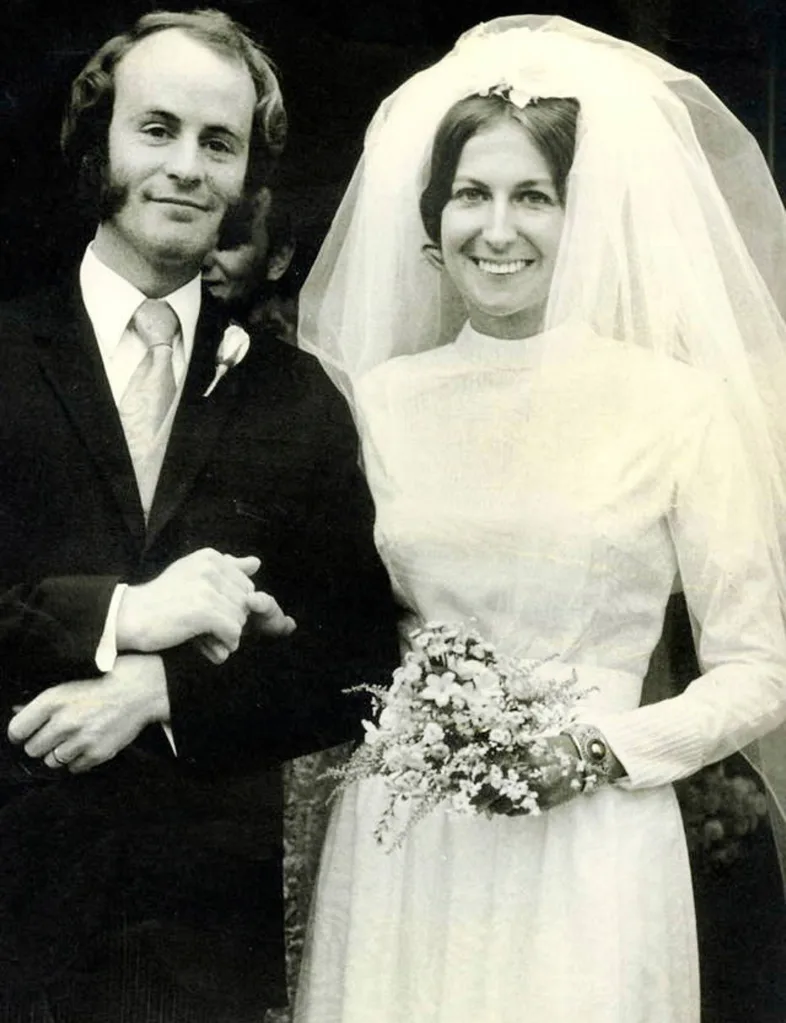
We also had each other’s backs. I loved how he was strong in some areas and I was strong in others. We were married in 1971, then Jeremy and I went to England after he finished his architecture degree for a brief OE.
There were only two women professors at the university when I started having kids and because I came back from our OE pregnant, the university almost didn’t take me back.
I won’t say which professor was difficult, but a very feisty anthropologist called Nancy Bowers swore at the men in the staff meeting.
She said, ‘You’ve got three children and you have two! What are you talking about?!’
So I only got my job back because a female colleague stood up for me.
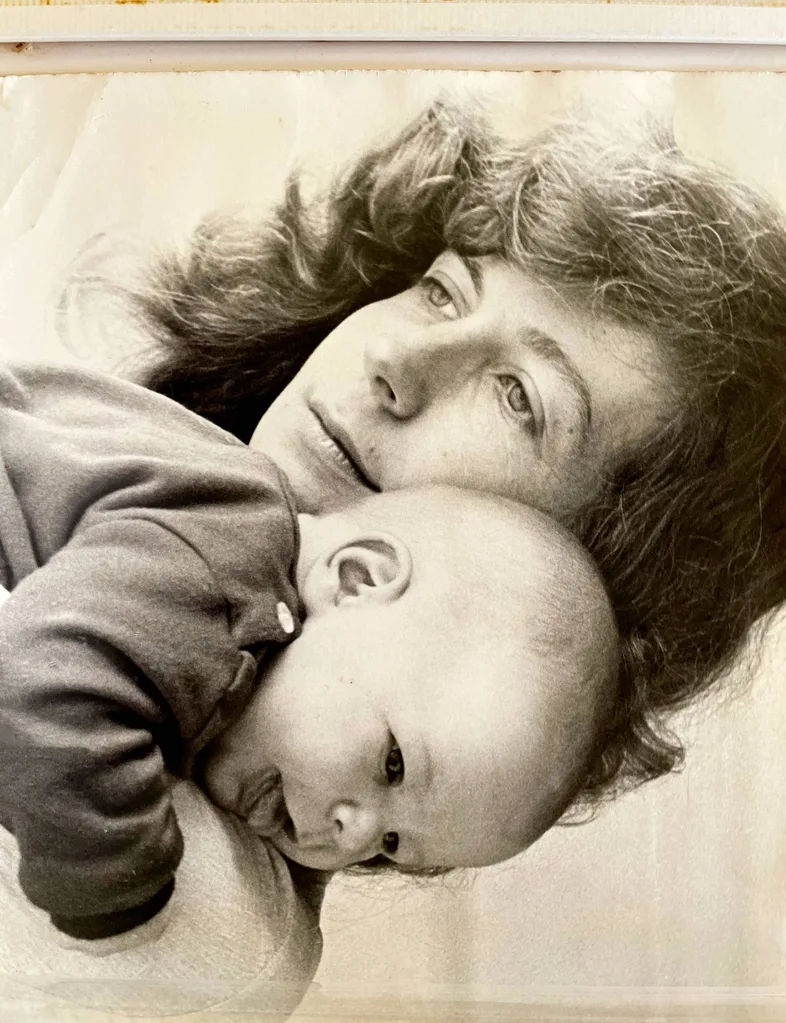
I was very pregnant and giving lectures to these big classes when I gave birth to Amiria in the May holidays.
The kids erupted in a standing ovation when I returned, thrilled I was safe and partly relieved I hadn’t given birth in front of them.
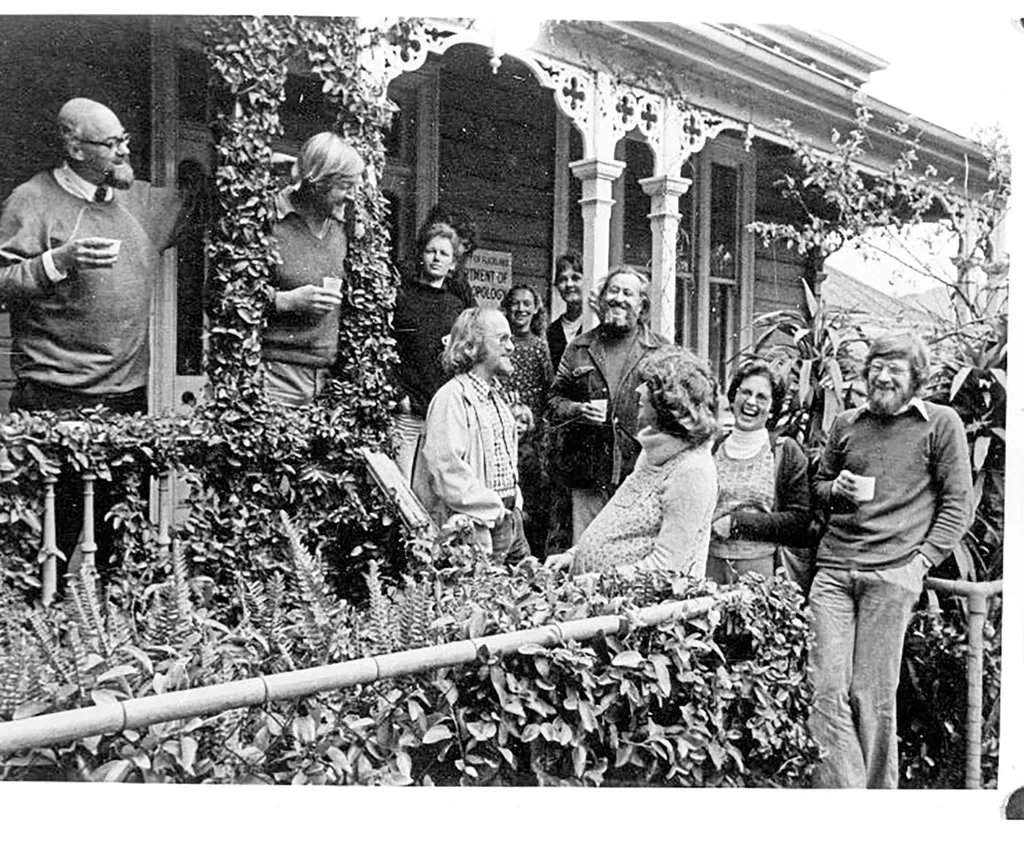
Mum came up for short periods and my colleagues were great, including the men.
I did my lectures and worked at home much of the time. I’ve always worked at the kitchen table, so I was never away from the kids. It was frustrating for them at times, and frustrating for me too, but Jeremy was wonderful and our children are amazing people.
I always wanted four kids, but because Eruera and Amiria were godparents to our children, Eruera named them.
He called our third-born Tamati Potiki Whakarakaraka, which means the very special last child, so that was that. I now have four grandchildren aged from 18 to four.
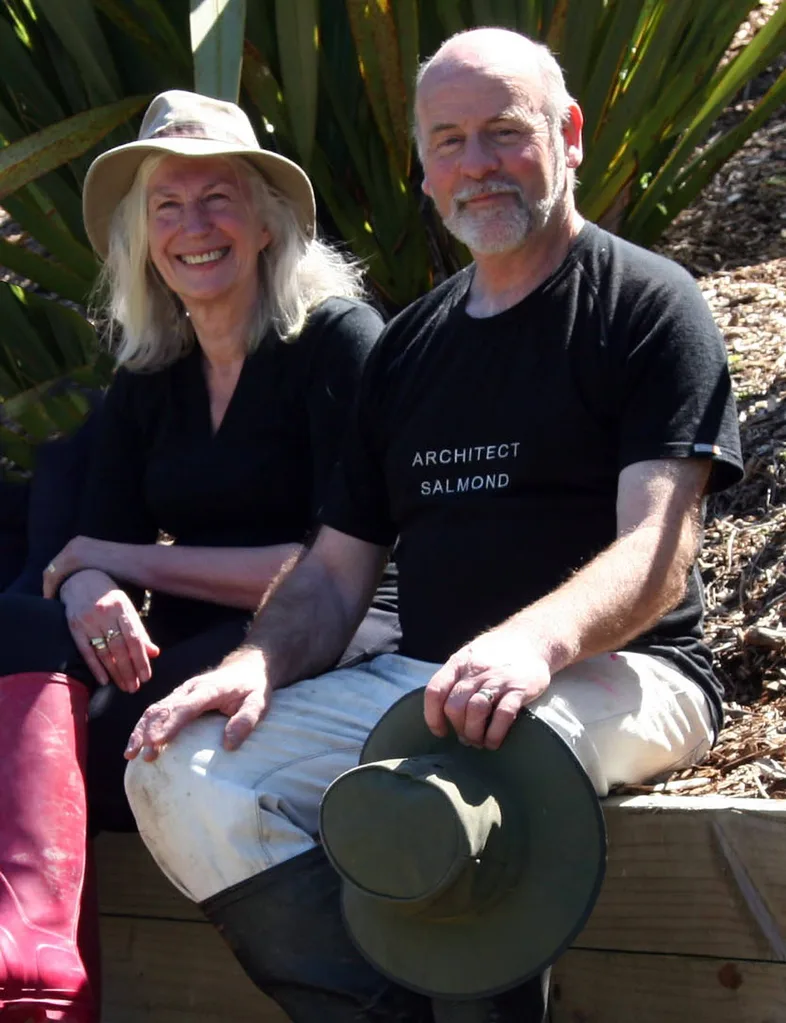
Twenty-five years ago, Jeremy and I were in Gisborne when we saw a For Sale sign near a swimming hole at Longbush, a stretch of bush we used to visit in the summer.
The land was up for sale for forestry or grazing, but we refused to let pines take over this magical bush and river haven. We saw a pair of kererū sitting on a branch in front of us, who started to chat. We looked at each other and decided to try and buy it, partly to save Longbush and partly to have a place of our own.
It was impulsive, but we ended up with 120 hectares.
Grazing had stripped the riverside bush and left the forest floor bare, so we launched a restoration journey that continues today. Coming for a long weekend every month for years, we’d talk and plan on those long drives, and I always had a notebook to jot down all the jobs we’d do next time.
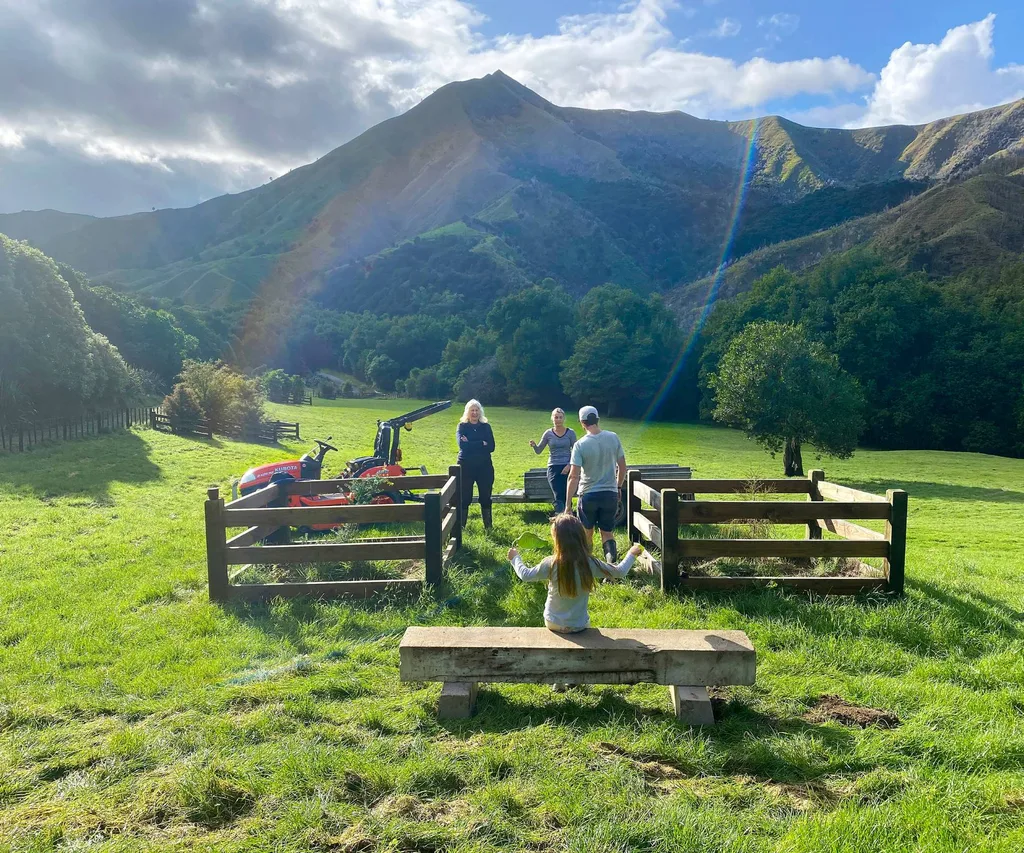
Jeremy was a conservation architect, and he always wanted the place to be beautiful, not just sticking trees in the ground.
Our land is a perfect circle of hills with a river down one side and three streams running through it. At the top of the valley, there’s a tapu mountain, Motukeo, a leaping off place of spirits.
Jeremy was diagnosed with a very bad cancer in 2000, the year after we bought Longbush, and it’s partly what pulled him through.
When he died in 2023, we buried his ashes there under a totara tree. He’s been gone two years now and it’s awful, but so many people loved him and we were lucky to have been so close for 54 wonderful years.”