




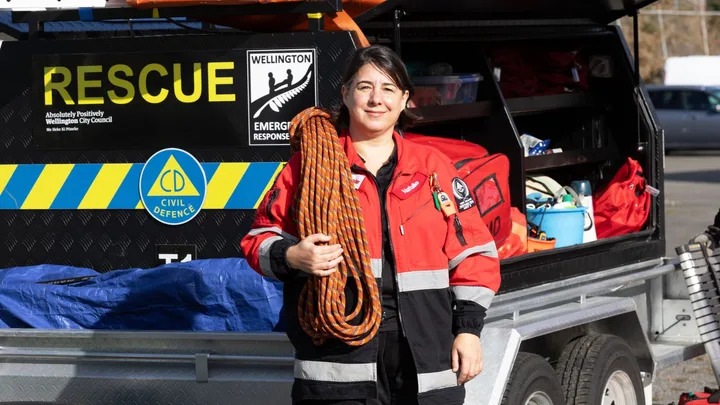
As a humanitarian response worker, Natalie Gyles’ career has taken her from floods in the Philippines to an earthquake and tsunami in Indonesia, and from supporting people displaced by conflict in Ukraine to those affected by the Nigerian crisis.
But whether she’s across the world or back home in Wellington with the highly specialised NZ-RT8 volunteer emergency response team, the focus is always the same – people and communities, and helping them as much as she can.
“I try to be useful,” says Natalie, 48.
With her unique skill set and considerable experience, being useful is definitely an understatement. But anyone who knows Natalie won’t be surprised that she downplays her own contributions. She’s deeply humble and repeatedly reminds the Weekly during our interview that she prefers to focus on the collective work of her fellow volunteers rather than herself.
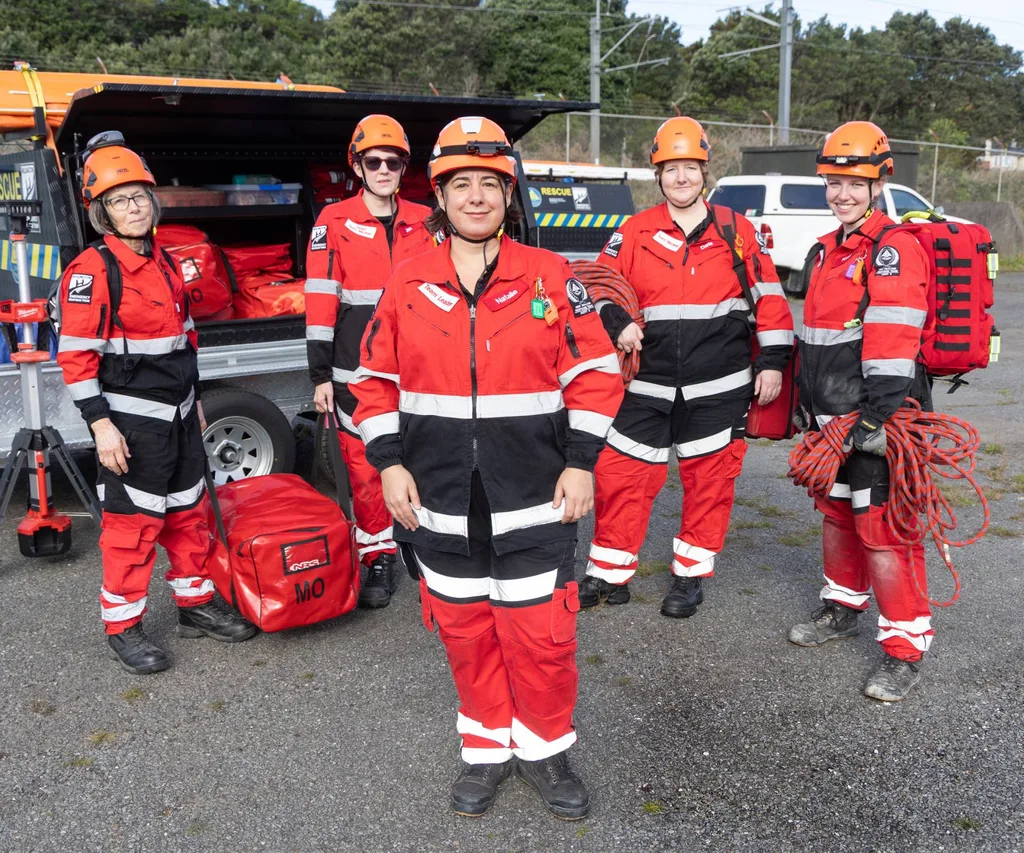
NZ-RT8 is the Wellington arm of a nationwide network of emergency response teams that support Civil Defence Emergency Management Groups across New Zealand.
“It’s great being part of a team,” enthuses team leader Natalie.
“It’s people of all ages, stages and careers. But they’re keen and do the mahi. We all train together and end up doing some amazing things.”
On call when disaster strikes
The team can be called on at a moment’s notice. Natalie even had to postpone our interview recently due to severe storms that caused flooding in Wellington. First up was reconnaissance and welfare checks, followed by her team sent off-road in 4WD vehicles to help a nearby community cut off, and isolated by landslides and washouts.
“I really enjoy local-level boots on the ground, getting out there face-to-face and supporting people to get their lives back together.”
Women in rescue operations
When Natalie joined NZ-RT8 a decade ago, she was often the only woman at training. Now, Natalie proudly points out that women make up around 45 percent of the team, bringing a wide range of skills to the role.
“It’s not always about strength – often it’s as much about technique, taking a moment to assess the situation and different ways you can do something,” explains Natalie, on some of the reasons women are a real asset.
A first taste of rescue training
Recalling her first experience with NZ-RT8, Natalie says she volunteered as a casualty during the annual 12-hour training assessment, where recruits tackle intense, fast-changing emergency scenarios before becoming fully operational.

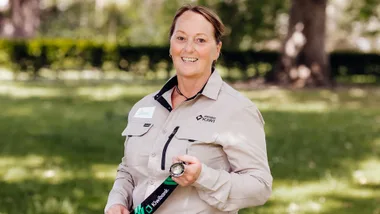

“I turned up at an abandoned block of flats, and had to pretend I was trapped with an injured leg and glass had cut my face. There was prosthetic make-up and I had to act it out until they came down on ropes to rescue me.”
Answering the call to help
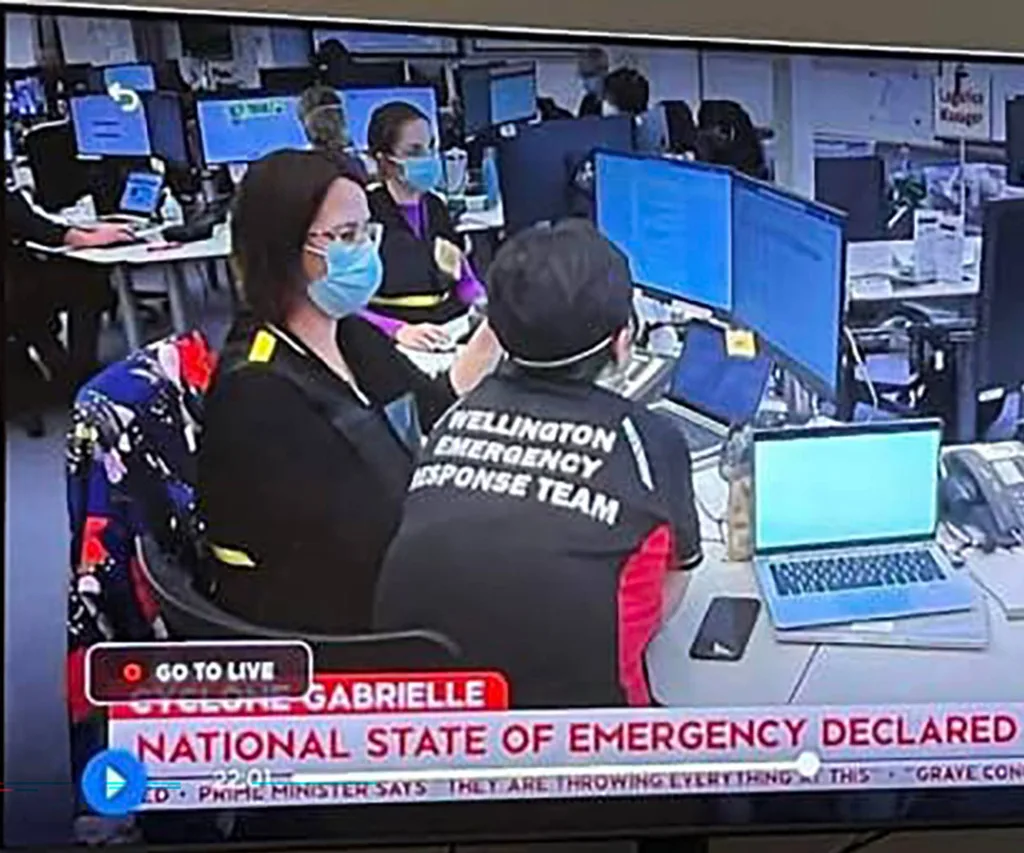
Natalie watched the volunteers in action, felt instantly impressed and signed up on the spot. The weekly sessions see them undergo specialised training and qualifications for a wide range of emergencies. Over the past 10 years, Natalie has assisted in many emergencies round the country, such as the 2016 Kaikoura earthquake, the Auckland anniversary storms in 2023 and Cyclone Gabrielle just weeks later.
In her day job, Natalie takes on short-term contracts locally and around the world for a variety of organisations, including as a professional humanitarian response worker for the international Red Cross and Red Crescent network. Sometimes, Natalie gets deployed with as little as 24 hours’ notice.
“For me, it’s normal to be doing a lot of different things and to jump from one response, or preparedness activity, or project to another,” she shares.
An unexpected career path
Asked how she ended up here, Natalie smiles, explaining, it started with a science degree, then studying theatre production and working internationally backstage, followed by a decade in financial
services technology.
She says that what all of those roles had in common was allowing her to meet and get to know people from many different cultures and walks of life.
She reflects, “I knew that I could apply my experience and skills to support humans, and their communities, in the international response space.”
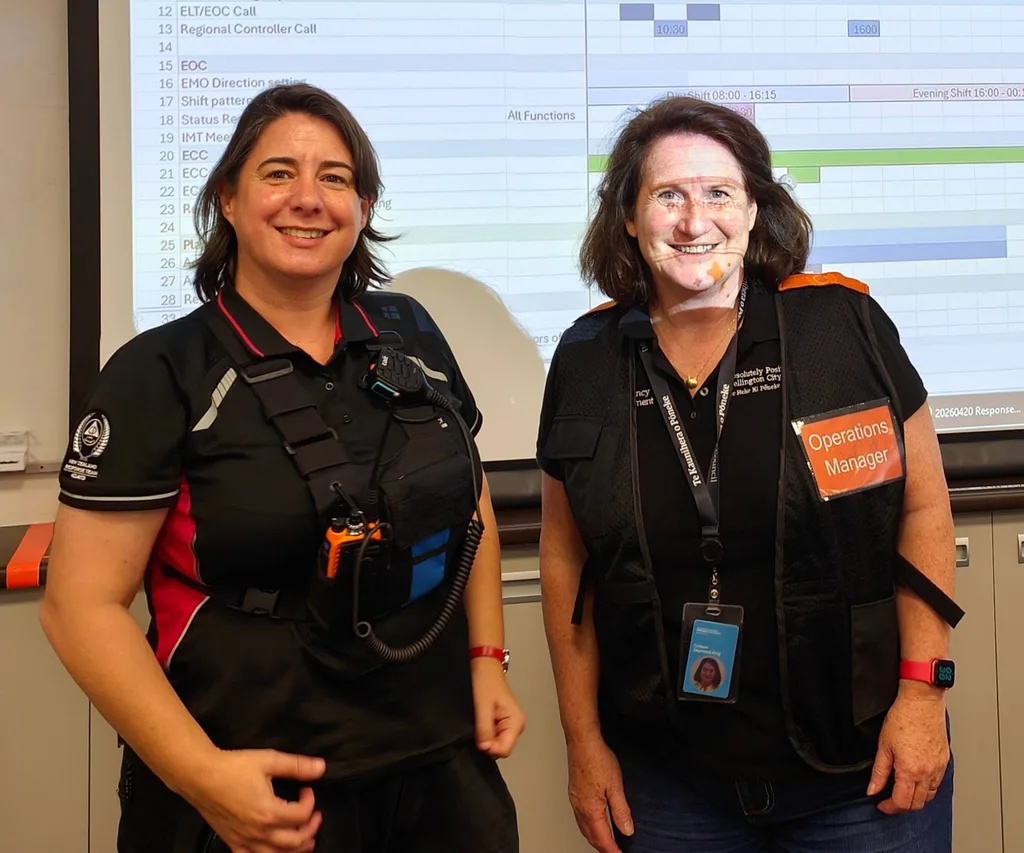
No two days are the same
Now, her days are incredibly diverse. She might be leading vital data collection or coordinating information systems, as she did during the pandemic in Switzerland, or ensuring that people who have lost everything in a natural disaster can access cash and vouchers to rebuild their lives.
At other times, she’s on the ground, in the midst of an emergency, helping any way she can.
“They all stick with me in different ways,” says Natalie.
A team effort above all else
Her impact is undeniably impressive, but as we finish our interview, in true Natalie style, she brings it back to the collective effort.
“Although we’ve talked a lot about me, it’s actually always about a whole team of people working together.”
To donate to NZ-RT8 or find out more, see wellingtonresponse.org or for nationwide teams, visit facebook.com/NZResponseTeams