




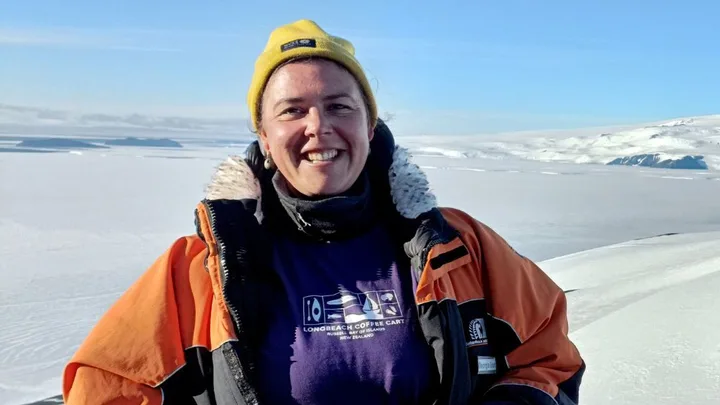
When Georgia Grant was preparing to head to Antarctica to drill sea ice, the furthest thing from the geologist’s mind was her body.
Having travelled to the world’s coldest, driest and windiest continent twice before, as well as by boat to Greenland, the 38-year-old thought she knew exactly what she needed to do to prepare.
What Georgia didn’t anticipate was a trip to the doctor would show her body mass index (BMI) was too high for her to be part of the expedition.
“I’ve never been small,” she tells Woman’s Day. “My whole family’s not small. I did know about the restrictions, but last time, it just wasn’t that much of a concern.”
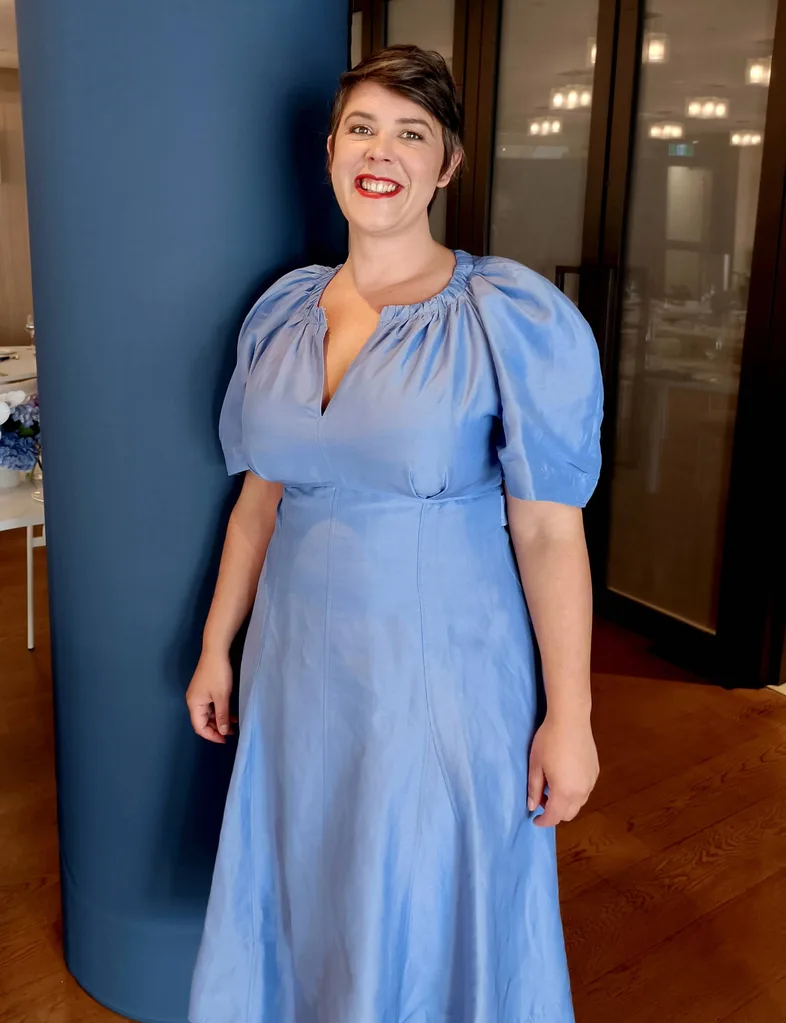
Putting in the hard work
With only six months to drop enough kilos to pass the medical assessment, as motivation, Georgia decided to sign up for the IronMāori triathlon, an annual endurance event that takes place in November in Hawke’s Bay.
“That way, I felt like I was losing weight for the event,” she explains. “There was this element of, ‘I can’t believe I have to lose weight for work!’ It was infuriating.”
Despite juggling her research with training as well as overseas travel, Georgia was delighted with how she raced.
“It was incredibly surprising because I’d only jumped on a bike and ridden 10km twice before the triathlon,” she laughs.
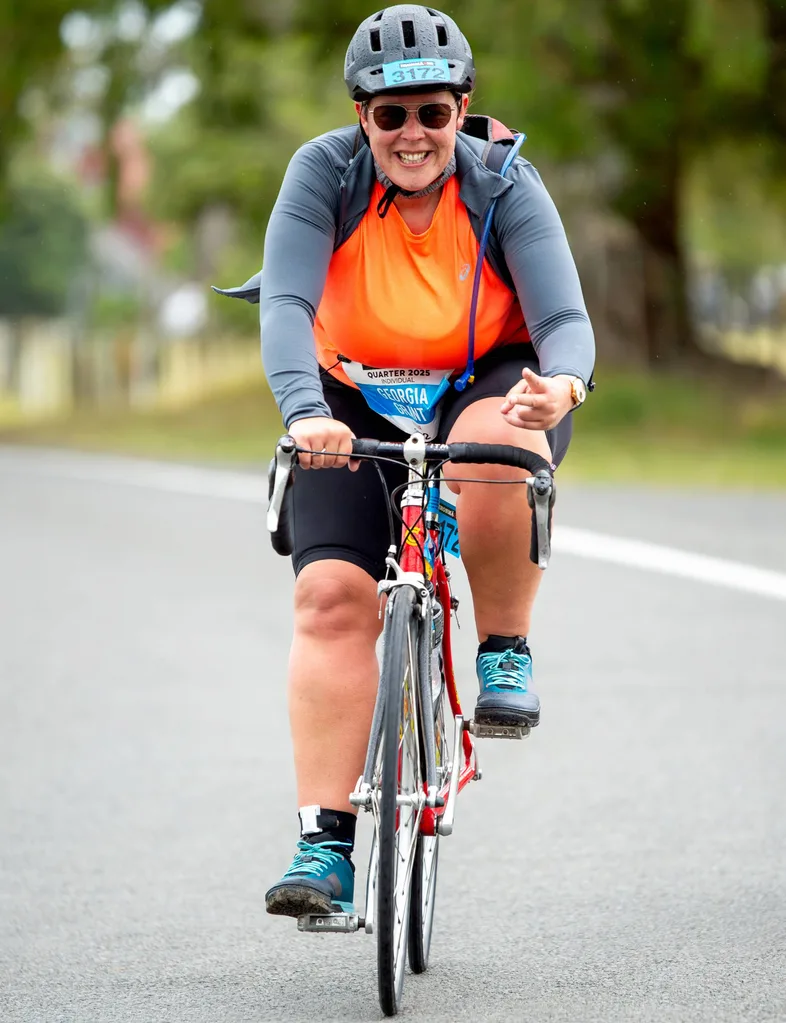
Three weeks after having successfully crossed the finish line, Georgia went for her medical. While her doctor confirmed she’d reached the required BMI, follow-up ECG tests put her over the weight limit again.
“They hook you up to heart and blood pressure monitors just to make sure there’s nothing going on that they can’t deal with, but a woman’s weight changes,” she says. “In between the time when I’d gone to the doctor and went for the ECG tests, my BMI was once again over.”
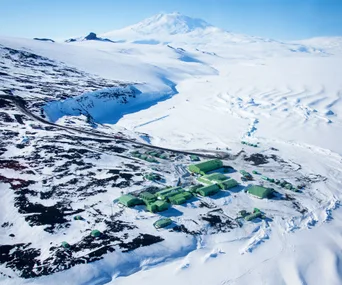
After a final visit to her doctor, she was given the all-clear to head to Antarctica.
.jpg?resize=380%2C285&format=auto)
“I was so relieved – mostly for the team because trying to find somebody else within that time frame would have been tough.”
The silver lining was that Georgia went to the ice last Christmas feeling not only fit, but with the energy and focus she needed to give her all to the expedition too.
Georgia’s biggest inspiration
Georgia credits her early childhood growing up in Northland’s remote Mimiwhangata, where her father Tim was a DOC ranger, as her inspiration for becoming a scientist.
“We were immersed in the wonders of the environment,” she tells. “The supermarket was over an hour away and if there was a slip on the road, we’d be stuck there for a couple of weeks. I have fond memories of camping in the lounge when the power went out and playing board games.”
One of her favourite activities as a kid was listening to kiwi with her dad.
“Occasionally, if we were lucky, well-behaved and quiet, we could go listening with Dad,” she shares. “It was a real treat to silently sit in the dark waiting to hear a kiwi. Dad had that passion and love for New Zealand’s native species. It was a priority in our family.”
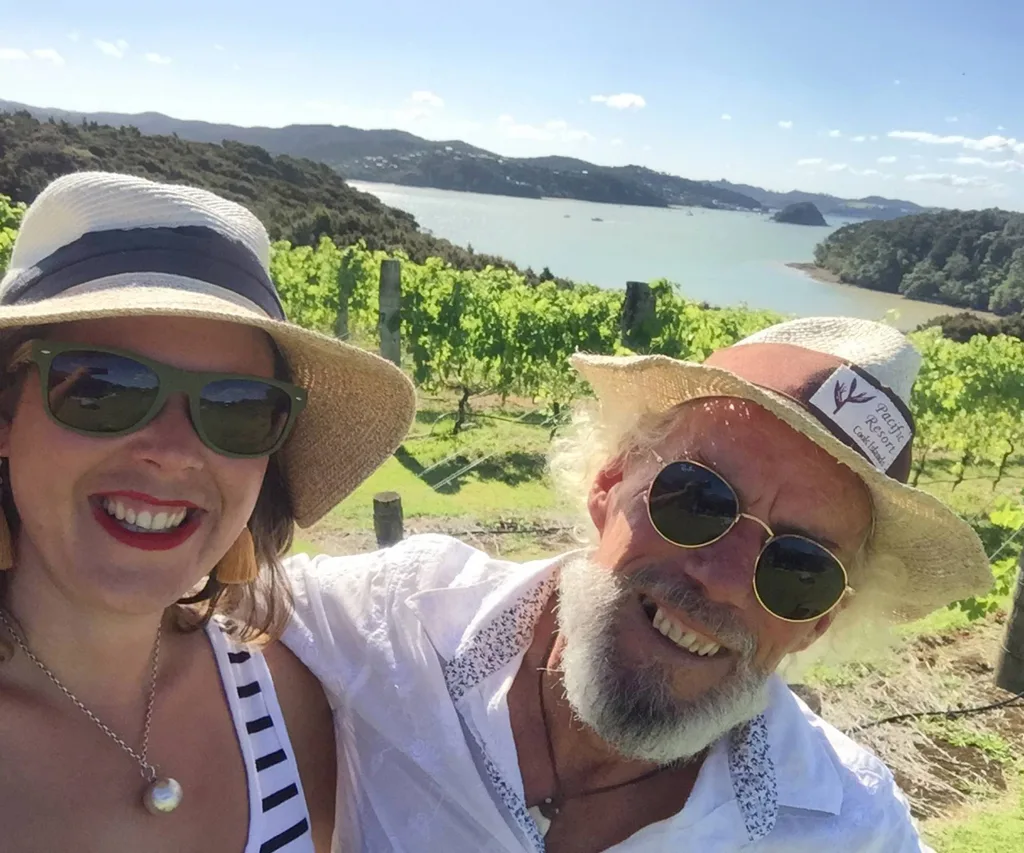
Sadly, Tim recently passed away and it’s his memory that kept Georgia strong as she endured living in a small tent in sub-zero temperatures while working 12-hour days drilling sea-ice cores on the remote West Antarctic Ice Sheet.
“Dad was a very happy person,” she recalls. “He taught us to be kind, generous, help others and enjoy what you do. He gave us endless, endless support.
“I was inspired to tackle climate change through sheer stubbornness because it’s something that mattered to me. He taught us that whatever the barriers, we could work our way through them.”
Making waves for women in science
The nature of Georgia’s groundbreaking work – which has seen her win an international L’Oréal-Unesco Women in Science fellowship and a Science New Zealand award – means she’s had a front-row seat to seeing how much more support there is now for wāhine researchers travelling to Antarctica. She recalls the anxiety she felt before her first trip in 2017.
“There are so many questions, like how do you go to the toilet? In my first season, luckily, there was a female chef who helped me understand what to do with all my period and sanitation products. She
gave me zip-lock bags and taught me what needs to go into each bucket because you have to separate everything.”
Fast-forward to 2025 and with a third of the crew now female, that has all changed.
Georgia grins, “They’ve introduced Shewees [urination devices] for girls and this time round, what to do as a lady was just part of the camp familiarisation at Scott Base. It’s really cool to see.”


Share this post