




 Photography: Cole Eastham-Farrelly.
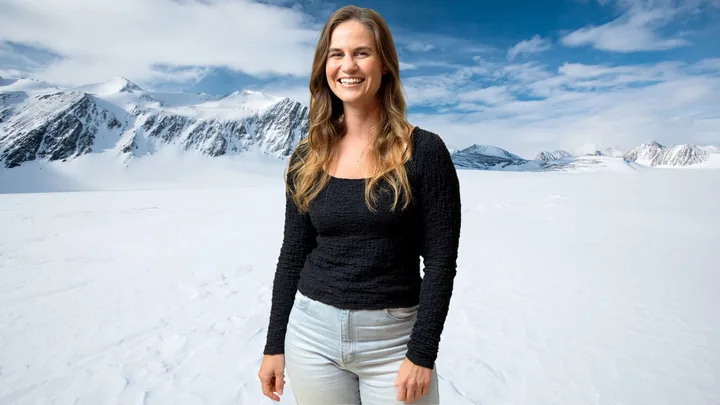
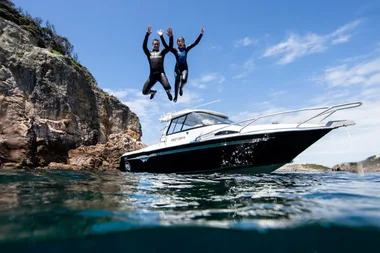
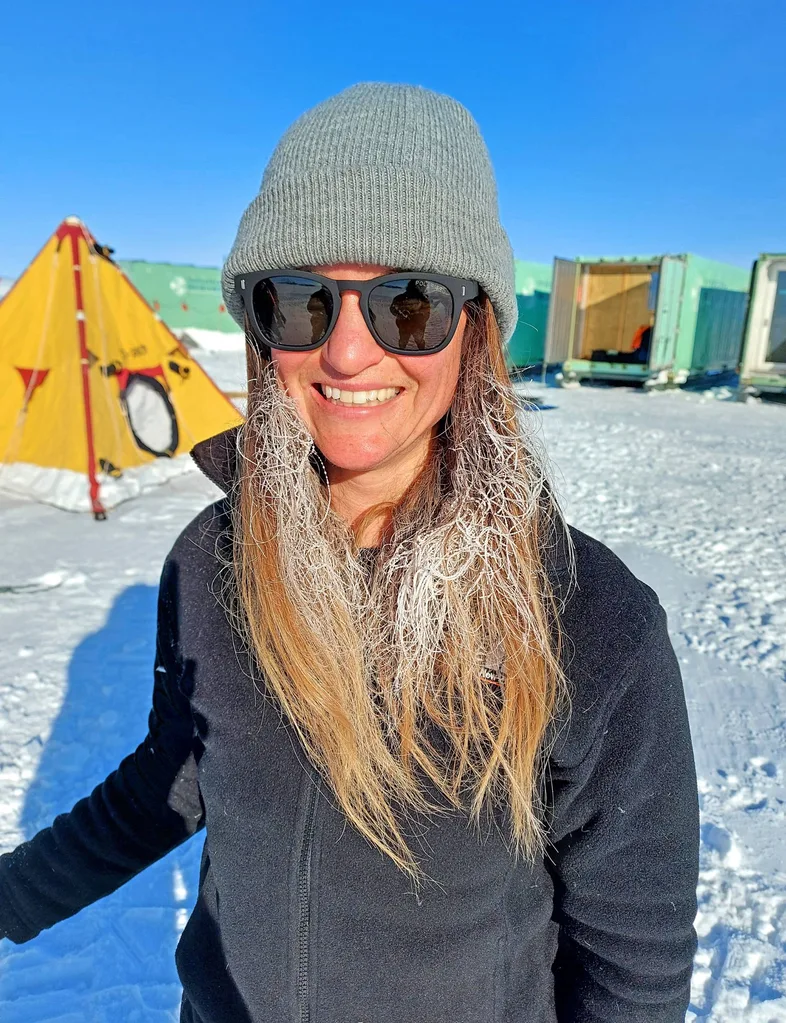
When marine ecologist Dr Jacqui Stuart was awarded a scholarship to go to Antarctica, she never imagined the opportunity would lead her to a role on the silver screen. A keen surfer and scuba diver, the 34-year-old’s also a talented graphic artist and musician, who’s so passionate about the microalgae she studies that she even writes and records catchy tunes about what she finds living beneath the sea ice.
“Originally, I thought, ‘What kind of sad sack studies microalgae?’ But those littlest things helped me better understand my own place in the environment,” Jacqui tells.
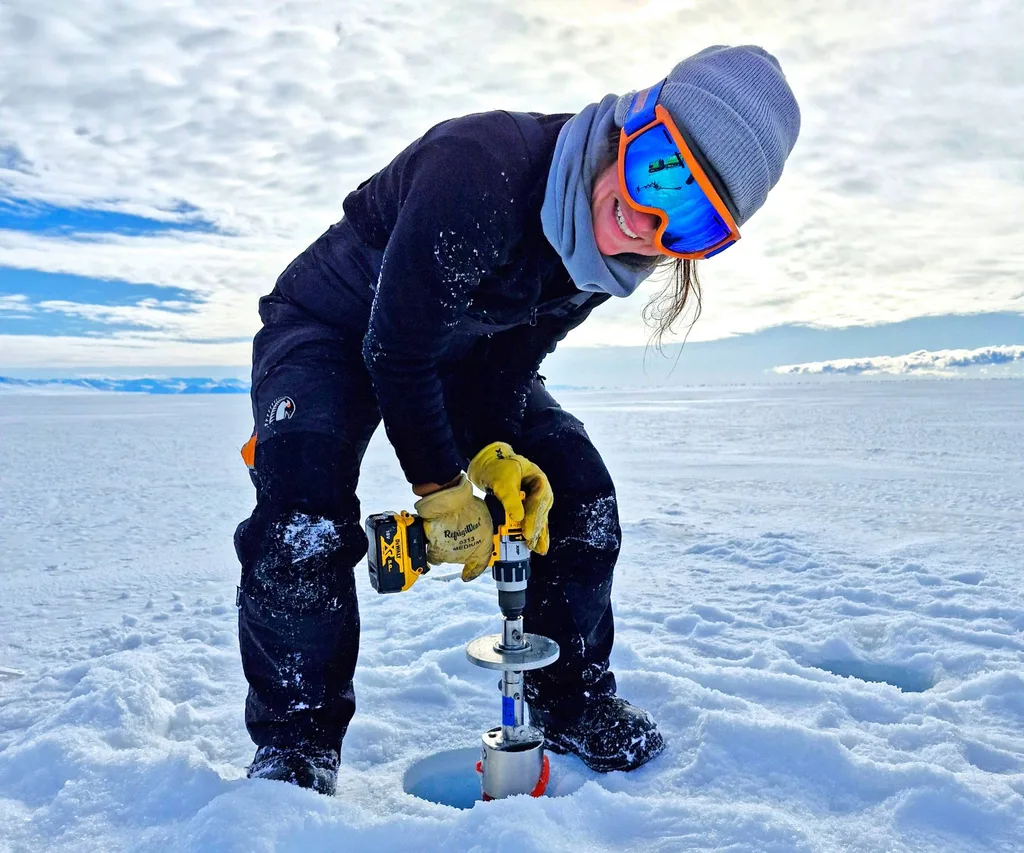
It was while she was midway through her PhD at Victoria University of Wellington that she got the opportunity to be part of an expedition to the world’s most isolated continent to collect samples for her research.
“While we were down in Antarctica, a documentary crew was making a film about climate change. But it was Natalie [Robinson], our expedition leader, who was the focus of that film. The rest of us were just in the background, which meant we could be ourselves.”
The film takes a new direction
But once back in New Zealand, the film’s director, Vanessa Wells, called to say she’d watched the footage and wanted Jacqui and another scientist, Professor Patricia Langhorne, to have larger roles.
Jacqui explains, “They liked the idea of three generations of women being the core of the story – Pat, a physicist in her seventies who paved the way for women in Antarctic research, Natalie, an oceanographer and mum, and me. That’s how the film became so personal.”
Science, storytelling and hope
Shot in 2022, the resulting documentary is called Mighty Indeed, the title taken from one of Jacqui’s songs about phytoplankton. As well as focusing on climate change, the film reveals the importance of holding on to hope in a changing world, and features charming cameos from Dame Jacinda Ardern – who was prime minister at the time – and her ocean-loving husband Clarke Gayford, not to mention some elegant Adélie penguins and a whiskery Weddell seal called Chonky.
But it’s the three women who are the stars of this show as they share the deep personal decisions that drive their scientific studies, including Pat’s concern for the world her mokopuna will inherit and Natalie’s worry about her kids’ future.
A deeply personal reflection
“I’ve actually decided not to have children,” Jacqui reveals.
“Although I’m absolutely not telling other people what to do and I will still love being part of my friends’ children’s lives.”
Life in Antarctica’s field camp
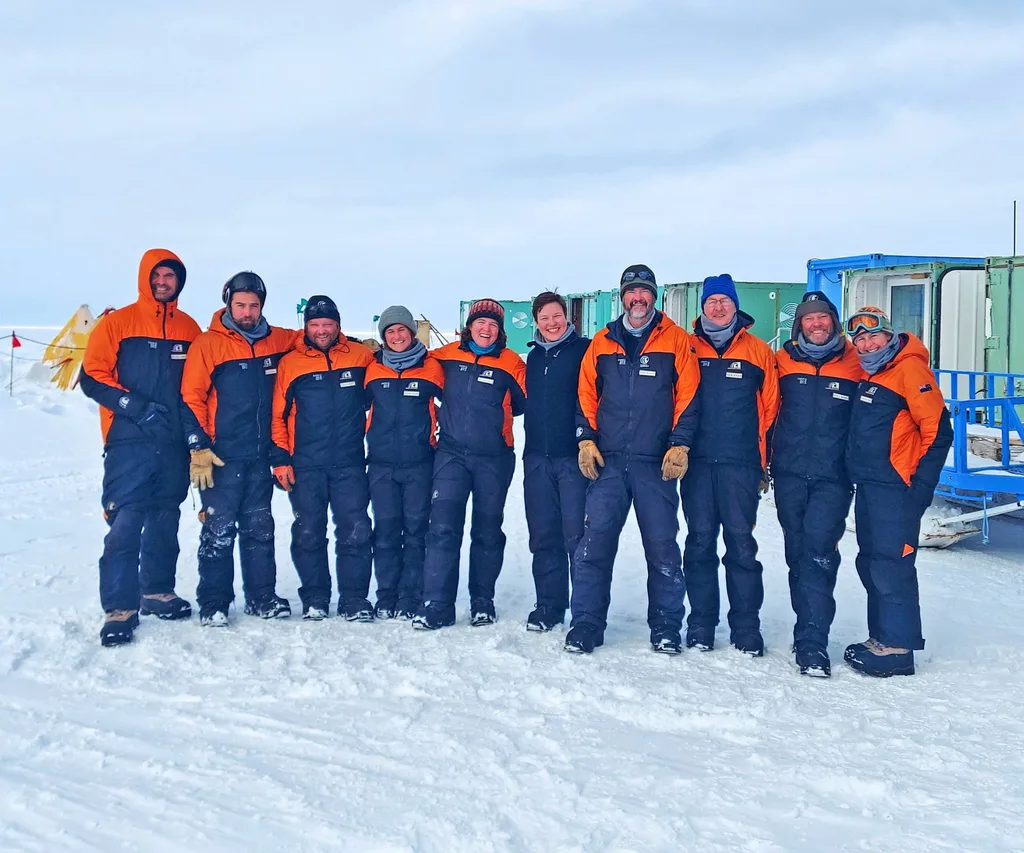
As for those six weeks on the ice, the intrepid scientists made camp about eight kilometres from Scott Base, where conditions are basic.
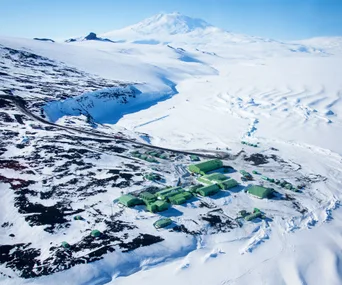

“We had some very difficult weather and fresh fruit is a rarity, so to make it through such a challenging experience, to be really pushed and still succeed in that space was very rewarding,” she enthuses.
While Jacqui says she missed family and friends while away – not to mention the mod cons, like toilets and showers! – being removed from the world had its benefits.
A rare digital detox
“There was no wifi down there that year and I limited myself to just one call a week on the satellite phone. It was very peaceful not to be pulled in a million different directions.”
And whenever Jacqui woke up exhausted, she had her team’s support.
“I could go into the kitchen, tell someone how I was feeling and they’d be like, ‘What can we do today to make this work for you?’ We still had to solve problems and be on our game because in that environment, if you’re not paying attention, it can be dangerous.”
Coming home also proved intense.
The shock of returning home
Jacqui tells, “I was warned about the potential for overwhelm – the smells and sounds of a city, and people wanting my attention. It was the start of summer when I returned and when I was walking past a garden at one point, it was like being slapped in the face with the smell!”
As for Jacqui’s fears for our planet, she admits she has good and bad days.
Finding ways to stay grounded
“I’ve developed tools to get me through. The combination of science, being creative and being in nature help me stay well. And I love working with micro-organisms because without these little heroes that we cannot see, the world would be a very different place.”
So despite tough conditions on the ice and the wind threatening to blow their tents away some days, Jacqui lights up when she recalls her trip.
“Antarctica changed how I connect with people and science. Even though we have plenty to worry about, when you think about a daisy, how it can grow through a crack in the concrete, that image captures my hope for the world. Nature always finds a way and we are part of that system.”
Watch Mighty Indeed at rnz.co.nz