




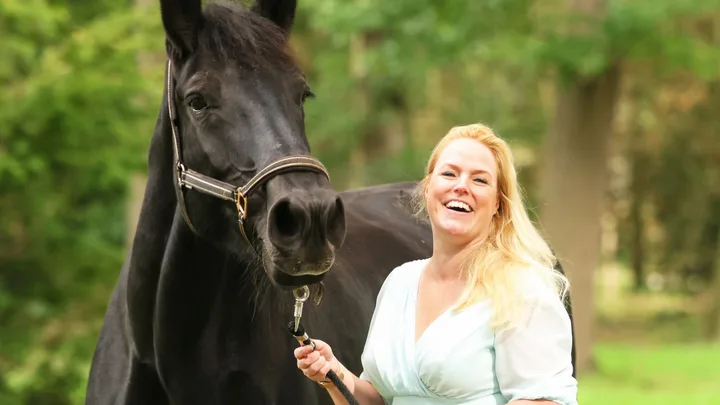
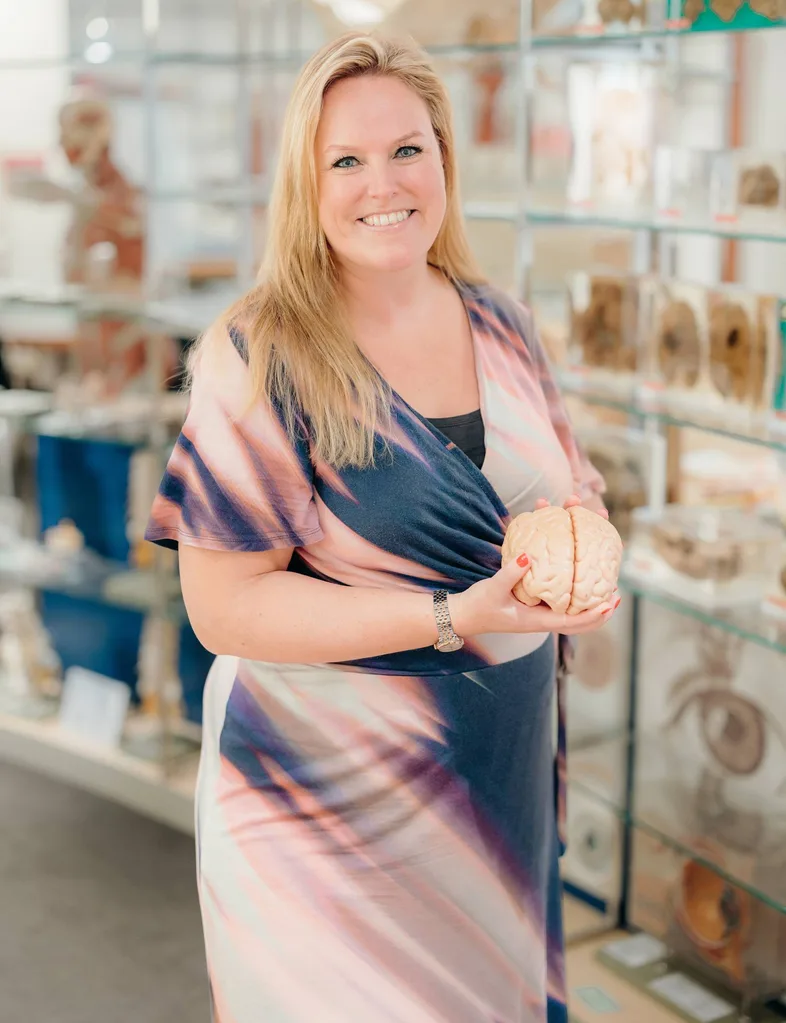
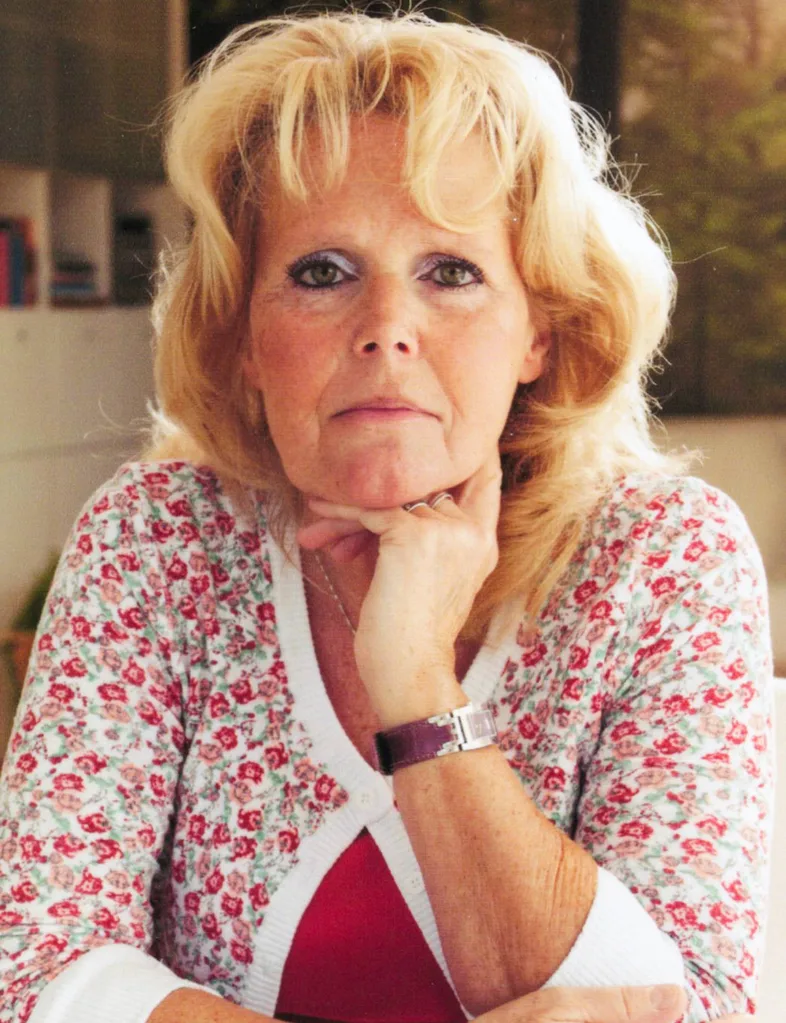
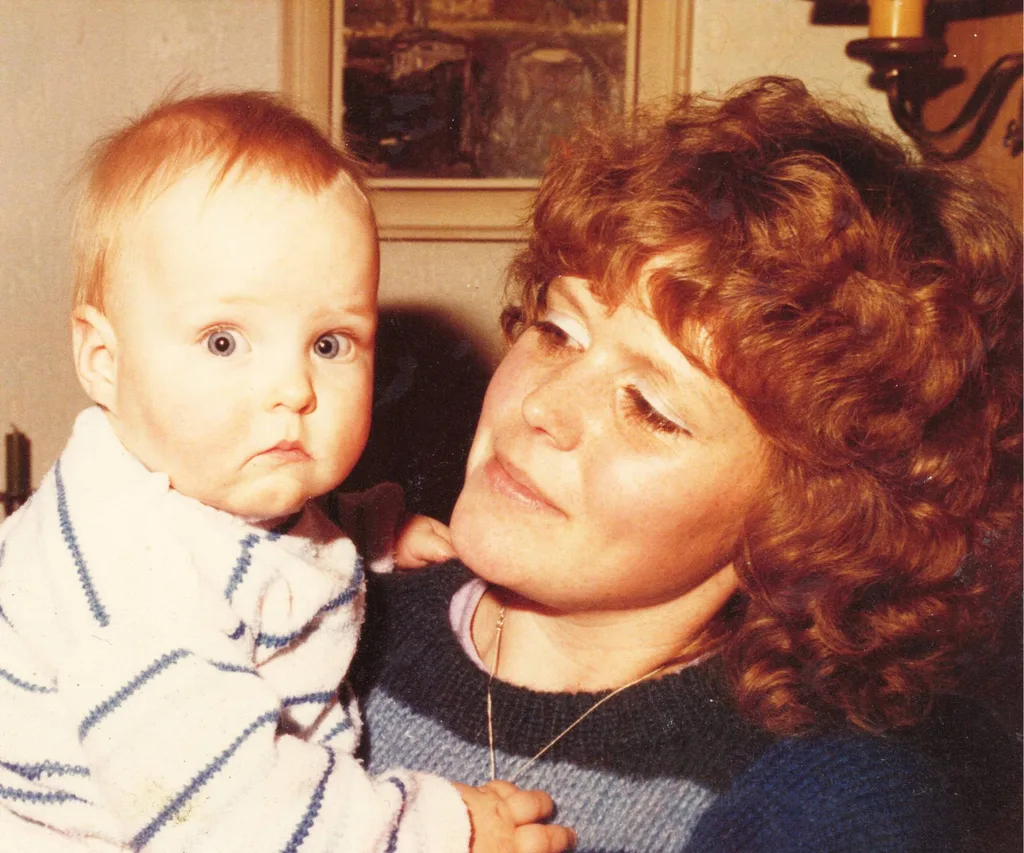
Professor Hanneke Hulst was just three when her mother Marijke Lammers was diagnosed with multiple sclerosis. While she doesn’t remember life any other way, the disease had a significant impact on the new director of the University of Auckland Centre for Brain Research, eventually inspiring her to become a neuroscientist specialising in multiple sclerosis.
“I have another perspective than an outsider researching the disease because I’ve seen it from the inside,” shares Hanneke, 43.
“I know first-hand its impacts, not only on the person with the disease, but on the life of their family too.”
Multiple sclerosis (MS) is a chronic neurological disease where the body’s immune system mistakenly attacks nerve fibres in the brain and spinal cord, causing a wide range of physical and cognitive symptoms.
A large part of Hanneke’s research has been about understanding the sometimes-missed cognitive impacts of MS, including how it affects memory, fatigue and information processing.
“These symptoms are usually invisible but really impact people’s lives,” explains Hanneke, who wants her work to change the way cognitive symptoms are considered in diagnosing and treating people with MS, including for women during menopause.
“That’s the least I can do,” she says.
A family built on flexibility
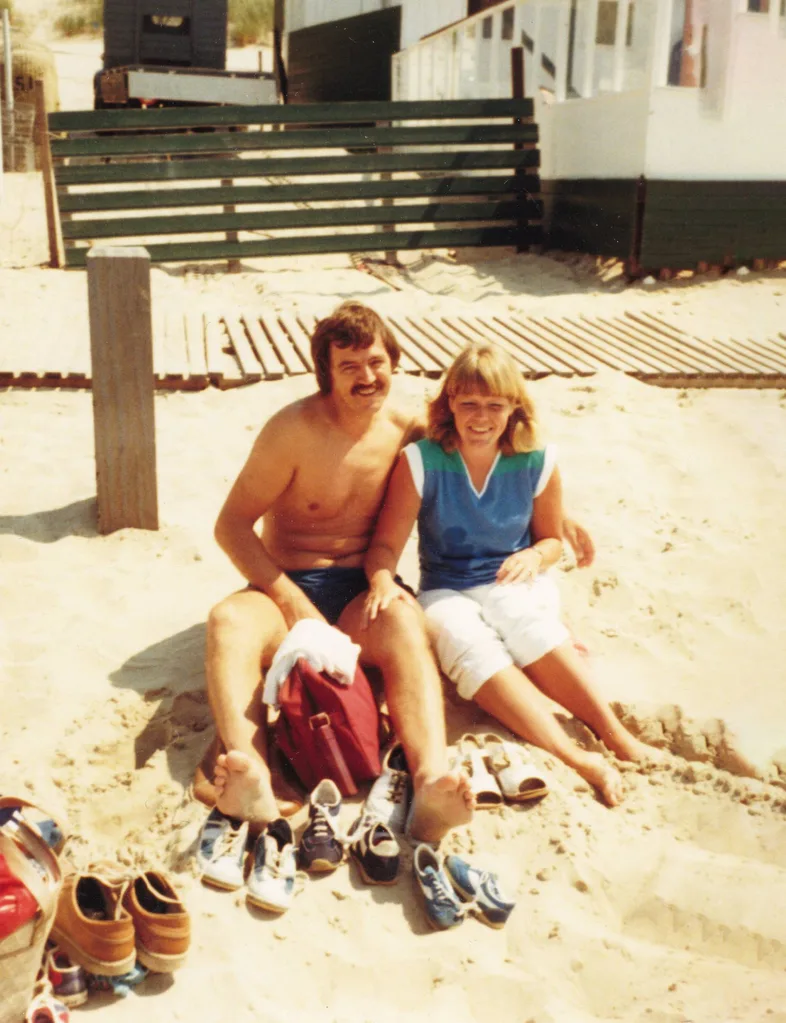
Growing up in the Netherlands, Hanneke, her three brothers and father learned early on how to adjust plans around Marijke’s varying fatigue levels and symptoms.
“We had to be flexible in our family,” recalls Hanneke.
At times, her mother described her symptoms “like there were nails underneath her feet”. On family outings, she would always bring a wheelchair, pushing it from behind until she couldn’t walk any longer. Strangers sometimes misunderstood, making jokes about the empty chair. As a teenager, those interactions were difficult and embarrassing for Hanneke.
But with time came a deeper appreciation for Marijke’s resilience.
“The more she walked, the more painful it became, but she was mindful that moving was good for health and always wanted to try to walk as much as possible first,” smiles Hanneke.


Choosing a path in MS research
Although she always dreamed of a medical career, Hanneke didn’t initially plan to study MS. First, she completed two Masters degrees in health science and neuroscience. The turning point was during her PhD, when her mentor asked her to choose between researching Alzheimer’s disease or MS.
“MS is really getting people in the prime of their life – usually between 20 and 40 – when they’re starting a family and building a career,” says Hanneke.
“I wanted to know how we can help people in this important time of life to be able to function as well as they can, even though they have this diagnosis.”
Her mother was diagnosed at 33 when she was running a busy household and raising four children. Hanneke will never forget sharing the results from one of her first PhD papers with Marijke
“I was really excited to tell her about it and she said, ‘Well, that’s nice that you’ve found this out now, but what does it actually mean for me?’”
The question stopped Hanneke in her tracks.
“My mum was very true to her core and authentic,” she smiles.
“It made me a better scientist because I learned from her questions. Now I work very closely with people living with the disease to really learn from them what they need to be solved.”
A mother’s lasting legacy
In 2015, Hanneke’s mother died from breast cancer at 61. But Hanneke will be forever guided by the principles she taught her.
“It really changed me,” she admits.
Last year, when Hanneke saw a job listing for the director of the University of Auckland Centre for Brain Research, it felt like an opportunity to embrace adventure and continue her life-changing mission.
So she packed up her life, left almost two decades of MS research in the Netherlands, farewelled her horse Queen, 16-year-old cat Oliver, and her nieces Joy and Lotus, and moved Down Under with her partner Mark Luijendijk.
Leading brain research forward
She now leads the strategic direction of the brain centre, a community of more than 400 researchers investigating the brain and seeking cures for a wide range of brain diseases. She also plans to launch a new research line focused on MS and quality of life.
“One of the things that makes me different is I really bring the combination of being kind and empathetic, but at the same time, I’m able to work towards a strategy and make the hard decisions,” shares Hanneke.
“I hope to be able to set an example in that domain.”
As her thoughts return to where it all began, Hanneke feels certain her mum would approve.
“With the move to New Zealand and taking on this role, I think she would say, ‘I don’t know where you got that courage from,’” muses Hanneke, who knows exactly who inspired her, adding, “I think she would be very proud of me.”