




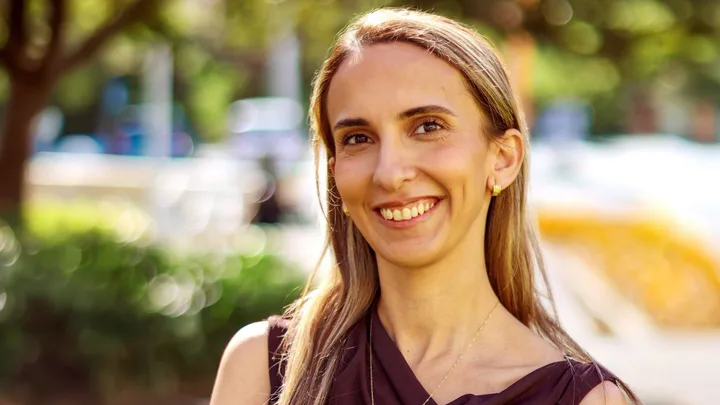
 Photography: Trina Isaako.
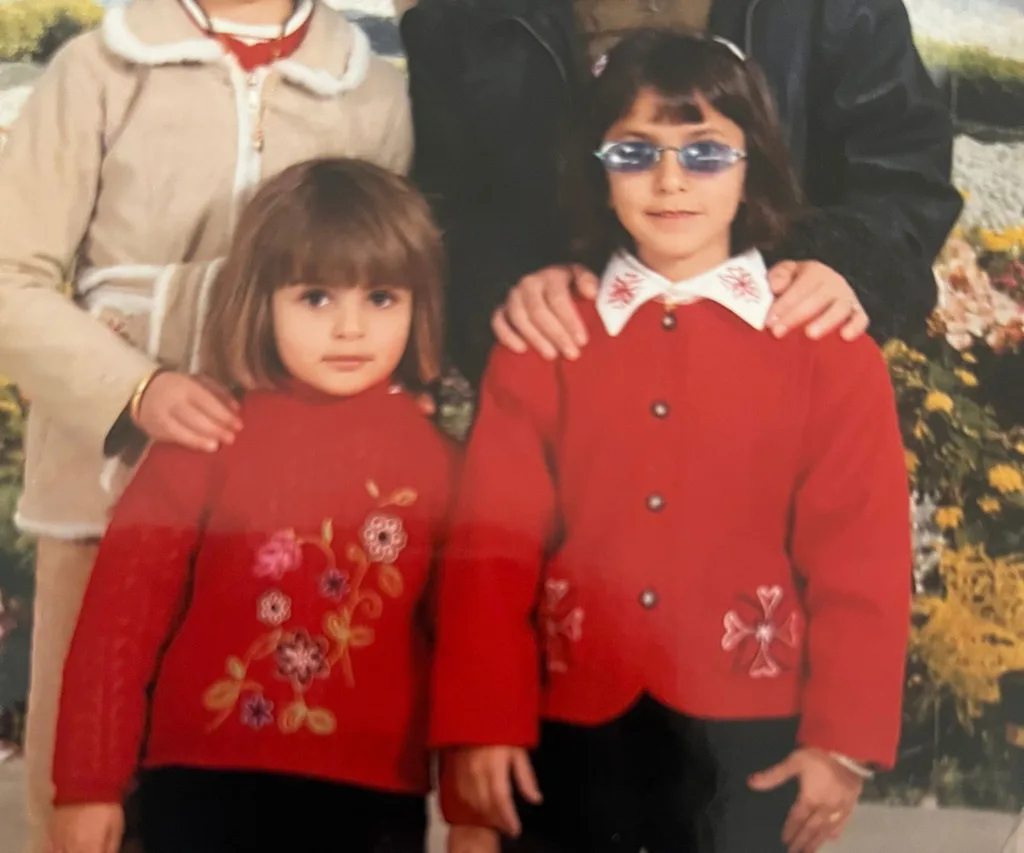
When Eman Ghandour was 10, she left the only home she’d ever known in Jordan to move to Dunedin with her family. With her father having the opportunity to finish a PhD at Otago University, even though she was growing up in a culture far different from her own, childhood felt relatively easy.
“As a kid, it wasn’t that hard,” she recalls.
“When you’re 10, someone’s playing football, and you just go and join them. I always had an English-as-a-second-language teacher, who I’m still friends with.”
However, when the career advisor and community leader moved from Dunedin to Auckland as a young adult, she suddenly found herself out of her depth and struggling to connect with people.
That was the beginning of experiencing depression.
“When I first moved to Auckland, I had to unpack a lot,” says Eman, 30.
“It was my first time being out of home, making new friends and trying new things. I felt like I was moving in and out of two cultures, and wasn’t solid in either identity.”
A lack of social connection and community is a common experience for many Kiwis, with the Helen Clark Foundation finding that only 53% of us agree that
our neighbourhoods have a strong sense of community.
Eman shares, “While I was struggling with depression, I realised I needed to prioritise my wellbeing. I started attending therapy, learning how to journal, and having honest conversations with my friends and family.”
Finding strength through movement
The other thing that really shifted for Eman was when she attended a boxing class.
“When I was going through my mental health struggles, I started boxing every day and exercise really helped.”
Today, she continues to box and has recently taken up running. Eman says learning to move her body regularly has been an important step. It’s one of the things she draws on in a mental health toolkit she calls her “kete of things”.



She explains, “As an adult, you learn what works for you and you keep putting it in your box. Sometimes you need all of it and sometimes only one thing. Knowing how to talk to yourself is important, as is family. They ground me and spending time with them matters.”
Finding her sisterhood
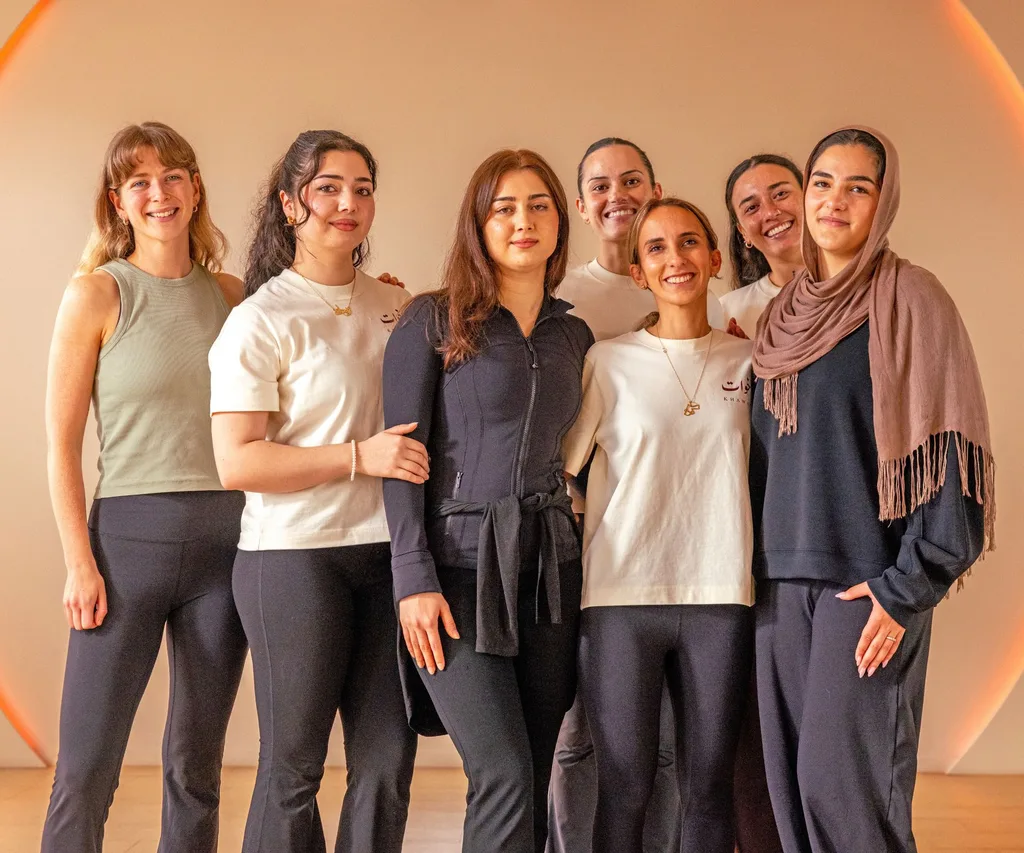
Eman also realised she needed other women who were like her. What started as a WhatsApp group for women of the diaspora – people who have left their homeland but want to stay connected to their culture and identity – has grown into the Khawat Network.
“Khawat” means “sisters” in Arabic and, over the past few years, Eman has become its driving force, supporting the group to blossom into a collective of 300 women. Finding community has been the grounding she needed.
“Our network is mainly for women of colour, but many of my Pākehā friends come as allies, and want to help and support us.”
While people join for many reasons, what keeps them there is the solid relationships they build.
“Some women feel stuck in their career progression and don’t know where to go or who to talk to,” tells Eman.
“Others don’t know how to negotiate salary, paid probation or pay, or understand that independent contractors need insurance. We have informal conversations about things many of us didn’t learn growing up.”
Making space for connection
For Eman, being part of the Khawat Network is life-changing.
“It’s given me a space I never thought I’d have in New Zealand because it’s created everyday connections with women going through similar things and sisters from around the world. When life gets hard, it helps to know you’re not alone and you have people you can check in with.”
While the events Khawat holds are mostly in Auckland, social media connects other members across the motu.
“We like to network in unconventional ways and focus on creating spaces where women can gather, much like men might over golf or a beer,” tells Eman, adding that such events have included an unlimited-doughnuts day and a breakfast attended by 40 women.
Making wellbeing a priority
One of Khawat’s most popular new initiatives brings together Eman’s two loves of exercise and connection. “Saha” means “health” in Arabic and each month, the Saha club meets to get active.
“We do something that involves the hobbies we wished we’d had the chance to experience growing up in our home countries – whether it’s running, surfing, kayaking, rock climbing or hiking.”
Eman says Saha is already visibly making the sisterhood stronger, which is important because many of them struggle with guilt around the hardship experienced by those in the countries they’ve left.
“People in the diaspora have resources and live in a developed country, so they feel they should be protesting and advocating for others. But how can we do that we haven’t cared for our own mental health? Sometimes we need to pause, look inward and support each other so we can be stronger.”
This week is Mental Health Awareness Week. For info, go to mhaw.nz. If you’re struggling with your mental health, text or call 1737 any time to speak to a trained counsellor for free.
For the Suicide Crisis Helpline, visit 0508 TAUTOKO. In an emergency, dial 111.