




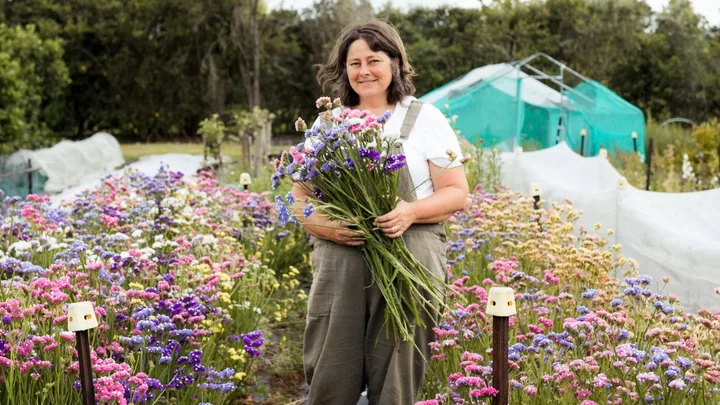
 Photography: Amy Hamblett.
Lisa Bindon loves looking out over the rows of dahlias, zinnias and sunflowers blooming on her family land. But it’s the decades of memories sewn in the soil that make it so special. It was here on her parents’ Point Wells property she planted her first-ever crops as a child, while helping tend to the family’s market-garden business. Now, more than 50 years later, it’s also where she’s tending to her own little farm, Flora Flowers.
“When I was a young child, my dad looked after me while trying to get the market garden going, so I spent lots of time outside in the dirt,” recalls Lisa, 52.
“I remember being out in the hot summer helping with the watermelons. I was always very excited if someone dropped one because when it cracked, we got to eat it and were always covered in sticky watermelon juice.”
The emotional attachment now is just as strong.
“I know my parents absolutely love that their land is still being used and they’re always out there having a look at what I’m doing,” she says.
“You don’t realise as a kid, but oh, my goodness, they worked hard.”
While Lisa cherished her childhood, she never planned on following in her parents’ footsteps. Instead, she was enrolled to start vet school in Palmerston North. That changed during her last year of high school. Work experience made her realise she wasn’t cut out for the inevitable euthanasia of healthy animals that didn’t have a home.
A career bloom begins
“I looked at what else was available at Massey. They offered horticulture, so I did a quick switch without really thinking it through.”
Next came working in a large plant nursery, then self-employment as an artist while she raised her three children before training as a florist. In 2018, she started to grow her own flowers.
“I very quickly caught the flower-growing bug. It’s a bit of an addiction,” laughs Lisa.
Turning passion into business
Come 2019, she was selling to florists.
“It feels like a hobby to start with, then you realise you’re a fully-fledged business and making business decisions rather than hobby decisions.”
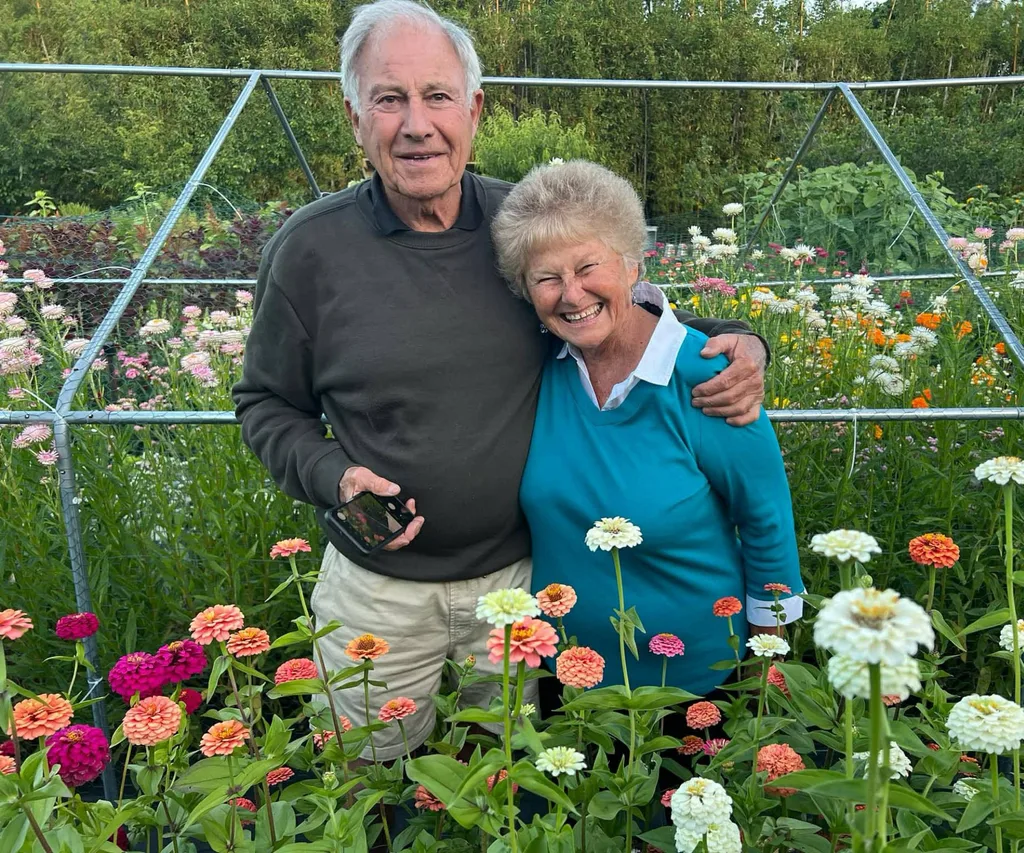
Now she grows both on her parents’ land and her own Warkworth lifestyle block, where she lives with husband Greg, 55. Once dubbed “the flower farmer in training”, he’s now the “volunteer flower farmer” after leaving a 35-year career in computer programming to help Lisa on the land. Although spending her days among flowers is visually stunning, Lisa says the reality is very different. People often over-romanticise what is actually a busy and physically demanding job.
The reality behind the blooms
“Everyone thinks flower farming must be so glamorous, but it’s actually not at all,” she admits.
“There’s a lot of hard work and dirt, early mornings and late nights, hot sun and rain, and actually a lot of admin behind the scenes.”
In peak season, three times a week, she starts picking at 5am, cutting around 500 stems over five hours in all weather, “even if it’s raining or there’s a cyclone”. Still, it’s all worth it for Lisa.
The joy of growing
“Flowers bring out such emotional responses in people and I find things growing amazing,” she enthuses.
“I love going to my greenhouse in the morning, seeing what germinated overnight.”
Sustainability sits at the heart of her business. Lisa delivers blooms just hours after picking them, rather than the days it takes for internationally imported flowers to arrive. This dramatically cuts down on the carbon footprint.
The hidden side of imported flowers
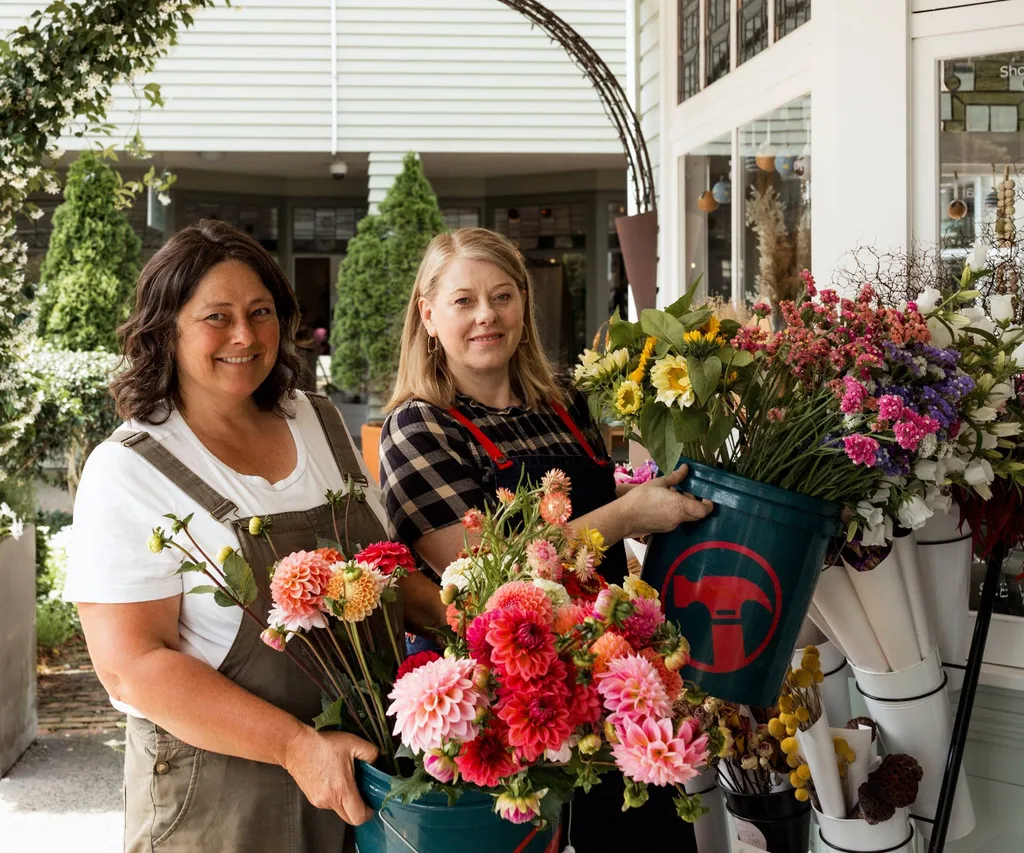
Another aspect many consumers aren’t aware of is the chemical fumigation process that imported flowers generally undergo to meet New Zealand’s strict bio-security laws. Working closely with local florists, supporting and being supported by like-minded women-led businesses is just as important to Lisa. During the warmer months’ growing season, florist Tara Southgate from Twig & Bloom in Matakana Village orders 90 percent of the flowers she needs from Lisa.
“Women are extra understanding of each other and just try to make it work for everyone,” Lisa says.
“Tara is always really supportive of local flowers, and always excited when my flower season starts up and sad when it finishes.”
Supporting local florists
Lisa is also future-proofing, having launched a seedling brokerage service for 150 other flower farms and her new venture, My Patch, where she supplies seedlings and advice to home growers. And when she’s not busy on the farm, running multiple business ventures or looking after her grandkids, Lisa loves dropping off surprise deliveries to the local foodbank to include in food parcels.
“I am so inspired by the volunteers there,” she smiles.
“They get the joy of giving away flowers and the people receiving them get the joy of receiving flowers they might never buy for themselves.”



Share this post