




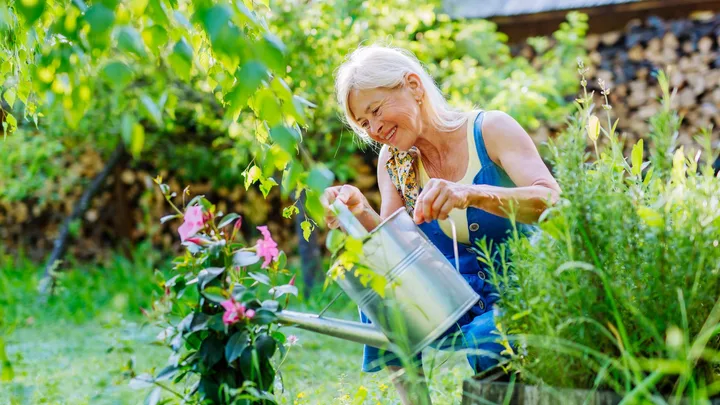
January is peak summer in New Zealand, and your backyard is bursting with life. from juicy early fruits to flowering blooms, there’s plenty to harvest, prune, and care for. Whether you’re a seasoned gardener or just love a thriving outdoor space, our January guide will help you make the most of the season’s sun, soil and growth.
Harvest festival
Many crops will be ready to harvest, such as early plums, apricots, potatoes and lettuces. Veges, such as courgettes, peas and beans, need to be picked daily, particularly if the weather is warm, as does dead-heading flowers to encourage more blooms and picking those crops to stimulate more. Once the birds start nibbling at apples, they are ripe enough to pick. Be vigilant and harvest as soon as this starts.
Fight the dry
Soil is at the heart of the more drought-proof garden. Soils rich in organic matter and/or heavier clay retain moisture better than light, sandy or stony ones. Bare soil loses moisture faster than those with plant cover, shade or mulching. Always water long enough to let it soak in a long way. If heading away, gather indoor pot plants into the coolest bathroom, laundry or kitchen where they are less likely to dry out – and easier to water should you rely on someone coming in to do it. Grouped plants also create a microclimate less conducive to drying out. Outdoor pots can do with the shade, at the south side of the house, perhaps.
To the future
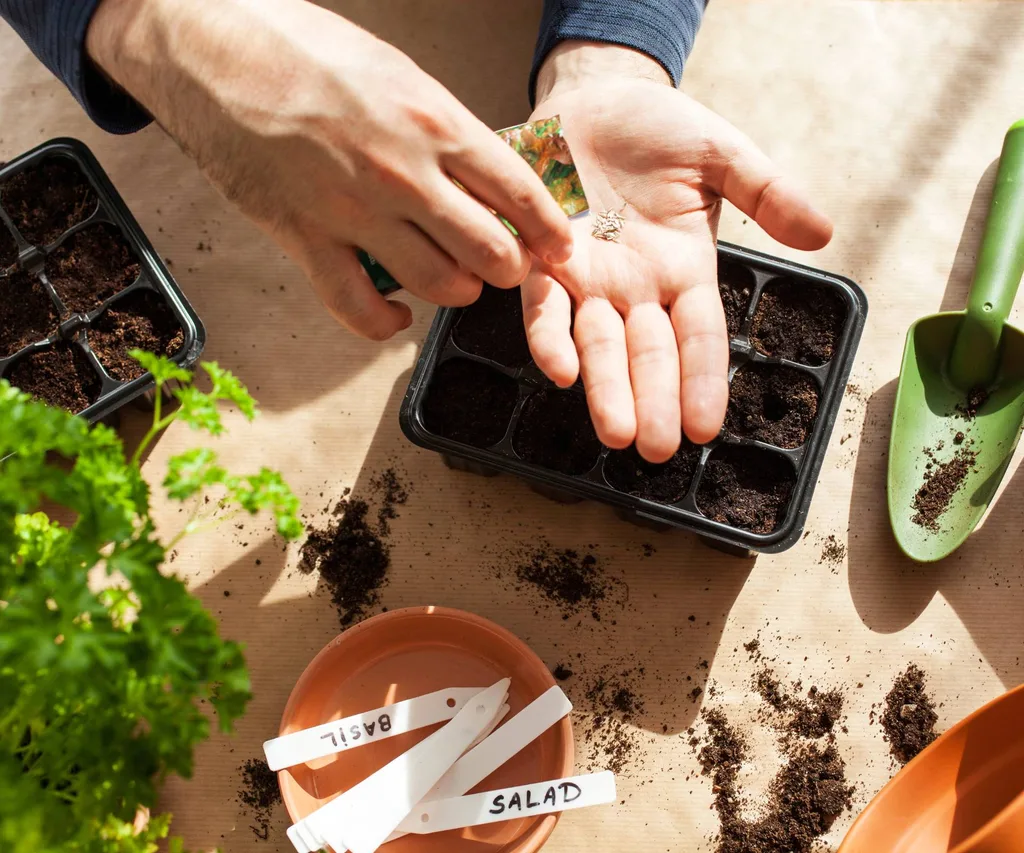
Just as we are in peak salad season, it’s a bit of a downer to be thinking of winter, let alone winter vegetables, but now is the time to be sowing them, especially in cooler regions. Sow cauliflower, broccoli, cabbage, Brussels sprouts and kale in seed trays for planting out in autumn. Seedlings will need protection from the hot sun. Now is also the perfect time to plant nerines, belladonna (naked ladies), colchicum (autumn crocus) and other autumn-flowering bulbs.


Tomato source
It’s taxing to produce all that fruit, so give tomatoes a welcome boost with regular applications of a liquid fertiliser, such as worm tea. Apply to the soil around the plant rather than the plant itself. The same goes with watering. Avoid wetting the leaves to reduce the chances of fungal diseases. Keep removing laterals and tie the main stem to the stake. Removing some lower leaves as the tomatoes start to ripen will allow sunlight and air to the fruit. As the season progresses, work up the plant.
A pinch in time
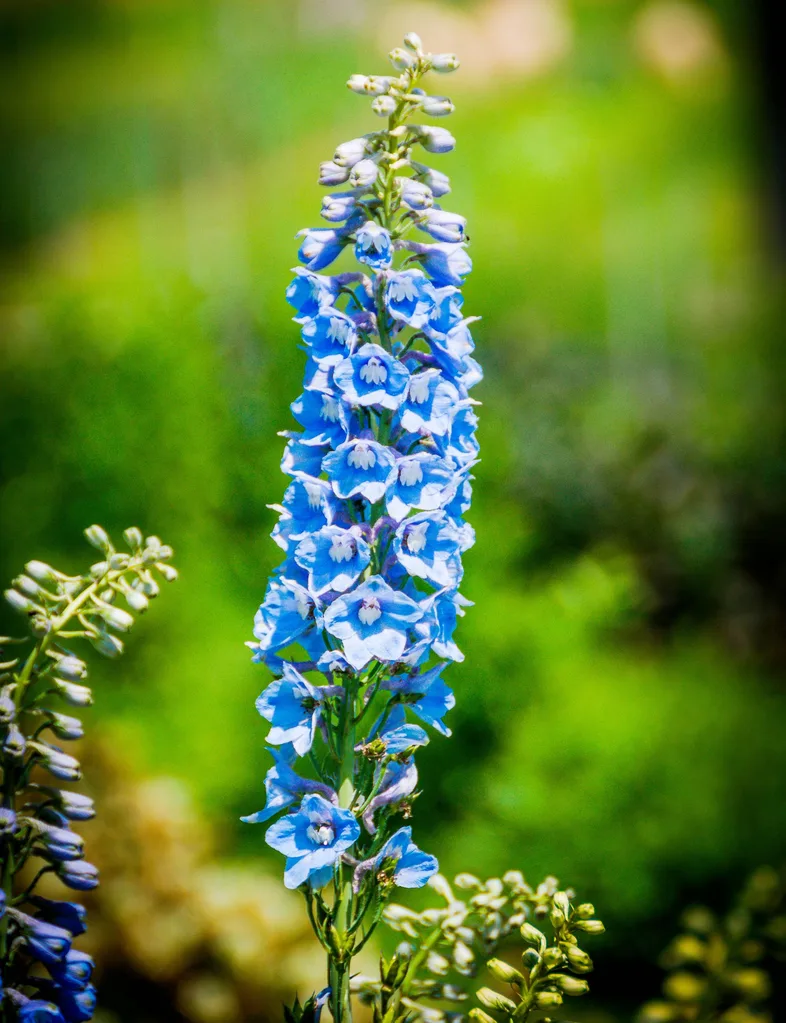
For stronger, bushier dahlias and more flowers, pinch out the highest sprout on the main stem when the plant has at least four sets of leaves and is between 25cm to 50cm tall. Removing this terminal bud will encourage lateral buds to grow. Other flowering plants, including calendula, cosmos, phlox, snapdragon and zinnia can be treated the same way, but not statice and Canterbury bells. Delphinium, foxgloves and scabiosa do not need pinching. For longer stems, employ the opposite tactic, pinching off the side shoots as they appear, leaving a single flower on one main stem.
Prepare garlic for storage
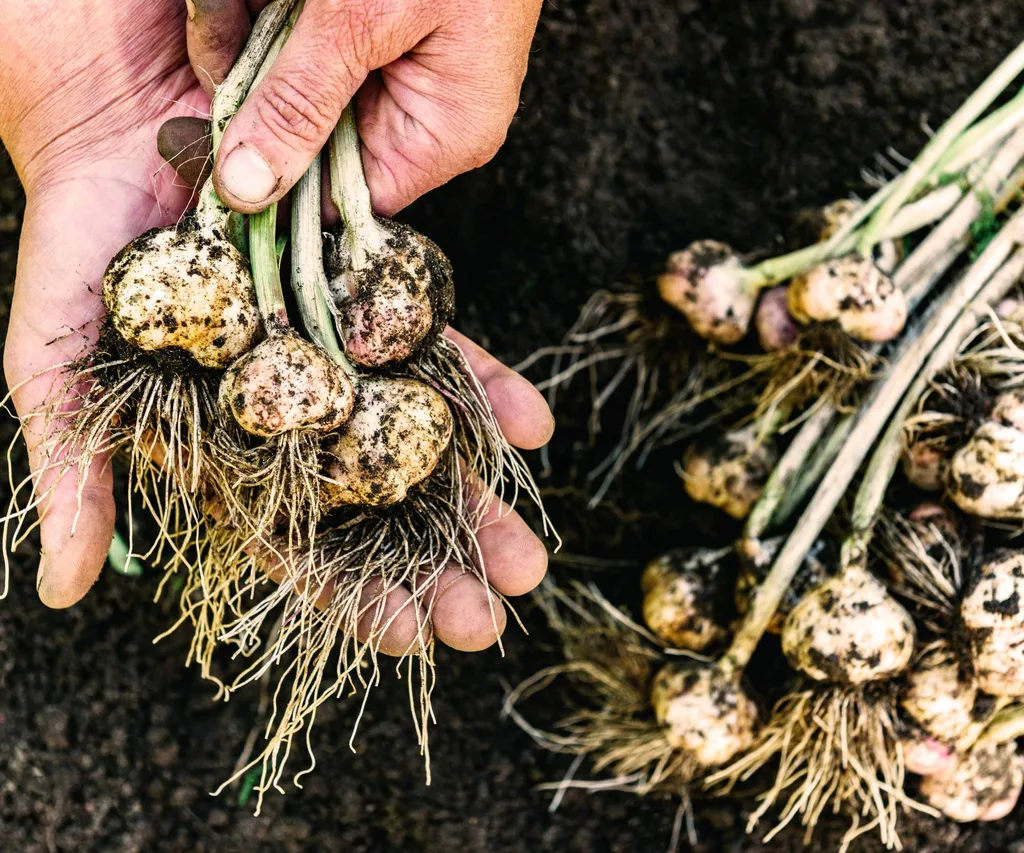
The nimble-fingered will be planting their garlic heads together to hang – the rest of us have to rely on more prosaic storage techniques. First things first, hold off harvesting until the leaves start to yellow and it is not raining. Gently pull the whole plant out of the soil, then lie it down – dirt, leaves, roots and all – somewhere dry, airy and out of direct sunlight until the outer skins are dry. Trim roots and leaves only short enough to ensure the bulb is still sealed. Store in a basket or other airy container. Save some of the bigger bulbs to plant in winter.