




 amalia osborne
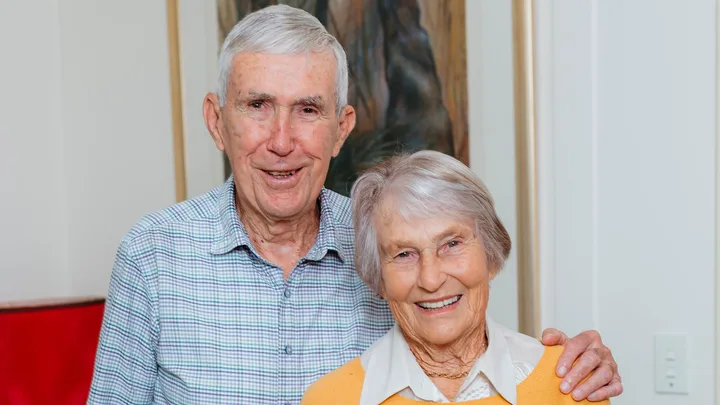
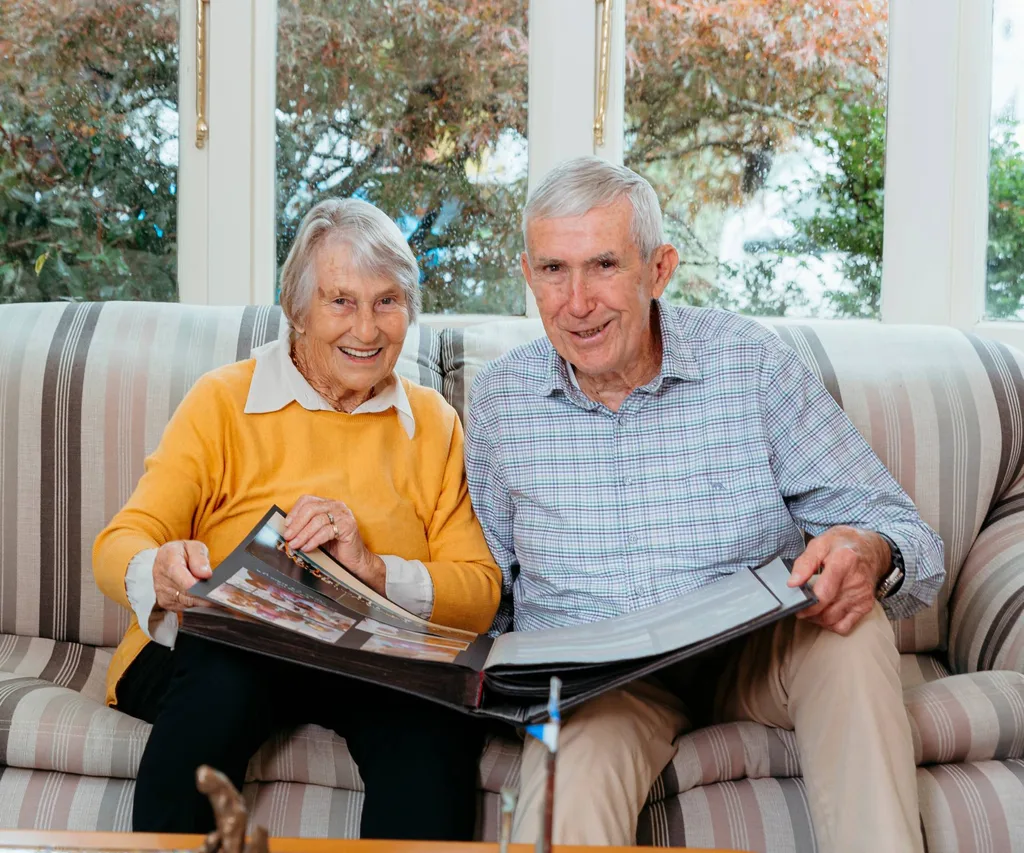
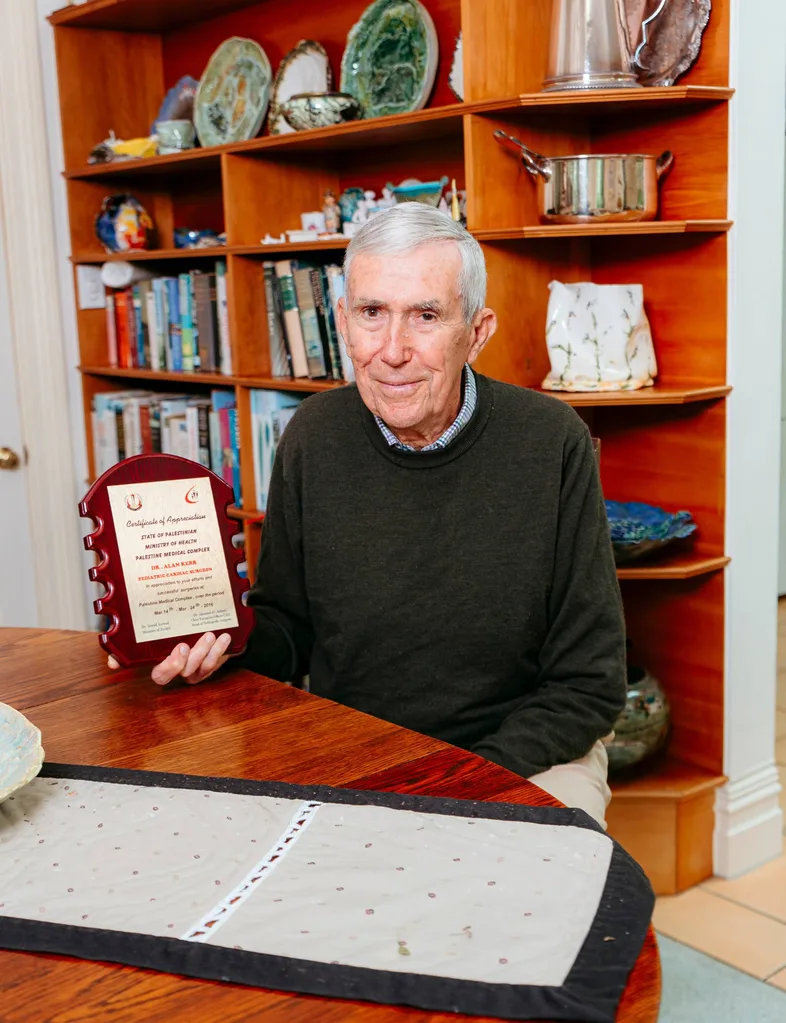
For most people, retirement means easing the workload and taking up relaxing hobbies. But for celebrated cardiothoracic surgeon Dr Alan Kerr, now 90, and his wife Hazel, 85, it marked the beginning of an entirely new chapter. They spent 20 years travelling to Gaza and the West Bank on medical missions.
The President of the Palestine Children’s Relief Fund (PCRF) approached Alan in 2001, asking him to accompany a medical team to Gaza to perform lifesaving cardiac surgeries. Alan and Hazel had friends from Israel and Palestine, and had long been interested in visiting, so they jumped at the chance.
They were thrown in at the deep end from the first trip.
“I was operating in Gaza when 9/11 happened and news came over the radio,” recalls Alan.
“Hazel met Yasser Arafat [the former President of the Palestinian National Authority] when he came into the hospital the next day and donated a unit of blood as a token.”
On the frontlines of Gaza
This experience was also during the Second Intifada, a major Palestinian uprising aimed at ending Israel’s occupation of the West Bank and Gaza. It lasted a little more than four years, with more than 4000 people killed in the violence.
“You could hear machine guns firing through the evenings – what they called Gaza Jazz,” says Alan.
“There were F-16 fighter jets and Apache helicopters overhead the whole time. But people got on with their lives. There wasn’t anything we could do about it. We were well looked after, so the only danger to us was getting caught in the crossfire.”

Building a lifesaving legacy
Alan met with the Minister of Health of Palestine on their second trip and was asked to help establish an independent Palestinian paediatric cardiac service. Seeing how dire the surgical situation was, he couldn’t refuse. As part of the Oslo Accords 1994, the Palestinian Authority was given responsibility for healthcare in the occupied territories as a move towards regional autonomy.
Before Alan and the PCRF team began their work, fewer than 100 Palestinian children a year received the lifesaving surgeries they required and most were sent to Egypt or Jordan for care. As the warfare in Gaza became too disruptive, Alan’s work moved to a hospital in Israeli-occupied East Jerusalem.
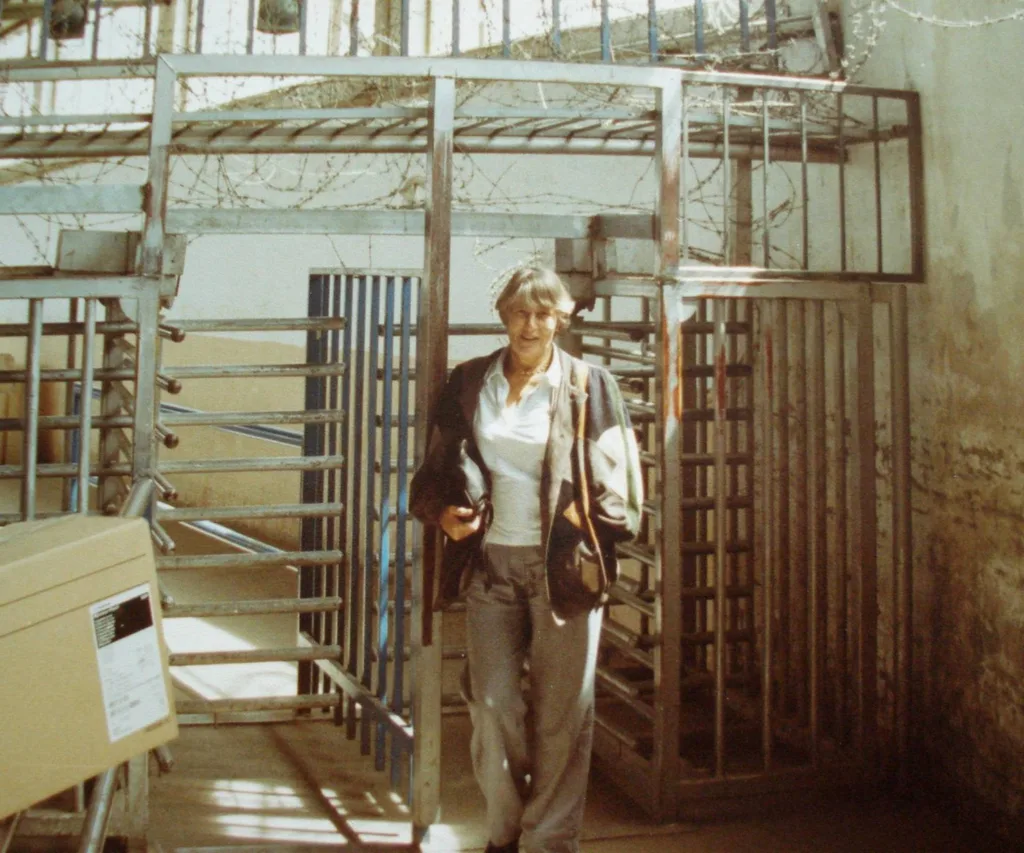
While they were away from the heavy fighting, the location itself presented them with new challenges. All of Alan’s patients came from Gaza or the West Bank and they had to go through an extensive vetting process by Israeli security before they were allowed to leave. Once cleared, they were only allowed to be accompanied by one person, usually a grandparent or family friend.


Young patients far from home
“These kids went without their mother or their father,” Alan explains.
“And they weren’t allowed out of the hospital compound, despite the fact that most of them had always dreamed of going to Jerusalem.”
While Alan spent long days at the hospital, Hazel certainly wasn’t sitting around twiddling her thumbs. She volunteered at the Shu’fat refugee camp in Jerusalem. As a mother of four and a former creative dance teacher, she used her skills to devise different programmes for the children.
“I started doing drama and art, just making kids laugh,” recalls Hazel.
“It was a grim situation.”
Finding light in dark places
In Gaza, she volunteered at a school for deaf children. Kids from all over the Gaza Strip came to the school and Hazel was determined to bring joy to their lives.
“These kids are just like any kids,” she says.
“They may be from another country and be another colour, but they need the same thing all kids need, which is lots of laughs and fun. They told me there were sometimes months when nobody laughed.”
Alan proudly adds, “The school was run by this wonderful American-Palestinian woman and she told me that Hazel was the best volunteer they’d ever had working there.”
Despite being in the middle of an active war zone, Alan and Hazel both say they never feared for their safety.

No room for fear
“Perhaps we should have,” Hazel admits with a laugh.
“But we never stepped back and thought it was too dangerous or too hard.”
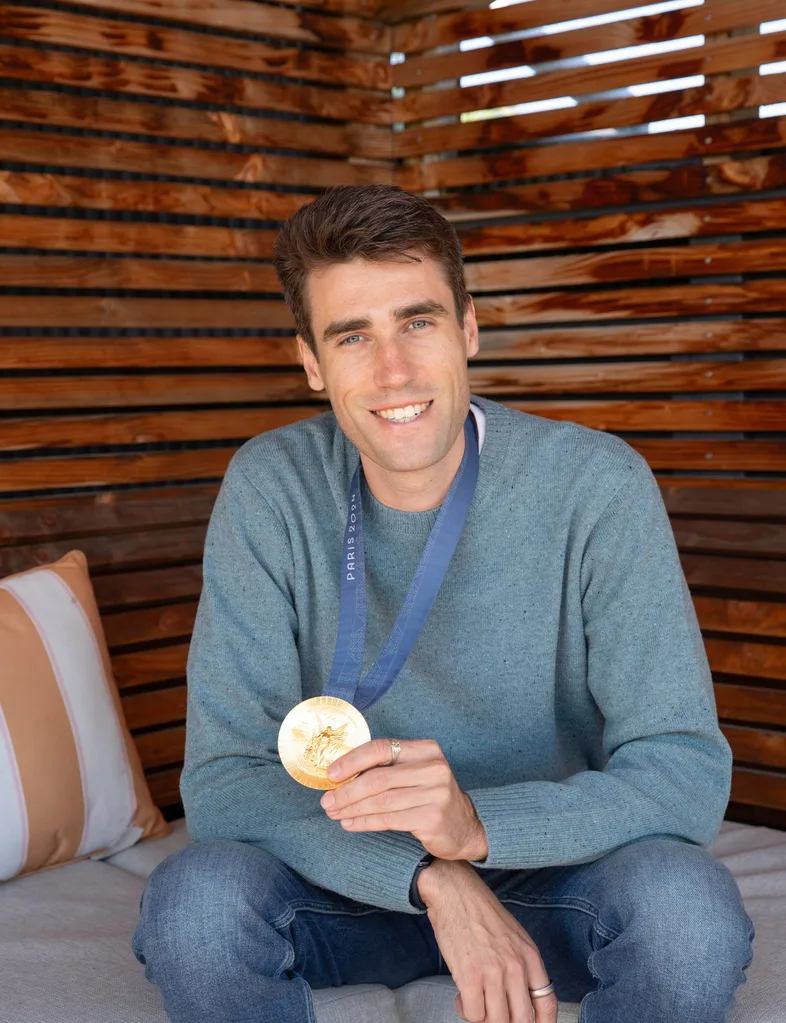
Alan and Hazel are parents to four children and 10 grandchildren, including Olympic gold medallist high jumper Hamish Kerr, all of whom are incredibly supportive of their work. Hazel admits one of their daughters was initially nervous at the thought of her parents being in the middle of a military conflict.
“One of the kids rang foreign affairs when we were in Gaza during the second intifada because she was worried about us,” Hazel recalls.
“They told her, ‘They shouldn’t be there.’ And she said, ‘Well, you haven’t met my parents!’ “I think the kids probably think we’re mad and they’re probably right. But they’ve all been supportive.”
The pair’s work features in documentary The Doctor’s Wife, which is currently touring the country with community screenings. Tickets to the film are free, but a donation is requested to support the New Zealand Palestine Children’s Relief Fund, which funds medical missions.
Initially, the Kerrs were reluctant to bring attention to themselves.
How the Doctor’s Wife came to life
“I detest having film-makers in the operating room, making things unsterilised,” Alan admits of directors Paula Whetu Jones and Tamara Azizian.
“But they would bribe the intensive care nurses with baklava, so I knew we weren’t going to be able to get rid of them! We became good friends.”
Ultimately, Alan and Hazel’s desire to highlight the kind-hearted and resilient people they had worked with and cared for won out.
“The reason we wanted the documentary to be made was because we feel Palestinians have been demonised,” says Alan.
“We want to show that these are ordinary people facing the difficulties of occupation.”
Adds Hazel, “They’re lovely people. We’d all be looking grim and sad, and they’d be laughing over a joke, or celebrating a birthday or a wedding.”
Alan and Hazel met while they were both working at Wellington Hospital. He was a surgical registrar and she was a junior nurse. Alan and a friend had organised a tennis tournament.
“This blonde nurse kept belting back my serves with a mischievous grin on her face!” he laughs.
65 years of love and service
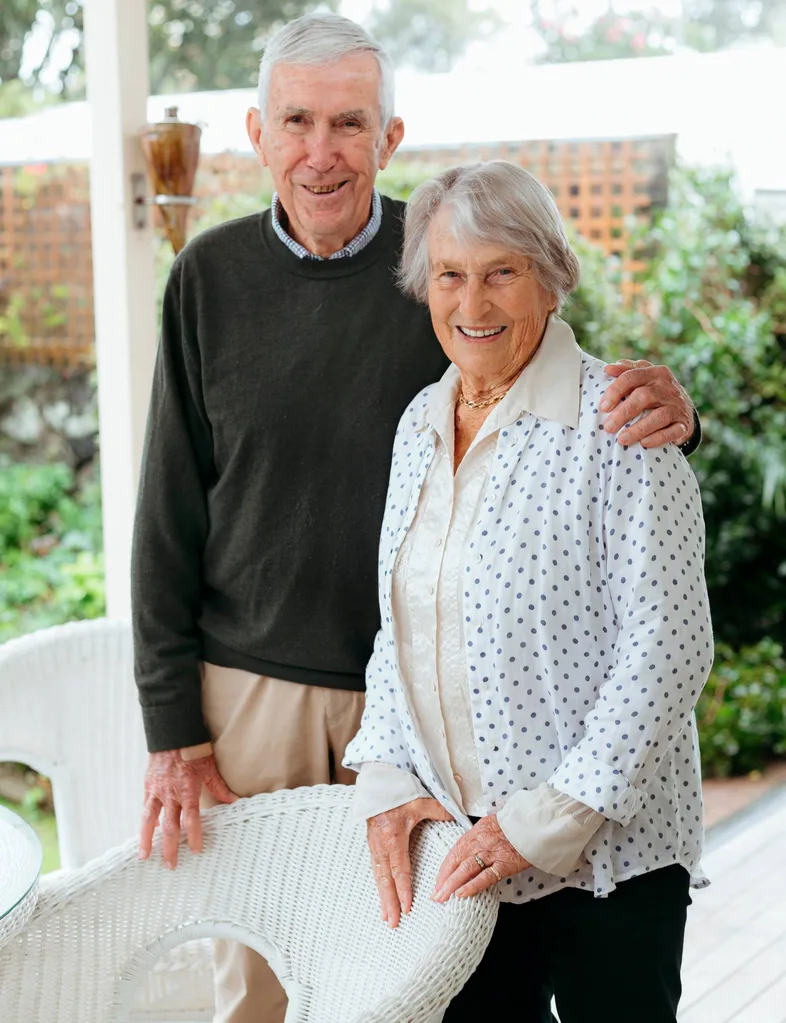
They celebrated 65 years of marriage in June, and Alan says it’s their shared ideals and ambitions which bonded them from the very beginning. They are no strangers to volunteer work, having previously travelled to India and Singapore, and lived in Birmingham, Alabama, at the end of the civil rights movement in the 1960s. But it is their experiences in Palestine that remain.
In all the years they travelled there, returning home to life in New Zealand never became less jarring. Alan distinctly recalls returning from a mission during the height of the Lebanon War in 2006 and being struck by how life at home continued as usual.
“Things were very tense in the Middle East,” he says.
“I picked up a newspaper when I arrived in Auckland and the main headline was about the Boobs on Bikes parade in Queen Street. That was the big news of the day!”
Hazel’s mind is always drawn back to the children she met who dreamed of being astronauts and architects, but had limited options. The unemployment rate in Gaza averages around 40 percent but has soared to 80 percent since Israel’s campaign escalated in 2023.
Always thinking of the children
“The hopelessness struck me,” she reflects.
“No matter how good you were, how law-abiding, how hard you worked, you couldn’t win.“In New Zealand, we tell our kids if you work hard, you’ll get a good job and they will. But it isn’t like that for Palestinian children.”
Their final trip was just before Covid and they say their hearts ache as they watch the suffering from the other side of the world. Alan is still in close contact with his former colleagues but their minds are constantly on the hundreds of kids they cared for.
“I worked at Al-Shifa Hospital in Gaza, which has now been flattened to the ground,” Alan laments.
“We don’t know what’s happened to most of the kids – it’s horrendous.”
To find a screening of The Doctor’s Wife near you or information on how to donate to the NZ Palestine Children’s Relief Fund, visit whitioraproductions.com