




 Photography: Sarah Marshall.
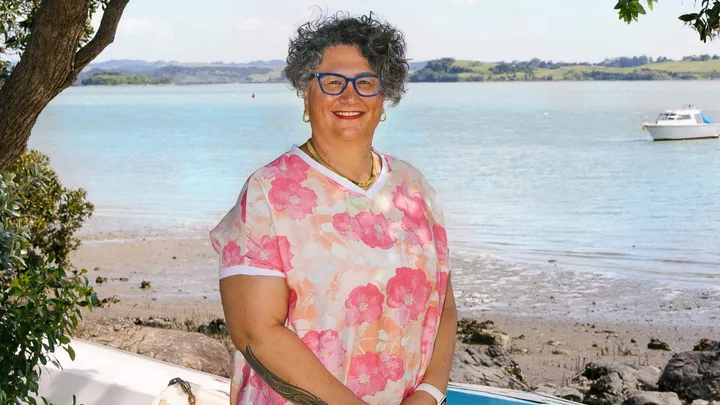
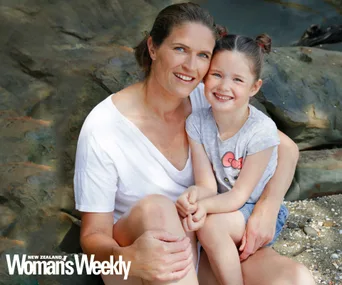
As interventions lead at Water Safety New Zealand, Esther Hone has dedicated herself to preventing the very tragedy that changed her life forever. Analysing the figures behind the heartbreak of our drowning statistics, she’s determined to save lives through water safety and survival programmes.
“I work in an organisation that is very much data-driven,” says Esther, 53.
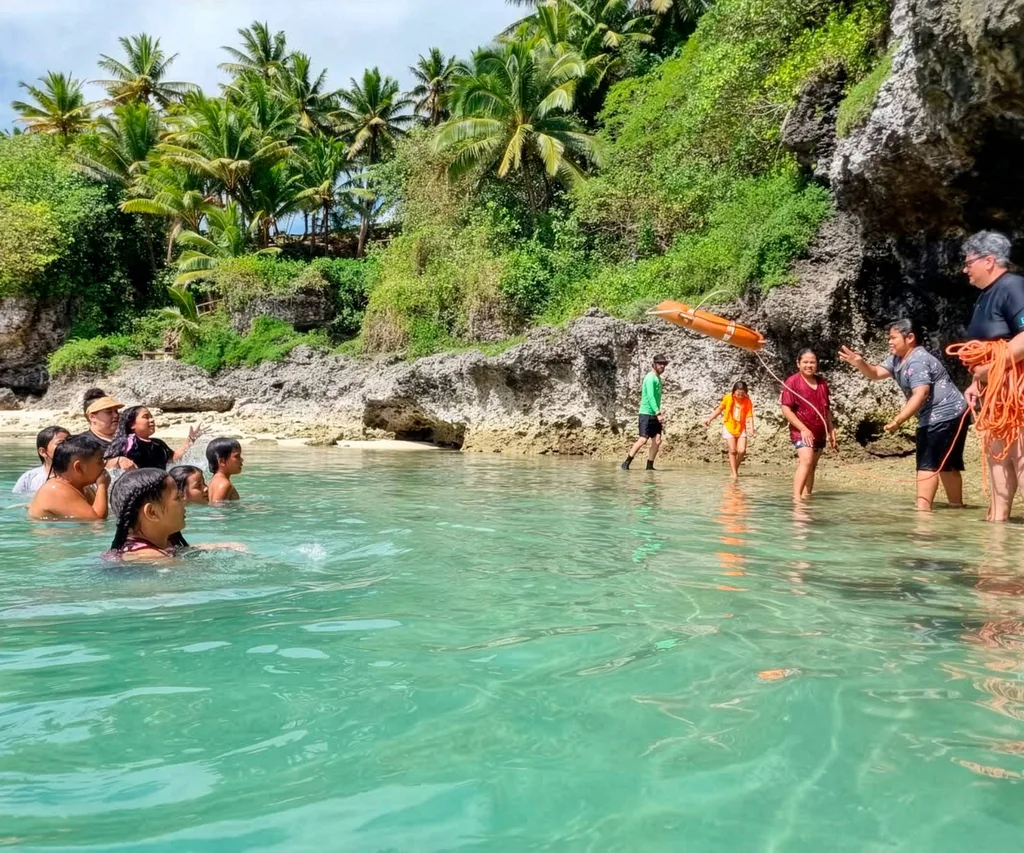
“From all that info, I’m able to create interventions, like the programmes Water Skills For Life for pool, beach, river and lake, so our tamariki [children] have the confidence and survival skills they need to give them a greater chance of survival when things go wrong in the water.”
It’s a deeply personal mission for Esther, who at 20 survived a boating tragedy on Lake Gunn in the South Island by swimming two kilometres through frigid waters to shore. It was a sunny November day in 1992 when Esther and a group of six friends she worked with at Milford Sound Lodge decided to explore Lake Gunn in a dinghy.
“Back then, we thought we were invincible and we didn’t really wear lifejackets,” she admits.
“When we went over, it was a crystal-clear lake. But when we went to come home, it was like a beach with big waves and the wind had really come up. The conditions had changed all of a sudden, and the lake is bottomless and very cold.”
Chaos on the water
To this day, she doesn’t know exactly what happened.
“Next thing, we were all in the water and the tiny boat was capsized,” remembers Esther, who grew up swimming competitively and playing multiple water sports.
“At that point in time, I suppose I just went into survival mode, but I didn’t realise until much later on that day that not everyone had those skills I’d been taught.”
Treading water in a remote location where they were largely invisible to any passing cars, Esther made the decision “to swim so I could be seen or get to safety”.
Seen in the dark
Passengers in a parked-up campervan spotted her fluoro pink T-shirt moving through the dark water and raised the alarm. By the time she reached shore, exhausted and freezing, a police officer had arrived and she could hear a rescue helicopter heading for her friends.
“But I didn’t know who was alive,” she explains.
“It was early evening when I got back to the hotel and my friends broke the news to me.”
Esther’s friend and manager of the lodge, Terrance Flynn, never made it home, drowning at the age of 51.
Through tears, Esther admits, “There’s still guilt that someone I knew wasn’t able to hold on. From that day, my whole life changed.”
Living with loss
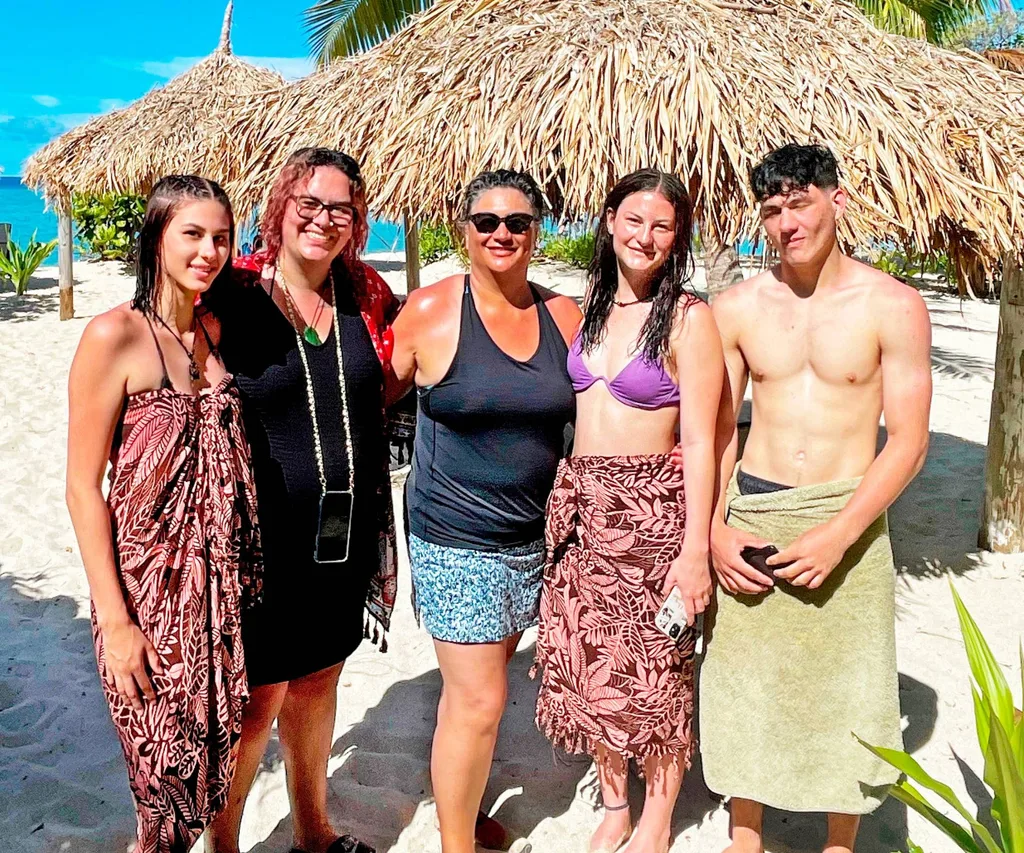
For decades, Esther largely carried her grief alone, choosing not to talk about it. It was only in recent months that she decided to fully explain what had happened to her four children, Maddison-Grace, 28, Phoebe, 21, Riccardo, 20, and 18-year- old Xanthe.
“It’s taken 33 years to feel I’m at a place where I can talk about it,” she admits.
“Back then, I got negative feedback from some saying I should never have left the others and that’s a burden I have to live with. Others said, ‘You’re a hero.’ But I would never consider myself that because someone drowned.”
Finding her way back
In 1996, Esther moved to Northland to be closer to her parents and slowly started to heal. A pivotal moment was the first time she got back in the water with her dad on a fishing trip.
“I was very nervous, but from that day, I never looked back,” she smiles.
In the Far North, she founded the Bubble Club Swim School, which she ran for 13 years, when nowhere else offered swimming lessons in the community.
“That was really the start of my career and time for me to give back,” she says.
From there, opportunities followed one after another until 2022, when Water Safety NZ shoulder-tapped Esther to take on her current role as interventions lead.
A calling emerges
“When you’ve found your purpose, your life becomes about what you can do to prevent that tragedy from happening again,” she shares.
“Working with Water Safety NZ is still helping me heal.”
Esther oversees the Water Skills For Life programmes, which run in selected schools with pools and community swim facilities nationwide.
Why it matters
“New Zealand is surrounded by water, so survival skills, even pre-learning to swim, are so important,” Esther insists.
“Being able to float, knowing how to enter and exit water safely, how to make better decisions when you fall into water or scull until help arrives – that saves lives. And every child deserves to be safe
in the water.”
To find out more about Water Safety NZ or to donate, visit watersafetynz.org