




 Babiche Martens
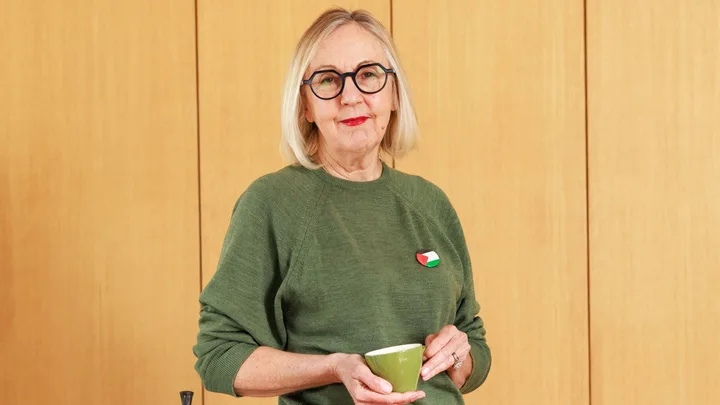
When Dianne Ludwig gets a message late at night, it’s often from Gaza. The words on her screen aren’t from strangers, but from people she now considers family. One of them, a young man named Mohammed, 24, even calls her Mum.
“And I call him son,” shares Di, 62, who’s in daily contact with multiple Palestinian families she’s raising vital funds for.
“There’s no doubt the relationship we have will be lifelong and that my life will never be the same. I’m inextricably linked with these people now.”
Supporting families in need
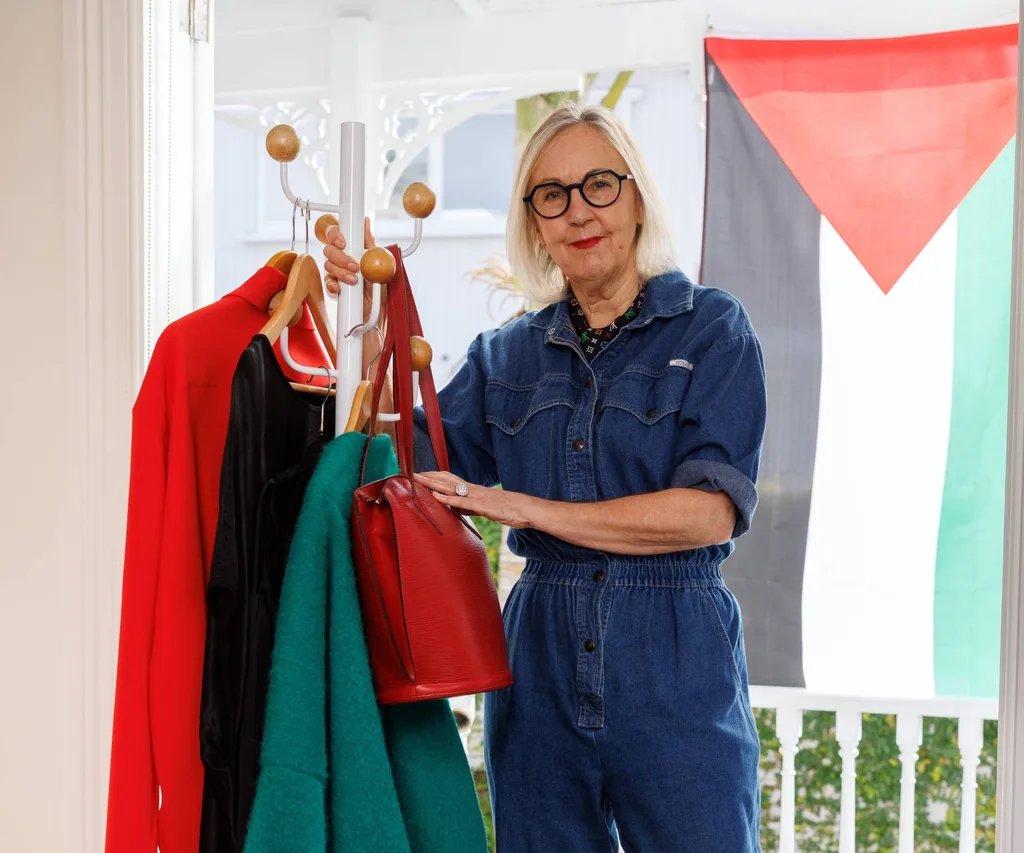
Through selling pre-loved clothing on her Instagram account Welcome Back Slow Fashion and hosting community fundraisers, Di raises money every week for up to 20 Palestinian families. Every Sunday, the donations are transferred to the families’ GoFundMe pages. Then they’re able to withdraw it with local money changers to buy food, medicine and other essentials.
Stories from Gaza
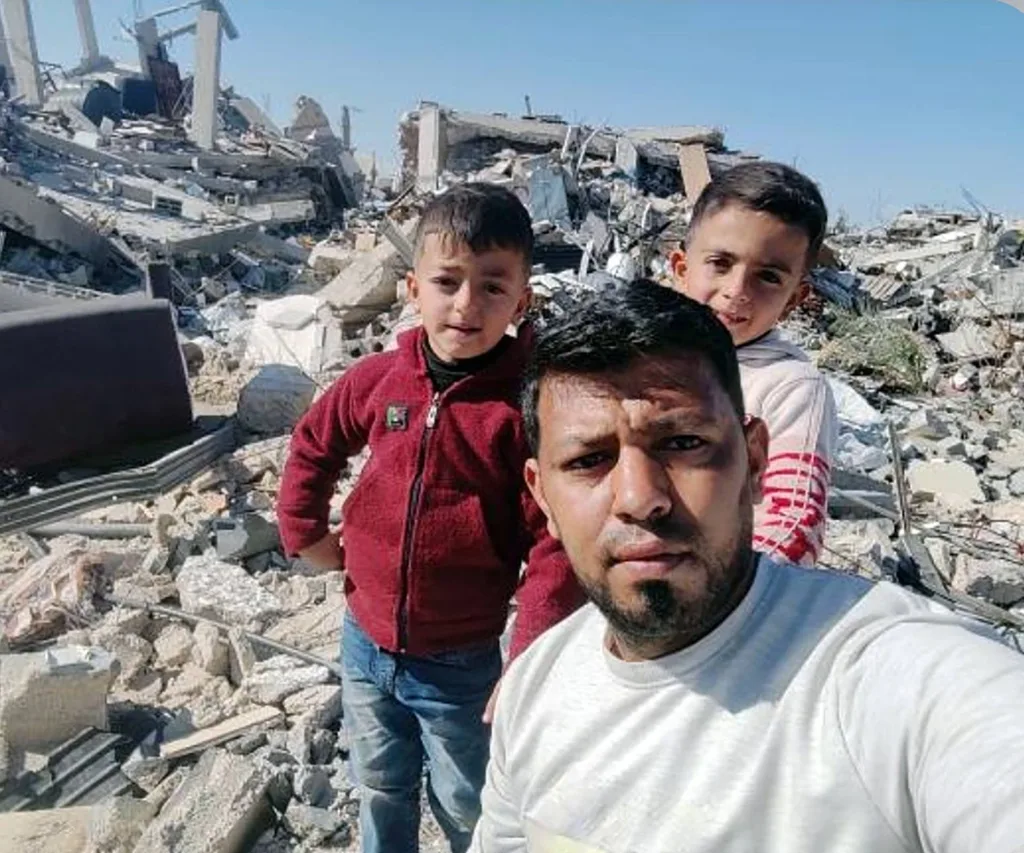
The struggles she hears about first-hand are harrowing, but Di refuses to turn a blind eye, knowing she and other Kiwis can make a tangible difference. One of the families she supports is led by 16-year-old Ahmed. His father is missing, so he’s now responsible for supporting his two younger siblings and mother.
“He’s trying to raise money, going out to search for food every day,” says Di.
“But his real dream is to become an engineer and rebuild Gaza. “We also have Alaa, who’s diabetic, so trying to find necessary medications is a constant challenge. He has two young boys. One of his children, Adam, six, survived a sniper bullet wound to the head. His wife also gave birth to a baby who survived only three days, dying through a lack of oxygen – a completely preventable death.”
The cost of survival
With very little aid making it into Gaza, what resources they can find in the market are often sold at hugely inflated prices.
“A bag of flour can cost US$500,” she explains.
Despite the horrors, Di says there are still moments of light in their communications, like when little Zaid, aged three, practises Māori greetings.
“I taught him a few and he’ll send me voice messages, saying, ‘Mōrena, Di’, and, ‘Kia ora, Patrick’ for my husband,” she smiles.
Planning for the future
A force for good in the world, Di’s even planning a wedding in Mangawhai for Mohammed and his fiancée Salma in the hope one day they’ll be free to travel to New Zealand and meet.

“Some days it seems impossible,” she reflects.
“But I have friends in the wedding industry and all of them have said, ‘We’re in! We’re going to do the wedding.’”
A journey that started unexpectedly
Di’s devotion to running a mutual aid fund began unexpectedly in late 2023 after seeing Palestinians posting live on social media about the atrocities.
“I don’t come from an activist background,” she admits.
“I knew very little about it at the start.”
From vintage sales to a lifeline for families
What began as selling a few vintage clothing items and doing some mending to raise money has grown into a lifeline for families, who reached out to her online, desperate for help.
“It got to the point that I was posting about Palestine, then feeling increasingly uncomfortable saying, ‘And now I have a great 1960s El Jay jacket to show you,’” she recalls.
“Around August 2024, people were donating more things for me to sell and I thought I’d do a series of posts where everything was for Gaza. From there, it never stopped.”
Transparency and personal connections
Recently, almost $18,000 was raised in one week. Di posts receipts and updates on her social media showing who the money’s going to and is in almost daily contact with seven of the families. The others she has friends or fellow mutual aid fund organisers checking in on regularly.
“I like to have a personal connection with them, but I know I’m at my emotional limit with seven families,” she shares.
“Knowing friends are in almost daily contact with these other families helps.”
Even when people can’t give money, their small acts of generosity have amazed Di by creating a big difference. And she’s adamant that speaking out and spreading awareness is also hugely valuable to her families, who’ve told her they want to know the world hasn’t forgotten about them.
Remembering humanity
“We shouldn’t ever think we’re powerless,” she says.
“We can be someone on the other side of the world who says, ‘We see you, we don’t agree with this and we will do what we can to help.’ “These people have lives exactly like ours, with hopes and dreams. Gaza is such an educated population and even if it wasn’t, these people deserve the same level of compassion, dignity, safety and food as any other human.”
Visit Dianne’s Instagram account instagram.com/welcomeback_slowfashion to learn more.