




Shocking DNA

Easey Street Murders
Decades-old Melbourne murders return to court
It’s been almost half a century since two Melbourne friends were brutally killed at their home while a toddler lay helplessly in his cot. Now the man alleged to be responsible for the 1977 “Easey Street Murders” is set to stand trial.
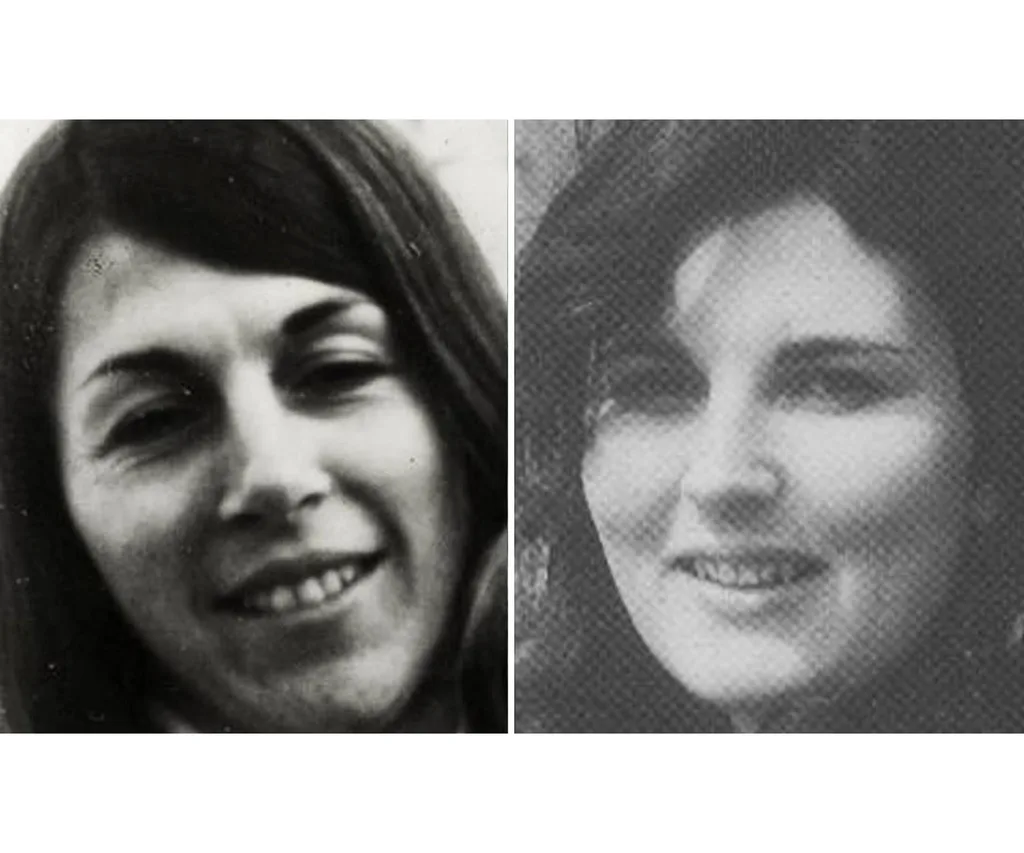
Australian-Greek citizen Perry Kouroumblis, 66, was extradited from Italy in 2024 on an international warrant after police linked DNA from his car to the gruesome murders. Police allege Kouroumblis killed flatmates Suzanne Armstrong, 28, and Susan Bartlett, 27, at their home in Collingwood on 13 January.
Kouroumblis was a 17-year-old student at the time of the killings and has pleaded not guilty. The prosecution claims DNA tested in 2018 from Kouroumblis’ car is a match to the evidence preserved from the crime scene.
Contested DNA evidence
However, the defence is calling for the DNA, collected nearly 50 years ago, to be excluded due to the possibility of contamination.
“We didn’t have gloves in those days,” former detective Peter Hiscock told Melbourne Magistrates’ Court during a committal hearing in November, which also heard testimony from homicide expert Ron Iddles, who has been called “Australia’s greatest detective”.
The women’s bodies were discovered by a neighbour after she heard the 16-month-old baby’s cry.
A post-mortem found Suzanne had 29 stab wounds, including to her liver and heart, while Susan was found with 55.

Cold case solved!
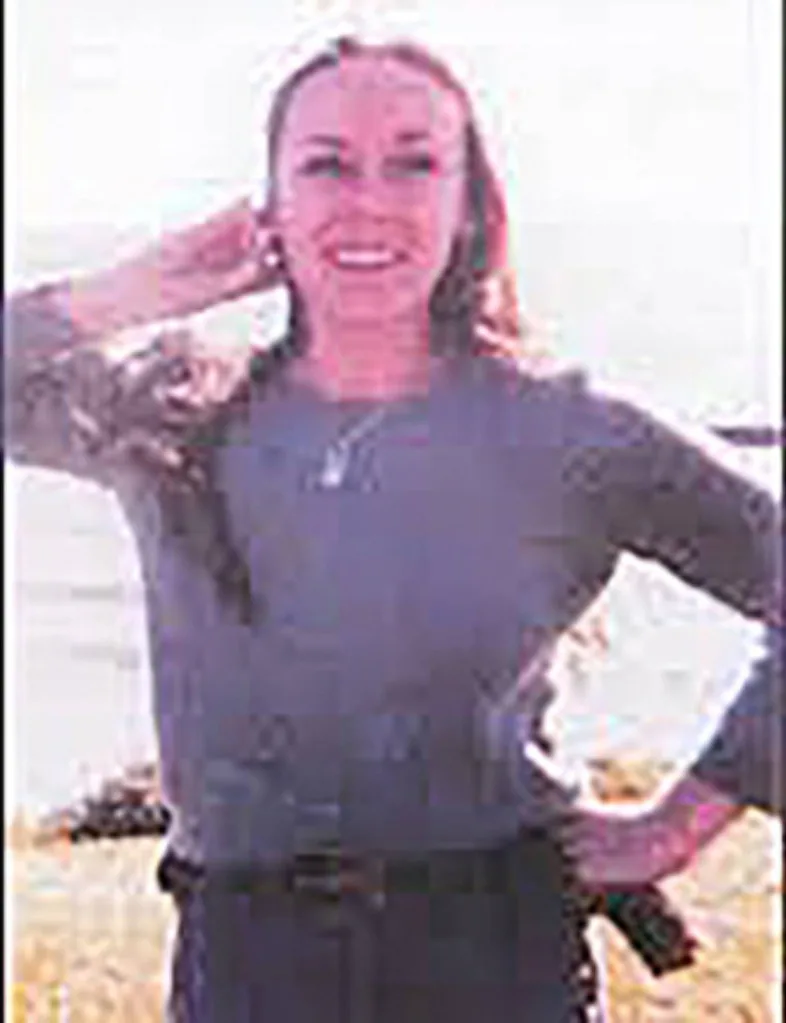
Interest in ancestry led to the bombshell breakthrough in one of Australia’s most high-profile cold cases. Back in March, police identified a new suspect. This was in the December 1979 murder of 22-year-old Perth woman Kerryn Tate.
At the time, unknown DNA was found at the crime scene, which has now been linked to Terence John Fisher using genetic genealogy.
“Ancestry websites and the DNA analysis have been around for a really long time – it’s just a totally different way of looking at the DNA,” explains genetics professor Dr Jemma Berry.
“What they’re looking for is familial relationships – links to others in a suspect’s family tree – which they can then use to start their genetic search.”
In Fisher’s case, a family tree of more than 10,000 people was gathered, ultimately linking him to the murder. A former soldier, Fisher died in 2000.

The Beast of Bondi
DNA finally names the Bondi beast
A serial rapist who terrorised Sydney across three decades has been unmasked after nearly 40 years. In 2022, thanks to DNA technology, detectives were able to link late grandfather Keith Simms to the horrific unsolved sexual assaults of 31 women in Sydney’s ritzy Eastern Suburbs between 1985 and 2001.
The predator, dubbed the “Bondi Beast” or the “Tracksuit Rapist”, attacked his victims – aged between 14 and 55 – while they were out jogging.
He covered his face and threatened them with a knife before carrying out his sickening crimes. Despite attempts to conceal his identity, victims were still able to give detectives the same description.
The forensic breakthrough decades later
Each incident was investigated, however, incredibly, police didn’t start linking them until the 2000s. In 2016, the DNA of a relative of Simms was connected to the crimes.
It was followed by another breakthrough in 2020. This ultimately led detectives from Strike Force Doreen to Simms after his DNA matched 12 semen samples provided by victims.
“No two people share the same DNA and that’s why we’ve been able to come back to this person,” Detective Superintendent Jayne Doherty told
the media.
Justice denied by timing
The father of five will never stand trial for his depraved attacks. He died of kidney failure in February 2022 – just before police were able to question him.
When police broke the news to Simms’ wife, she claimed to have had no idea about his crimes and said she was “shocked” at the news.

Yoghurt shop murders
DNA breakthrough
Evolving DNA technology has allowed police in Austin, Texas, to name Robert Eugene Brashers as a new suspect in the infamous 1991 killings
of four young girls at the I Can’t Believe It’s Yogurt! Shop after his DNA was linked to a string of other crimes in the state.
Police allege Brashers, who committed suicide in 1999, is behind the murders of Eliza Thomas, 17, Amy Ayers, 13, plus Harbison sisters Jennifer, 17, and Sarah, 15.
New evidence in long-running cold case
The women were found gagged, tied up with their own clothing and shot in the head. The building was also set on fire. In 1999, four men were arrested on murder charges and two were found guilty. Their convictions were overturned a decade later.
“After Brashers died, DNA linked multiple unsolved murders and sexual assaults across the country to him,” cold case detective Daniel Jackson told media.
Closure without a trial
Brashers’ DNA was eventually found in three of the girls’ sexual assault kits and also in Amy’s fingernail clippings, which were retested in August.
Chilling Killer

Dennis Rader
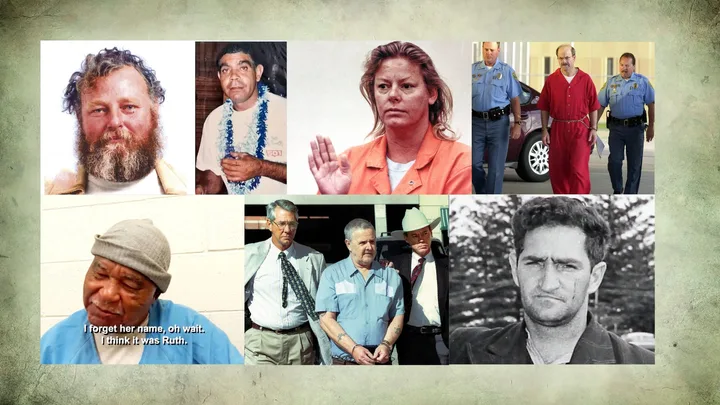
Between 1974 and 1991, serial killer Dennis Rader bound and strangled to death at least 10 people in the Wichita area of Kansas. He called himself “BTK”, standing for “bind, torture, kill”.
Before his arrest in February 2005, Rader taunted police by sending anonymous letters and pictures of his victims to investigators. And while he eluded authorities for nearly three decades, he was eventually caught thanks to metadata on a floppy disk he’d sent to a local TV station, as well as DNA obtained from his daughter Kerri Rawson.
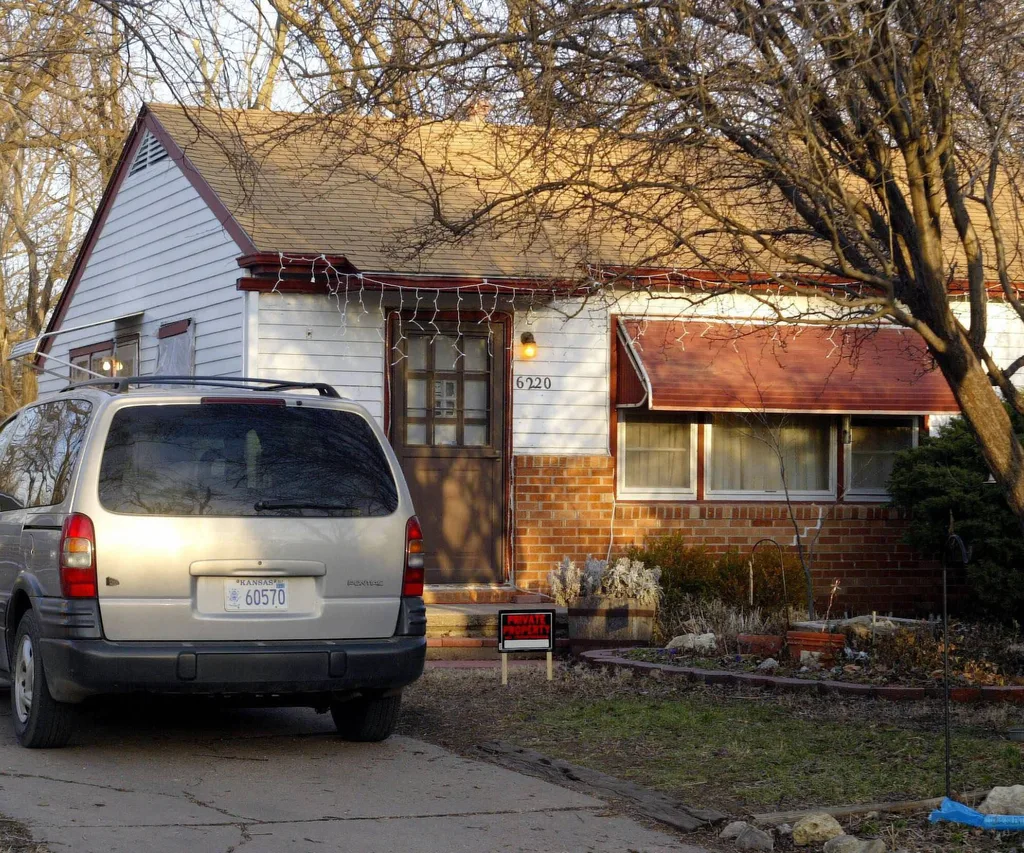
After his arrest, Rader confessed to killing 10 people in a lengthy and graphic court statement. The letter included his reasons for killing local couple Joseph and Julie Otero, as well as their two kids, with chilling disregard after breaking into their house in 1974.
“I didn’t have a mask on or anything,” he wrote.
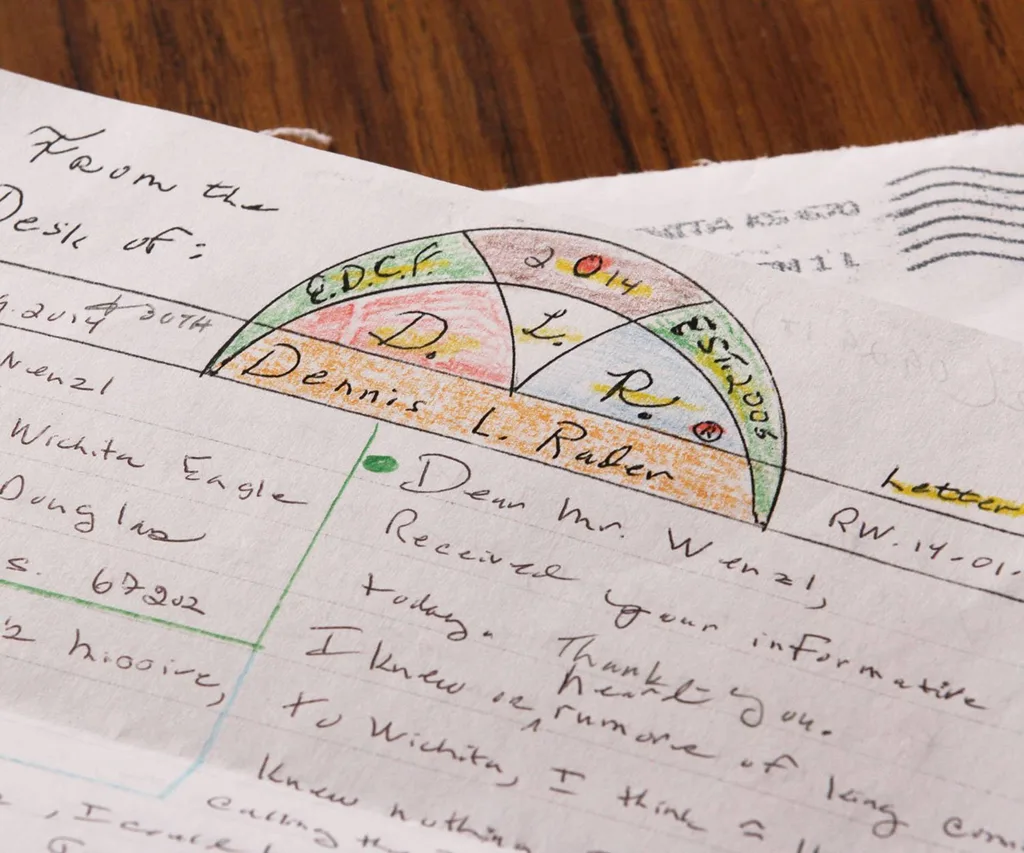
“They already could ID me, and I made a decision to go ahead and put ’em down or strangle them.”
In 2005, the now-80-year-old was sentenced to 10 life terms in prison.

Eric Edgar cooke
Perth’s first serial killer
Nicknamed the “Night Caller”, Eric Edgar Cooke is best remembered as Perth’s first serial killer and the last man hanged in Western Australia. From 1958 to 1963, he murdered eight people during a crime spree.
In confessing to the killings and another 14 attempted murders, plus more than 250 break-ins, Cooke explained his motivation.
“This power came over me,” he told investigators.
“It wasn’t an impulse – it was stronger than an impulse. It was as though I was God. It was like a mantle or like a cloud came over me and I must use that.”
Despite his confession, Cooke was only charged with one murder. He pleaded not guilty but was later convicted and hanged in October
1964 at Fremantle Prison. Moments before his death, Cooke confessed to two other murders.

Henry lee Lucas
Dubbed the “Confession Killer”, Henry Lee Lucas claimed to have murdered hundreds of people in the US. His first murder was at just 14 and he admitted to killing his mum by stabbing her in the neck 10 years later. In the ’70s, he went on a murder spree.
“I killed ’em every way there is, except poison,” Lucas claimed.
“There’s been strangulations, there’s been knifings, there’s been shootings, there’s been hit-and-runs…”
Lucas was convicted of 11 homicides, but by the early ’80s, the veracity of his crimes were being questioned. Lucas changed his story to say he’d killed only three people, then amended that to just one – his mum.
“It’s like being a movie star,” he said in 1993.
“You’re just playing the part.”

Aileen Wuornos
Wuoronos claim of self-defence
“The real Aileen Wuornos isn’t a serial killer,” insisted the woman who became the most famous female murderer in the US.
“I was so lost, I turned into one.”
But right up until her execution by lethal injection in 2002, sex worker Wuornos – who killed seven male clients between 1989 and 1990 – claimed she’d acted only in self-defence.
“I didn’t plan these murders or anything like that,” she insisted.
A troubled life before the killings
After a troubled childhood, which saw her raped and become pregnant at just 14, Wuornos ran away to live on the streets. Her first known victim was Richard Mallory, who Wuornos, then 33, claimed raped and physically assaulted her. It later emerged he had a prior conviction for attempted rape.
“The cops let me keep killing them,” she claimed before her death.
“I was a hitchhiking hooker running into trouble. I shot the guy if I ran into trouble – physical trouble. The cops knew it.”

Samuel little
Samuel little’s deadly confessions
Before his death at age 80 in 2020, Georgia serial killer Samuel Little confessed to 93 murders, of which 60 have been verified. He targeted mostly vulnerable women who were sex workers and drug users, going undetected for years.
He was finally arrested on a drugs charge in 2012, when DNA testing linked him to three unsolved murders in 1987 and
The choke-and-stroke killer
The women had been strangled, then their bodies dumped, earning him the nickname “Choke-and-Stroke Killer”. Sentenced to three life sentences, Little reportedly began confessing when he wanted to move to a Californian prison from Texas.
“I grabbed her by the legs and pulled her to the water,” he said of one 1982 victim. “That’s the only one that I ever killed by drowning.”
World’s most brazen heists

Louvre Jewels
Daring jewel heist at the Louvre
In less than eight minutes, four brazen bandits managed to steal eight historical jewels. The jewels were worth more than $154 million and taken from one of the world’s most secure museums, the Louvre in Paris.
On the morning of 19 October 2025, the gang of robbers dressed as construction workers. They broke into the Apollo Gallery, which houses the French Crown Jewels, using an extendible ladder attached to a truck. The audacious break-in shocked the morning crowd of tourists.
Curt Clark, a US visitor who was in the Louvre at the time, recalls thinking the robbery was a terrorist attack while being escorted out.
“They came up, went in with small hand chainsaws, got what they wanted, came down the ladder, got on motorcycles and took off,” he says.
Caught on camera and DNA
While the jewels have not been recovered and could potentially never be found, French police have arrested the four men believed to have carried out the “audacious” heist. The suspects, who were identified through DNA testing, are being held on remand as the investigation continues.
The theft also revealed just how inadequate the museum’s security system was at the time of the crime. According to French newspaper Liberation, the museum’s password for the CCTV system was “Louvre”.
A 2015 audit noted the museum’s security technology was so old. It should have been in a museum of its own. Staff recently went on strike over pay and working conditions.


Harry Winston Gems
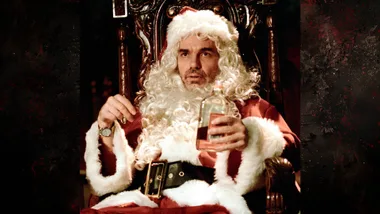
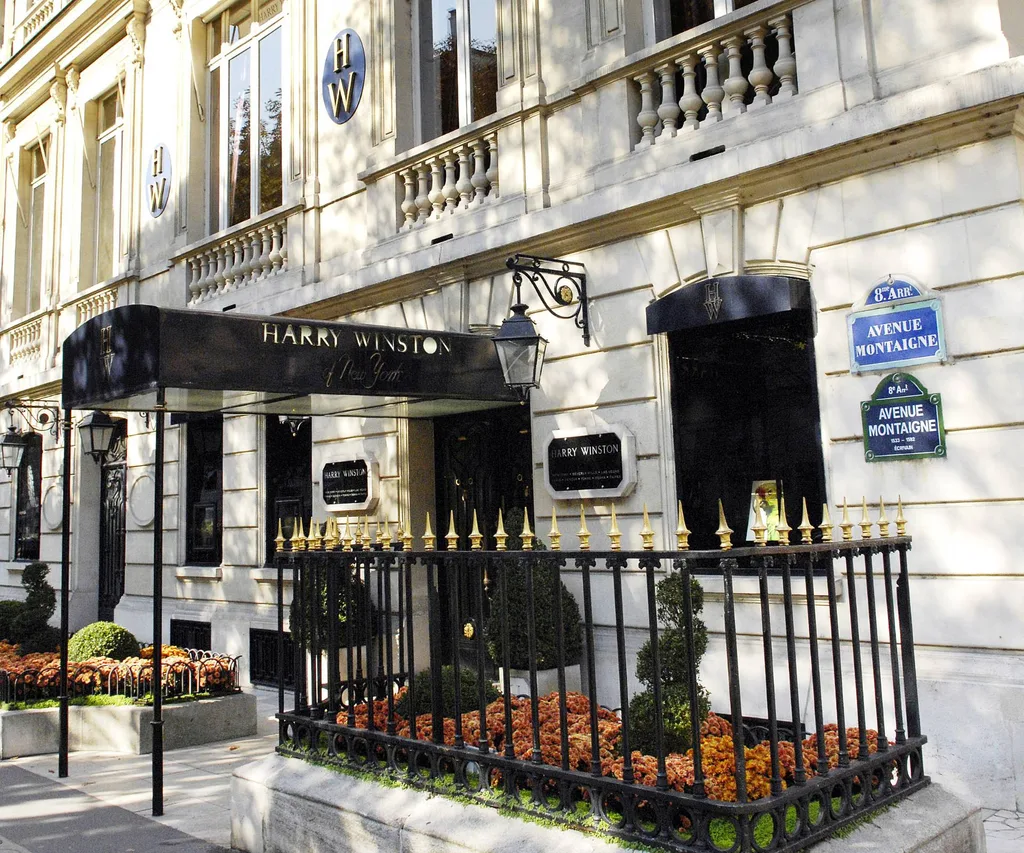
They say lightning doesn’t strike twice, but some gem thieves do. In October 2007, four burglars disguised themselves as builders to steal 120 watches and 360 pieces of jewellery. The haul was worth nearly $58 million, taken in an armed hold-up of the Harry Winston store in Paris.
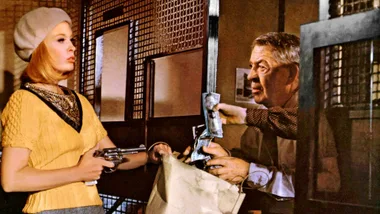
A year later, members of the same crew, three dressed as women, stole a further 104 watches and 297 pieces of jewellery worth nearly $117 million from the same shop.
The store’s security guard Mouloud Djennad helped the robbers and was sentenced to five years in prison. The ringleader behind the operation, Douadi Yahiaoui, was sentenced to 15 years in March 2015.
“I was stupid, impressionable and lost,” Djennad told the court during his trial.
While French police recovered some stolen jewels, nearly 500 are missing.

Antwerp Diamonds
The heist of the century
Often called “the heist of the century”, Italian thief Leonardo Notarbartolo stole about $170 million worth of diamonds from one of the world’s most secure buildings in Antwerp, Belgium.
In February 2003, Notarbartolo and at least four other thieves broke into a heavily fortified vault completely undetected. They were able to get into 109 of the 189 safe-deposit boxes within the Antwerp Diamond Centre.
Inside access and a daring break-in
Notarbartolo had access to the vault as he rented an office in the building for two years prior to the robbery. A week later, he returned to the diamond centre to try to clear suspicion of his involvement – but he was arrested instead. A security guard had recognised him in CCTV footage.
In 2005, Notarbartolo was sentenced to 10 years in prison and released on parole in 2009. He was rearrested in Paris in 2013, then released in 2017. He claimed he was paid $200,000 to carry out the heist.

Van Gogh Paintings
Daring Van Gogh museum heist
Armed with a ladder and some rope, burglars Octave Durham and Henk Bieslijn managed to steal two paintings valued at $177 million from the Van Gogh Museum in Amsterdam in December 2002.
The two bandits nabbed the artworks created by the famous Dutch painter, before leaping out the window during the daring smash-and-grab. They left behind only a baseball cap.
Caught by a baseball cap
Hairs found in the hat later tied Durham and Bieslijn to the theft, and they were sent to prison for 25 months.
Durham told a documentary crew he carried out the raid on the museum simply because he could, boasting, “I’m a born burglar.” Fourteen years later, in 2016, the paintings were found. They were in the care of Italian Mafia boss Raffaele Imperiale.

Pierre Hotel Robbery
$40 million heist at the Pierre Hotel
On a cold winter’s night in January 1972, Samuel Nalo and Robert Comfort checked into the Pierre Hotel in New York. They weren’t there for a holiday.
Instead, the pair of professional thieves and their associates were dressed as limousine chauffeurs. They stole the equivalent of $40 million in cash and jewellery from the hotel’s vault.
Inside the robbery
One of the associates who helped with the heist, Nick Sacco, said he walked away $3.5 million wealthier.
“The stones were set into new rings and necklaces, then sold to jewellers across the country,” he said.
Nalo and Comfort were later arrested when one of the stolen pieces landed in the hands of an FBI informant.