




Genealogist Gail Wilson-Waring likens it to buying a Lotto ticket. you could get very little in return or you could strike it lucky. She’s referring to genealogical DNA tests, which have revolutionised the process of tracing family trees or tracking down long-lost relatives. Since commercial DNA testing was made available around 2000, millions of people around the world have spit into tubes in the hope that their DNA profile will help provide information about their heritage or family.
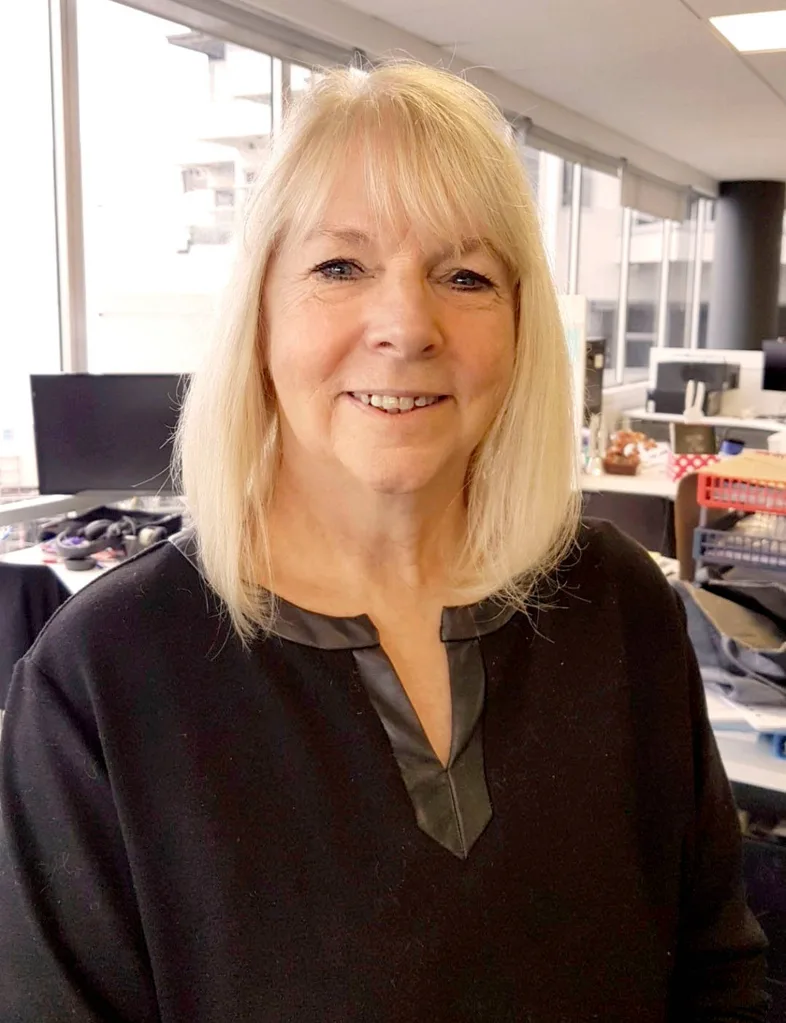
There are a lot of misconceptions around the testing, says Gail. Who has helped people track down family for nearly 30 years. For example, they don’t always yield the hoped-for results. In some cases, for instance, if only a small number of people you’re related to have also done a test. You might come to a dead end and only be matched with very distant relatives. But sometimes miracles do happen.
“Some people do a DNA test and get matched with a half-sibling straightaway,” she says.
“If they’ve been wanting to find family – for example, if they’re adopted – it can be like hitting the jackpot. And for many people who are adopted, it can be the only way of finding their heritage.”
But sometimes, the results can be a bombshell, adds Gail. For example, if siblings do tests and the results unexpectedly show they have the same mother but different fathers, that can open a whole can of worms.
“People do find out things, like their dad is not actually their father or their mum has another child nobody knew about. It can be a real shock.”
Because the results can be a surprise or a disappointment, Gail recommends people prepare themselves for all eventualities.
“I always ask people why they want to do a test and how they would cope if the results aren’t what they are expecting. Don’t rush into it.”
And they should also be aware that they’ll still need to do old-fashioned research. Like finding birth, death and marriage certificates to help them build up a fuller picture.
“I still spend a lot of time with the microfiche at the library. But DNA tests are a really good starting point and can make a huge difference.”
How do DNA tests work?
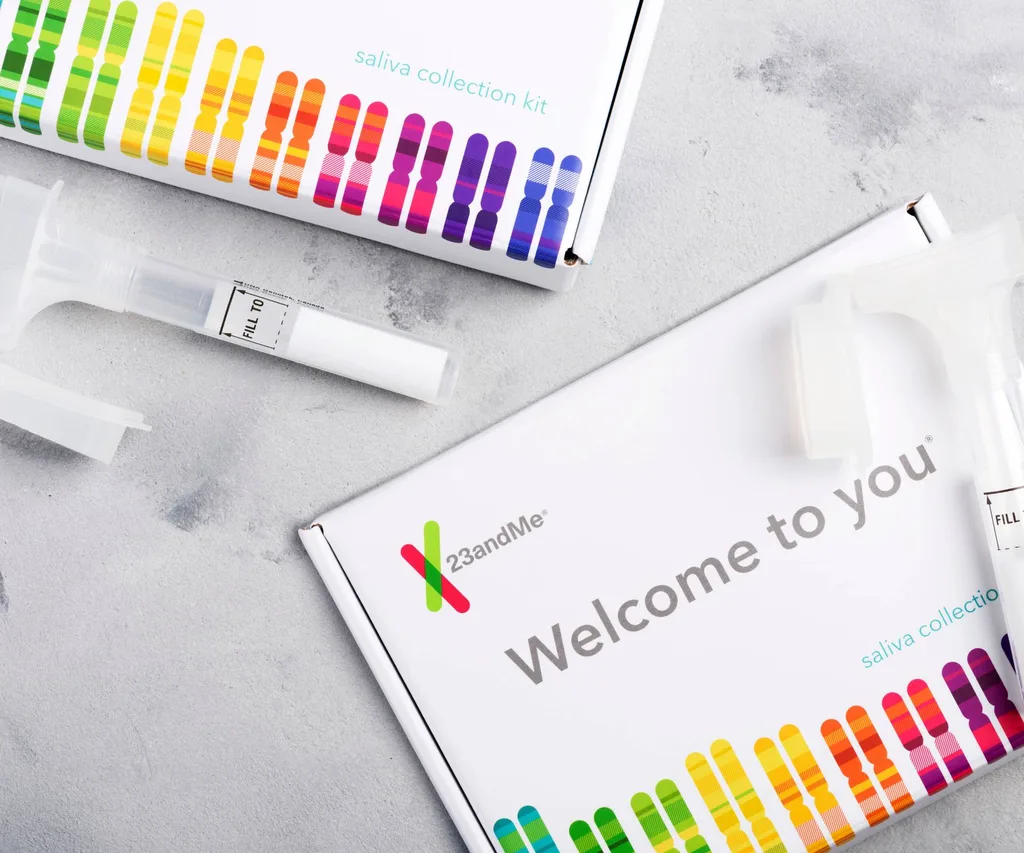
You can buy testing kits online through companies like AncestryDNA, myDNA or MyHeritage. You spit into a tube and send it to the company. Where your DNA is extracted from your saliva in a lab. It’s then run through algorithms to produce two results. An estimate of your ethnicity and connections to living relatives who’ve also tested with the same company.


When it comes to your ethnic background, which is compiled using data from people who share similar markers in their DNA. It might tell you, for example, that you’re 50 percent British, 20 percent Irish, 15 percent Scandinavian, nine percent Southern European and six percent North African.
As for people you share DNA with, the test can tell you how close you are to them. For example, if someone is a fourth cousin, it means you have the same great-great-great-grandparents. If you have done your family tree as far back as you can go. That can be uploaded on the website and matched with family trees provided by other people. So you might discover, for example, that you and someone in Australia are both great-great-great-grandchildren of a Swedish couple called Lars and Anna. You might be descended from their son, while your Aussie fourth cousin is related to their daughter.
When matches are made, you can message those people through the website. If you don’t get the closer matches that you’re hoping for from one company. For example if you’re looking for biological parents, you may want to extend your search by testing with other companies, or put your information on the third-party website GEDmatch.com, which has a wider pool of people to draw from.

Inspired by family secrets
Aucklander Gail became interested in genealogy as a 12-year-old at boarding school in Germany, where her father worked for NATO. She got into trouble for writing “Miss” in front of her grandmother’s name when she addressed an envelope containing a letter to her.
“My housemistress slapped my hand with a ruler and said, ‘Your grandmother can’t be a Miss – she’s a Mrs.’ But mine was a Miss, she had never married. My mother was illegitimate.”
That incident sparked Gail’s curiosity about her mother’s father. Her mother wouldn’t talk about him, but after she died, a great-aunt gave Gail a name. She was able to prove that the person was her grandfather. She went on to study genealogy and has used her skills to help hundreds of people. She’s also worked closely with David Lomas on his TV show David Lomas Investigates and produces the show My Family Mystery, hosted by Sonia Gray.
The case Gail’s particularly proud of was one for David that involved locating the family of Keith Mitchell. Who as a baby, was abandoned in a phone box in Palmerston North.
“That was a lot of work,” she says, recalling how she used the distant matches that showed up in his DNA test as a starting point, then scoured electoral rolls to track down possible closer relatives.
She wrote and asked if they’d do a DNA test to help solve a mystery, and one of them turned out to be his brother. David was able to tell Keith who his parents were and the circumstances behind
his being abandoned.
What about privacy?
Some people are put off doing DNA tests because of privacy concerns. If you want to test to find matches but don’t want your personal details on a company’s website. It’s possible to remain anonymous, says Gail.
“You don’t have to reveal your real name – you can use a pseudonym. But it kind of defeats the purpose if you want to connect with cousins and you put your family tree up.”
Those details can also be locked if wished and later made available to people you’ve connected with if you trust them.
As for the company sharing your information with third parties, you need to read the terms and conditions. Some do pass on anonymous details, for example, for research purposes, but there should be information on how to opt in or out of any sharing when you sign up.
You should also check the company’s policy when it comes to sharing DNA details with law enforcement. Some companies do, with consent, while others say they’ll only pass on information if they receive a court order. There have been cases of police overseas solving cold cases by matching DNA from crime scenes with samples provided to genealogy websites by distant relatives.
Tips if you’re doing a DNA test
Screenshot the information about who you are matched with when it first shows up on the website. You’ll get your results a little while before anyone you’ve matched with is notified about their connection with you. It’s a good idea to immediately keep a record of their details in case they get deleted, says Gail.
“It might be a shock to them, especially if it’s a close match, and sometimes people delete their accounts in response, so the information then disappears.”
Be careful about how you approach people. Not everyone is going to be delighted about being contacted. Over-enthusiasm could make them “run for the hills,” says Gail.
Be subtle and polite, don’t demand to know their entire family history and never turn up on their doorstep. Also, be aware that people can be suspicious of a stranger saying they’re a long-lost family member.
“In these days of scams and identity theft, people can be very wary of someone they don’t know getting in touch out of the blue. They can think, ‘Are they after money?’ A lot of people will want to check you out to make sure you’re who you say you are.”
Accept that tracking someone down might not lead to happy ever after.
“Some birth mothers don’t want to meet the child they gave up for adoption or they’re not prepared to say who the father is,” points out Gail. Other people might struggle with learning that a parent was unfaithful and had a child with someone else.
“Think about the consequences. Think about whether it’s enough to know who your family is – do you also have to contact them?
Did you know?
While there aren’t figures on how many Kiwis have done genealogical DNA tests. Many companies that provide them have reported that New Zealand has a higher rate of testing than many other countries.
Catching a killer
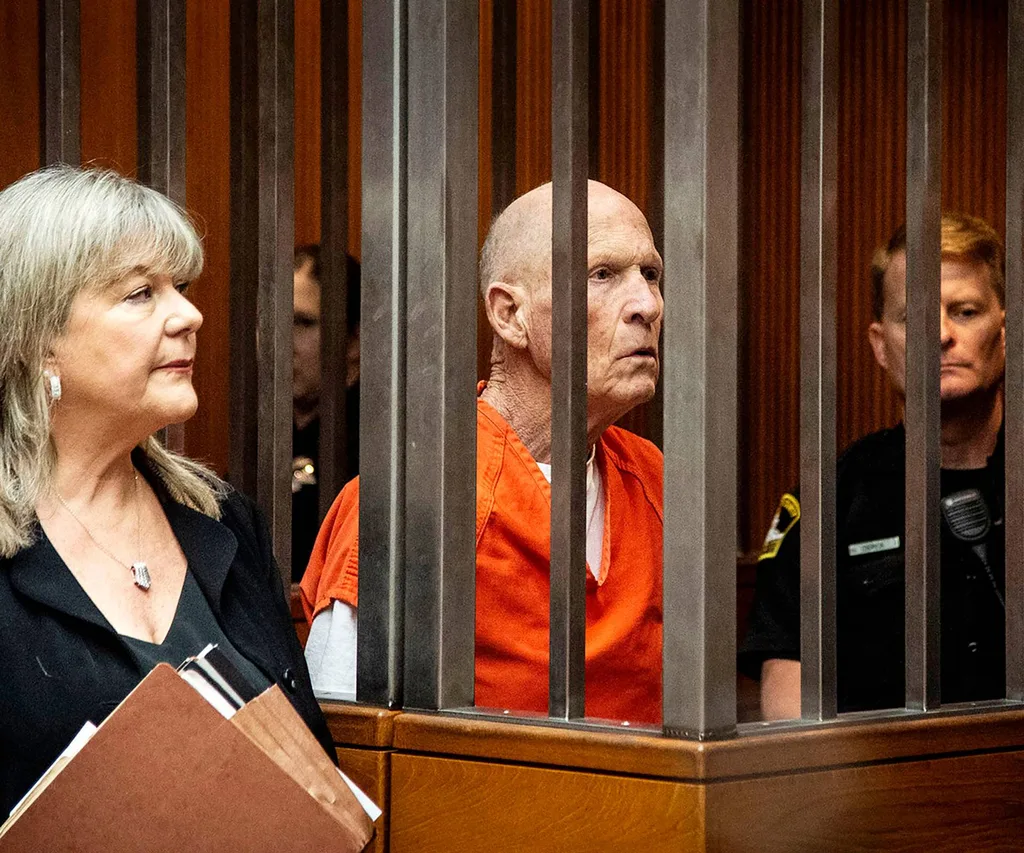
A psychopath was finally behind bars after DNA caught him out – 50 years after his first murder
The most famous case of a genealogy site helping to track a criminal is that of the Golden State Killer in California. Where police were able to identify a man who committed 13 murders and dozens of
rapes in the 1970s and ’80s.
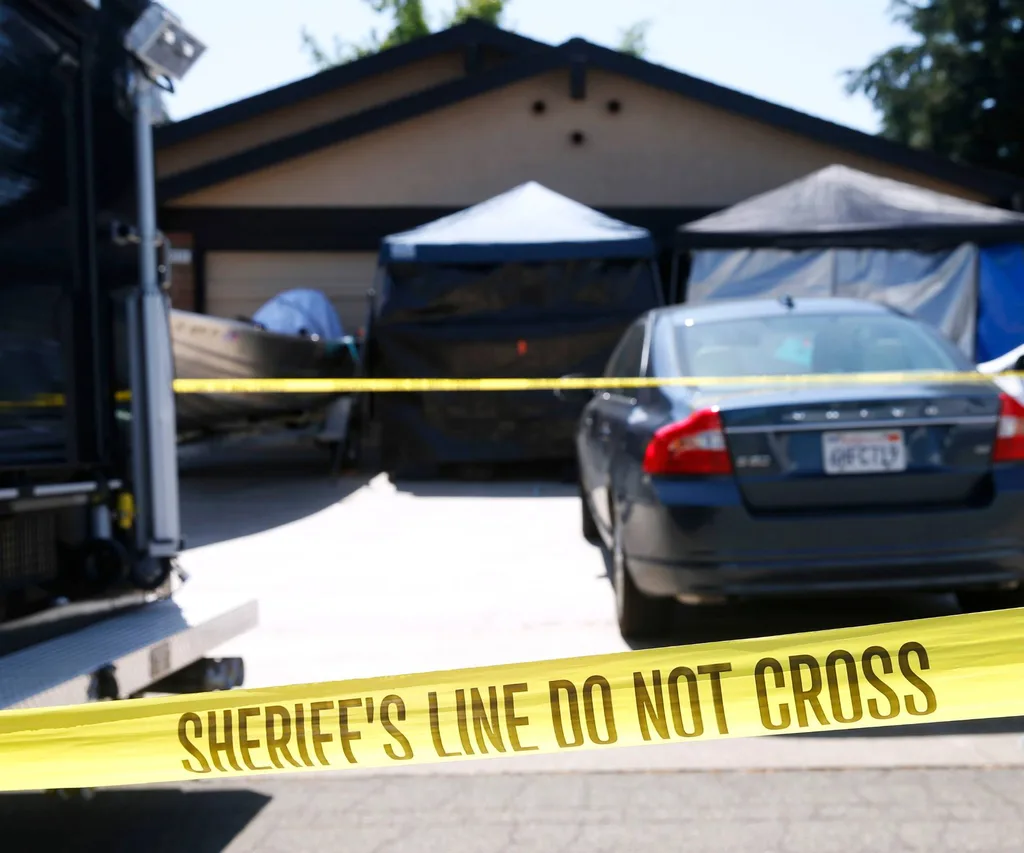
In 2017, they loaded his DNA profile, obtained from samples left at crime scenes, onto GEDmatch. It identified 20 or so people who had the same great-great-great-grandparents as the killer. Then a genealogist built a family tree of people descended from that couple.
Detectives eliminated family members based on factors like age, physical descriptions and where they lived, until they were down to just one suspect, former police officer Joseph DeAngelo. His DNA matched the killer’s samples, and in 2020, aged 74, he received multiple life sentences.