





Celebrate the appearance of the Matariki star cluster – culturally a time to plan for the upcoming growing season.
Paydirt
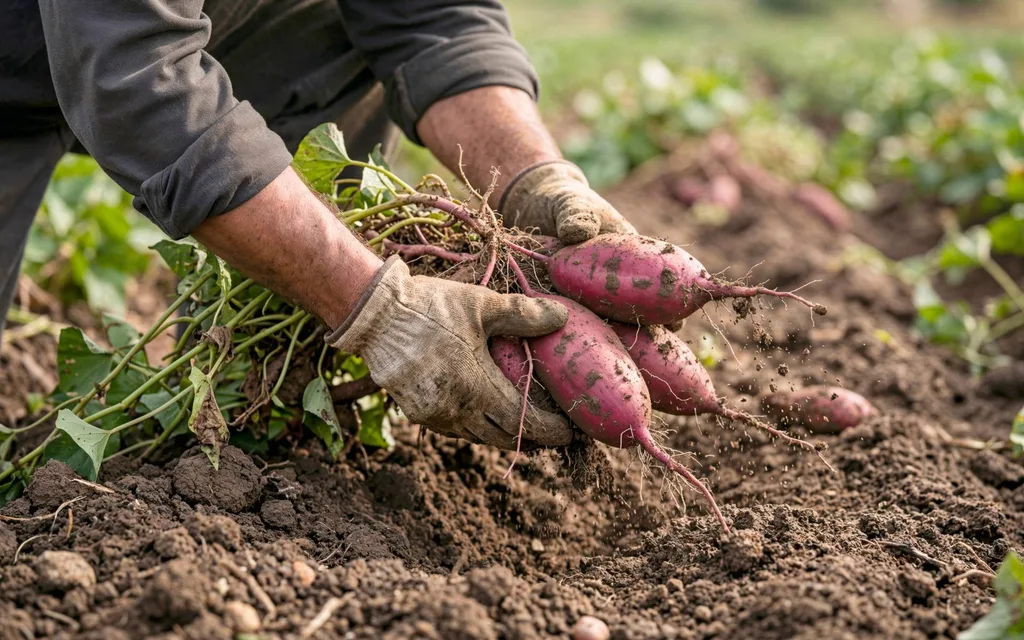
After arriving in Aotearoa in the 13th century, one of the first things Māori would have realised was that the plants and seeds they had brought from east Polynesia may not love their new home. To combat the cooler climes and extend the growing season necessary for the crops to fruit, soils often needed improving to both lighten and warm them. Ku¯mara, for example, grow best in light, sandy soils, in mounds or on sunny slopes. In the absence of these, gravel, pumice and even wood charcoal were added. This increased drainage and aeration, with the stones absorbing the sun’s heat and releasing it during the cool of night. Stones might also be placed around plants for the same effect. Often twigs and leaves would be incorporated into the planting mounds to aid aeration, drainage and enrich the soil as they decompose.
Manure was never used as a fertiliser. It was believed to be unclean and not something to offer Earth Mother Papatūānuku. However, wood ash was applied to firm loams but not fertile friable soils.
Observation deck
The Western tradition of naming the first day of spring in the Southern Hemisphere as September 1 is a construct as much for convenience as anything else. Nature is not so inflexible – spring begins when it will, according to its own rhythms. Nor did Māori have such a fixed date, but the word for spring indicates the importance of identifying its appearance. Kōanga means the turning of the kō, a planting tool. Spring being the time to prepare the soil for planting.
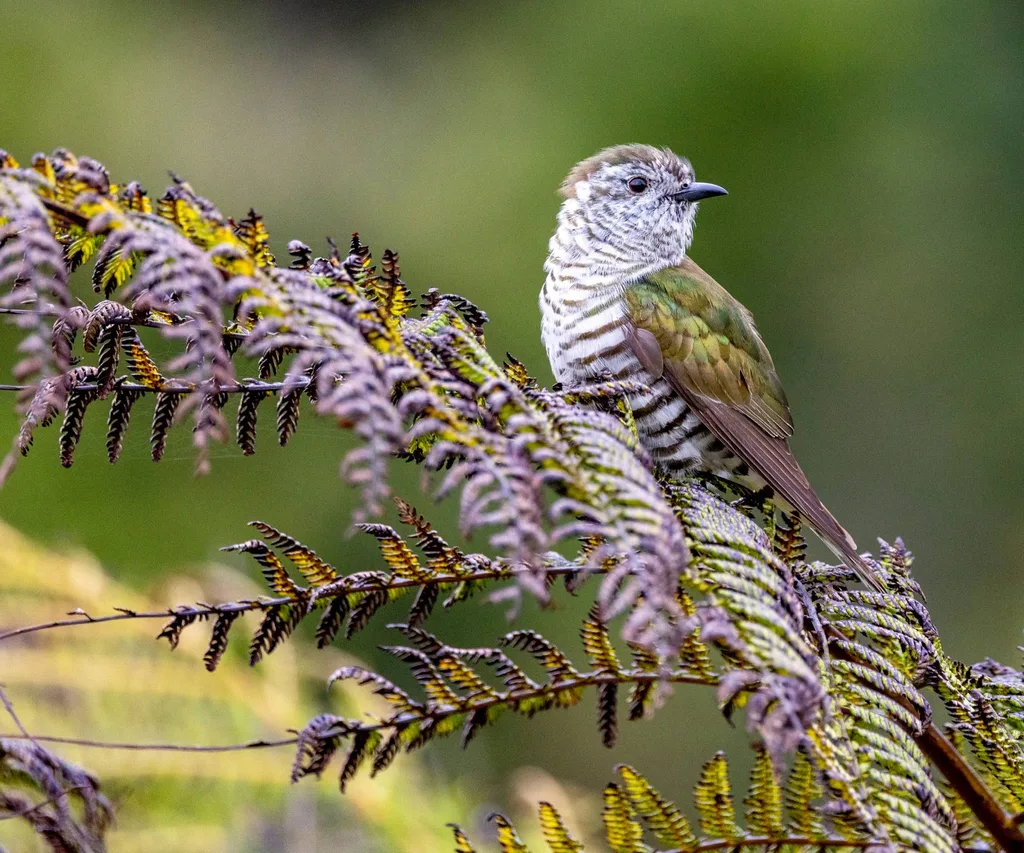
Spring is recognised by observation of the natural world – certain plants start growing in response to changes in soil temperature, others to lengthening daylight hours and rising air temperatures. The flowering of the kōwhai is a traditional sign that spring is beginning, as are the first calls of the pīpīwharauroa (shining cuckoo), announcing their return after wintering in New Guinea and the Solomon Islands.
Like farmers, contemporary gardeners are well-placed to observe for themselves when the time is ripe for sowing and planting in spring, with or without the help of modern technology.
Golden vane
Not only is the kōwhai a beautiful and elegant tree, but its wood is the hardest native timber, burning hotter than coal even. According to Māori wisdom, if the golden blossoms appear on the tree from the top down, a cold wet spring will ensue. If, however, they appear on the lower branches first, then you can look forward to a warmer period.
Plant in sun or semi-shade in moist but not wet soil. The eight species have different growth habits and flowering times, and are acclimatised to specific locales. Up your success rate by planting the right species for your region.

By light of the moon
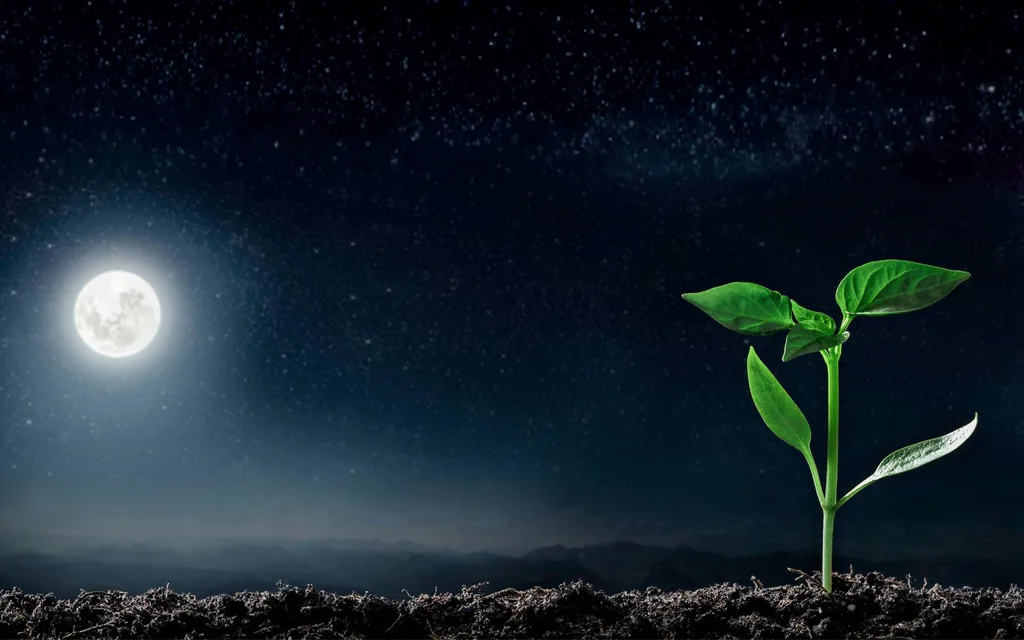
Civilisations, from the ancient Mesopotamians on, have looked to the skies for assistance with growing plants. The predominant lunar calendars available today for gardeners appear to have arrived via European, then North American farmers. The main rationale being the moon’s light and gravitational pull affect the soil’s moisture content, and influence plant growth and development. Lunar calendars list optimal periods for a range of gardening chores, from planting above-ground and root crops, grafting trees, weeding and transplanting.
The Māori calendar, maramataka, is more precise as to days, but has fewer specified chores. As well as including fishing, it nominates specific days of the lunar cycle for planting individual crops such as kūmara, melons, gourds and seedlings. For example, while the third, fourth, fifth and eighth day after the new moon are good for planting, the sixth and seventh are not recommended. While the scientific jury remains out on lunar calendars, many gardeners and farmers swear by them, and what better than one especially attuned to Aotearoa conditions?
Getting away
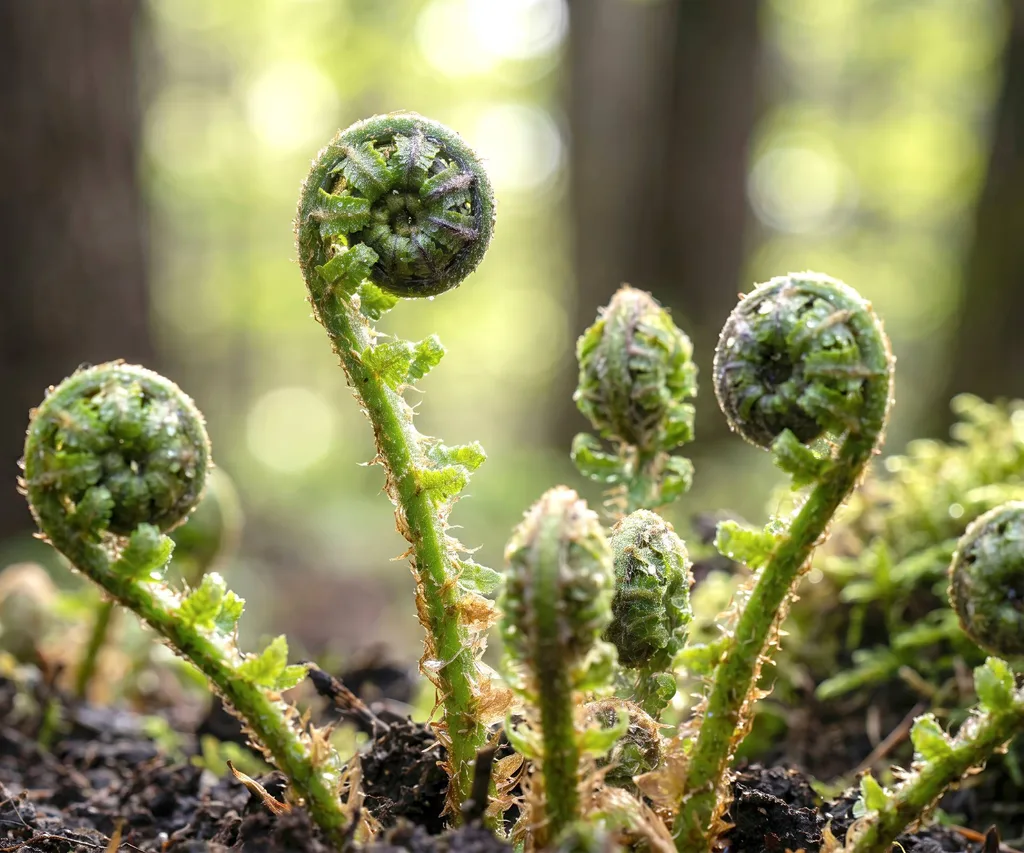
Like farmers and gardeners everywhere, Māori knew the joys and trials of crops growing too well. In most parts of Aotearoa, the rhizomes of bracken or rauaruhe (fernroot) was the most important source of starch to pre-Pākehā inhabitants, who crushed it before placing it on embers to roast.
Even though this fern is a native and found in abundance throughout the land in open habitats, it was also cultivated, often in forest clearings rather than in gardens. This was to minimise the impact its invasive nature would have on nearby crops. However, some considered the richer forest soil imbued the roots with a pleasant nutty flavour. Often, rather than attempt to rid fallow soil of the wiry mat of its underground rhizomes, Māori found it easier to start a new garden somewhere else.
As weedy as it may be considered, bracken is an attractive plant and its fronds are valued for floristry. However, it is considered by modern horticulturalists to be difficult to propagate by spore. Nor does it transplant readily. Getting it established in your garden may be a matter of good luck – or bad.
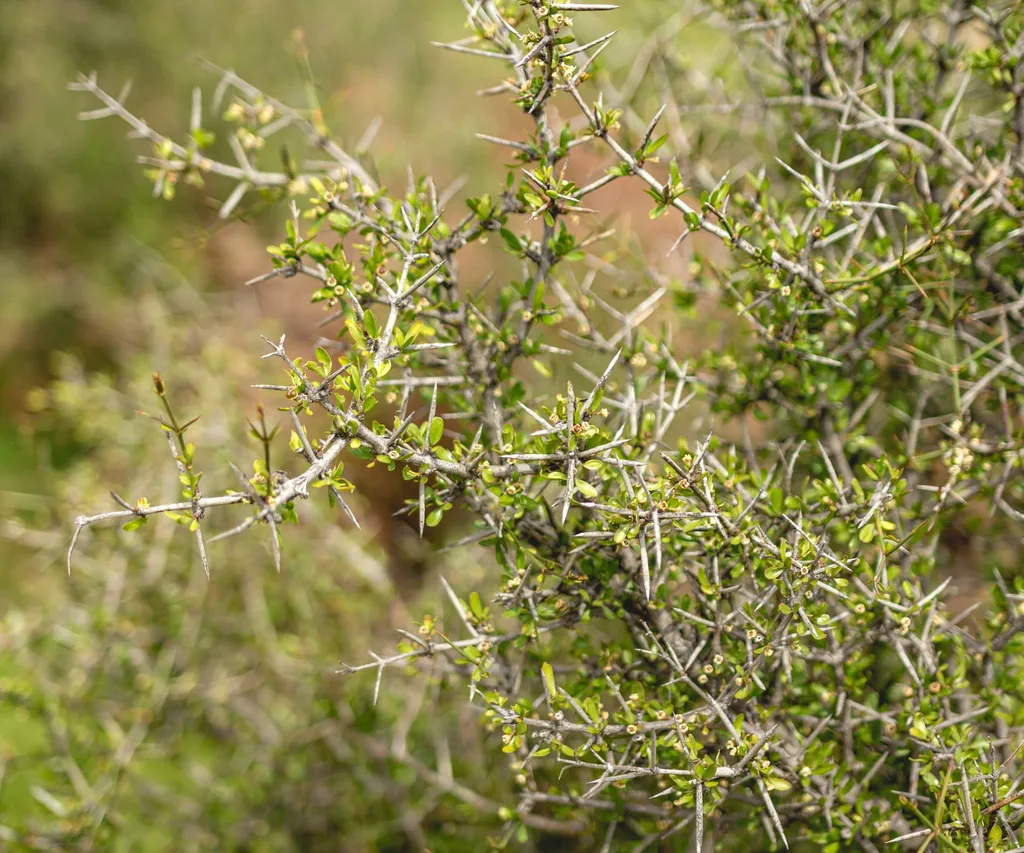
Matagouri/tūmatakuru
Although relatively slow-growing, its tangling, twisting, dense habit and brutally long spines make plausible the anecdotal reports of matagouri, along with ongaonga (stinging nettle) and taramea (speargrass), being used in pā fortifications.
More common in the South Island, its natural habitats are stony river beds, coastal dunes and rocky subalpine regions. So, give it a sunny, dry spot under windows, around garden beds and along boundary lines to maximise its protective qualities. Few robbers, human or otherwise, are willing to broach it.



Gourd almighty
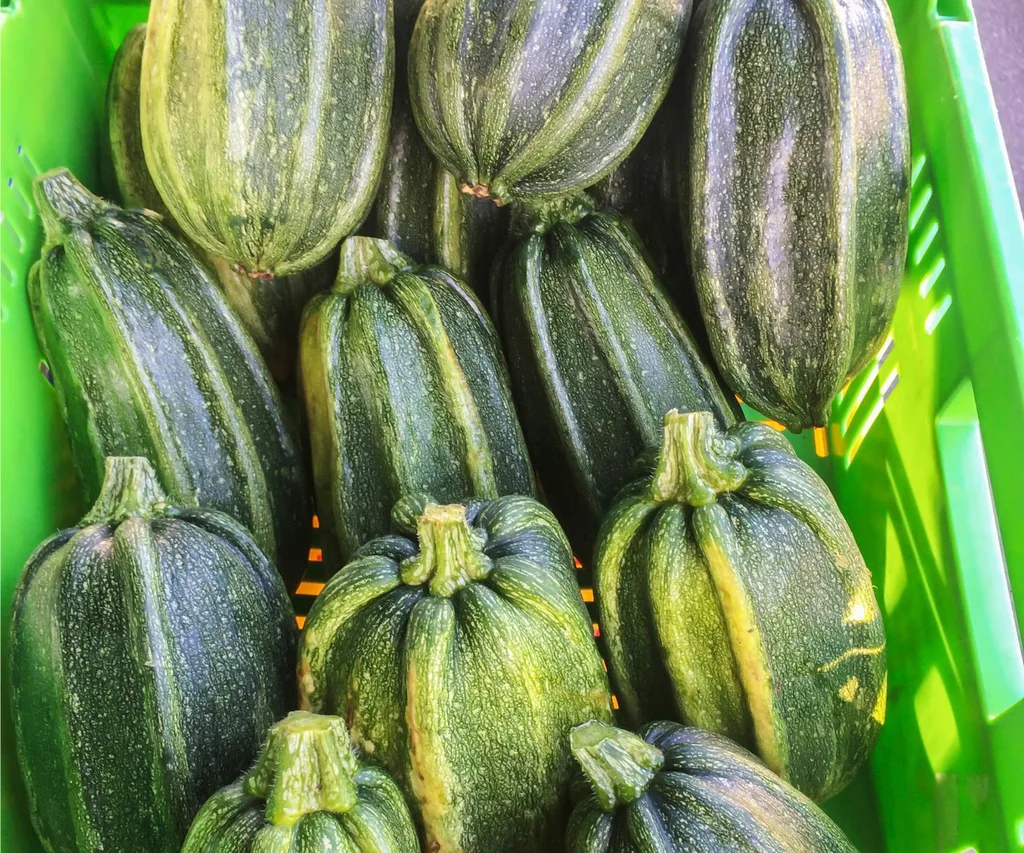
In the absence of pottery, gourds were of particular importance to Māori who brought the seeds with them – making the vine the first crop to be propagated by seed in Aotearoa. Needing a good five to six months of warmth from go to whoa, gourds were traditionally germinated in spring, first by wrapping the seeds in fern fronds and leaving under running water for a few days. Then, at the appropriate time in the lunar cycle, they were sown in a basket of soil humus and kept warm, either near a fire or with heated stones. The seedlings were planted in hollows, usually with stones around them to keep in the heat, and earthed once established.
Often these mounds had large rocks in the centres for the vigorous vines to spread over, although they will scramble up and over anything, from banks to trellises and even trees. Plants are best spaced at least one metre apart.
The immature fruit when used as a vegetable in midsummer is called kotawa. The immature fruit, known as hue, is ready for picking when the stem has turned brown. To cure, stored inside for up to six months. Then it is ready for its variety of uses, traditionally food containers and water vessels, but they were also turned into the likes of musical instruments and even floats.
Gourd seeds are readily available commercially in New Zealand.
Magical Matariki
As the Matariki star cluster (also known as the Pleiades) rises in the midwinter sky, Aotearoa welcomes the Māori New Year – a season of reflection, connection and renewal. Guided by the maramataka Māori lunar calendar, the date changes each year, with Matariki observed on July 10 in 2026.
Traditionally, Matariki was a time to gather with loved ones, share kai, honour those who had passed away and look ahead to the coming season. Today, celebrations continue in meaningful and modern ways, from stargazing and storytelling to planting, cooking and spending time with whānau.
It’s also a chance to embrace the slower rhythm of winter and reconnect with nature, community and each other.

To celebrate, try…
Plant something edible
Mark the season of renewal by planting herbs, native plants or winter vegetables.
Cook and share kai
Gather friends or whānau for a comforting meal and take time to connect.
Go stargazing
Rug up and head outside before dawn. Find a spot away from city lights, look to the northeastern sky, then take a moment to appreciate the beauty and meaning of the Matariki cluster.
Support local events
Look out for light displays, workshops, markets and performances in your community.
Spend time outdoors
Matariki is deeply connected to the natural world. Go for a bush walk, bike ride, spend time in the garden, watch the sunrise or simply gather outside with whānau under the stars.
Reflect and set intentions
Pause to journal, remember loved ones, reflect on the past year or think about what you’d like to welcome into the next one.