



 babich martens
For many women in their thirties, menopause feels like a distant concern. Something to think about much later, after careers, kids and the daily juggle of life settle down. But for broadcaster Toni Street, the reality came sooner than expected.
Three years ago, at just 38, the busy mum of three began noticing a host of worrying symptoms: painful joints, irritability, insomnia and brain fog. Her upbeat approach to life was slipping and at times, she struggled to recall even the most basic of information.
Recognising the signs
“It was quite confronting, actually,” she recalls.
“I just didn’t feel like myself. I was irritable, exhausted and didn’t feel as optimistic as usual. I was quite unmotivated.”
While she didn’t know it at the time. These symptoms were almost identical to those experienced by her mum Wendy 25 years earlier. While both women entered perimenopause in their thirties, their stories are vastly different. Toni received a swift diagnosis and treatment, whereas Wendy, 65, was left to deal with it on her own, in a time when menopause stigma was rife. Their journeys highlight just how far we’ve come – and how far we still have to go – in supporting women through this pivotal stage of life.
“Mum was expected just to get on with it on her own, whereas I knew really early that I didn’t need to put up with it,” says the Coast breakfast radio host.
“I’m incredibly grateful I was able to access help straightaway because there are still a lot of women out there who are suffering in silence or not being heard.”
Family bonds and shared moments
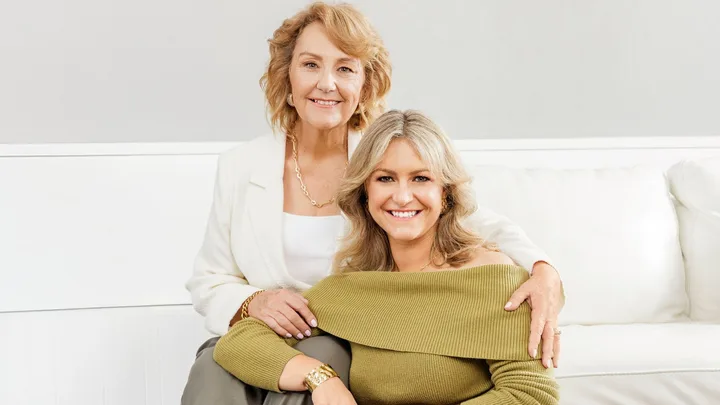
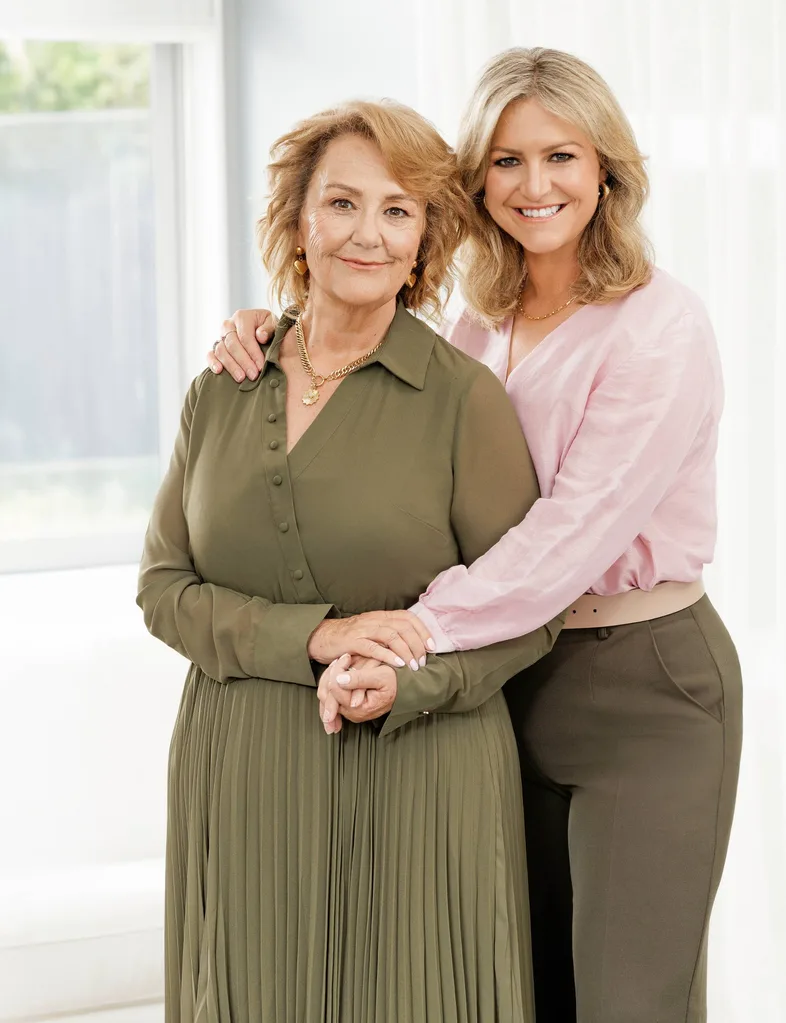
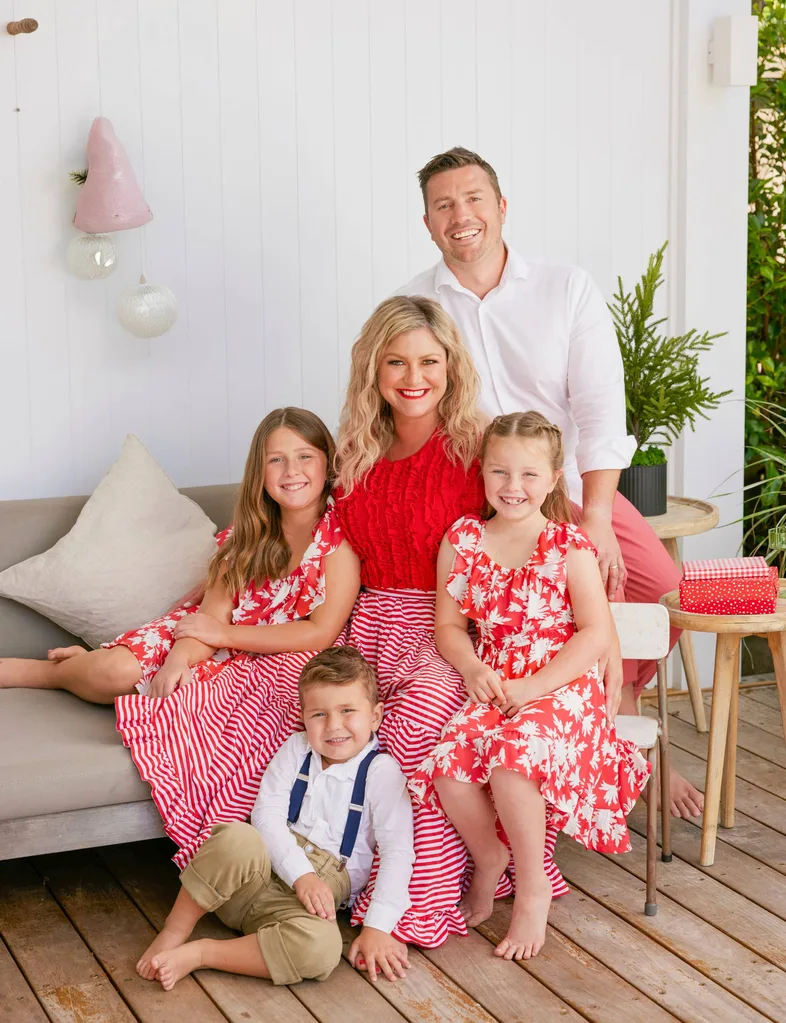
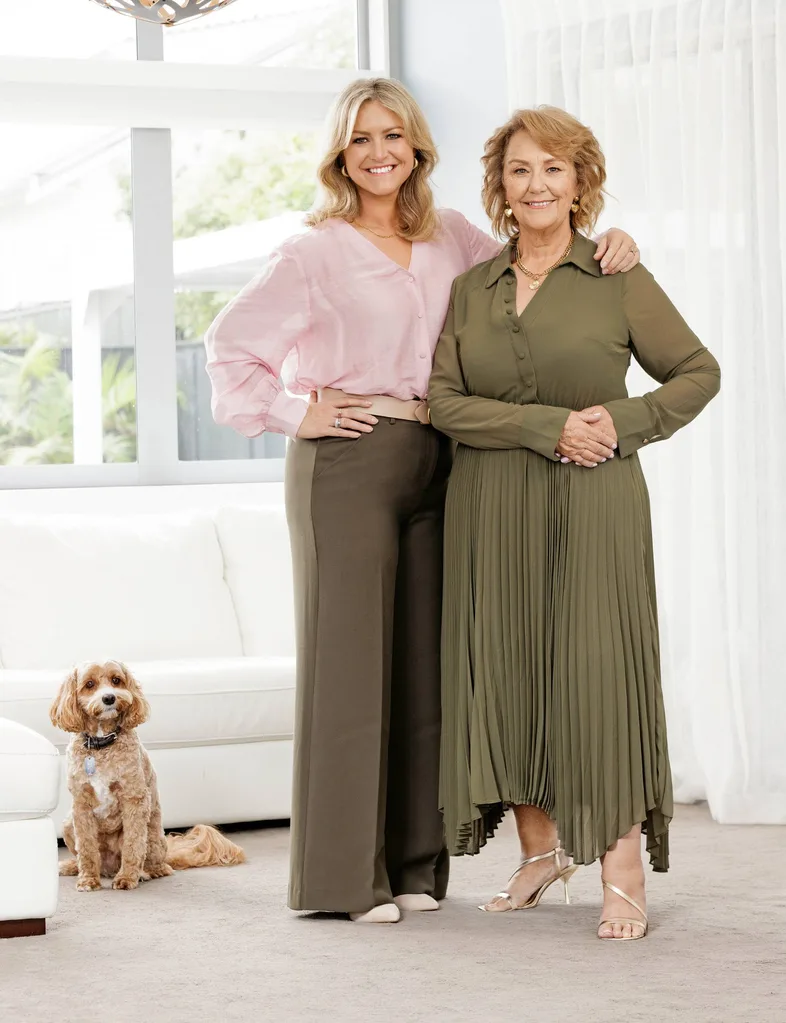
Toni and Wendy are speaking to The Weekly from the radio star’s home on Auckland’s North Shore. Toni and husband Matt France’s children Juliette, 12, Mackenzie, 10, and Lachie, six, are at school, and she’s just got home from work. Taranaki-based Wendy has driven up with husband Geoff to spend the week with their beloved family, something they do at least every four weeks or so. Toni’s younger sister Kirsty lives in Auckland too. With husband Richard and their kids William, four, and Amelia, two, and the extended whānau has a busy schedule ahead. There are grandkids’ sports games to watch, musical theatre shows to see and simply spending precious time together.
“I can’t bear going too long without seeing my family,” says Wendy, as she settles down on the sofa next to Toni, with the France-Street family pooch Bear cuddled in between them.
“If it goes too long between visits, I start getting a bit unsettled – it’s like I need to know that they’re good and to be part of their lives. At this stage of life, it’s about making memories. I want to make as many memories as I can.”
Understanding early menopause and perimenopause
But first, the mother-daughter duo are taking time out to talk openly about their journey with early menopause and perimenopause. Perimenopause refers to the years leading up to menopause, when a woman’s periods stop completely.

During this time, the body’s production of oestrogen and progesterone. Two hormones made by the ovaries, varies greatly, often causing a rollercoaster of symptoms that can include hot flushes, mood swings, disturbed sleep, headaches and weight gain. While perimenopause typically begins in a woman’s mid-40s to early 50s, for a small percentage, it arrives much earlier. With one per cent of women reaching menopause before they turn 40.
Studies also suggest the age at which menopause occurs can be strongly influenced by genetics, and in Wendy and Toni’s case. It certainly seems to run in the family with both women noticing symptoms in their late thirties. But back when Wendy began experiencing this, peri-menopause wasn’t a word people used. She had no idea it was a phase that could stretch on for years and didn’t realise it could happen so young. At the start, she simply feared she was losing her mind. Coupled with the grief of losing her 14-year-old son Stephen, which came after the loss of 18-month-old Lance and newborn Tracey years earlier, Wendy wondered how she would ever feel normal again.
The emotional toll
“I felt like a real mess,” she recalls.
“The worst part was the very emotional mood swings and feeling constantly fed up. I felt fed up as a woman having to deal with another thing because you’re right in the middle of being extraordinarily busy. Dealing with teenagers and young people, and their own hormonal mood swings. I hated knowing I was being irrational but not being able to do anything about it.”
By the time she’d figured out she was going through “the change”, she didn’t seek help from her doctor. Like many women of her generation, Wendy was also influenced by the fear surrounding hormone replacement therapy (HRT). Following early and widely publicised – but later discredited – studies linking it to breast cancer.
“We were scared off,” she tells, adding it wasn’t until she stopped menstruating completely at age 42 that her symptoms finally settled.
“There was a sense of embarrassment about it all. We all knew it was something we had to go through, but we just didn’t talk about it.”
Toni’s unexpected symptoms
That silence meant she struggled through on her own, unaware that help was available – a stark contrast to Toni’s journey today. The former TVNZ star explains her symptoms didn’t start with the classic hot flushes and mood swings. Instead it was aching knees that came first. At 38, Toni was fit, active and healthy, yet almost overnight. She found she was struggling to make it down the stairs without holding onto the banister and the F45 fitness classes she loved were becoming a struggle. She tried scaling back on exercise and it made no difference – her knees hurt whether she worked out or not. She was wondering whether it could be arthritis and found herself popping painkillers just to get through the day. Eventually, she had to stop F45 altogether.
“Even attempting to go into a squat made my knees start pinging. Something felt really wrong.”
Toni was also noticing her usual positivity had taken a hit. She was irritable, felt frustrated by things that wouldn’t usually bother her and at night, was struggling to sleep.
“It was strange because I was always a good sleeper, but all of a sudden, I found I had a very busy mind. I was feeling anxious, which is out of character for me and because I wasn’t sleeping well, I was always tired, like catastrophically tired.”
Discovering the hidden truths of perimenopause
At the same time, she was delving into health and wellness issues on her hit podcast We Need To Talk, including interviewing women and experts on the subject of perimenopause. What became apparent was the myriad different ways women were experiencing this phase of life and that many were completely in the dark about what was going on with their own bodies.
“It seemed that women over 40 were having a whole raft of symptoms and changes, and no one really knew what it was,” she explains.
“I ended up interviewing a lot of medical specialists, and there was a real buzz about this new knowledge and understanding around perimenopause. It was a real ah-ha moment for me.”
The more she learned, the more she began to link her own symptoms to hormonal changes. Yes, it was happening early, but given her mum’s history, she wasn’t too surprised.
“I knew there was a genetic link and that most people seemed to follow a similar path to their mum.”
Toni was surprised to learn that oestrogen plays a crucial role in joint health and it dawned on her that falling oestrogen levels might be causing her knee pain.
“It was like, ‘So that’s what’s going on!’ Suddenly I felt empowered because I knew there were things that could possibly help me.”
Getting a diagnosis
Toni saw her GP, who ordered blood tests to check hormone levels, and while on holiday in Whangamatā over the summer of 2023, she had a Zoom appointment with a specialist menopause doctor based in Tauranga.
“The doctor listened to my symptoms, considered my blood results and agreed it looked very much like I was in perimenopause,” says Toni.
“Even though I was only 38, she felt it was certainly worth trying HRT medication.”
Within just a couple of weeks of starting on oestrogen patches, Toni began to feel much more like her old self again. The knee pain settled, and she felt calmer, happier and more in control. She was even sleeping better and the “catastrophic tiredness” began to lift. It was revelatory.
“I just feel like HRT has given me a bit of a shot in the arm,” says Toni.
“Like it’s given me my mojo back.
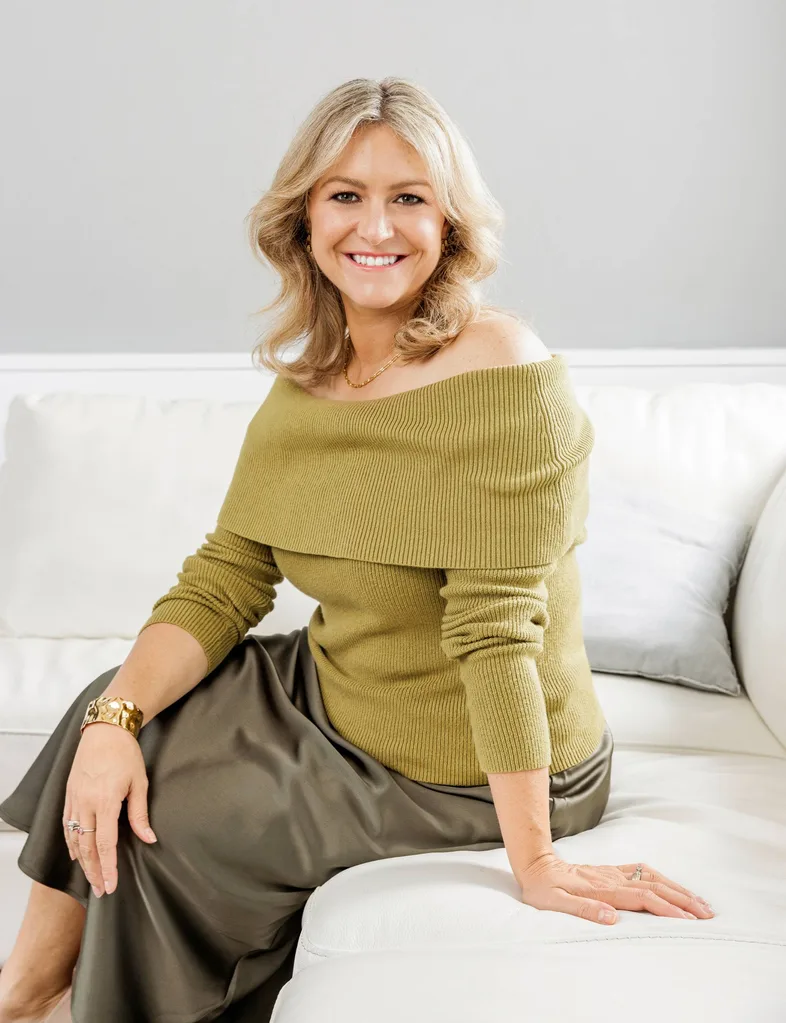
Several years on, Toni continues to take HRT – delivered via a patch on her skin – and a testosterone cream. At 41, she’s feeling better than she has in years. Amazingly, the joint pain has gone completely. She’s returned to exercise and is even playing top- level netball again in a team of ex-representative players like herself, and impressively some former Silver Ferns.
“The idea of playing netball at this level would have been absolutely inconceivable before,” she says.
Balancing medication with lifestyle changes
But Toni’s also at pains to point out that medication isn’t the only thing that helped her perimenopause issues – lifestyle tweaks have also been vital. She switched her high-intensity F45 workouts to those with a strength-based focus and is making a big effort to increase her protein intake.
“Lifting heavy weights and increasing protein in our diets are so important for our health at this stage of life,” she insists.
“We need to do all we can to look after our bones, heart and brains.”
A day in the life
Life is incredibly busy for Toni and her family, but that’s the way she likes it. A typical day looks something like this: the alarm goes off at 4.30am, Toni rolls out of bed, pulls on the clothes she’s laid out the night before and heads out the door without waking anyone else in the house. She arrives at work in the city just after 5am, and from 6am till 9am hosts the Coast breakfast show alongside Sam Wallace and Jason Reeves. After that, they spend a couple of hours planning the following day’s show. Before Toni heads home and transitions into mum-mode. She’ll try to fit in some exercise – a workout in the garage-turned-gym, a dog walk or a jog,
before heading to school to coach her daughters’ netball teams during their lunchtime. Then it’s time for some admin and afternoon tea prep for the busy after-school period. Netball games, musical theatre rehearsals, rugby training… the list goes on. The France family calendar is bursting at the seams, but Toni credits husband Matt, 41, who works part-time as a sponsorship manager, for ensuring
the household runs efficiently.
“Matt is the organised one in the family,” she shares.
“He’s a real details person and he loves systems, so he’s the one who is across everyone’s gear bags and lunchboxes, and making sure we all know where we need to be at what time. We’re very lucky to have him because I fear it would be chaos if I were in charge!”
Launching a new venture
Incredibly, amid the demands of family life and her broadcasting career. Toni has also found time to launch an exciting new business. Toni Street: Confident Communication is an online course designed to help people sharpen their public-speaking skills, feel comfortable on camera, and communicate with clarity and confidence. The idea took shape two years ago, when Toni was helping Mackenzie and Juliette prepare for their school speech competitions.
“I started brainstorming how I could share the skills I’ve built over 20 years in the job,” she explains.
“And I realised it’s not just students who need help with this. Almost anyone I talk to seems to struggle with public speaking – even those who are naturally good at it tell me they absolutely loathe it. We turn down opportunities because we’re scared. And often, our perception of how good we are – or aren’t – is completely warped. You actually have to learn how to untrain your mind in that respect.”
Helping others find their voice
She’s seen a real shift in workplace expectations too, and hopes her course will help people progress their careers and businesses.
“People are now expected to run panel discussions, speak in front of teams, host meetings, appear on social media… and so many people say to me, ‘I should be doing videos,’ but they’ve got the ick about it. It’s more straight-forward than people think. They just need to be shown how and given a massive confidence boost.”
And that, she says with a smile, is exactly what she’s here to deliver. She’s spent the past few months writing her course content and filming how-to videos, as well as getting her head around launching and running a small business. Toni knows some people may wonder why she’s adding more to her already-full plate, but she’s taking the increased workload in her stride. She still loves her radio role, but admits it felt like the right time to add another string to her bow.
A mother’s pride
“I just wanted to do something for myself,” she says.
“And I wanted to use my commerce degree that I got so long ago. This is a way to stretch myself and push myself, and it really does feel refreshing to try something new.”
As Toni speaks about the new venture, Wendy can hardly contain her pride for all that her talented daughter continues to achieve.
“She’s incredible,” enthuses Wendy.
“She’s always been like this – she can fit more into the day than most people. She’s got an amazing drive but she still manages to find time for other people. I’ve always known she is special – she really is.”
And there’s no doubt this is a family who truly understands just how precious each day is. The Streets have experienced unimaginable heartache with the loss of three children: Toni’s twin brother Lance died at 18 months old from leukaemia. Her newborn sister Tracey a year later and in 2002, Stephen was killed in a farm bike accident.
Finding gratitude amid grief
Wendy admits her grief is still a daily struggle and on bad days, she still thinks, “When will this ever leave me?” But having the relationship she does with Toni, Kirsty and their families provides the most wonderful balance to the sadness. She and Geoff feel grateful every day for all they have in their lives.
“For all the horrible, terrible things we’ve been through, we still truly know how lucky we are to be left with so much. I have the best grandchildren in the world, and I look at Toni and Kirsty and think, ‘How did we get so lucky?’”
That sense of gratitude has only deepened in recent years as Wendy and Geoff have faced serious health challenges. In 2023, Geoff underwent major bypass surgery following a heart condition diagnosis, and just last year. Wendy had a pacemaker fitted after collapsing during a pasta-making class with Toni and Juliette.
“It was really scary,” Toni recalls.
“One minute we were having this lovely afternoon, and the next Mum slid off her chair and onto the ground.”
By the time they made it to the hospital, Wendy was in and out of consciousness, and doctors found her heart was stopping periodically. She was taken for surgery the following day and since then, has made an excellent recovery. With both her and Geoff out the other side and feeling well again. Wendy says they’re more determined than ever to make a positive impact on their families’ lives.
Family as rock and reason
Says Wendy, “They’re my rock and my reason, really. My big mantra is that we need to be doing everything we can to make sure they have the best lives. I want to give them as much as I possibly can from my end to help them and support them. The big thing is, if they’re happy, I’m happy.”
Wendy says she is continually amazed by how similar Toni’s youngest son Lachie. Who was born via surrogacy thanks to Toni’s best friend Sophie Braggins, who carried him – is to Stephen. Tears fall as she talks about the two beloved boys and their striking similarities.
She shares, “I have photos of both of them on my fridge and sometimes I might get a bit of a fright because I’ll see Lachie out of the corner of my eye and I’ll think, ‘It’s him, it’s Stephen!’ for a tiny second. Or I’ll be talking to Lachie or playing with him and I’ll have these thoughts of ‘I don’t know who I’m talking to, Stephen or Lachie.’”
Choosing gratitude over grief
But Wendy is determined to focus on what she has, rather than what she’s lost.
“You can’t get bogged down in what doesn’t go right in life,” she muses.
“I try to focus on the ‘how lucky are we’. I have had a lot taken away from me, but I’ve also been incredibly blessed with what I do have.”
Having lived through such challenging and heartbreaking experiences, both Wendy and Toni’s priorities are crystal clear.
“Family always comes first,” says Toni.
“And right now, I’m just so grateful that we’re all in a good space. Everyone’s healthy and happy, so we need to make themost of every single day.” AWW
To find out more about Toni’s Confident Communication course, visit tonistreet.com or see tonistreetcommunications on Instagram.