





The word “grateful” crops up a lot when Catherine Wilson talks about the care her mother received from hospice when she was dying of cancer.
“I can’t thank them enough,” she says.
“They made an awful time a little bit easier for everybody.”
Catherine particularly appreciated the hospice nurses who visited her mum, Anne, at home and the volunteer drivers. Who took her to medical appointments when family members were unavailable.
She’s also very thankful that her mum could have regular sessions with a hospice counsellor. Which helped her to deal with the emotional turmoil she was going through.
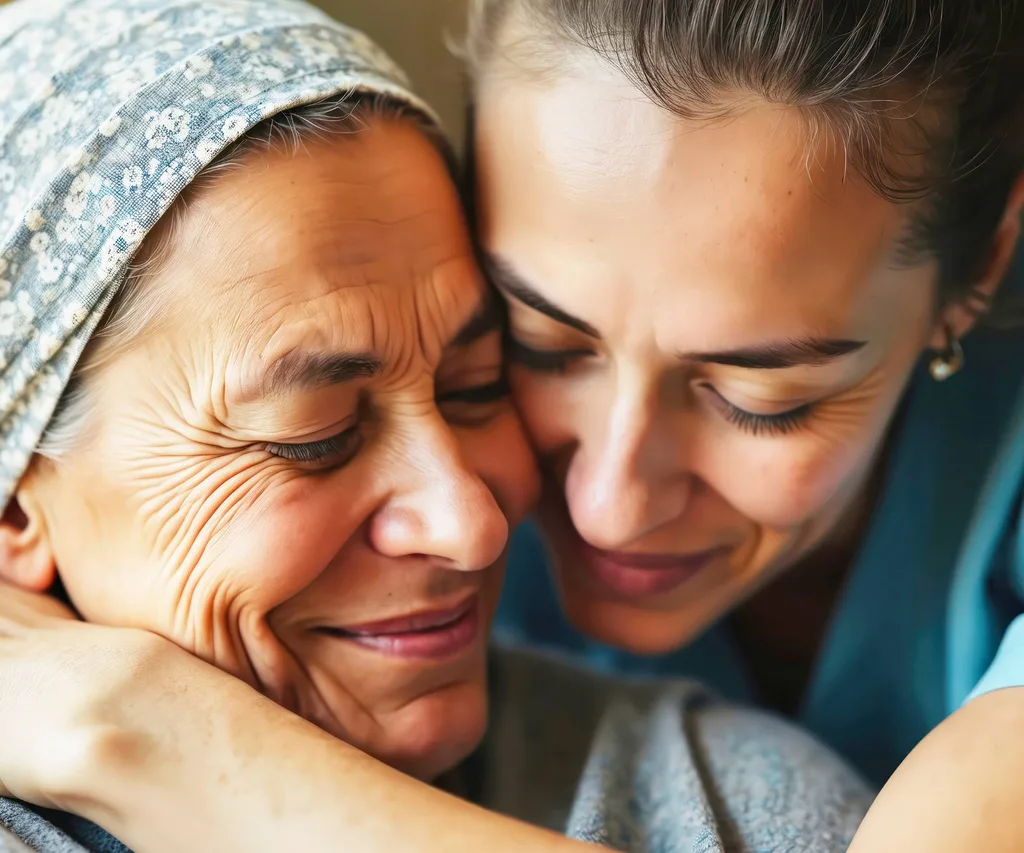
“Mum went from having a couple of seemingly minor symptoms to finding out she had stage four cancer, so it was a huge shock,” she tells.
“Talking to a professional really helped her to come to terms with what was happening. She didn’t want to burden us with a lot of her worries, but she could open up to her counsellor.”
Several family members also had sessions with the hospice counsellor. Both before and after Anne died, and it helped with their grief, says Catherine.
“I didn’t realise counselling was an option – we were very grateful for it.”
Counselling is just one of the many services offered by hospices in New Zealand. And like the rest of the help they provide, it’s free. But hospices are struggling financially and some may have to cut back on non-clinical services, like counselling.
Wayne Naylor, the chief executive of Hospice New Zealand, says some hospices could even close if they don’t get more government funding.
“Without fair and sustainable funding, hospices and the critical services they provide are at risk of disappearing,” says Wayne.
“We need to have hard conversations about future funding, particularly as the demand for hospice care continues to rise as our population grows older and lives for longer.”

Around half the money the 32 hospices in New Zealand need to operate comes from the government. They must raise the rest themselves. Last year, it cost $226 million to fund their services and after the government contributed $114m, they had to find the remaining $112m. They do this through donations, retail shops, bequests and fundraising events.
Hospices provided palliative care for 11,000 people who died in 2024. Which was almost a third of all deaths in New Zealand. They also supported another 9000 people living with a terminal illness.
“Without more funding, we risk losing these vital services when people need them most,” says Wayne.
Hospice: the facts
Hospices are estimated to save the public health sector around $110 million a year. With the care they provide freeing up hospital beds and easing the pressure on emergency departments.
They return $1.59 in health benefits for every dollar of government funding.
While around 68 percent of their patients have cancer, they also help people with a wide range of life-limiting illnesses. Providing wraparound palliative care is a huge responsibility and it’s made even more challenging by the fact that hospices have to find large sums of money every year to fund their services.
“It’s hard,” says Emma Maddren, the chief executive of Mercy Hospice in Auckland.
“And it’s getting harder, so hospices are having to pull back on some of what they provide because of the cost.”
But how do they decide what to cut?
“With great difficulty,” admits Emma.
“We’ve had to look at areas where we can be more efficient or make changes in staffing models, while trying hard to keep all of the clinical work that we do. “But we do have fewer inpatient beds open than we once did. We’ve got 13 physical beds, but only eight of them are staffed at the moment. So far this year, we’ve been at, or very close to, 100 percent full. And that seems to be the experience of hospices around the country.”
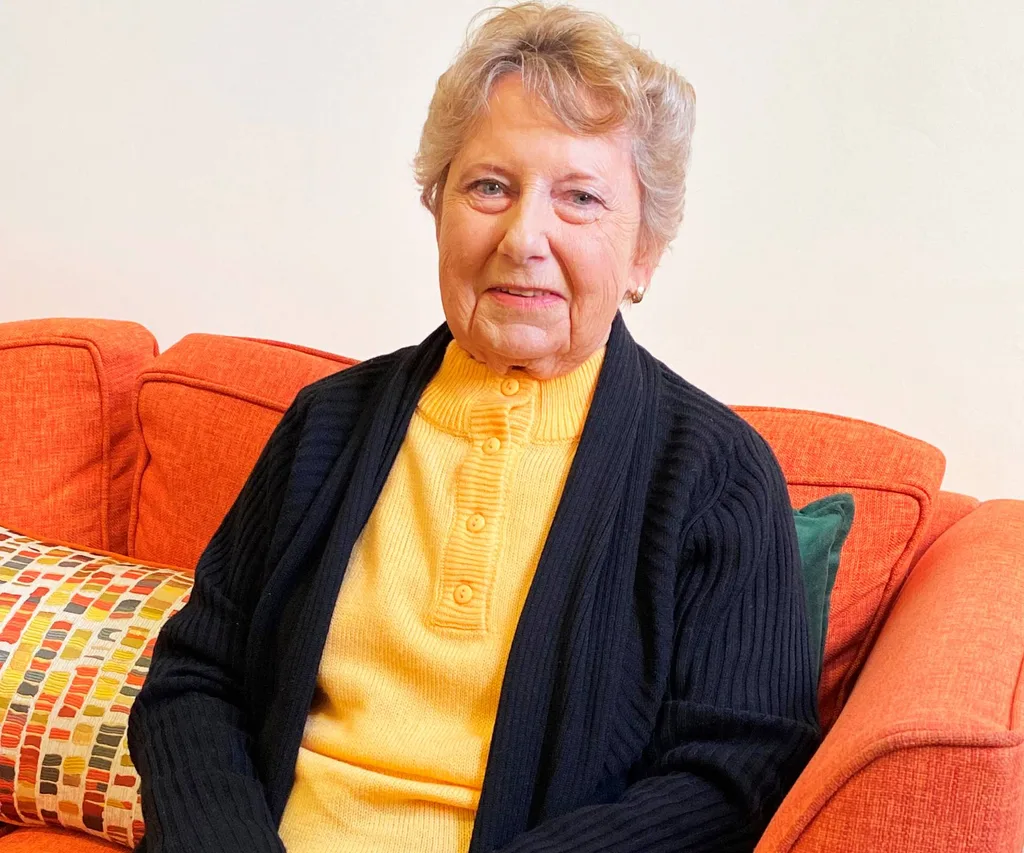
Demand for services has doubled in recent years, says Emma, thanks to a “tsunami of an ageing population and people living longer but with more chronic conditions”.
Mercy supports around 400 patients in the central Auckland community – five years ago, it was 200.
“Stretching our services across a much bigger number of patients is challenging,” explains Emma.
“We can’t just increase our workforce because of the cost. We have to prioritise our services.”
One of the most significant areas of need is social work, counselling and cultural support.
“People can be remarkable in how they cope with some of the clinical realities of what they’re going through, but often they need help with how they’re processing everything emotionally,” she tells.
“There are all sorts of social complexities when it comes to having life-limiting illnesses.”
Emma understands people can be fearful when they’re referred to a hospice because they’re associated with death. But she wants them to know, “It’s as much about living as it is about end of life. We want people to live well in those final months, or in some cases, years. Amongst all the sadness, there are some beautiful stories of how hospice has been able to make a difference to the patients and their families.”
Someone to let it all out to
Bev Evans admits she had no idea about the many services hospices provide until she needed them herself. The great-grandmother from Auckland has chronic obstructive pulmonary disease. Which has caused an aneurysm in her aorta, the main artery in her heart. It’s been operated on once but can’t be repaired again. She’s been told it will eventually burst and that will be fatal.
“My specialist said, ‘We can’t fix it – you’ll have to go home and prepare to die.’ I was in quite a daze when I was told that.”
Bev, 82, was referred to Mercy Hospice, which has helped with both her physical and emotional needs. She gets regular visits at home from nurses, attends wellness sessions and weekly exercise classes that help with her breathing, and benefits from the volunteer driver programme.
“I had a wonderful driver for nearly three years called Maurice, who recently passed. He would take me for blood tests, to get my oxygen bottle filled and if I had to go to the hospital, he would come with me. We became great friends.”
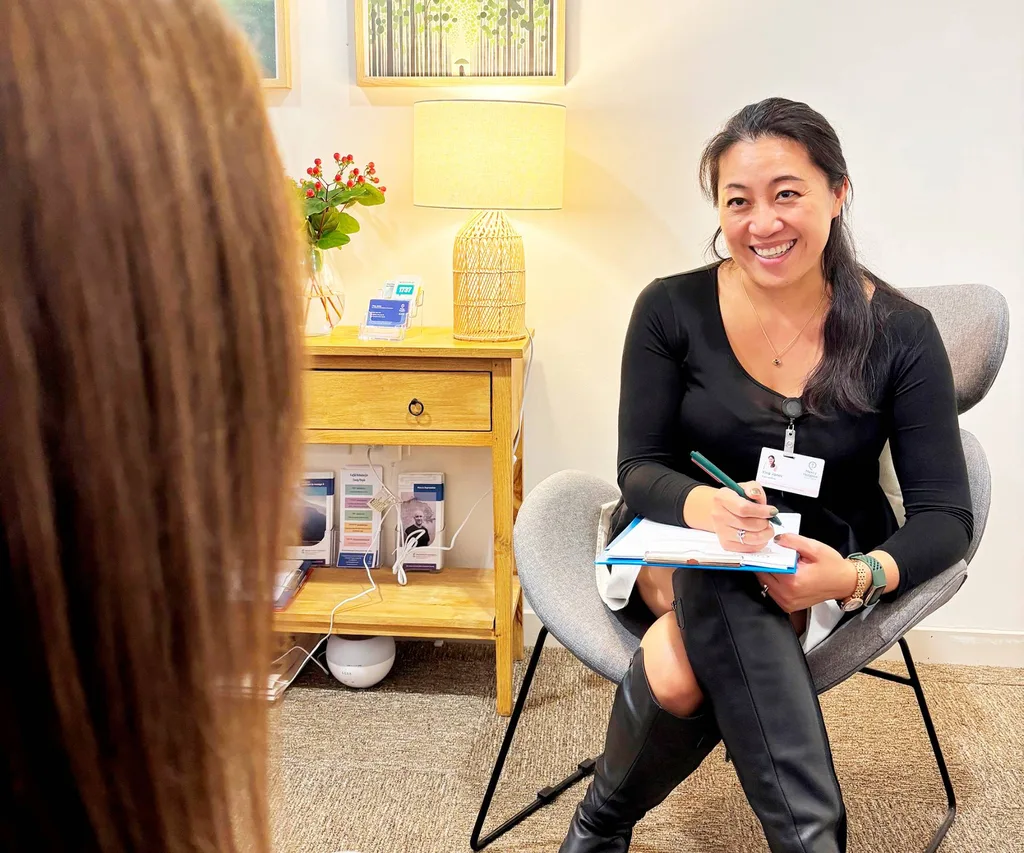
Bev, who is widowed, also values the regular sessions she has with Mercy counsellor Ying Jones.
“It helps my sanity to talk to her,” says Bev.
“I might be chewing something over at night, but once I’ve been able to talk to her, things become all right again. She’s the sort of person who you can let it all out to.”
Bev sees Ying once a month in her home but can contact her if she needs extra support. She felt very unsettled after Maurice died but talking it through with Ying helped a lot.
“It’s a wonderful service that they offer,” enthuses Bev. “We’re very fortunate to have it.”
What do hospices do?
Hospices offer a range of services to people with terminal illnesses, such as medical and nursing care in their facility or the patient’s house. Many people are able to stay at home thanks to visiting nurses. Hospices can supply equipment like hospital beds and train family members to be caregivers.
They can also provide physiotherapy and occupational therapy, with some offering complementary therapies like massage. But it’s not just physical needs that are met – they also offer counselling, cultural and spiritual support, social services and support groups. Teams of volunteers do everything from driving patients to appointments to spending time with people in need of companionship.
How you can help
- Donate to your local hospice and support their fundraising initiatives.
- Leave a bequest in your will.
- Give items to – and purchase goods from – their retail shops.
- Volunteer to help with services like driving patients.
Processing emotions
As a counsellor for Mercy Hospice, Ying Jones helps patients who’ve been given the devastating news that they have a terminal illness to process their emotions.
“Just getting things off your chest can really help and we talk about whatever is important to them, but I can also give them tools to deal with what they’re experiencing. Their emotions are communicating a need, and I can help them to understand what that need is and whether they can meet it themselves, or if they need help from other people.”
Often, people facing the end of their life feel like their choices have been taken from them, and one of the things Ying does is help them to see they can still make decisions.
“When you’re focused on loss, you can feel like you are not able to live fully, but I can help to show them how to make choices and focus on living instead of the losses.”
While Ying’s first priority is the patient, she can also counsel the family before and after their loved one dies. Her youngest client is a five-year-old who has lost their dad.
Some patients say they’ve been able to open up to her about things they can’t tell anyone else. Ying says her work is very fulfilling, even though there’s a lot of sadness involved.
“When I can see people able to make their own choices about how they move forward in this difficult time, it’s big validation for me.”