



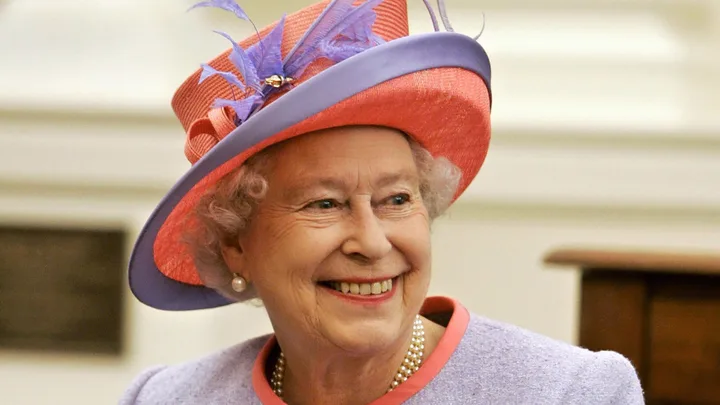
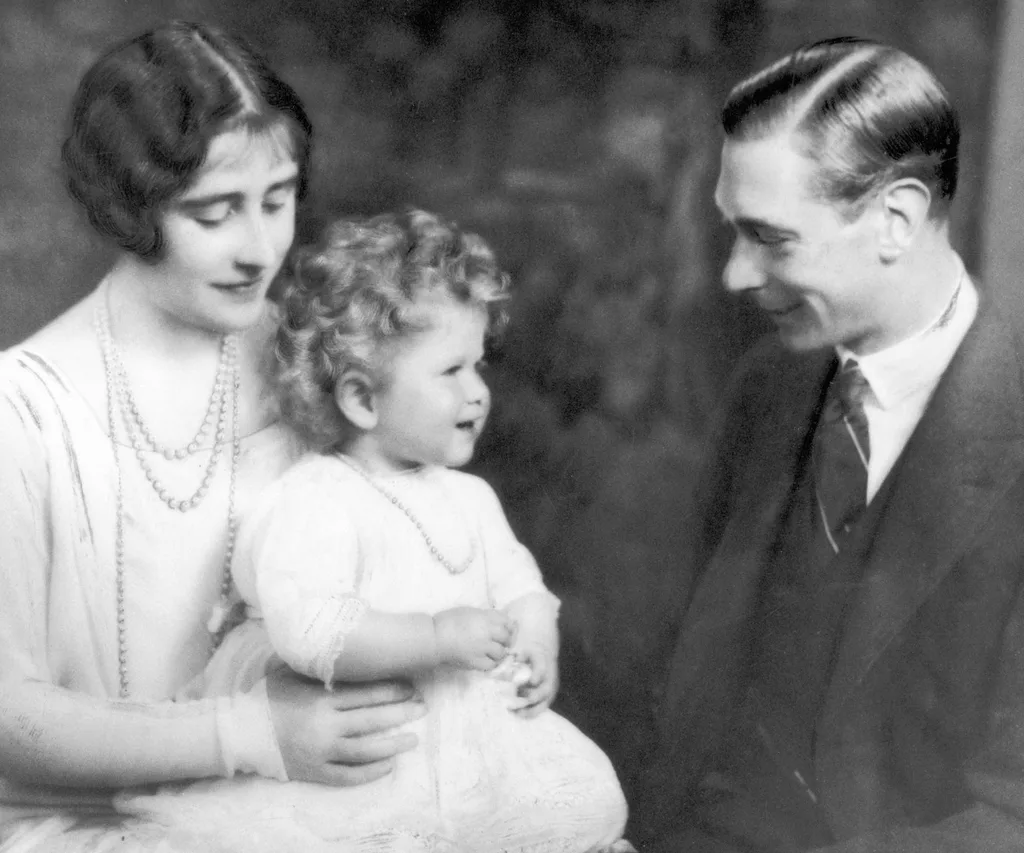
When Princess Elizabeth Alexandra Mary Windsor came into the world on April 21, 1926, nobody had a clue that this tiny blue-eyed baby would become one of the most remarkable women in history.
The centenary of the late Queen Elizabeth II’s birth was celebrated last week, with tributes being paid to a woman who, as her son King Charles III puts it, “made sacrifices for duty”.
“Her dedication and devotion as sovereign never wavered, through times of change and progress, through times of joy and celebration, and through times of sadness and loss.”
She was respected globally for the record-breaking 70 years she served with devotion, dignity and grace, and mourned deeply when she died, aged 96, nearly four years ago. It was not a role she would have chosen, but she accepted it as her destiny and got on with the job.
A destiny rewritten
Elizabeth was not meant to be Queen. When she was born on that spring day in London 100 years ago, she was third in line to the throne, then occupied by her grandfather, George V, behind her uncle, who would become Edward VIII, and her father, later George VI. Most expected her uncle’s future children to push her further down the line of succession.
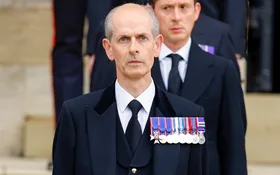
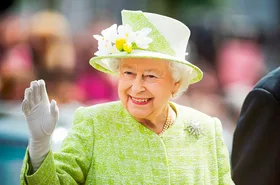
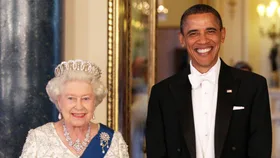
But he never became a father. And when she was 10, Edward abdicated to marry American divorcée Wallis Simpson, making Elizabeth’s father the monarch and her the heir to the throne. When her younger sister Princess Margaret realised her sibling would one day be Queen, her response was, “Poor you.”
Stepping into duty
But Elizabeth came to terms with what the future held for her, and when she turned 21, she gave a speech in which she pledged that “my whole life, whether it be long or short, shall be devoted to your service”.
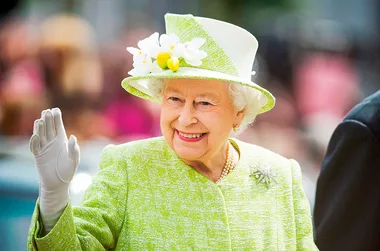
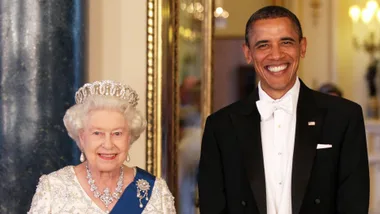
Only 25 when her father died, she ascended the throne. Her seven-decade reign was not only the longest in British history, but also considered one of the most successful, stable and popular.
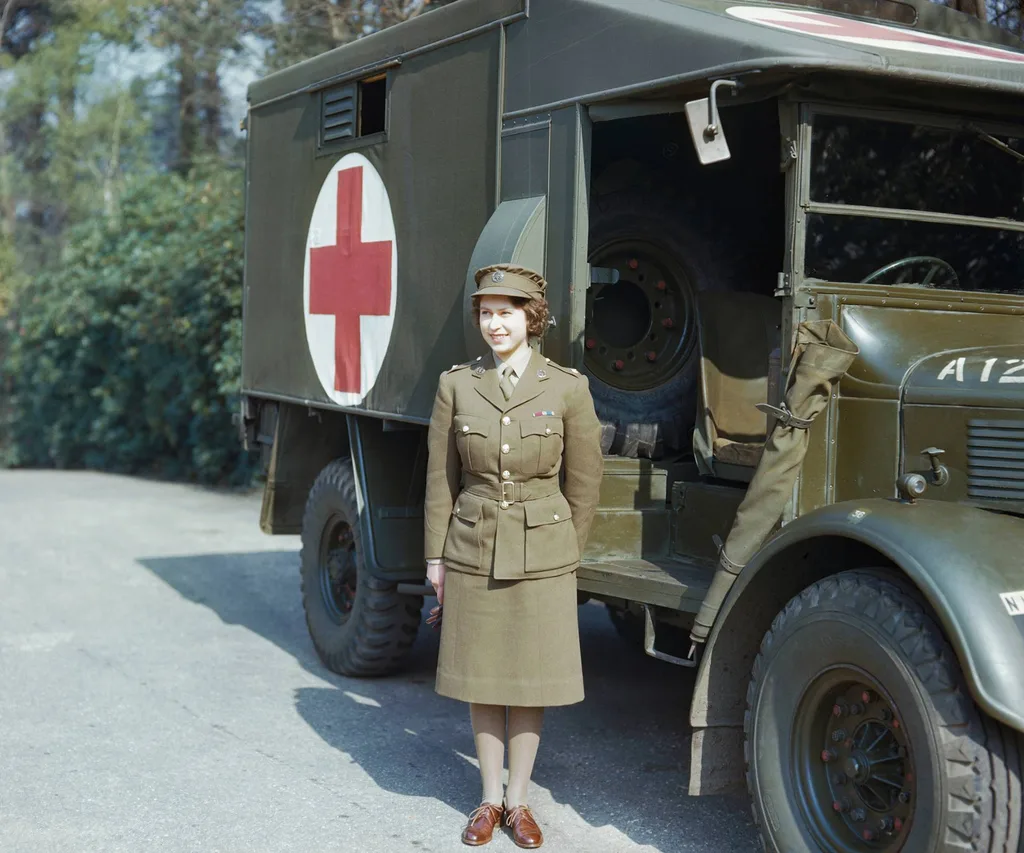
The right monarch at the right time
Royal biographer Tina Brown says, “The monarchy was incredibly lucky that it is she who inherited the throne because, temperamentally, she actually was in tune with the job at hand.”
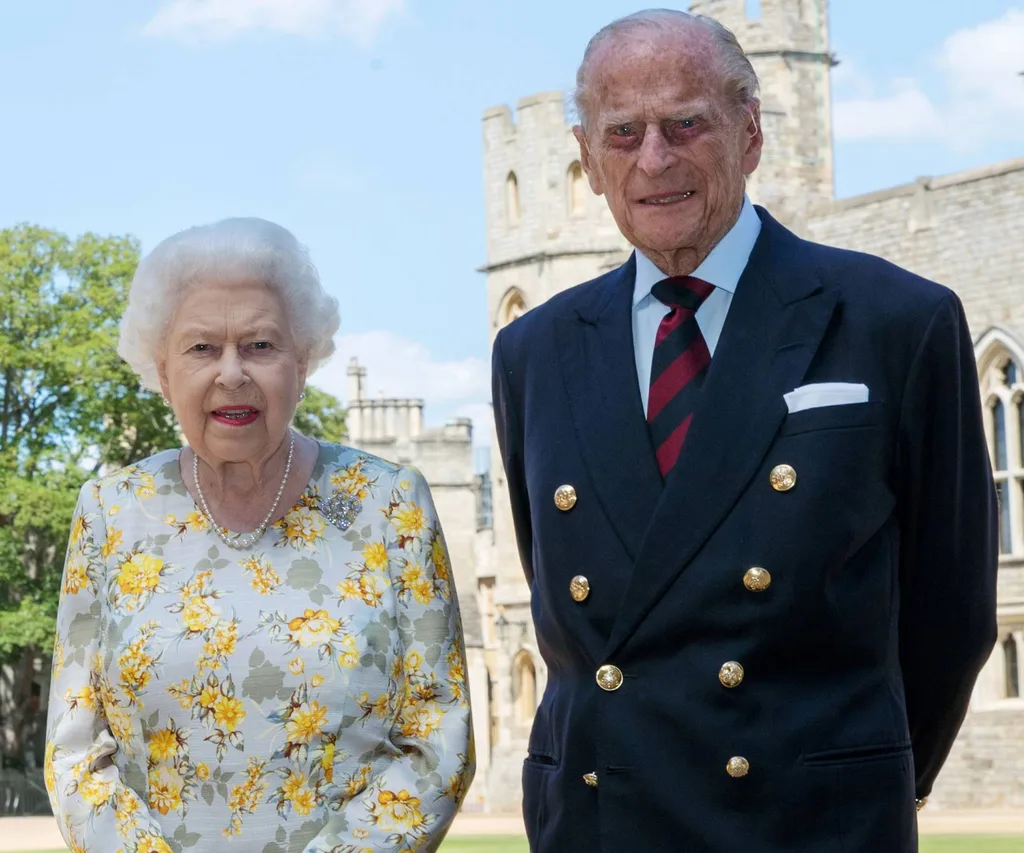
Elizabeth’s seriousness, stoicism and deep sense of duty made her perfectly suited to the role, along with her ability to keep her personal feelings in check. Having the support of her husband, Prince Philip, helped her fulfil her all-encompassing role. She became besotted with the dashing young naval officer she met when she was 13, and he was 18, and their relationship later blossomed into true love. They became husband and wife in November 1947, and their marriage lasted 73 years, until his death in 2021, aged 99.
A rare glimpse of emotion
In an uncharacteristically personal speech she gave to mark their 50th wedding anniversary in 1997, Elizabeth spoke of Philip’s “constant love and help”.
“He has, quite simply, been my strength and stay all these years, and I, and his whole family, and this and many other countries, owe him a debt greater than we would ever claim, or we shall ever know.”
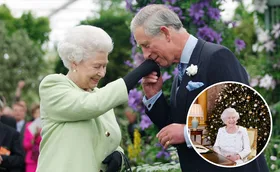
The couple had four children – King Charles, 77, Princess Anne, 75, Andrew Mountbatten-Windsor, 66, and Prince Edward, 62. Her Majesty was not the most hands-on mother as she was often busy with royal duties, but her children all had great respect and love for her.
Her softer side
Later in life, Elizabeth enjoyed spending time with her grandchildren and great-grandkids, and often it was with them that her softer, less formal side emerged. In 2018, author Robert Lacey wrote, “She clearly delights in the time she can spend with her family and she seems to be anything but emotionally reserved.”
There was a quirky and humorous side to Her Majesty that the public didn’t always see. Her former police bodyguard Richard Griffin revealed that once while out walking on the Balmoral estate, they met a couple of American tourists who did not recognise her. They asked if she’d ever met the Queen, and she replied, “No, but Richard has regularly.” When they asked her to take a photo of them with Richard, she happily obliged.
A nation says goodbye
When she died in 2022, a mourner who stood outside Buckingham Palace to pay tribute summed up the way many people felt about the only monarch most of them had known in their lifetimes.
“She was the absolute epitome of grace and dignity, but she also felt like she was your grandmother.”