To the casual observer, it just looked like a case of members of the royal family doing what they do best.
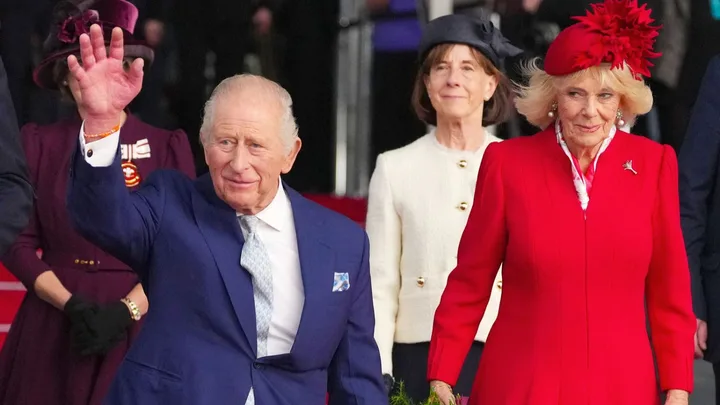
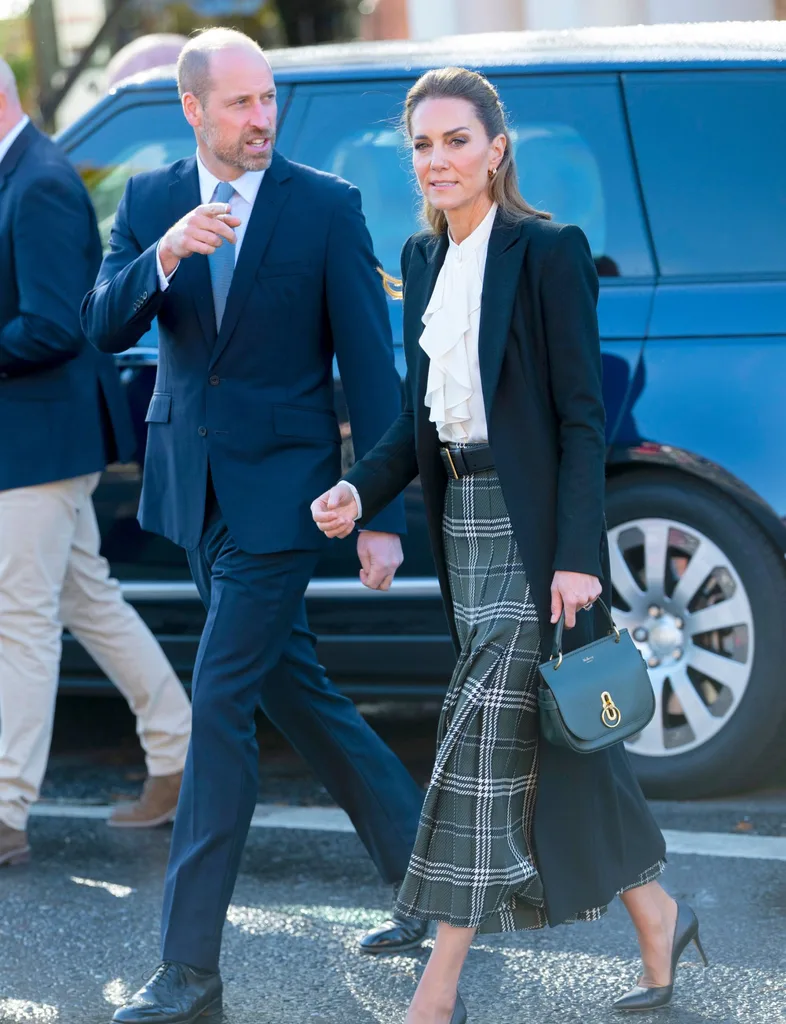
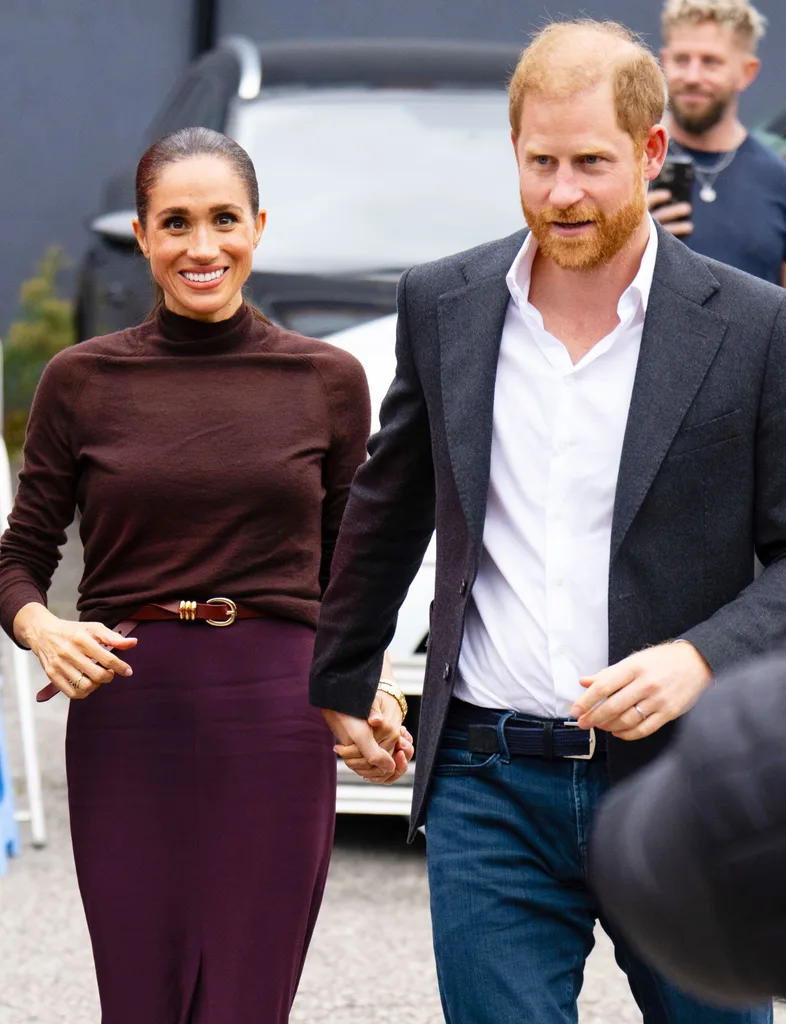
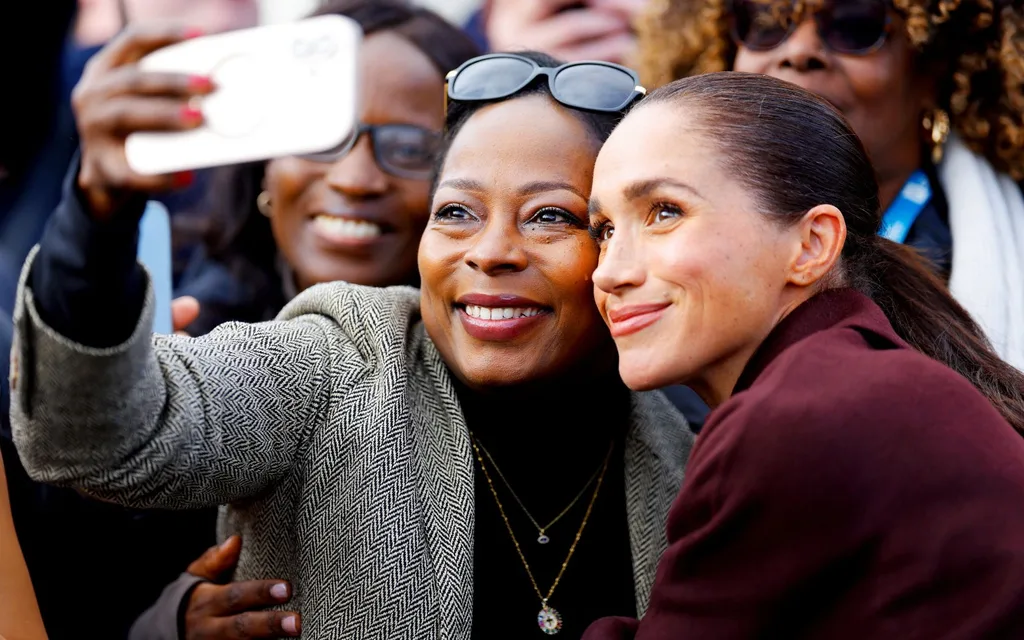
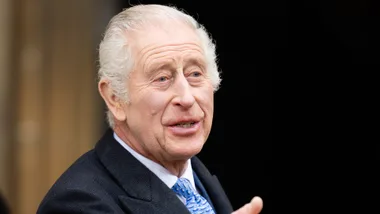
On the same day, the King and Queen opened Parliament in Wales, the Prince and Princess of Wales launched a new initiative supporting children’s wellbeing in Cornwall, and the Duke and Duchess of Sussex met with charities, and posed for selfies with crowds in Nottingham.
But one of these outings was not like the others and the fact it was happening at all is likely to be causing much anguish for the King.
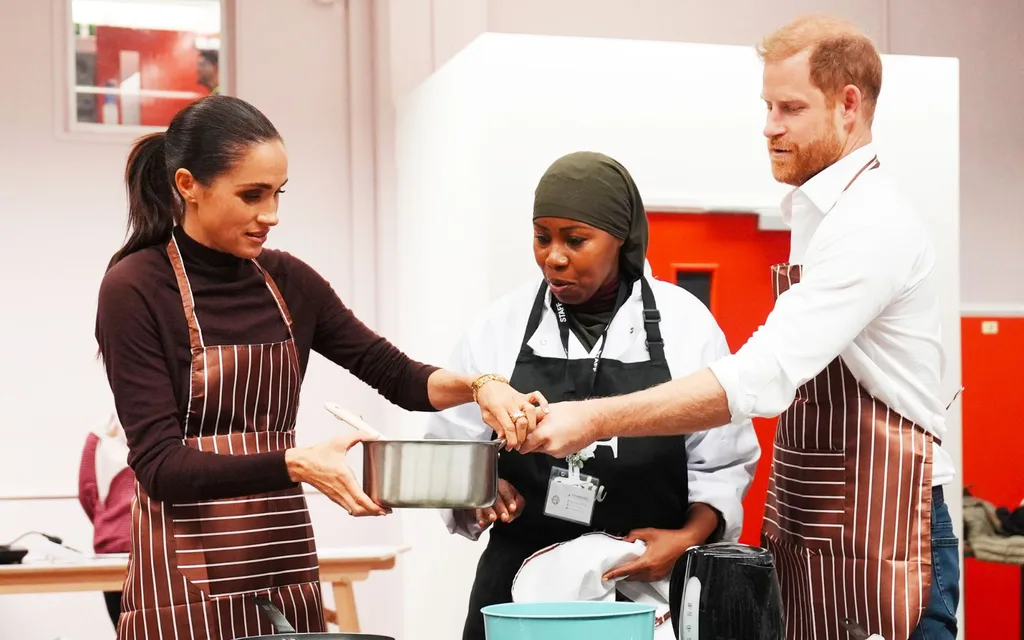
Prince Harry and Meghan, Duchess of Sussex’s visit to Nottingham may have looked like a typical official royal engagement, complete with a walkabout in the street and a media pool to organise coverage. But the Sussexes arranged it themselves – Buckingham Palace did not sanction it.
And it’s put the King, 77, in a difficult position because he’s torn between wanting his problematic second son to flourish doing what he loves, and upholding the agreement his late mother, Queen Elizabeth II, put in place when Harry, 42, and Meghan, 45, walked away from their royal roles in 2020.
Challenging royal terms
Under the terms of the Sandringham Summit, held to decide what the Sussexes could and couldn’t do after their shock departure, the couple cannot be “half-in, half-out” – that is, being working royals while pursuing independent income-generating ventures. However, a friend of the couple says they never agreed to that – it was “foisted on them”.
And now they’ve returned to live in the UK, it seems they are intent on carrying out royal-style engagements like the trip to Nottingham while still making money from endeavours like Meghan’s jam business.
Royal correspondent Kinsey Schofield says it’s put the King in “an increasingly uncomfortable position”.
“King Charles faces a severe problem because Harry and Meghan appear determined to ignore the late Queen’s instructions.”
Kinsey points out that official royal engagements “aren’t just photo ops. There’s diplomacy involved. There’s soft power. Working royals represent the sovereign, strengthen relationships and serve the interests of the country. Harry and Meghan appear more interested in faking the image of royalty than embracing its purpose. They can imitate the engagement, but they can’t replicate the authority or constitutional significance.”

Blurring the lines
After the Sussexes’ surprising return in August, the King sent a letter to government departments and lord lieutenants, who act as his representatives across the country, reiterating that Harry and Meghan are non-working royals. It made it clear that any charitable work they did was a “personal matter” undertaken in their “private capacity”, and they would operate “separately from the royal household”.
Team Sussex said the couple preferred to be seen as “public figures” rather than private citizens.
Royal experts have pointed out that the public may not understand that Harry and Meghan are not representing the King, and that steps may be needed to stop the couple from “blurring the lines” between official and unofficial duties.
“If Harry and Meghan are determined to recreate official-looking arrangements through the back door, Charles may have to remind them why the front door was closed,” says Kinsey. If the King gets tough on him over this, Harry’s complicated relationship with his father may be further strained.
Harry said in an interview published last week that he wants to repair his rift with his father and brother, claiming, “Some people don’t want it to work out.
I want it to work out.”
But royal biographer Christopher Andersen says His Majesty needs to stand firm on why the faux royal engagements are a bad idea.
Choosing sides
Royal biographer Christopher Andersen says the King might have to get tough.
“Anything that looks like an official royal engagement will definitely be interpreted as defying the monarch’s wishes. The Queen’s decree was that members of the royal family are either all in or all out. And the King is determined to fulfil his mother’s wishes.”
Kinsey agrees that Charles needs to say something to Harry and Meghan because they’re unlikely to stop these types of visits on their own, and he risks losing public support.
“King Charles may believe that silence is the most dignified response, but there comes a point when restraint risks being mistaken for weakness. The monarchy doesn’t need to compete with Harry and Meghan for publicity, but it does need to protect the integrity of royal service, and the distinction between working royals and private citizens.”
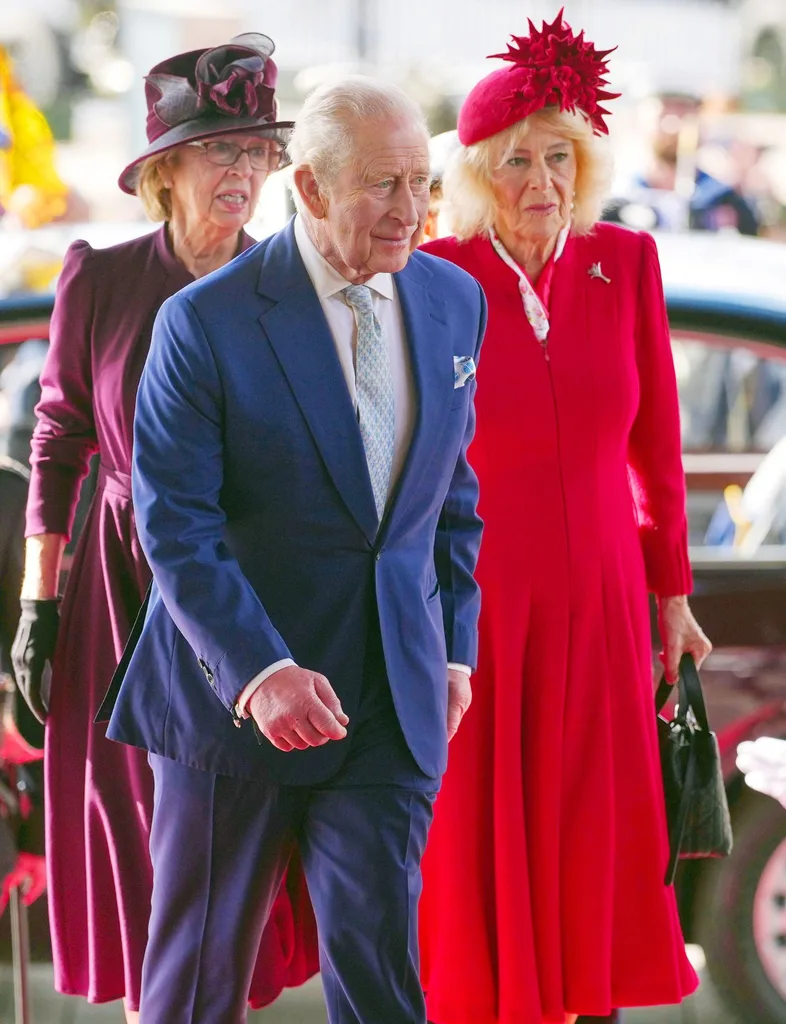
Some palace staff also worry the King and Queen could be overshadowed by the Sussexes. The younger couple’s Nottingham visit attracted a huge amount of media attention, while Charles and Camilla, 79, attending the Welsh Parliament had less coverage.
Competing for coverage
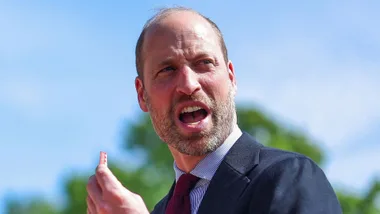
The launch of Catherine’s initiative researching how spending time in nature can affect children’s emotional and social development, supported by William’s Duchy of Cornwall, fell well and truly under the radar, with their visit to Cornwall not publicised until the day after. But that was deliberate, a palace source explains.
“They would have kept their outing under wraps while it was happening to keep attention on King Charles and Queen Camilla being in Wales to open the Parliament.”
Senior British royals are known to coordinate their schedules so they don’t compete for coverage, but Harry and Meghan will upset the apple cart if they start staging their visits without checking the royal calendar.
“The Sussexes getting more attention carrying out what look like official visits is another headache the King doesn’t need,” says the insider. “He must be pleased to have his son and his grandchildren back in the country, and he wants to be as proud of Harry and what he does, as he is of William and the great work he’s doing as Prince of Wales.
“But it is difficult to see how it will all pan out if Harry and Meghan insist on behaving like working royals and stealing the limelight.”