



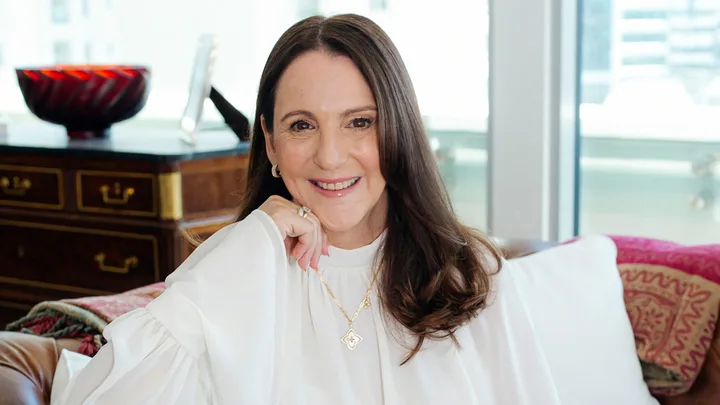
 Amalia Osborne, Lucy Rose Photography, Charlotte Lockhart.
Charlotte Lockhart is known for pioneering the four-day work week movement, coaching companies and governments around the world to be as productive as possible while giving staff more personal time.
So when niggly shoulder pain turned out to be the return of her breast cancer – and this time it was incurable – more than ever, Charlotte decided to make the time she has really count.
“One of the things about a cancer diagnosis is it starts to focus your mind on what’s really important,” shares Charlotte, 58.
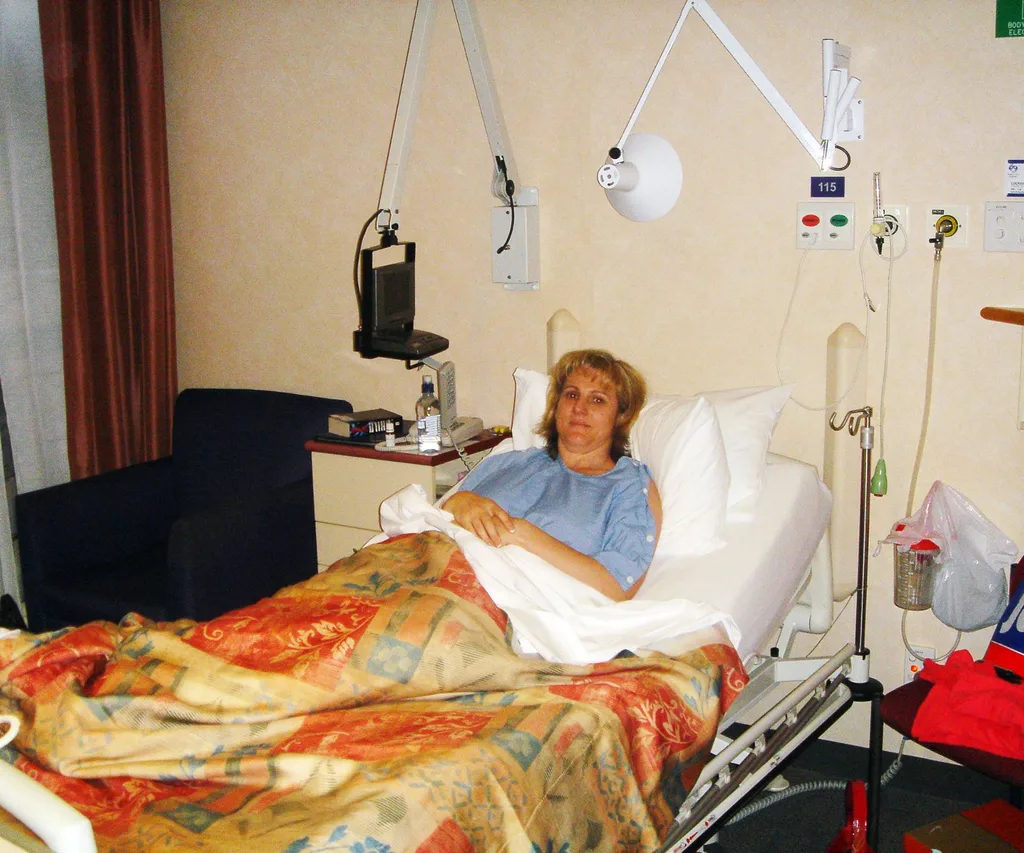
The first time the mother of two faced this realisation was in 2004 when she had surgery, chemotherapy and radiation to treat stage two breast cancer. For 17 years, Charlotte thought cancer was behind her. But in 2021, a scan for persistent shoulder pain that physio couldn’t fix revealed the devastating truth: it was cancer again.
Facing stage four
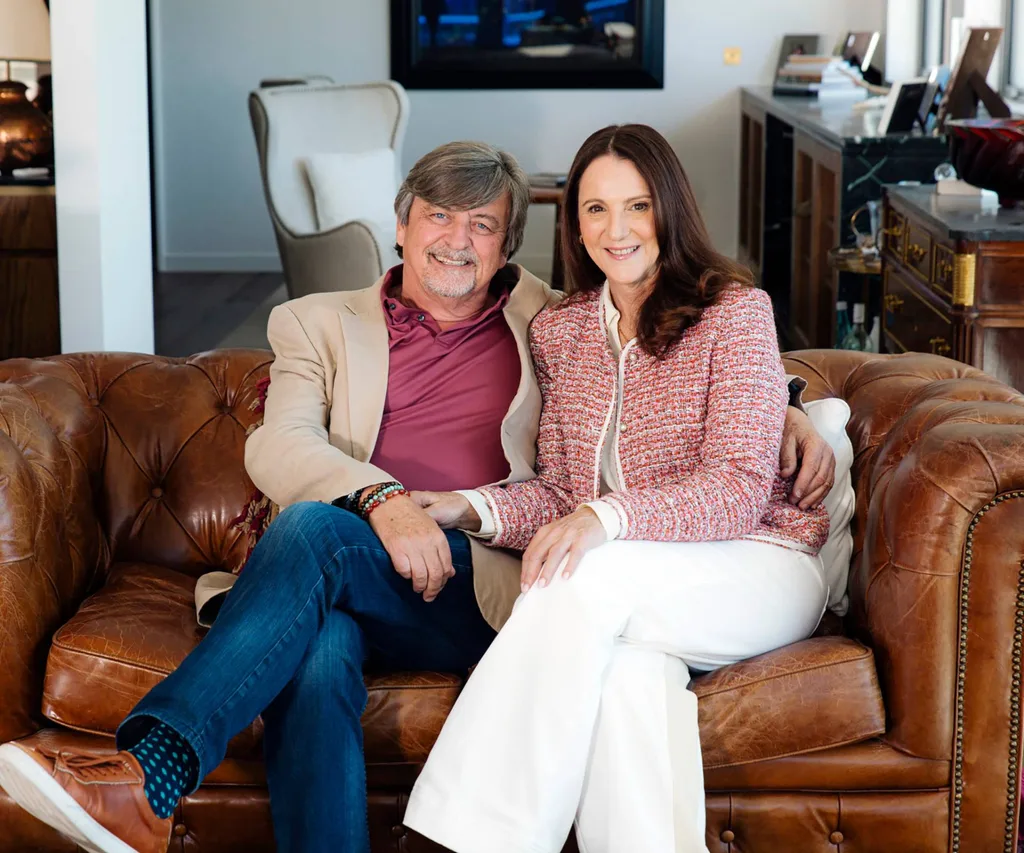
The timing was terrible with Charlotte and partner Andrew Barnes, 65, busier than ever with the launch of their not-for-profit 4 Day Week Global.
Charlotte remembers telling her oncologist, “Give me the treatment, we’ll get this done. She replied, ‘No, this is stage four advanced breast cancer – it’s the incurable stage.’”
Charity Sweet Louise became a lifeline as she processed the news.
“I’d just had this diagnosis and what’s going through your head is, ‘I’m dying.’ They really helped me understand what the journey might likely be and that they had lots of members who were doing well on the drugs. “Having your tribe makes a big difference and that’s one of the best things they do – give you a tribe so you’re not alone.”
A breakthrough with Ibrance
For the past four years, Charlotte has been taking a fully funded drug called Ibrance, with some remarkable results.
“We got to the one-year mark and the scan couldn’t pick up any cancer,” she says.
“It doesn’t mean it’s gone away – it just means it’s not detectable. “I can focus on living a bit more and less on worrying about dying now.”


Life beyond work
For Charlotte, that means family, adventures like the Peking to Paris car race, which she and Andrew have done twice in a 1941 Chevrolet, and meaningful work. Their four-day work week mission started in 2018 when Andrew read an article saying in the UK, people were productive for less than 2.5 hours a day.
Instead of pushing people to work harder, they wondered what would happen if they worked less. So she and Andrew tested it with the estate-planning company Perpetual Guardian, strategising to have staff work a 32-hour week. Researchers from the University of Auckland and AUT tracked the trial, and the results were undeniable – productivity was definitely up.
Global impact
They made it to the pages of the New York Times, and governments and companies came calling. Together, Charlotte and Andrew launched 4 Day Week Global to help employers worldwide reinvent the way we work.
“We do need work – it’s important – but we also need time,” she explains.
Reflecting on her own busy career, Charlotte, who ran a Mike Pero mortgage franchise as a young mum, and is now chair of Givealittle and on the board of Te Papa Museum Foundation, feels that for
a long time, she didn’t get the work-life balance right.
Learning from the past
“I worked far too many hours when my kids were young, but I’m Gen X, where working long, crazy hours meant you’re important,” she admits.
“People often say young ones don’t want to work hard, and I’m like, ‘Good!’ They watched us overvalue work over our health, the planet, our relationships and community, and over them, and they want a better life.”
Time is precious
These days, time is her most valuable currency.
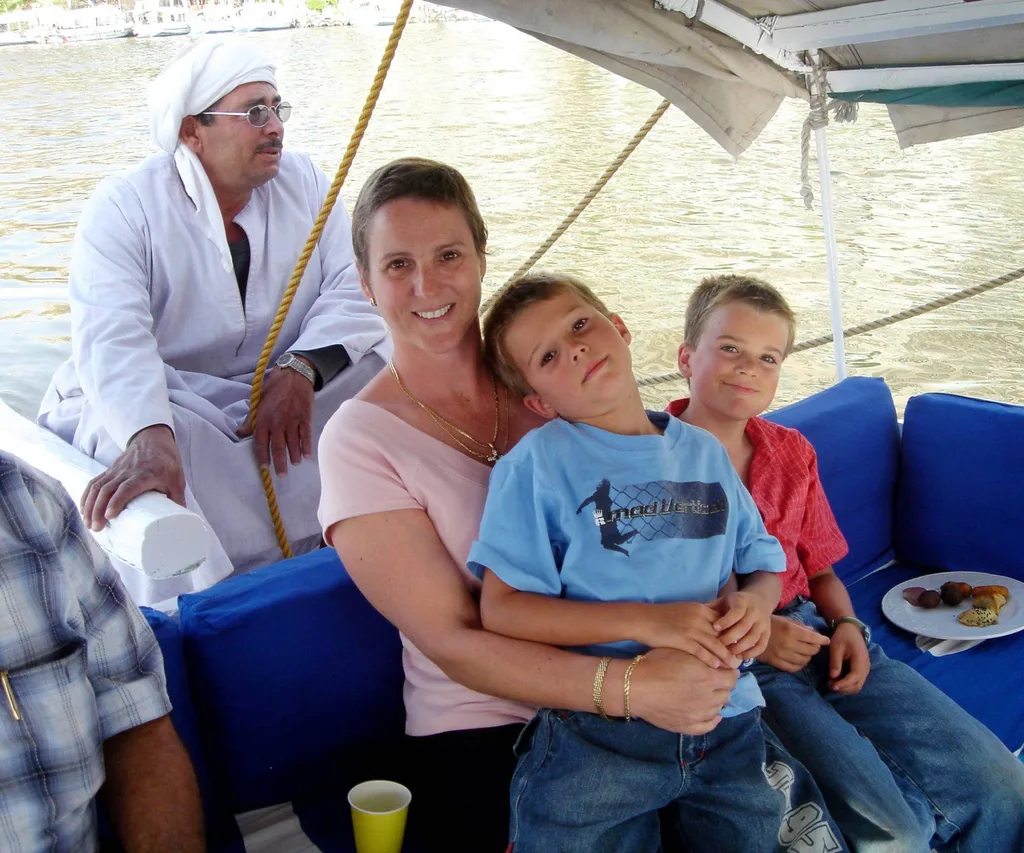
“I turn 60 in 2027, so we’re going to take a family trip with my children and Andrew’s kids and partners to Egypt.”
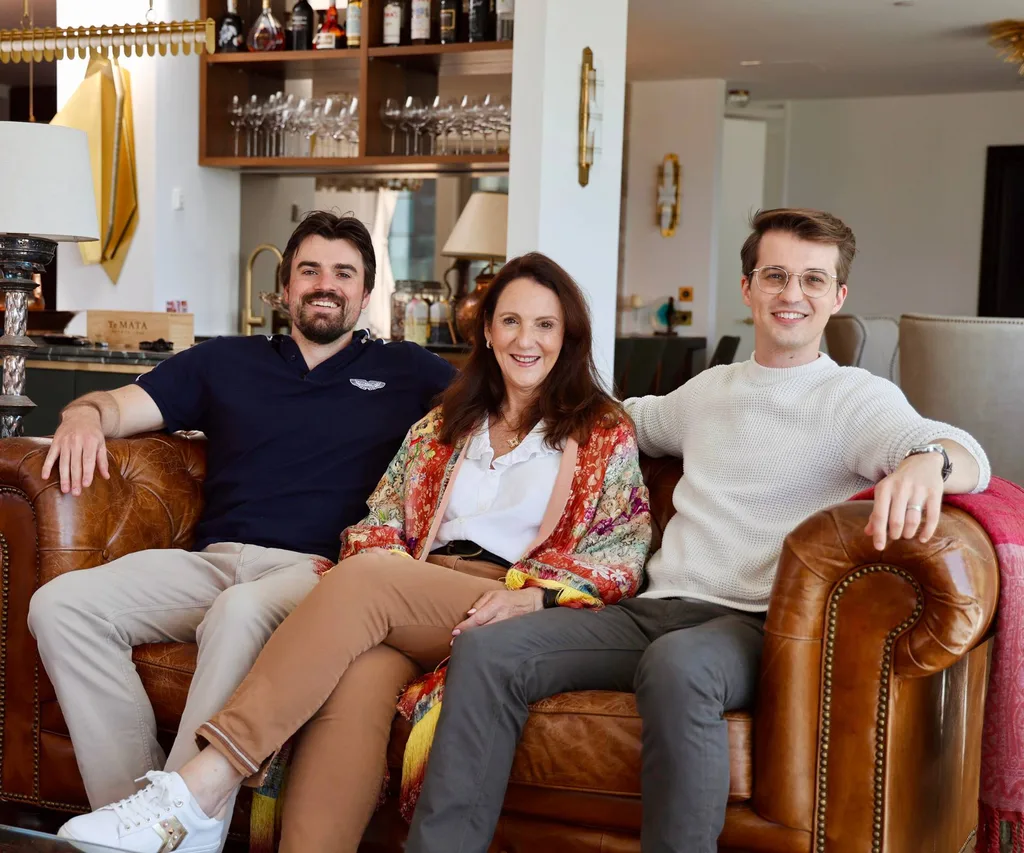
But most of all, she wants to live long enough to be a grandmother.
Hope in science
“We live in exciting times and where science can go from here is just staggering,” muses Charlotte, who has also been supporting Cambridge University’s new cancer institute.
“It’s really hopeful that we’re going to have cures for a lot of what we suffer from now. My goal is to live long enough for the science to catch up with me and what I need.”
Living with purpose
No matter what happens, Charlotte hopes her work and experiences will encourage others to prioritise purpose and joy.
“Nobody goes to the grave or on their deathbed wishing they spent more time at work,” she says.
“Not everyone gets a chance to change the world like we have, but everybody has the chance to change something small – even if it’s just for your neighbour. What is your reach and what can you do?”