




 Charlotte Curd.
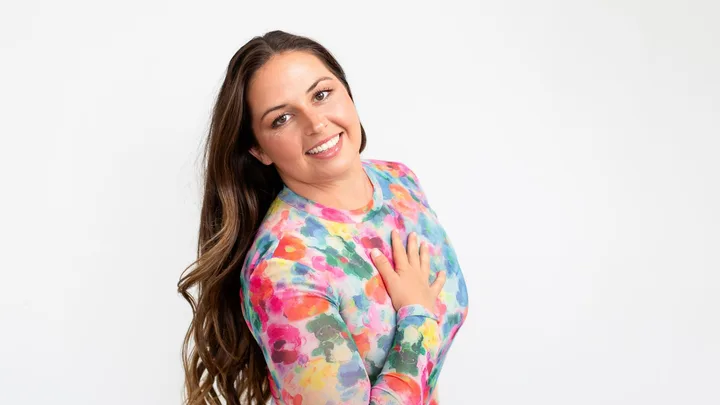
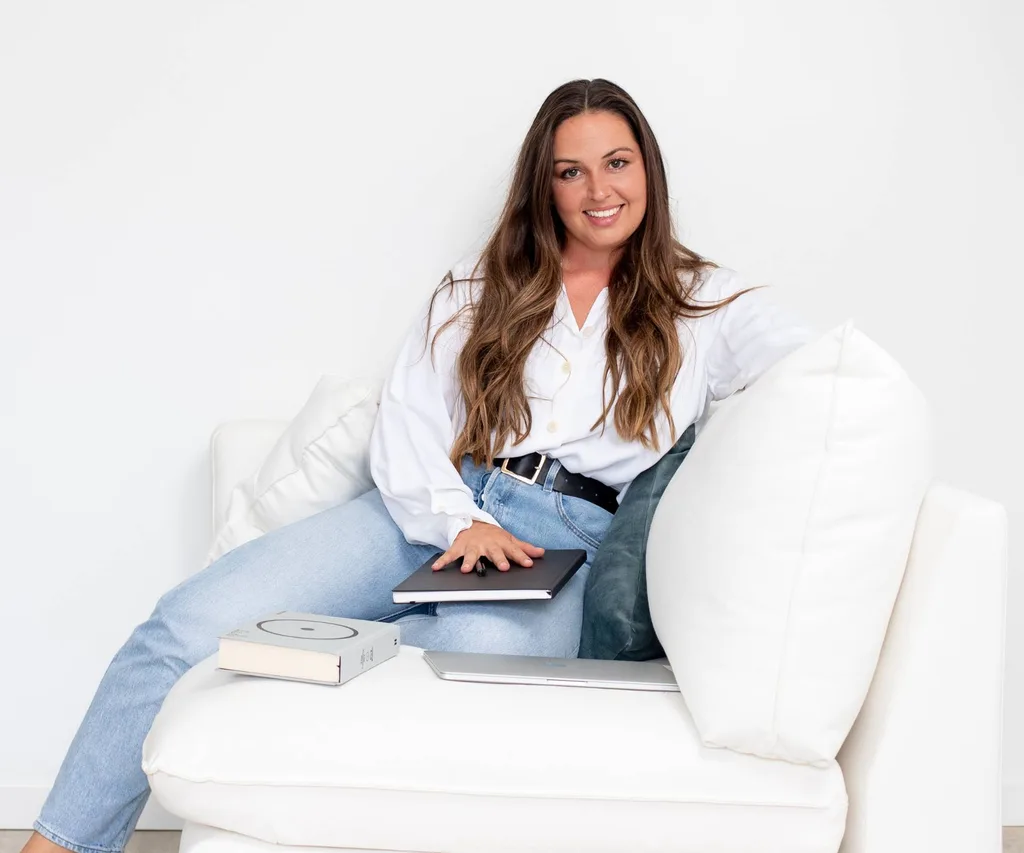
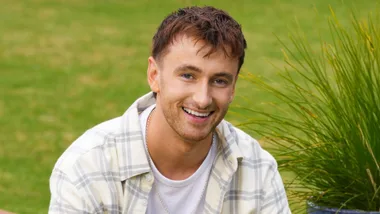
Life coach Brooke Nolly is usually the one helping others, but she’s recently had to follow her own advice after suffering from a third concussion. Brooke collided with a fallen tree across a trail on a rainy-day hike in December last year.
She was walking at speed and it connected with her head at such a force, she was left stunned and in tears.
Brooke’s battle with concussions
“Because I was wearing a cap, I didn’t see it and went headfirst into it,” tells Brooke, 33.
“I had my head in my hands and I started crying. I was like, ‘No, no, I can’t get another concussion!’”
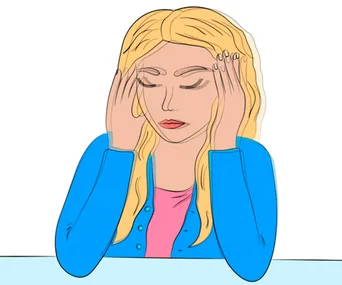
It was her third one in five years, and the compounding effect on her nervous system was quickly evident with the usual culprits of fatigue, irritability and dark thoughts, as well as screen, sound and environmental sensitivity.
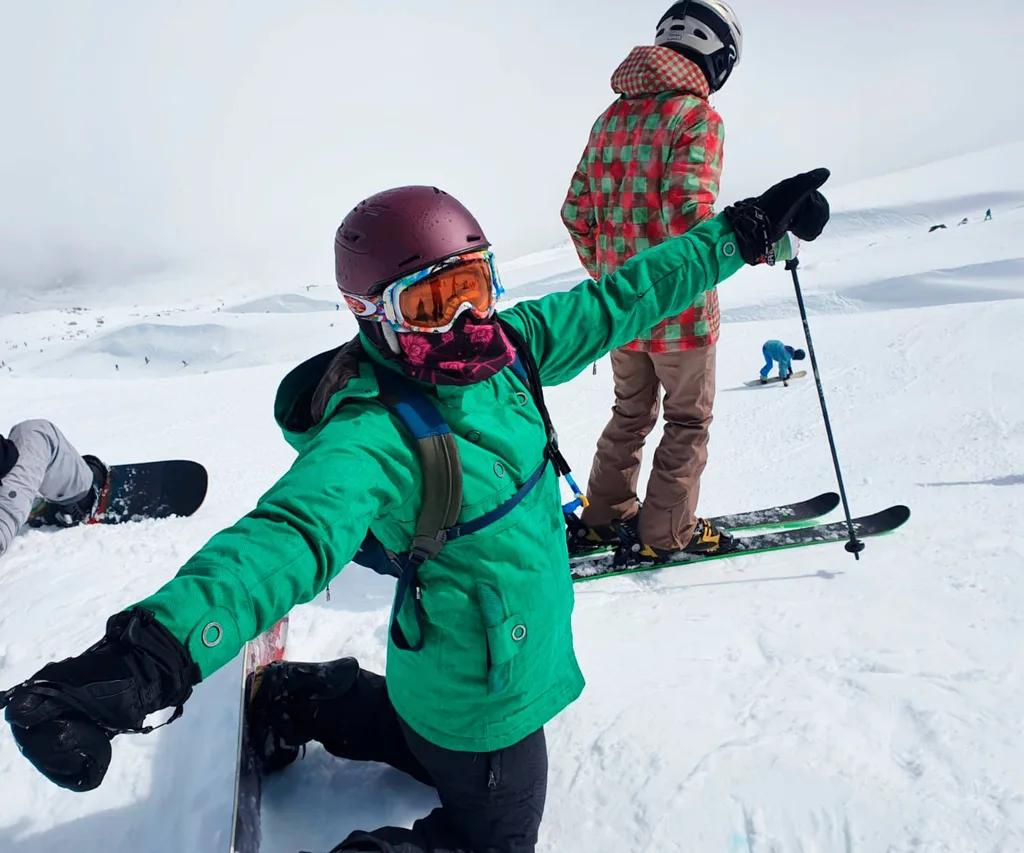
Brooke’s first concussion came after a wakeboarding accident in 2019 – she was hit in the head by a frisbee the same afternoon! Her second was snowboarding at Cardrona in September 2021. Instead of taking it seriously, Brooke muddled through on her own, taking more than a year off client work and living off her savings.
Learning to slow down and heal
“I did the best I could to avoid screens,” explains Brooke.
“But I didn’t have a compassionate enough relationship with myself to really give my recovery the time and space it required.”
However, this time round, it was different. Feeling overwhelmed, Brooke realised she needed to follow the advice of her occupational therapist and specialist physiotherapists.
Tells Brooke, “Every time I see one of them, I’m met with empathy and the same stern theme – you must rest, you must do less. The concussion protocol under ACC has been nothing shy of incredible and I’ve needed these constant reminders because when I feel remotely better, my instincts want to resume at a pace I was used to prior to these head knocks.”
Rebuilding life around recovery
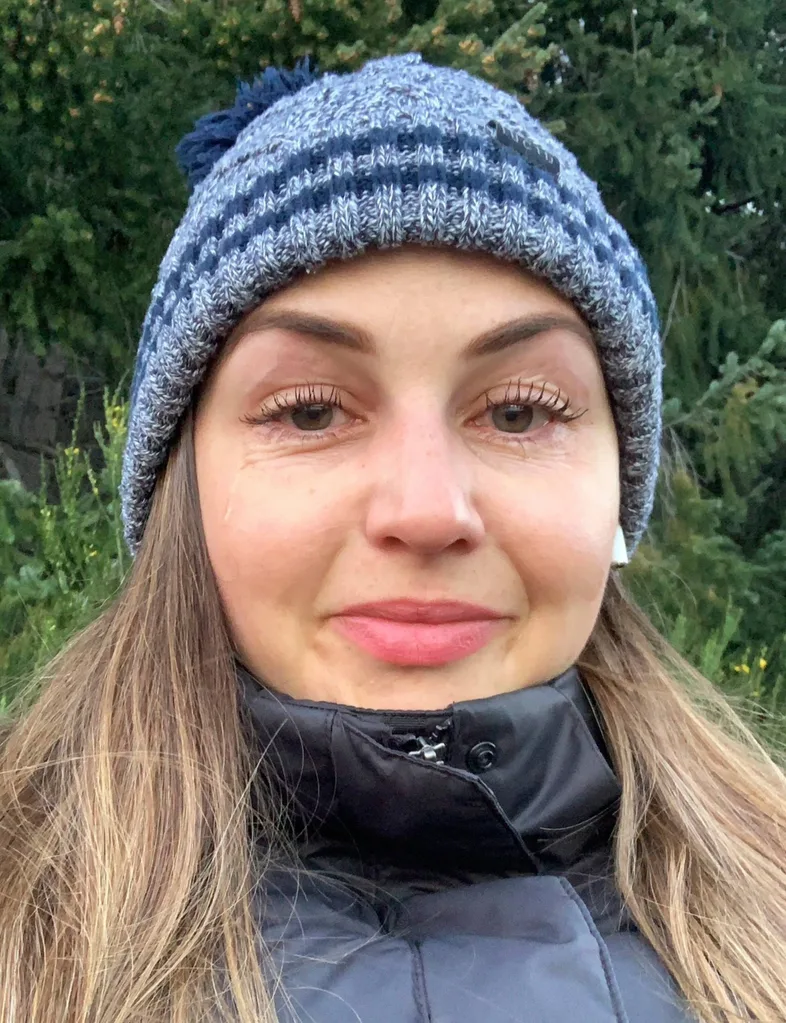
Brooke realised it was time to rejig her life in a sustainable way and also in alignment with what the concussion recovery demanded.
“The more fluff I got off my plate, the more accepting I became,” she shares.
“Through more meditation and being in nature, I began to recalibrate to a new rhythm.”
In a way, it has been serendipitous she’s had to take a dose of her own medicine – a prescription of 70% self-care with sprints of meaningful work, versus either worrying about not working or suffering through too much screen time.
Finding a new rhythm
“What I teach is in alignment with what’s required when you have a concussion,” she says.
“I do embody it for the most part, but we all tend to ramp up and do more than we have capacity for. This has been an impossible-to-ignore reminder to prioritise patience and also self-love.”
It’s been months since her third concussion and while she’s on the mend, Brooke feels it’s important to speak out about self-worth and the mental health challenges that come with a concussion.
“Because people can’t see it, it’s hard to not gaslight yourself,” she muses.
“We have such a get-on-with-it culture in New Zealand. It’s common to receive remarks like, ‘Oh, you’ve still got a concussion?’, or, ‘Are you really still concussed?’ People seem to question the validity of it. I often think, ‘I don’t want to be living like this, I’m one of the most growth-oriented, proactive people I know. This feels like an inconvenience.’”
Accepting symptoms sparks true recovery
When Brooke stopped gaslighting herself and accepted her symptoms, her recovery really began.
“I’ve learnt a lot about the link between my nervous system and the concussion,” she says.
“Anxiety ramps up due to neuroinflammation. The ability to rest and digest is not the same as it used to be. “Before I accepted the road to recovery, I was hyper-vigilant, alert and feeling threatened from basic everyday tasks. I kept thinking, ‘What is wrong with me, why am I not coping like usual? Maybe I can’t handle life any more’, which was simply not true. “My nervous system needed rest. It had suffered a trauma. If I broke my leg, I wouldn’t expect to keep walking, I’d have to change my lifestyle and wait for my leg to do its thing. That’s what’s being asked of me.”
When recovery requires slowing down
This recent concussion has confronted Brooke in more ways than one.
“I realised I had derived much of my self-worth on how valuable or useful I was to everyone else,” she shares.
“I’ve helped so many people without expecting anything in return, but for some reason that rule had never applied to me. “It takes a lot of courage to receive and not feel like you have a debt to pay in return.”
Check out Brooke’s work at brookenolly.com.