




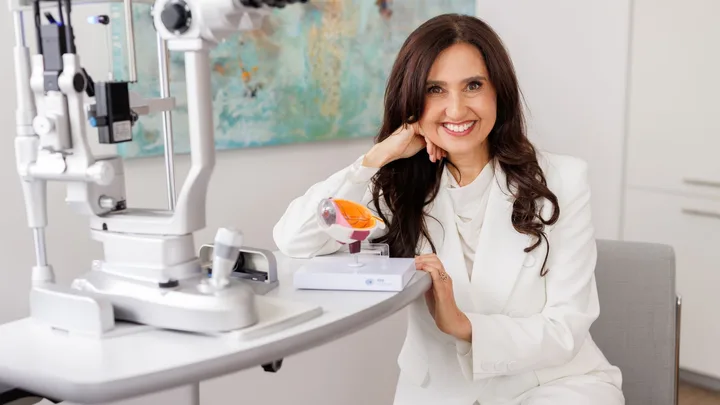
Dame Helen Danesh-Meyer is the only female professor of ophthalmology in New Zealand, a mother of two, the powerhouse behind multiple charities and was recognised in the King’s New Year Honours for her services to eye health.
But none of this, she says, would have been possible without her parents’ sacrifices and support. Helen’s late mother Mahtaban, was one of the first female doctors in their homeland of Iran. Her father, Ali, was a psychiatrist. When Helen and her brother John were just toddlers, the family of four immigrated to the US.
“They wanted to raise us in a country with greater freedoms – my mother especially felt strongly about that for me as a girl,” shares Helen, 58, who later moved to New Zealand with her family as a teen.
“My mother is perhaps the person who has influenced me most. She was formidable, razor-sharp and very principled. She was the top in her class, but her career was shaped by the limits placed on women in her culture and generation.”
A family legacy in medicine
Helen grew up hearing stories of how Mahtaban, who passed away last month, rose above those barriers.
“The extraordinary depth of bullying, discrimination and harassment that was a daily event for the few women in her medical class was very challenging for her. But I learned from my mother to never give up. If one door closes, you can make another door open.”
Those life lessons would prove vital when Helen decided to follow in her parents’ footsteps and study medicine at Otago University.
The accident that changed everything
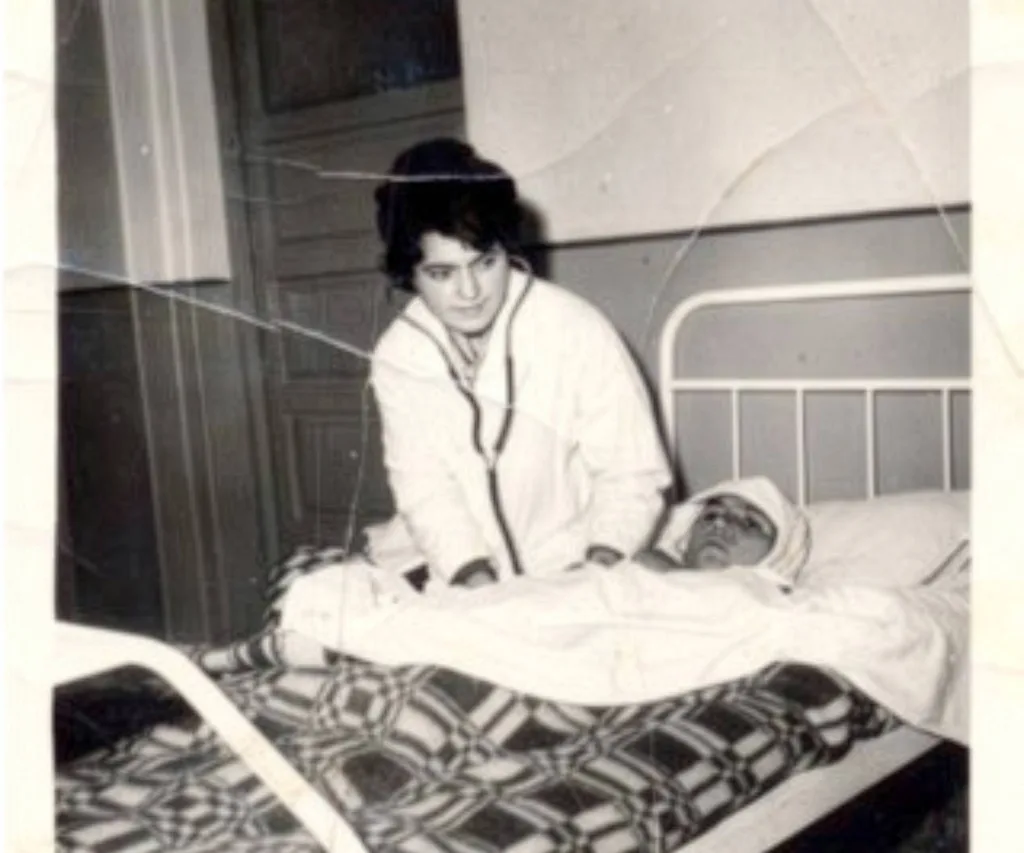
In the second year of her degree, her father was involved in a serious crash while driving from their home in Dunedin to Timaru, where he was setting up a psychiatric unit. He suffered a traumatic brain injury and wasn’t expected to survive, pulling through after three months in a coma.
“That really changed the trajectory of my life,” Helen says.
“It was a devastating injury and he was never able to go back to work because of the severe head trauma. Seeing him go through this was frustrating and heartbreaking. It was hard watching him, but also inspiring because he was so determined. He had to relearn everything – to speak, eat, everything that we take for granted.”
A fascination with the brain
It encouraged Helen to learn more about the brain. She explains what many people don’t realise is that the eye, her area of speciality, is “this tiny accessible bit of brain tissue”.

Just like her parents, she has pushed boundaries. When her eldest daughter Juliette, now 27, was a newborn, Helen was offered a prestigious fellowship at Wills Eye Hospital in the US.
“I was going to turn it down – I couldn’t see how I could work with a newborn,” Helen recalls.
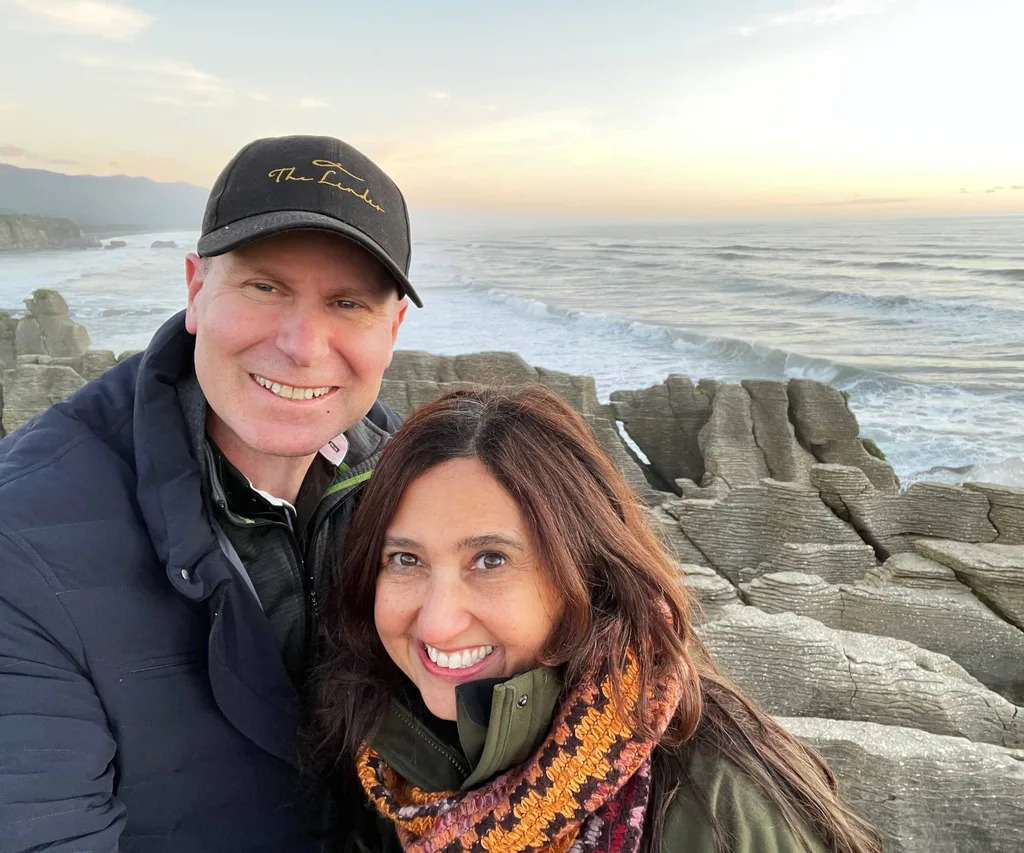
So Mahtaban travelled with Helen and her husband Mike to care for Juliette. It was during another mundane moment of motherhood that one of Helen’s most influential discoveries began.
A discovery born in the library
In the University of Auckland’s Philson Library with her second daughter Emily, now 25, but then just six weeks old, Helen was reading a medical journal aloud to soothe her crying baby when she stumbled across research showing changes to the retinal nerve in deceased patients with Alzheimer’s.
“That gave me an idea,” she says.
“Surely there’s a way for us to see it when they’re alive.”
Changing how disease is detected
Despite initially receiving significant pushback and scepticism from the medical community, Helen’s work has transformed diagnosis and monitoring worldwide. Her research has changed how conditions like pituitary tumours, multiple sclerosis and potentially Alzheimer’s are detected and tracked.
“The eye can whisper long before the brain can shout,” she smiles.
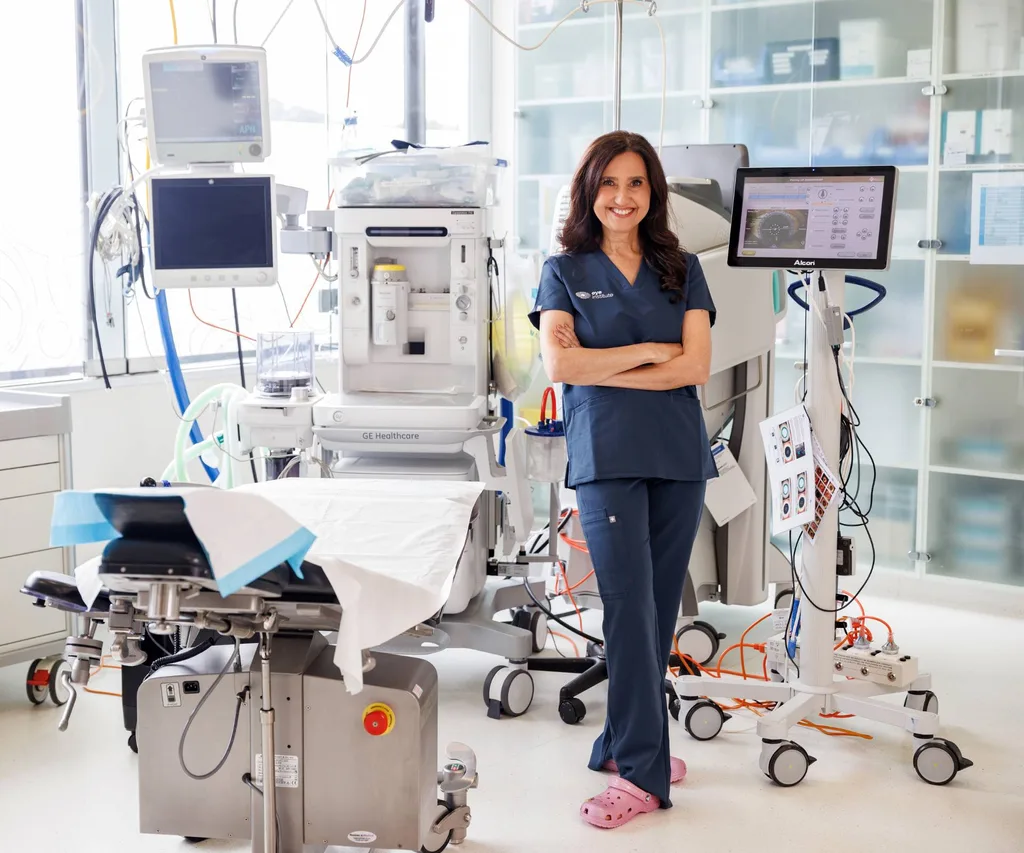
Today, Helen divides her time between surgery and research as a professor at the University of Auckland’s Department of Ophthalmology and Centre for Brain Research. Helen is exceptionally accomplished but humbly insists, “The biggest wins of my career have been the opportunities to mentor incredible young women and men.”
Through organisations including Glaucoma NZ, Women in Vision and the Vision Research Foundation, she works tirelessly to support patients. She has helped found and run these groups, with a focus on removing barriers for women in the industry and prioritising cutting-edge research.

Opening doors for women in medicine
“When I began my career, there were very few women in senior roles in ophthalmology,” she says.
“Yet it was clear to me that talent is abundant. “Supporting the next generation is about removing barriers and making pathways visible, so excellence determines who succeeds. When we do that, we don’t just support women – we strengthen medicine and patient care overall.”
As the only woman in her role right now, Helen’s priorities are clear.
“The hardest part isn’t being the first, but it’s making sure you’re not the last.”



Share this post