




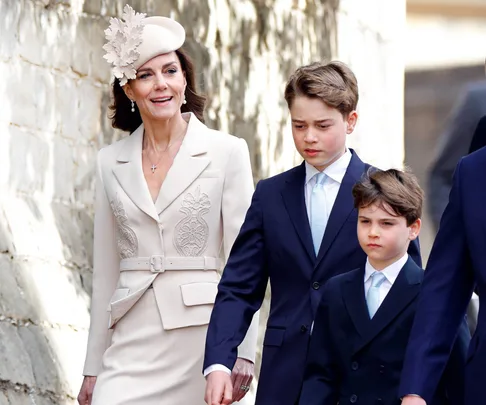
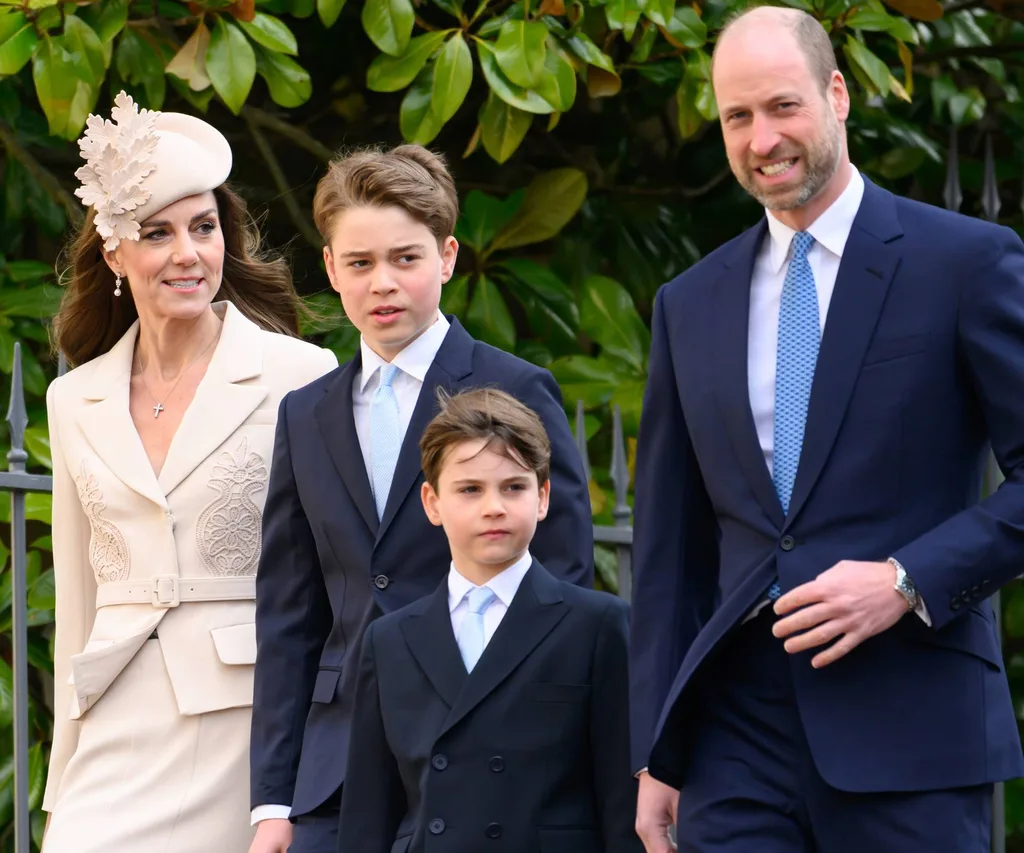
The Princess of Wales has always been open about the fact that her children are more important to her than her royal role. And as a loving mother to Prince George, 12, Princess Charlotte, 10, and Prince Louis, eight, her top priorities are raising them to have a childhood that’s as normal and happy as possible, while also helping them to deal with being in the public eye.
Over the years, she has revealed some of the practices she and Prince William, 43, use to achieve normality in their extraordinary circumstances, such as enjoying lots of private moments together out of the spotlight, doing everyday activities like baking, playing games and spending time outdoors.
Now details have emerged about how Catherine, 44, is preparing them for the public side of their lives by sharing a coping mechanism she learned from her parents – it helped her when she first joined the royal family.
The princess believes being prepared is the key to dealing with whatever life throws at you and as a mum, that’s one of the most important lessons she wants her children to learn, says royal biographer Robert Jobson.
“Preparation is a mantra she has lived by. Her parents, Mike and Carole Middleton, taught her that,” says Robert, author of Catherine, Princess of Wales.
“Preparedness and politeness matter to her – something she has drummed into her own children.”
A royal crash course
Being ready for any eventuality proved invaluable when Catherine married William and was immersed in a whole new world.
“She had to cope with paparazzi and gossip columnists. Then, when she had to face the public, she had to have a coping mechanism.”
.jpg?resize=280%2C210&format=auto)
.jpg?resize=280%2C210&format=auto)

Catherine learned a range of skills, including preparing for the official duties she’d be carrying out by thoroughly researching the organisations she would be visiting and the people she’d be meeting. “Winging it” has never been part of the game plan.
“Over time, she grew in confidence – her public speaking improved. Now she always prepares, always bringing her A game to the table. She has impressed the importance of this upon her children, not in an overbearing way, but steadily when it is needed.”
Passing it on
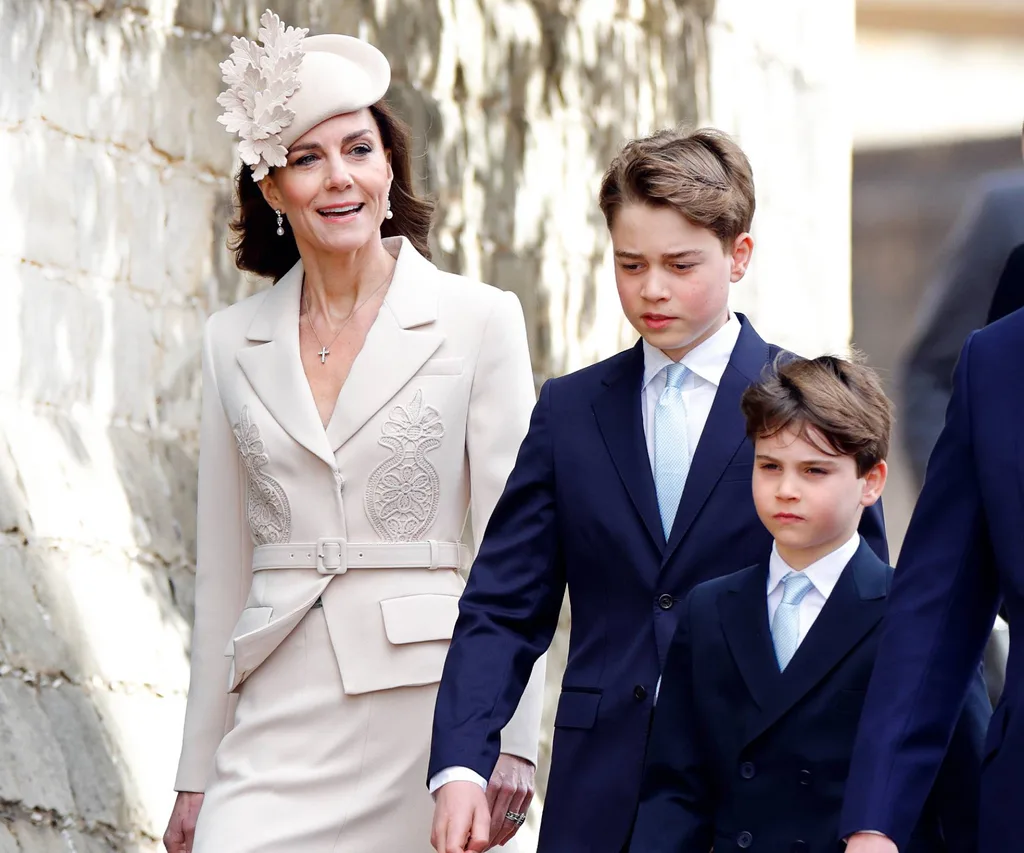
Catherine is strict when it comes to making sure certain practices are followed, not just because they’re essential for royal life, but also because they’re good manners. George, Charlotte and Louis have been taught to greet visitors with firm handshakes and make eye contact.
.jpg?resize=380%2C285&format=auto)

“These are basics, but so important for their future roles,” notes Robert.
“Thank-you notes are another exercise they complete.”
William’s late mother Princess Diana was a stickler for sending thank-you cards and that example of good etiquette has come from her. But many of the couple’s strategies have been passed on from the Middletons.
To Catherine, following in Mum and Dad’s footsteps was obvious, but for William, it was a conscious decision to create the warm, loving atmosphere prevalent in the Middleton home.
“The children’s upbringing has been based on the Middleton model – three children, affluent but hard-working parents and lots of love in the house,” says royal expert Duncan Larcombe.
Showing up matters
Catherine has followed mum Carole’s lead by making sure she attends as many of the children’s events as possible. Her diary is often arranged so she can get to sports days and other school functions. The princess told podcaster Giovanna Fletcher that a big part of her happy childhood was doing
“simple things, like going for a walk together. I try to do this with my children.”
Encouraging George, Charlotte and Louis to try lots of new things is another part of the plan. Catherine has spoken about how she relished broadening her horizons when she went to St Andrews University.
“I loved trying out new things and challenging myself, whether in sports, art or music,” she said.
“It’s one of the things I want for my kids.”
Encouraging curiosity
Catherine is adamant about doing the school run as often as possible. Prioritising that is a wise move, says child psychologist Dr Sasha Hall, pointing out that having everyday routines is valuable for children’s development.
“It’s an important opportunity for connection, where a parent can be fully present and focused on their child without distraction. That kind of undivided attention helps children to feel seen, valued and emotionally secure.”
And it helps the Wales kids feel like they fit in, with their Lambrook schoolmates also being driven by their parents rather than a chauffeur.
“For children whose lives are already far from ordinary, protecting these simple family routines can create a sense of normality and stability, helping them to grow up in as balanced and grounded way as possible.”