




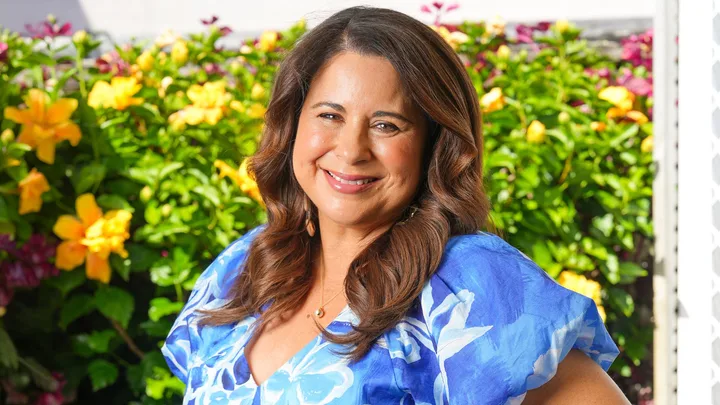
 Photography: Robert Trathen
After three decades of reporting from across the Pacific, veteran journalist Barbara Dreaver is no stranger to confronting fear. She’s been locked up in Fiji, threatened in Papua New Guinea, detained in Nauru, and faced death threats both at home and abroad for her dogged pursuit of the truth.
Yet as the release of her memoir Be Brave approaches, even she admits to a bad case of the jitters.
“I’m quite nervous and emotional about the book,” she tells Woman’s Day.
Accustomed to telling other people’s stories, the TVNZ correspondent now finds herself in unfamiliar territory – sharing the deeply personal moments behind her remarkable 30-year career.
“Talking about myself, well, it’s not what I do, but people have been telling me I must write a book for years and the time feels right,” she says.
“The Pacific is such a beautiful, complicated place, and I want people to get a taste of what it’s like and what the issues are.”
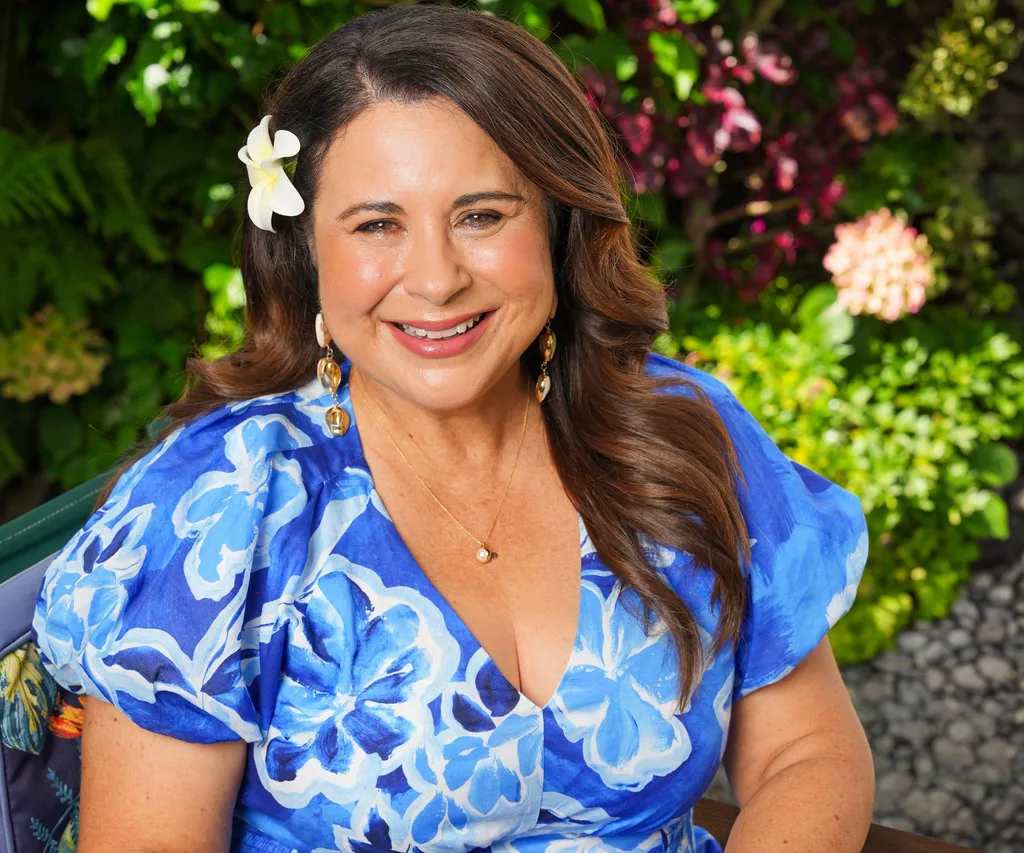
A career of courage
Kiribati-born Barbara has reported on thousands of stories from the islands and Be Brave is a testament to just how much she cares about her role, as well as the people and places she reports on. She hopes that by going behind the scenes of some of her biggest scoops and lifting the lid on her own fascinating background, readers will be able to gain a deeper understanding.
Putting pen to paper has been an 18-month labour of love, with the hardworking mum of one writing late into the night after work, at the weekends and on holidays.
Balancing joy and difficulty in writing
“There were bits I really loved writing and bits I felt were so incredibly difficult,” she admits.
The book is dedicated to Barbara’s beloved younger brother Andrew, who died by suicide at age 34 in 2013. For someone who is intensely private, she found putting the loss into words incredibly challenging. Yet knowing many families have experienced a similar pain, she felt it would be impossible to tell her story without including Andrew.
Facing loss
Barbara shares, “He was such an intelligent, smart, vibrant person and we all loved him so much. My sister and I adored having a baby brother who we spoilt. We were so protective of him.”
Losing a loved one by suicide leaves a trail of guilt and grief, says Barbara.

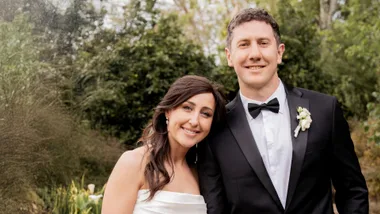
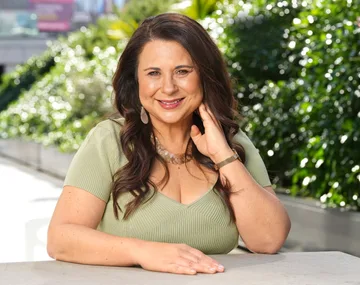
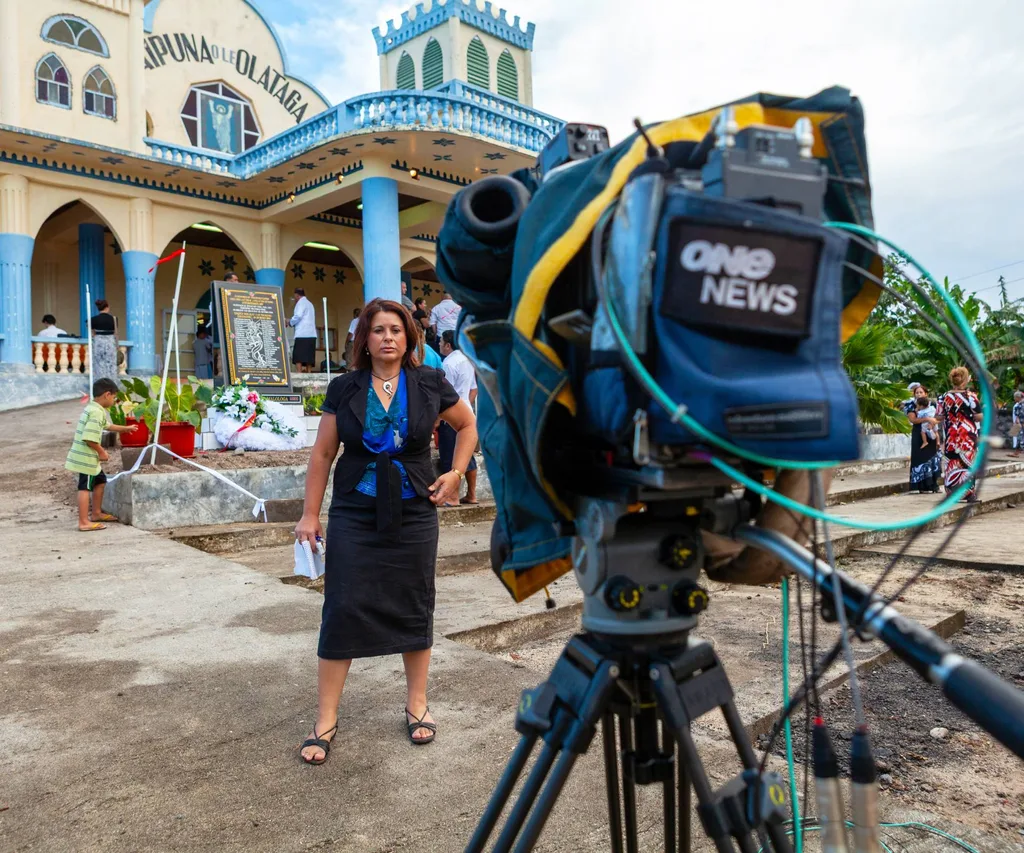
Never forgotten
“It’s very hard to work your way through that. Still, there isn’t a day that goes past that I don’t think about him.”
Growing up in Tarawa – the capital of Kiribati, an island nation of more than 32 atolls in Micronesia – her dad Peter was a Kiwi teacher stationed there with Volunteer Service Abroad. As she tells in her book, when he laid eyes on her I-Kiribati mum Lavinia, he told a friend, “That’s the woman I’m going to marry.”
Childhood memories
Barbara, whose younger sister Rachel was born in Kiribati too, describes her childhood as barefoot, fun and free.
“In some places, you could stand on the beach and throw a stone to the other side of the island because it was so narrow,” she recalls.
“It’s just a magical place to grow up – all that freedom to roam on your bike with your friends, the smell of the frangipani, being surrounded by the ocean and hearing the waves crashing on the reef at night.”
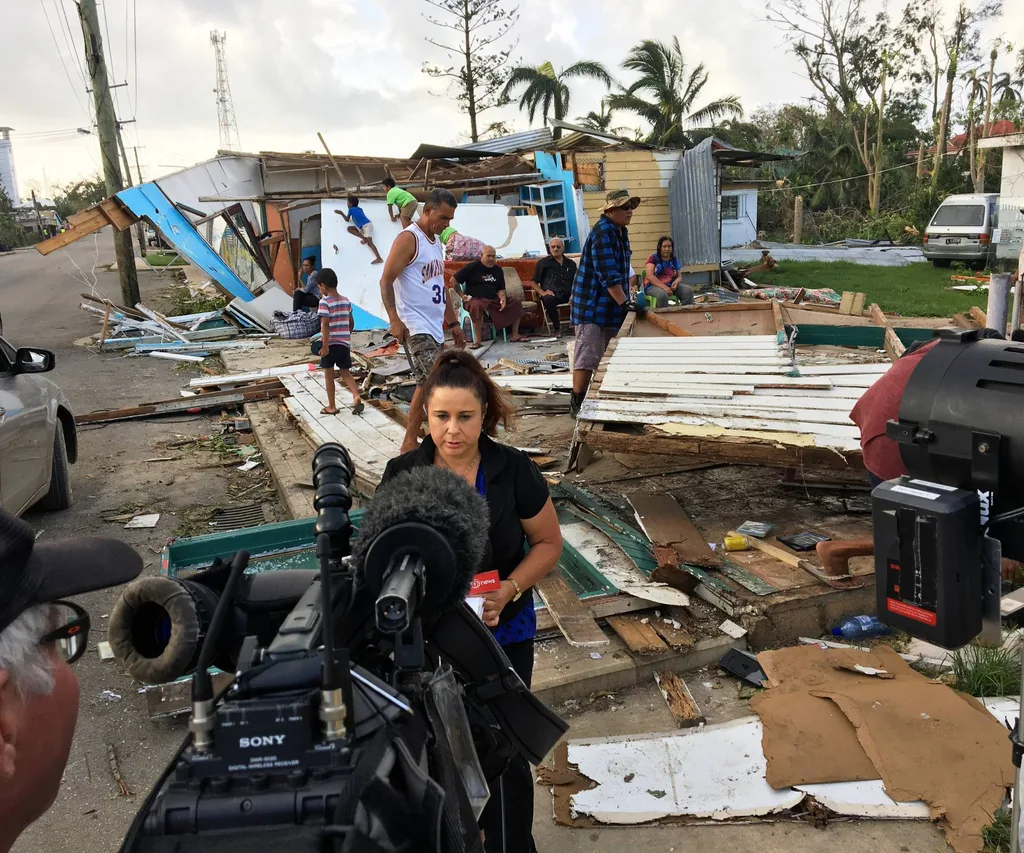
Early life in New Zealand
At 10, Barbara and her family moved to New Zealand, where her brother Andrew was born. After leaving school, she worked as a cleaner to put herself through university, majoring in education. But it wasn’t until she enrolled in a Pacific Island journalism course that everything clicked into place.
“I knew straight away this was what I was meant to do,” she remembers.
Facing racism in the workplace
But if Barbara thought finding a job would be easy, she was mistaken. Be Brave lifts the lid on the racism she faced early on in her career.
“I was basically driven offshore,” she reveals.
“I knew I deserved a job, but I just couldn’t get one and it was made clear to me it was because I was Pasifika. I’d never really experienced overt racism until then, so it was a big shock.”
Reporting in the Pacific
Moving to Rarotonga, she worked as a reporter on the Cook Islands News, later co-owning the Cook Islands Press with fellow Kiwi journalist and then-partner Jason Brown. They were formative years as she learned to balance earning the trust of a small community while breaking important stories, including helping to expose widespread corruption.
In the late ’90s, Barbara returned home with her baby son in tow. Setting about looking for work straightaway, she again faced barriers. In her book, she describes a painful job interview where two editors ridiculed her for even trying.
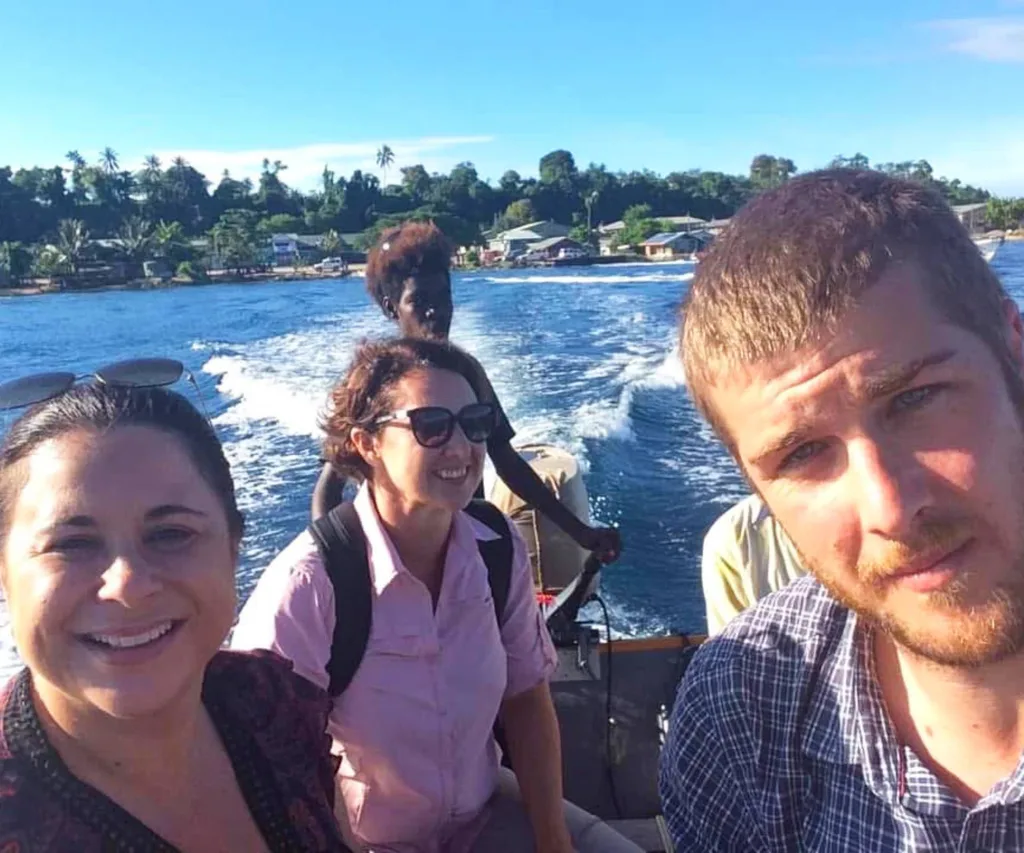
Early career challenges
“It was so awful,” recalls Barbara.
“They sat there and made fun of me. It was a tough, traumatic time.”
However, these setbacks only spurred her on and a year later, she finally had a breakthrough, landing a role as a journalist at RNZ, where she worked for two years, before being hired by TVNZ as a reporter on 1News.
Becoming TVNZ’s Pacific correspondent
In 2003, Barbara became the network’s Pacific correspondent, a role she’s held ever since. She’s reported on power plays, coups, resource grabs, criminal activity and natural disasters. She’s exposed the Pacific’s methamphetamine trade and busted an illegal adoption ring. She’s uncovered Robert F Kennedy Jr’s role in a deadly Samoan measles outbreak, and witnessed China and the US fight for dominance in the region.
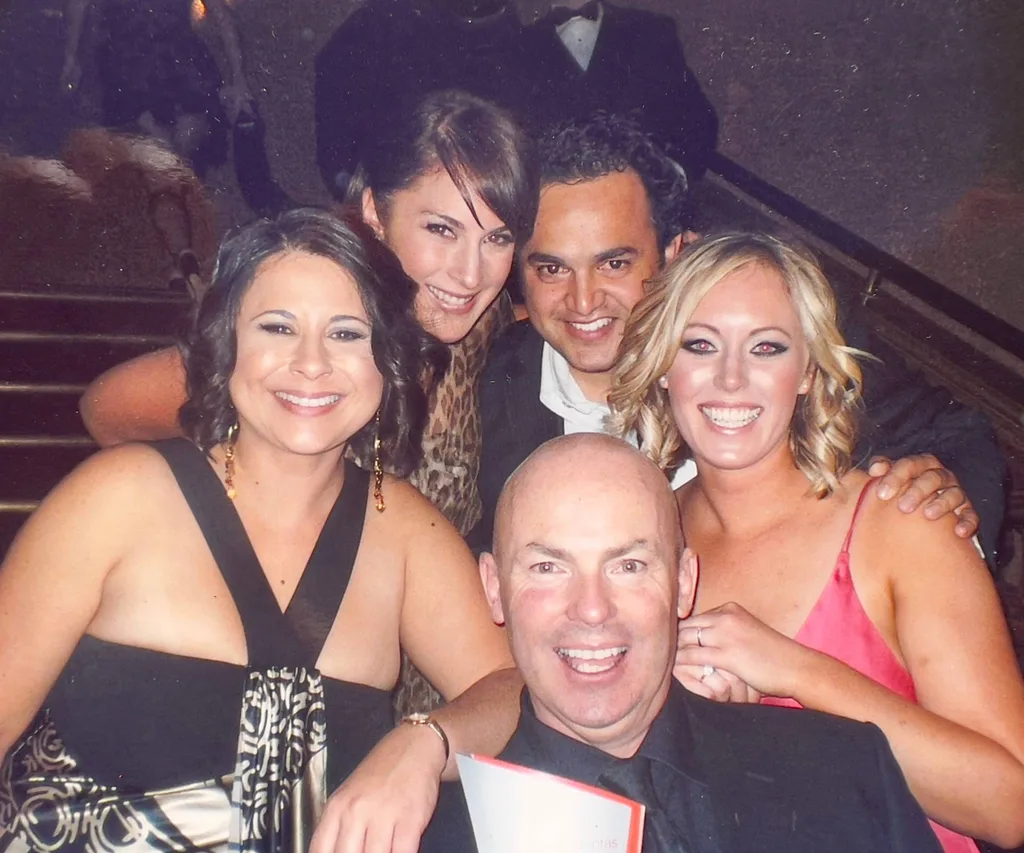
Courage in the field
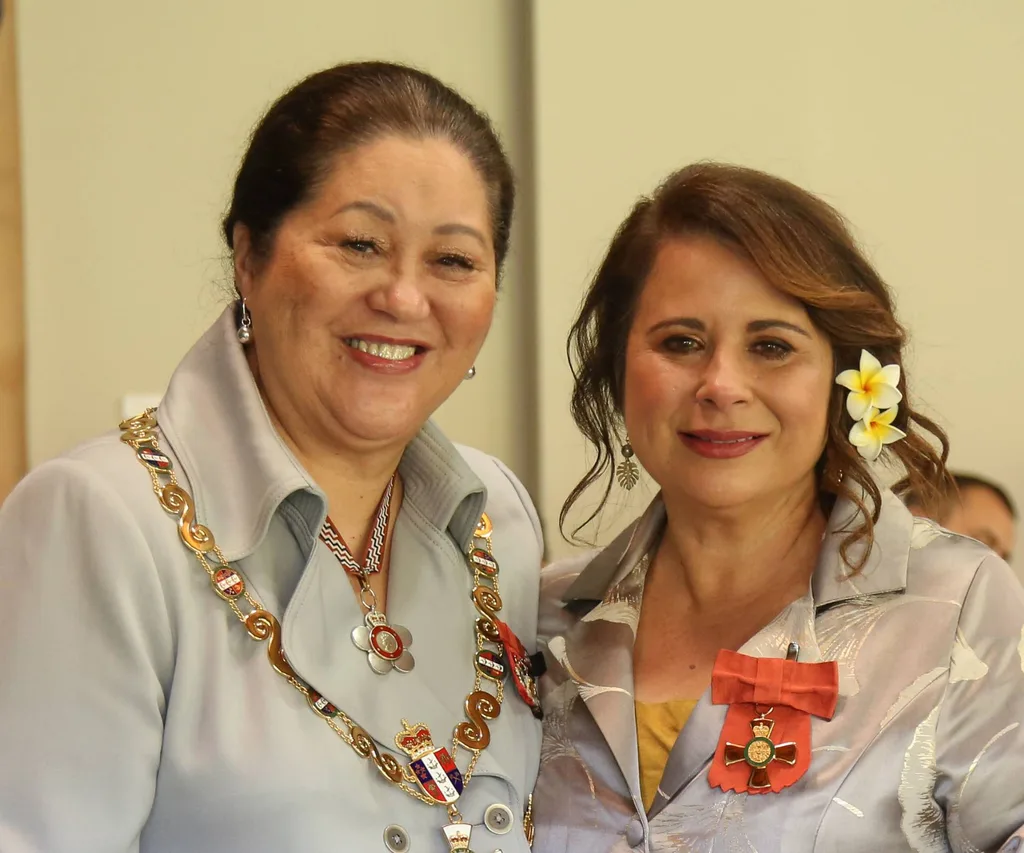
Much of Barbara’s work has been at her own personal risk and her book details many frightening situations. Yet her bravery has won her awards. In November 2022, she was named Reporter of the Year at the Television Awards, and in the 2024 New Year Honours, she was appointed an Officer of the New Zealand Order of Merit for services to investigative journalism and Pacific communities.
It’s an honour she still can’t quite put into words.
“It was the proudest moment of my life,” she says simply.
Barbara has, she believes, got bolder over the years.
The philosophy of bravery
“When you get more and more experience, it becomes important to be brave,” she admits.
“The world is such a messy place, and you see things happening to people who you love and people who you respect. Sometimes you’ve just got to stand up. That’s what I’ve always wanted to do – speak up for people. Because if you don’t, then who’s going to? It’s literally my job to give people a voice.”
With such an intense role, Barbara finds relaxation through a surprising hobby – candle-making!
Creative outlets
“It’s one of my favourite things to do,” she laughs.
“I make beautiful scented candles with shells on top to decorate them, then I give them to people. It’s creative but also really helps me switch off and unwind.”
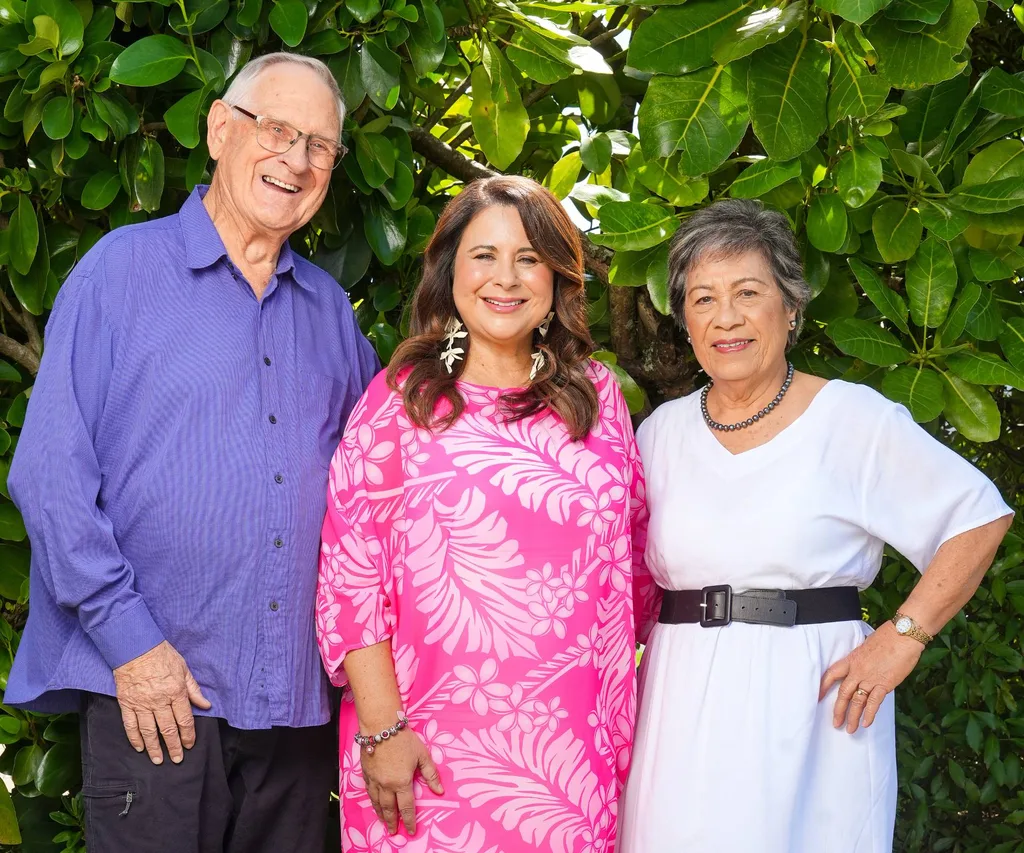
Long walks with friends and spending time with family also brings her joy. Barbara credits her beloved parents for inspiring her from the very start. They’ve been her greatest supporters and continue to play a significant role in her life.
She smiles, “They’re the reason I am who I am today.”
Be Brave: The Life Of A Pacific Correspondent by Barbara Dreaver ($45, Awa Press) is on shelves Thursday.
For the Suicide Crisis Helpline, call 0508 TAUTOKO. In an emergency, always dial 111.