




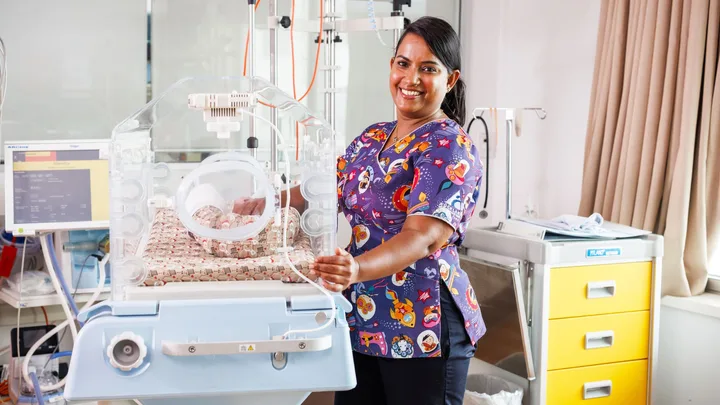
On December 24 at Starship’s neonatal intensive care unit (NICU), decorative sheets are carefully placed on each of the incubators’ tiny mattresses, nurses wear festive scrubs and sparkling headbands, and Santa himself quietly roams the halls delivering gifts.
While most of the country prepares for presents and pavlova, year after year clinical charge nurse Arishma Ram and her devoted NICU team give up celebrating with their own families to make sure New Zealand’s tiniest patients and their parents still have a Christmas to remember.
“I have worked most Christmases and it’s something I really cherish,” says mother of two Arishma, 38.
“It’s very emotional to see families in NICU when it’s their first Christmas together, but it’s also a special environment. “We really try to make it meaningful for them. We decorate the unit with Christmas lights and trees, and everyone is dressed up. I love the little things like the special Christmas sheets and incubator covers.
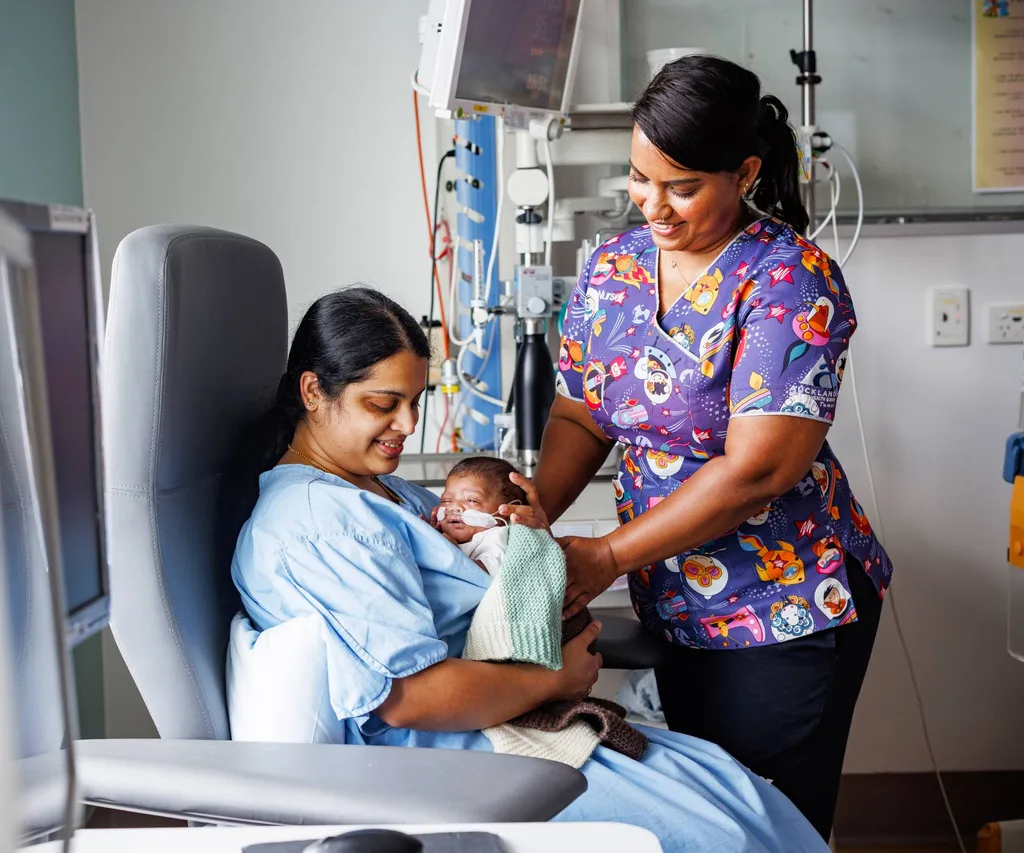
A surprise for NICU families
Another tradition is Santa doing his rounds.
“He comes to every family and baby in NICU, and leaves a little present. Most of the families are not aware of it, so they arrive all surprised to see the Santa presents and tinsel on the bedside.”
This year, she admits, there was one little voice at home with questions – her seven-year-old son Sid.
“He asked me, ‘Why are you working on Christmas?’ I told him I’ll be home at night because he likes me to read a Christmas book at bedtime.”
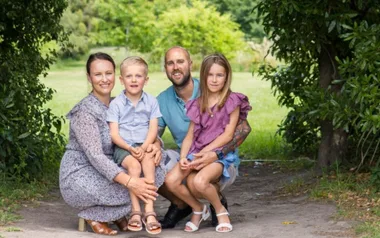
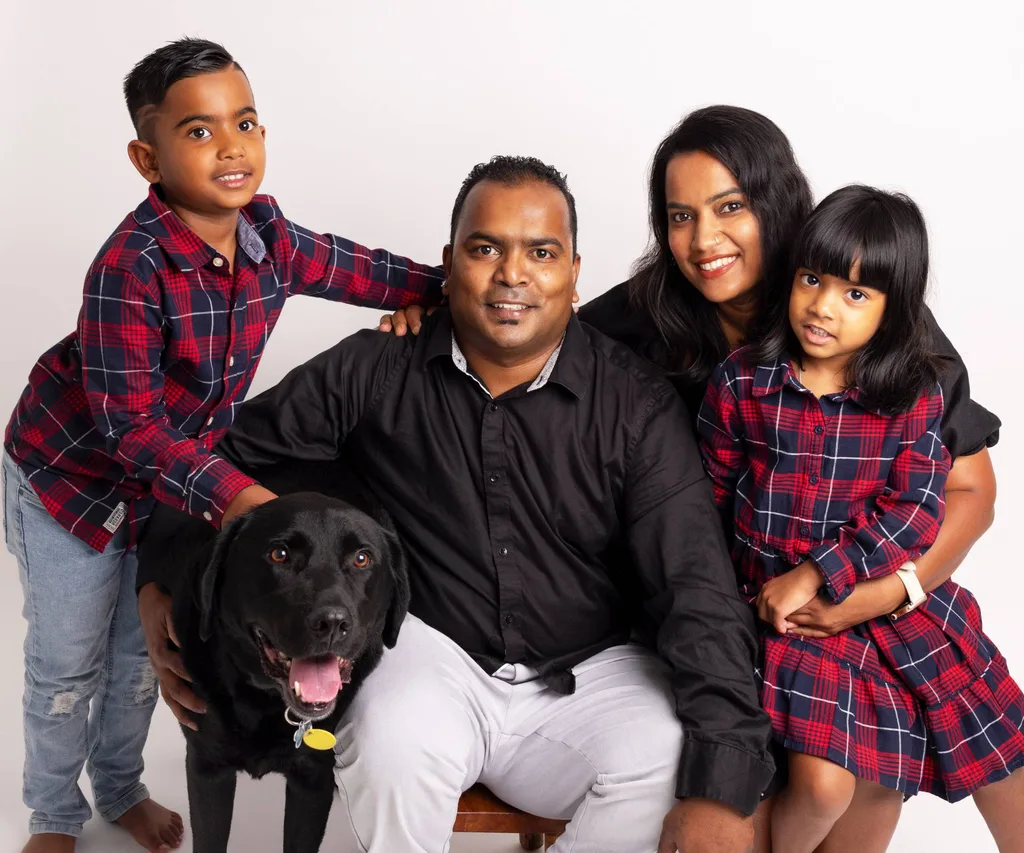
Arishma is grateful for her husband Parnish Gounder, 38, and their large extended family who help make the day special for Sid and her daughter Inaaya, six.
The heart of Christmas
For Arishma, Christmas in NICU is more than decorations – it’s also about hope and gratitude.
“Usually, some of our premature babies that are doing well will come back and visit us,” she tells.
“We all look forward to when they come so much.”


Witnessing the babies she’s nurtured thriving is what makes it all worth it.
“The thing I love most is seeing that tiny little baby grow and go home to their families – it’s the most rewarding part,” shares Arishma.
The hardest part of the job
She also acknowledges the not-so-fortunate parents.
“The hardest part is still the loss when, despite all our efforts, someone passes away. It’s heartbreaking when they’re not able to take their baby home.”
Born and raised in Fiji, even as a child Arishma wanted to be a nurse.
“Growing up in the rural areas of Sigatoka, there was a little village nursing station and as far as I remember, I always had a natural pull towards nursing.”
From Fiji to Starship
After working in Fiji’s Lautoka Hospital in the adult ICU, Arishma migrated to New Zealand with her husband in 2010 and joined the NICU team in 2012.
“Having ICU experience, I thought I’d give it a go,” she recalls.
“Now 13 years later, I’m still here and it’s a part of who I am. It’s such a privilege to care for these tiny, vulnerable babies.”
But she admits that adjusting to the role of working with such small patients was a process.
“Coming here and seeing a 23- or 24-weeker [premature baby] for the first time in an incubator fighting for their life was quite an experience. “At one point, I was like, ‘I am too scared to do this,’ but the amazing team in NICU, the charge nurse and the nurse educator were so supportive, telling me just what I needed to hear.”
Inside Starships NICU
Starship’s NICU cares for around 900 babies from Auckland and the upper North Island each year. It also provides specialist care for babies from around the country, and occasionally abroad, who are born with complex conditions or who need surgery.
For four years, Arishma also worked as a retrieval flight nurse aboard the Starship National Air Ambulance, caring for critically ill babies being transported to Auckland.
On one memorable occasion, she even helped transport a premature baby needing surgery from American Samoa, who she says likely wouldn’t have survived otherwise.
“That was a 12-hour shift in the air,” she says.
“It was quite an experience and a lot of learning to see how lucky we are to be in New Zealand. We’re so privileged with all of our resources.”
The heart of the role
Being on the frontline as a nurse, she says, is about far more than medicine.
“No two days are the same and that’s what I love about it,” enthuses Arishma.
“It’s medical care but also emotional support, and empowering the families to care for and be an advocate for their babies. “It’s blowing our own trumpet a bit, but not a lot of people are able to do this. NICU nurses and doctors are quite special.”
To support critically ill and injured children and babies in Starship, visit starshipchristmas.org.nz