




One wintry July day in 1925, a group of farmers’ wives gathered for high tea in the elegant tearoom at Kirkcaldie & Stains department store in Wellington. They weren’t just there to pass the time. Their husbands were attending a Farmers’ Union Conference in the capital.
Over sandwiches and pastries, the wives reflected on a hard-hitting speech delivered at the conference the day before. It highlighted just how harsh rural life could be for many women. Isolation, health challenges and no support. Many women were struggling, and this group, having faced hardships themselves, were determined to take action and make change happen.
Sixteen of them founded what was then called the Women’s Division of the Farmers’ Union. A century on, the organisation is now known as Rural Women New Zealand (RWNZ). It is still doing the same work: empowering women and representing the needs and interests of rural communities.
Early days
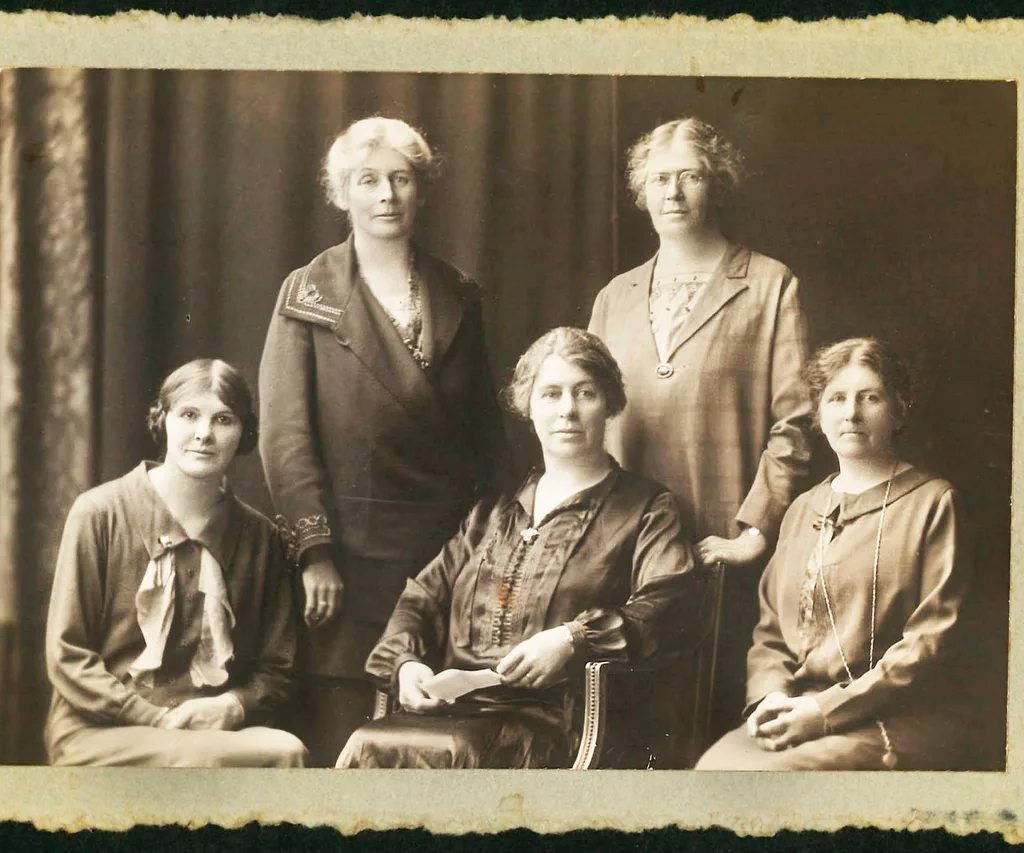
The pioneering women who founded RWNZ were a varied bunch, united by a common goal – giving rural women a voice and a helping hand. The first president was Florence Polson from the small country community of Fordell, near Whanganui. Originally from Melbourne, she attended a finishing school in Paris. She then travelled throughout Europe before moving to New Zealand. Her relocation came after marrying a Kiwi sheep farmer.
Concerned that the needs of rural women were being overlooked, Florence began writing columns for farming newspapers in the early 1920s. She did so under a series of pseudonyms. She highlighted the women’s lack of financial independence and pointed out that wives were often taken for granted. Her own life was marked by tragedy. Her home burned down, and her 15-year-old son died in a shooting accident. Despite this, her passion for improving the lives of rural women made her the ideal president.
Taking on the role of secretary was Mabel Jackson of Wairarapa, who also lived on a sheep farm. She hand-wrote more than 2000 letters inviting rural women across Aotearoa to become involved and thanks to her, hundreds did.
Voices from the back blocks
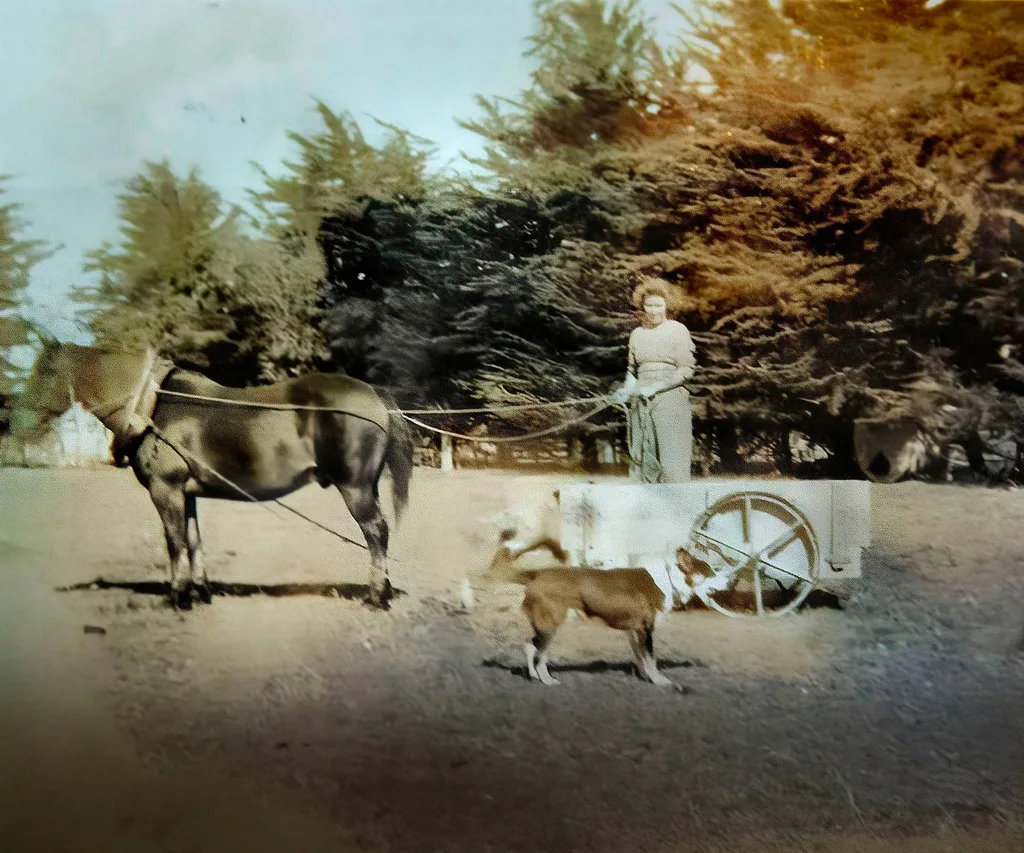
Local branches were established and a year later, 100 women turned up for the inaugural annual conference in Wellington. The women heard about some harrowing experiences of women in remote communities.
A book published in 1950 to mark the 25th anniversary of the organisation noted, “What really touched their hearts were the stories of back-block women, of their loneliness, of illness and of lack of help except what their husbands could give.”
Pat Macaulay, KSM, who’s been a member of RWNZ for 53 years and is researching the founding members’ ancestry, says, “They were trying to make change for others, but their own lives must have been hard too. “Some grew up on farms, but others married into farming families, so had no prior experience of rural life. They really were isolated. The man of the household would have been out farming, while women took care of the children, house, and cooking for shearers and farm workers – and without other adult female companionship.”
Women helping women
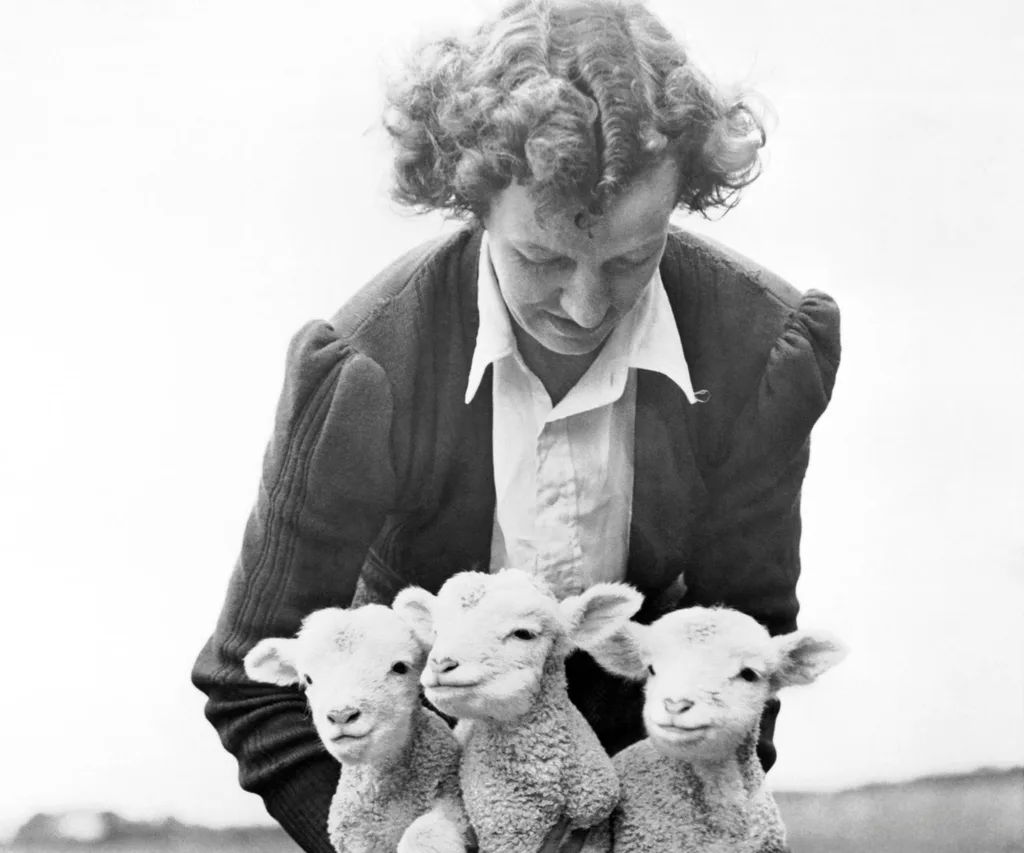
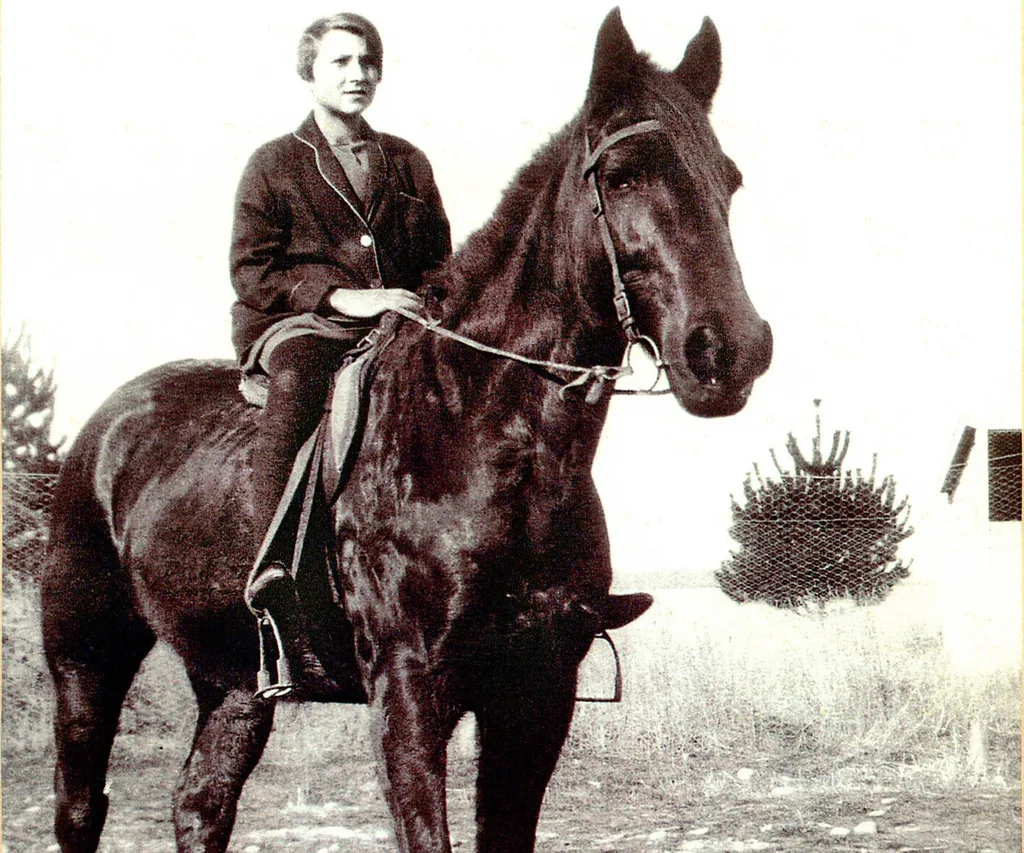
In 1927, the then WDFU established a bush nursing programme. It employed nurses with surgical and midwifery qualifications to provide care in remote areas. They would ride on horseback to reach isolated properties.
“We can imagine what comfort that would have been,” says Jeanette McIntyre, former RWNZ president.
“For a mother living remotely in those days, not being able to get sick children to a doctor, to have somebody come to help would have been such a relief.”
They also set up an emergency housekeeping scheme, with branches employing reliable and capable women to stay with families in need. They helped in times of illness, after the birth of a baby or to simply enable the woman of the house to have a break.
A document written about the housekeepers describes them as “women who can take charge of a home of six or eight children, or even 12 children, wash, cook and even milk a few cows at a pinch. These women are worthy of our admiration.”
Savvy businesswomen
Back in the 1920s, Florence devised the Women’s Exchange to help rural women earn their own money by selling produce to townsfolk. Today, RWNZ has a Dragons’ Den-style business development initiative, the Activator Programme, which has helped people like Te Aroha dairy farmer Kate Torrens to grow their businesses.
Mum of three Kate had been making a sensitive, skin-friendly, natural laundry powder called The Innocent Ant on her farm and distributing it by mail and through a few outlets. Participating in the Activator Programme gave her the confidence to expand by buying complementary firm Haven & Co, which sells eco-friendly kitchenware. She lists her enterprises on RWNZ’s Country Women’s Collective – an online directory celebrating rural women’s businesses.
RWNZ also runs an annual business awards programme. The latest supreme award winner was Cath Ward, who offers a three-day, catered walking experience at her Pahi sheep-and-beef farm.
Boosted by the RWNZ programmes, two Activator alumni were featured in Cuisine’s Top 50 Women in Food and Drink 2025. Pip Cameron, a high-country station cook and creator of website What’s for Smoko, shares recipes, and Katrina Wolff, founder of Blue Borage, is a compost consultant and coach known as a “soil whisperer”.
Did you know?
During World War II, members wanted to do more than knit garments to send to soldiers, and within one month they raised $5000 to buy a Spitfire for the war effort.
The fight for rights
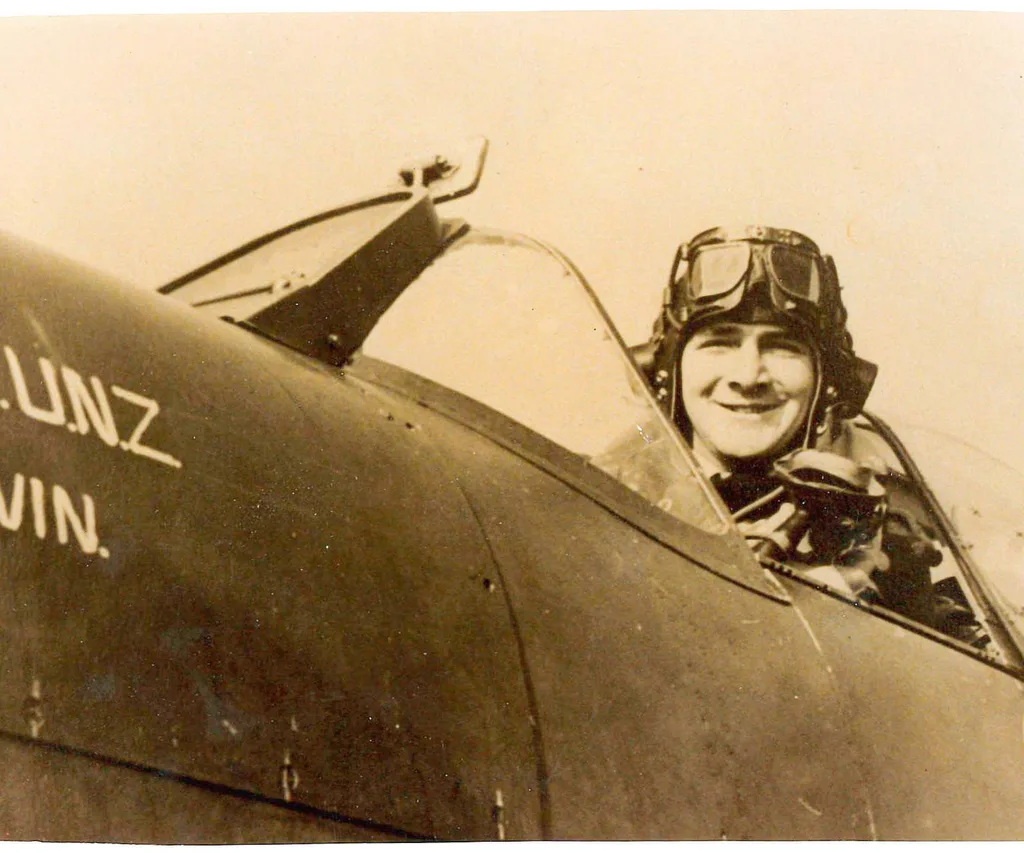
RWNZ is a trusted voice on rural issues – and members aren’t afraid to fight for what they consider fair. In 1986, many travelled to Wellington to protest against government reforms. Measures such as the removal of agricultural subsidies caused great hardship for many farmers.
Thousands of Kiwis marched from Courtenay Place to Parliament. Among those leading the march was Dame Margaret Millard, a Manawatū dairy farmer.
“It was a peaceful protest,” recalls Margaret, a former president of the organisation who after the protests was involved in initiatives to help rural families adapt to the changes.
“There were people who’d never protested before, including myself, but the feeling was so strong that the changes were unfair.”
Other campaign issues for RWNZ have included HRT funding, road safety, equal pay, rural health, education, policing and domestic violence.
Did you know?
In 1999, the Women’s Division of Federated Farmers became Rural Women New Zealand. There are now 135 branches and groups nationwide.
Role of RWNZ today
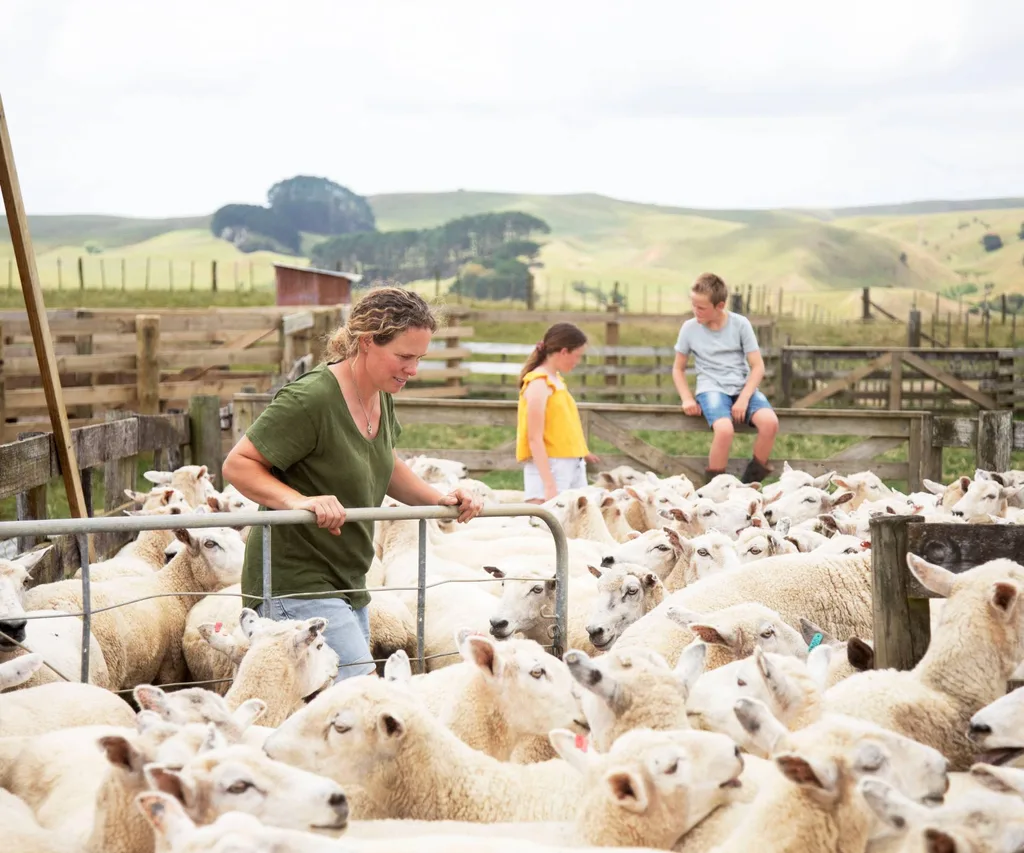
Many branches meet for networking and friendship, while others are focused on education, training days and workshops. You don’t need to be a farmer to join RWNZ – you just need to be rural at heart!
Fundraising is still a big focus. Traditional activities like baking and knitting remain popular, but other money-making initiatives include a four-wheel drive training day and fashion shows. A biennial biking and walking event, called the Triple F Challenge (Fun, Fitness, Friendship), has raised tens of thousands of dollars for charities since 2007. The event combines physical activity with community fundraising, encouraging participants to stay active while supporting good causes.
RWNZ grants and bursaries are available for rural people expanding their horizons by upskilling. Medical student Katey Milne, who’s specialising in rural medicine, recently received a financial boost through one of these. Living rurally in Kerikeri, the money will support Katey with costs, such as travelling to placements and doing an extracurricular course invaluable for rural practice.
In the 12 months leading up to July 2025, RWNZ contributed over $186,000 in community donations and support to charities. The organisation also provided more than $158,000 in scholarships, bursaries, community grants, and adverse events grants. Additionally, members contributed over 6,000 volunteer hours.
In recognition of RWNZ’s work, funding of $250,000 was announced in last year’s Budget. Associate agriculture minister Nicola Grigg says agriculture is the backbone of the New Zealand economy. She adds that rural women are its beating heart.”
A family affair
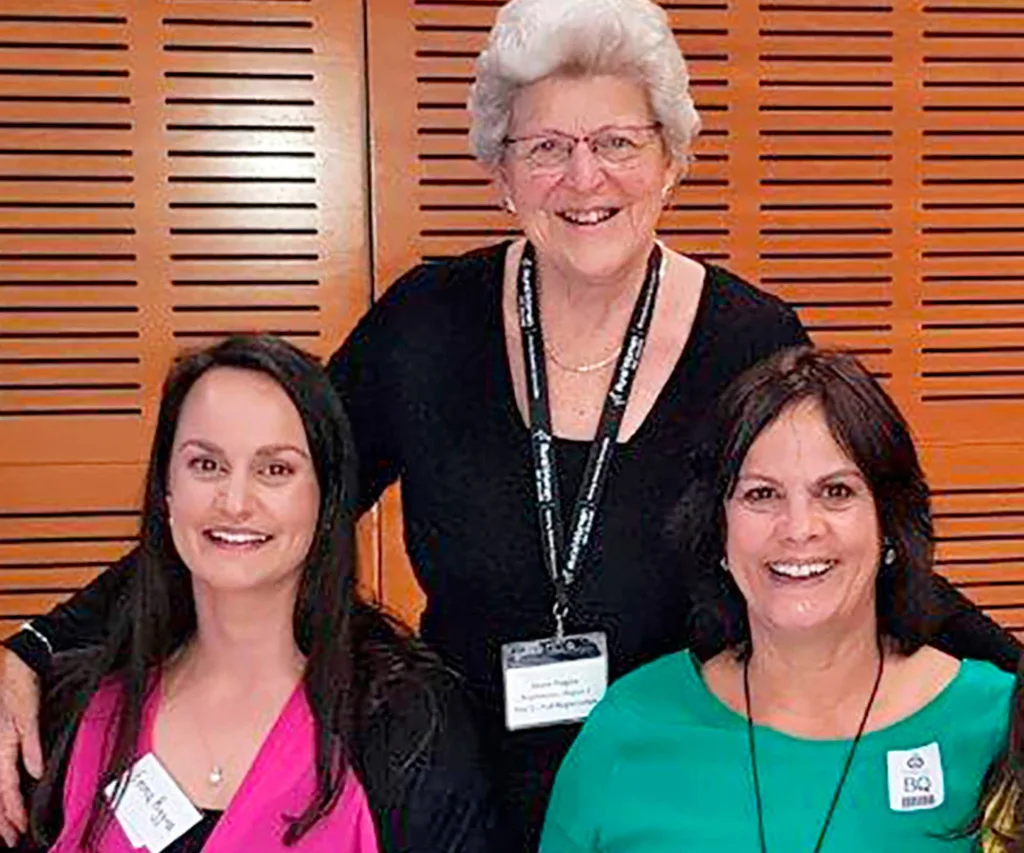
Involvement with RWNZ has been a big part of the lives of three generations of the Higgins family. Diane Higgins, 85, joined in the ’90s, inspired by her mother’s membership.
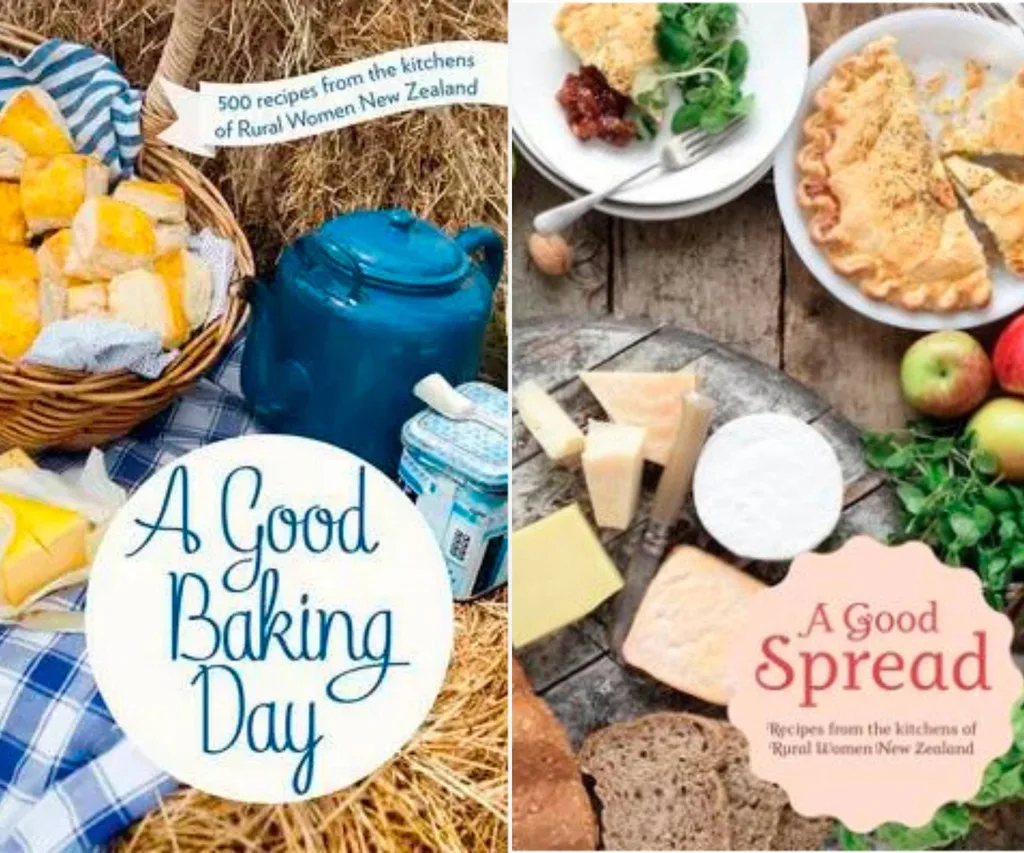
A former regional committee member, Diane’s loved helping her local community and has made lifelong friends. She has contributed recipes to the hugely popular cookbooks for which RWNZ is renowned. The first was published in 1965 and was reprinted many times. The most recent books are A Good Spread, A Good Harvest, and A Good Baking Day.
“Rural women are very good bakers!” says Diane.
Diane’s daughter-in-law Sue Higgins, now in her sixties, joined in 2007 and has taken advantage of more modern initiatives, like the RWNZ leadership development programme. Former board member Sue says meeting with industry leaders and government ministers “reinforced that our voices matter in the way government makes decisions relating to rural issues”.
Diane’s granddaughter Emma Higgins, 37, juggles being on the board with motherhood and working for a bank. She has a keen interest in younger members’ wants and needs, and says being involved with RWNZ has given her skills. She co-presents the podcast Black Heels and Tractor Wheels, which shines a light on outstanding rural women.



Share this post