





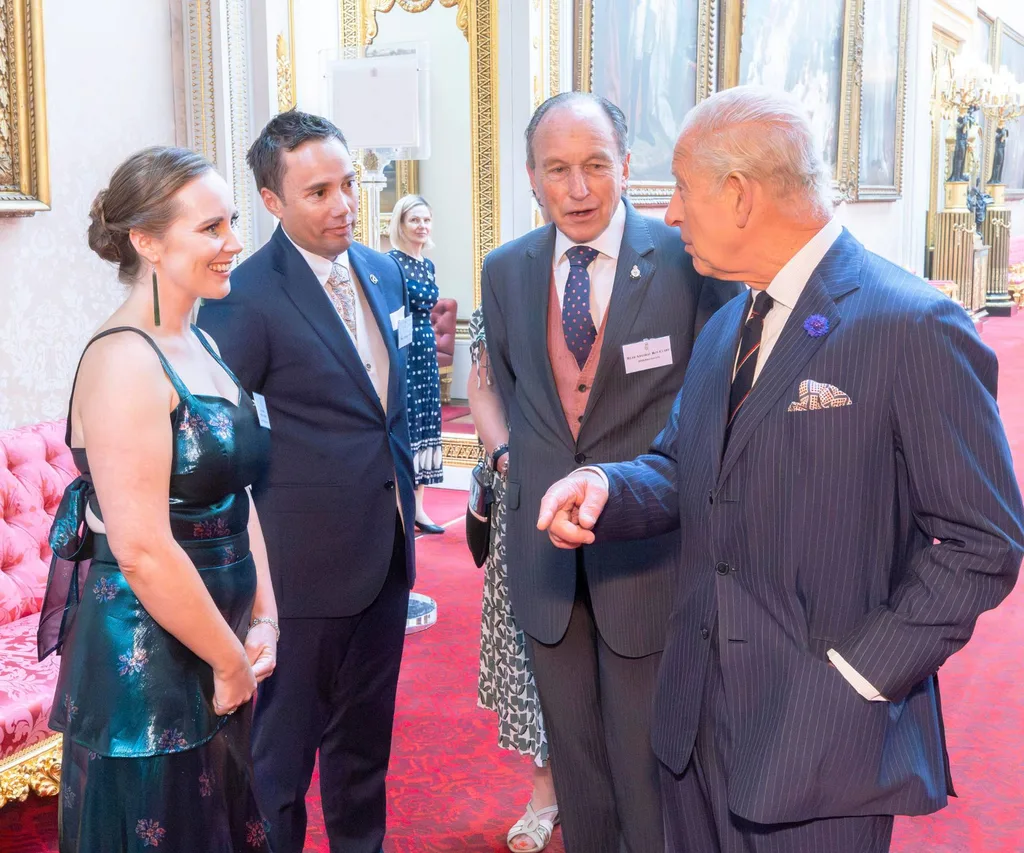
Singing Pokarekare Ana in the magnificent halls of Buckingham Palace as King Charles approached, Rebecca Nelson paused to take it all in.
Walking the halls of history
“It was so beautiful and grand being in Buckingham Palace, but it was the history of who has walked through these halls that was really wow,” smiles Rebecca, 37.
“I absolutely adored our Queen and to know this is where she lived most of her life, and thinking of Prince Harry and William as kids running through the halls, was just incredible.”
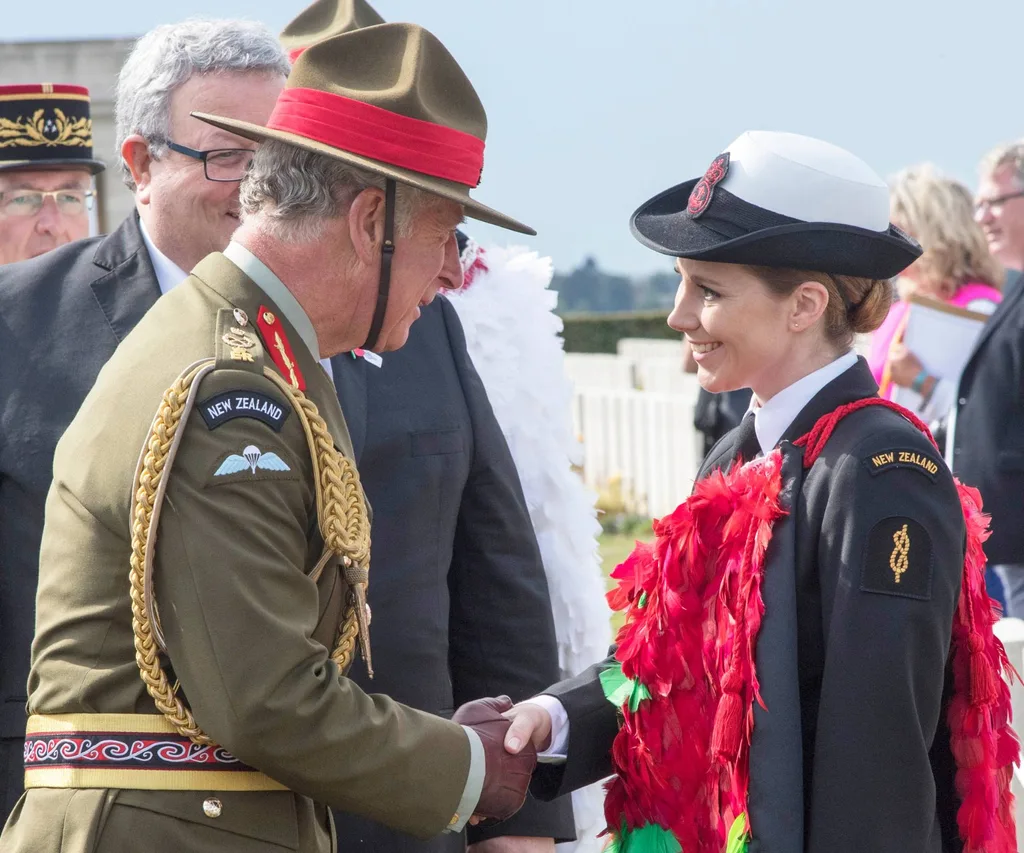
Though it was her fifth time singing for the King, this performance in June. A reunion of His Majesty’s shipmates who had served alongside him in the Royal Navy, felt especially moving.
“I was singing them in, welcoming them to the Grand Ballroom,” she recalls.
“It was 350 sailors and their partners or their widows, and it was so special.”
Honouring service with a song
With perfect timing, Charles arrived as Rebecca reached the instrumental of the beloved Māori waiata and could stop to speak with him.
“He was thrilled I was back and thanked me for all my hard work and dedication,” she shares.
“He’s aware of the charity and the work we provide.”
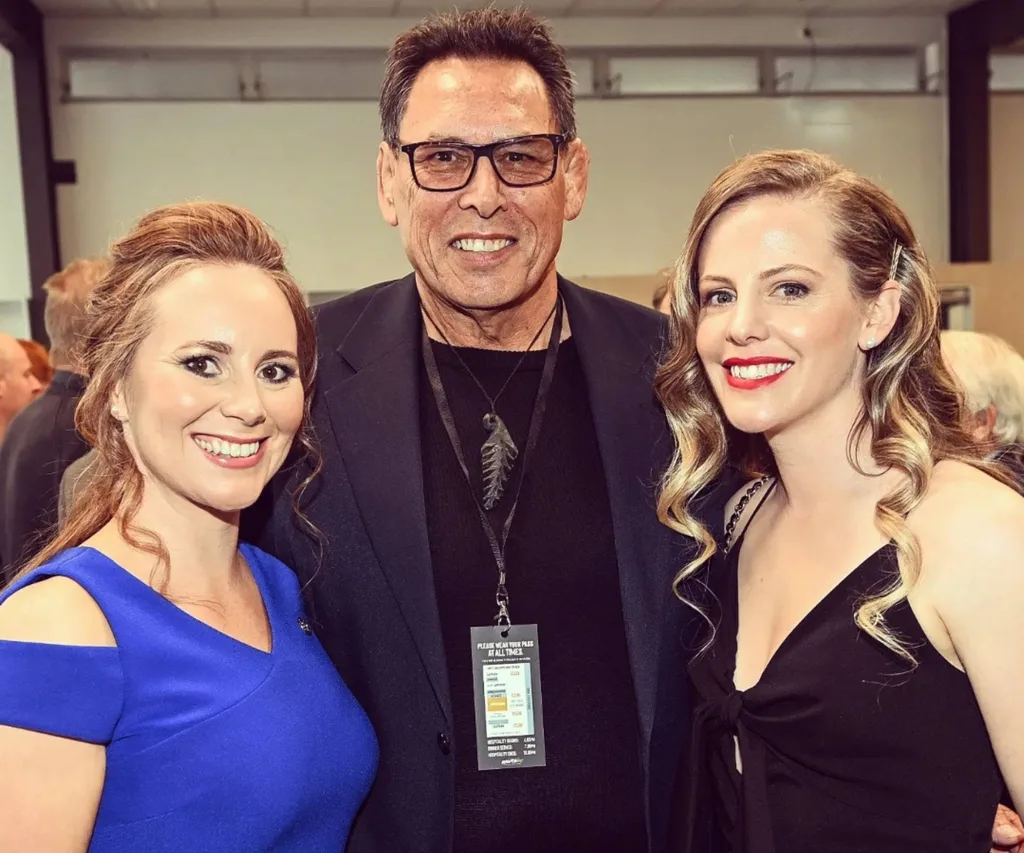
Rebecca’s a reservist in the Royal New Zealand Navy, a professional singer and the co-founder of the charity Te Kiwi Māia. Which supports Defence Force personnel, first responders and their families.
Rebecca says she and the King even shared a light-hearted moment.
Royal chat and lasting memories
“He asked if I would sing in the Ballroom next, to which I replied, ‘No, Your Royal Highness, I’m going to have some drinks now!’ He laughed and said, ‘That’s fair enough.’ In his last moments with me, he said, ‘Send my love to New Zealand!’”

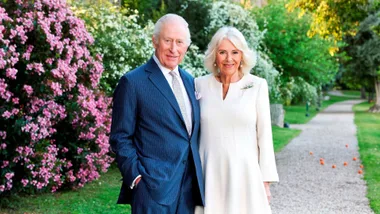
It’s one of several memorable encounters she’s had with the King over the years. He’s seen her perform with the New Zealand Defence Force Band at Gallipoli, the Somme. She also performed at Highgrove House for his 70th birthday celebrations.
In 2019, when he was still the Prince of Wales, Rebecca sent a letter to him. This was after recording an album with the Band of the Welsh Guard.
“I wrote to tell him about it because, why not?” she smiles.
When busking led to the big stage
“He put his signature and blurb on the album.” Rebecca credits much of her success to her early days busking in Dublin.
“I very much firmly believe I wouldn’t be where I am if I hadn’t been singing on the streets,” tells Rebecca, who moved to Ireland in 2009, aged 21.
While busking, she was spotted and invited to audition as the opening act for The Priests, the best-selling Irish artists who have sold more than three million albums. She soon found herself touring with them.
It’s also where she first met the All Blacks in 2009, who were in town for a match. After listening to her sing, rugby players Ma’a Nonu and Sonny Bill Williams approached her. In a moment Rebecca will never forget, Ma’a questioned if she had been lip-syncing.
Laughing, she says it’s a common reaction to the power of her voice without a microphone. No offence was taken and Rebecca confidently replied, “Kia ora, I’m a Kiwi and one day I’ll sing the national anthem in front of you.”
From busking to Navy reservist
She’s now sung at 17 test matches. In 2013, back in Aotearoa, another chance encounter – this time busking in Devonport – changed her life when she was noticed by the music director of the Royal New Zealand Navy, who invited her to go on the road with them as a guest soloist.
At the end of the three-month tour, Rebecca made a surprising decision to enlist as a reservist.
“My first gig was the 99th anniversary in Gallipoli,” says Rebecca, who’s deeply passionate about giving back.
“It was phenomenal and something I will never ever forget. “A real highlight has been meeting the veterans and spending time with them. I love that when I sing, it helps them remember their friends and that time in their life. Whether it’s sad or happy, it helps them feel seen.”
Healing and hope through Te Kiwi Māia
Through Te Kiwi Māia, she and co-founders Megan Mashali and James Burt have launched immersive wellness retreats, bringing together clinical psychologists, rongoā Māori healers and health specialists to support service personnel through burnout, stress and trauma.
“I had one participant say it wasn’t just life-changing, it was life-saving,” she shares.
One day, she dreams of a permanent facility that runs full-time programmes.
“Advocating for our first responders and Defence Force is huge,” she smiles.
“At times, it feels like I have bitten off more than I can chew. But I have a lot of good people around me who give me space to vent, pick me up and keep me going.”
To donate or find out more about Te Kiwi Māia, visit tekiwimaia.co.nz