




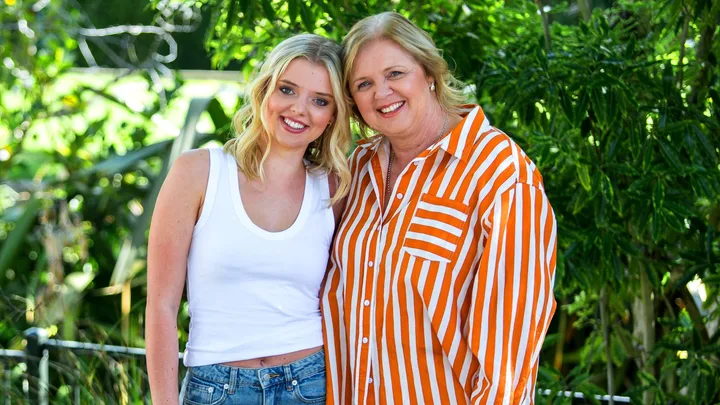
As a student, Christchurch’s Kate Devlin loved spending weekends hanging out with her mates, enjoying hikes or lazy afternoons by the pool. With a family history of malignant melanomas and skin that would burn rather than tan, she was more sun-conscious than her friends, being careful to cover up.
But when a mole on her left temple changed from brown to black, the now- 22-year-old didn’t give it a second thought, despite her well-meaning friends making sure she was aware of it.
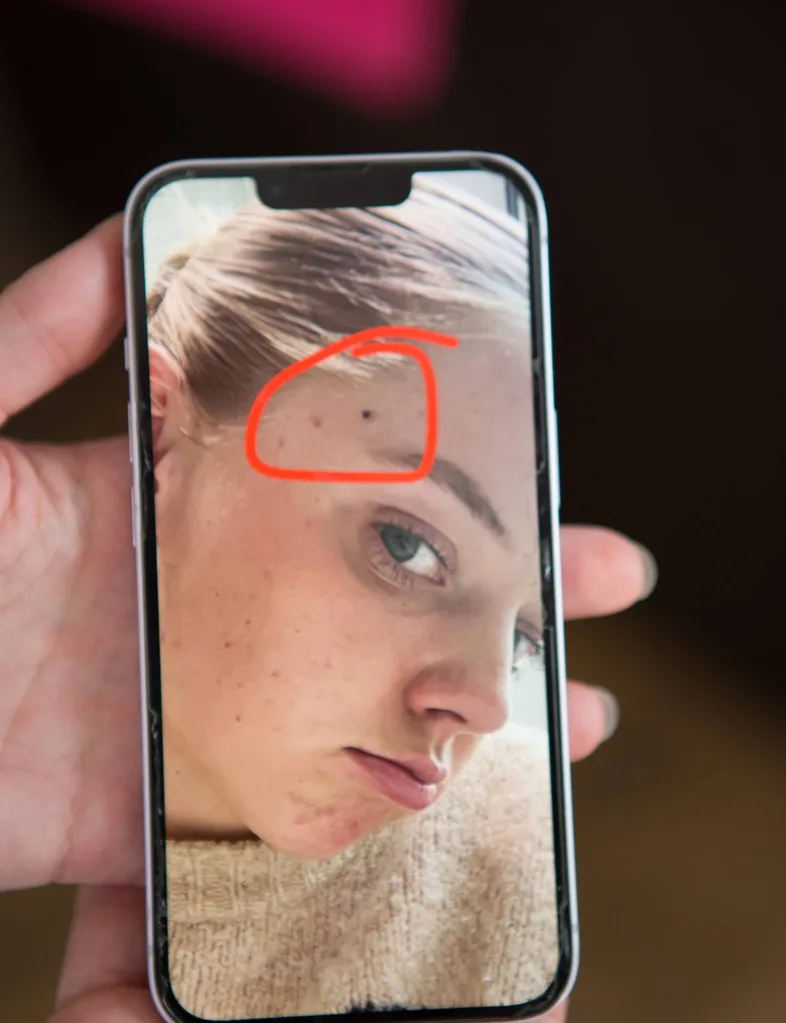
“There was this stage of about two months when we’d be getting ready for a night out and people would say I’d smudged mascara on my face,” Kate recalls.
“I was like, ‘No, I didn’t! Stop telling me that!’ The reason why kind of eluded me – I didn’t click the mole had changed colour, but then I told my mum, who insisted I get it checked.”
Her mother Wendy, 58, was already on high alert for skin cancer, having had numerous moles and one malignant melanoma extracted herself. Kate’s dad Andrew, 62, also had three malignant melanomas, the first removed when he was in his mid-twenties. With their family history in mind, Wendy had taken Kate and her sister Grace, 25, for annual mole checks.
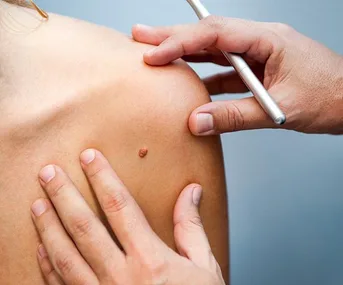
A quick appointment at Molecheck led to an immediate referral to a plastic surgeon, who told Kate and her mum that the mole was “textbook melanoma”. He removed the mole there and then, sending away a biopsy for confirmation.
After the call
“It was surreal,” recalls Kate, who has just completed an undergraduate degree in commerce and psychology in Wellington.
“When the results came back, they called my mum because I’m terrible at picking up my phone! Mum rang and I was like, ‘Oh, my gosh! What now?’ It was scary and daunting.”
In November, within three weeks of her biopsy, Kate was booked in for a wider incision to achieve what’s called “clear margins” – no remaining signs of the melanoma.
The scar she didn’t expect
“They cut a football shape around it – I didn’t see because it was on my face, but Mum said it was huge!” she says.
“I was naïve about how big the scar would be. I tape it with nude-coloured medical tape so the sun doesn’t make it go purple, but it’s a big scar.”
Kate says her friends were shocked to hear the “smudged mascara” was in fact a skin cancer. The plastic surgeon told her that they’ve recently seen an increase in young adults being diagnosed with melanoma.

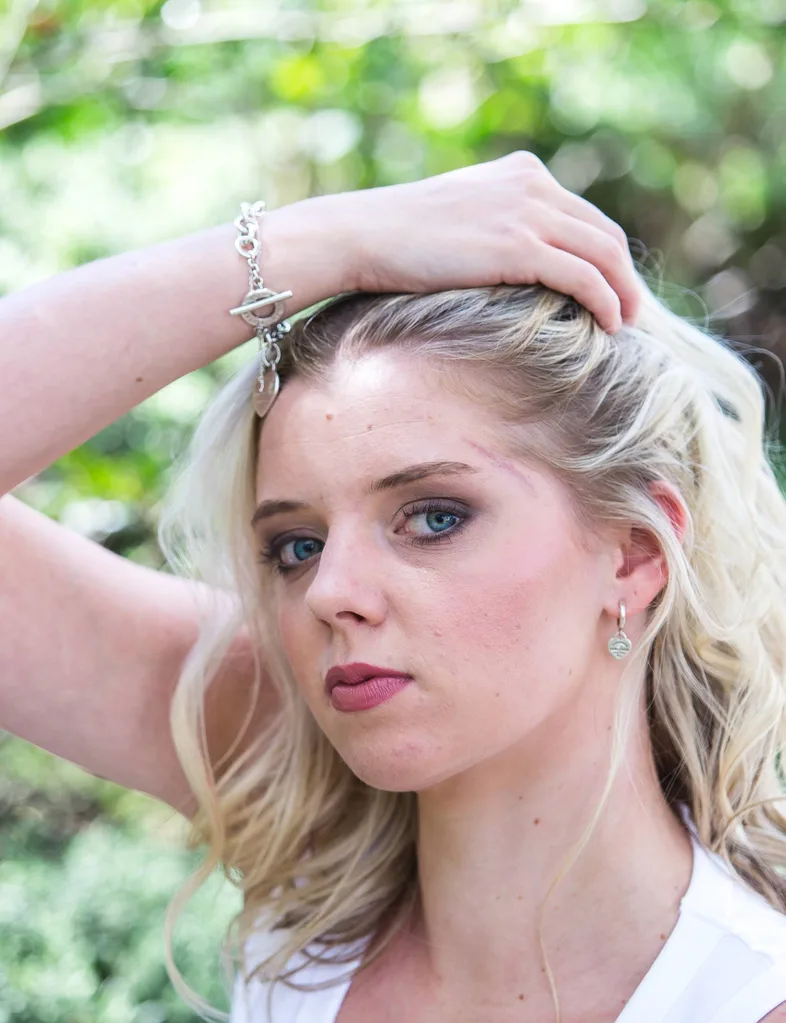
A mole that changed fast
“Even with the regular checks and being a generation where we take a million selfies, I hadn’t clocked that the mole had changed in a matter of months,” Kate admits.
“And it was on my face – if it was my back, where my friends couldn’t see it, I’d have no clue.”
After her diagnosis, Kate and Wendy did a “doom scroll” of her photos and it became clear the mole had transformed.
Melanoma awareness and check-ups
Kate explains, “Melanoma’s a crazy-common thing once you start talking about it with other people. It’s not always the moles you think – Mum’s had ones removed I would’ve never looked twice at. It’s so important to protect your skin and get regular checks, but I know the cost is a driving factor for people my age not doing them. I’m lucky my parents stumped up. But the free spot- check events that Melanoma New Zealand run are awesome and I encourage everyone to use them.”
Kate doesn’t judge her friends for going out in the sun but says she does always ask them if they have sunscreen.
She confesses, “If I see someone burnt, I say, ‘Look at my face – this could be you!’ I’m happy to use my experience to bring awareness to Kiwis that skin cancer can happen to young people too.”
TikTok tan line trend exposed!
Inspired by TikTok’s tan line trend, the younger generation thinks getting lots of sun exposure is cool again. Teens are sharing social posts encouraging timing daily UV levels to achieve the deepest tan, but Melanoma New Zealand warns against sun damage being glamorised.
“There is no such thing as a safe tan,” says chief executive Andrea Newland.
“Around 90% of skin cancers are preventable, yet New Zealand has one of the world’s highest melanoma rates, losing around 300 lives each year. Skin cancer is by far the most common cancer in Aotearoa and UV exposure during the first 18 years of life is the most critical for cancer-causing damage.”
The advice? Protect your skin when the UV index is three or above.
To learn more, go to melanoma.org.nz