



 photography: Eva Bradley.
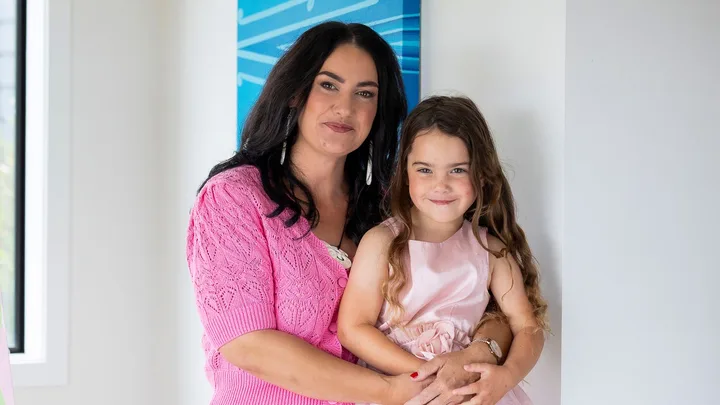
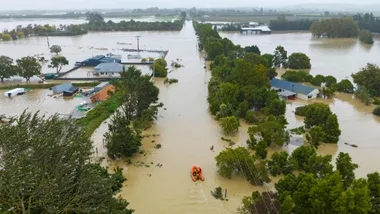
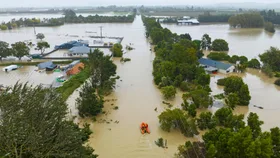
Everything changed overnight for the rural community of Eskdale when Tropical Cyclone Gabrielle devastated Hawke’s Bay on 13 February 2023. Contemporary Māori artist Renee Makea remembers it vividly. She’d put her daughter Rosie, now four, to bed and was making a start on dinner. With the river rising, calls came in from whānau warning them to evacuate.
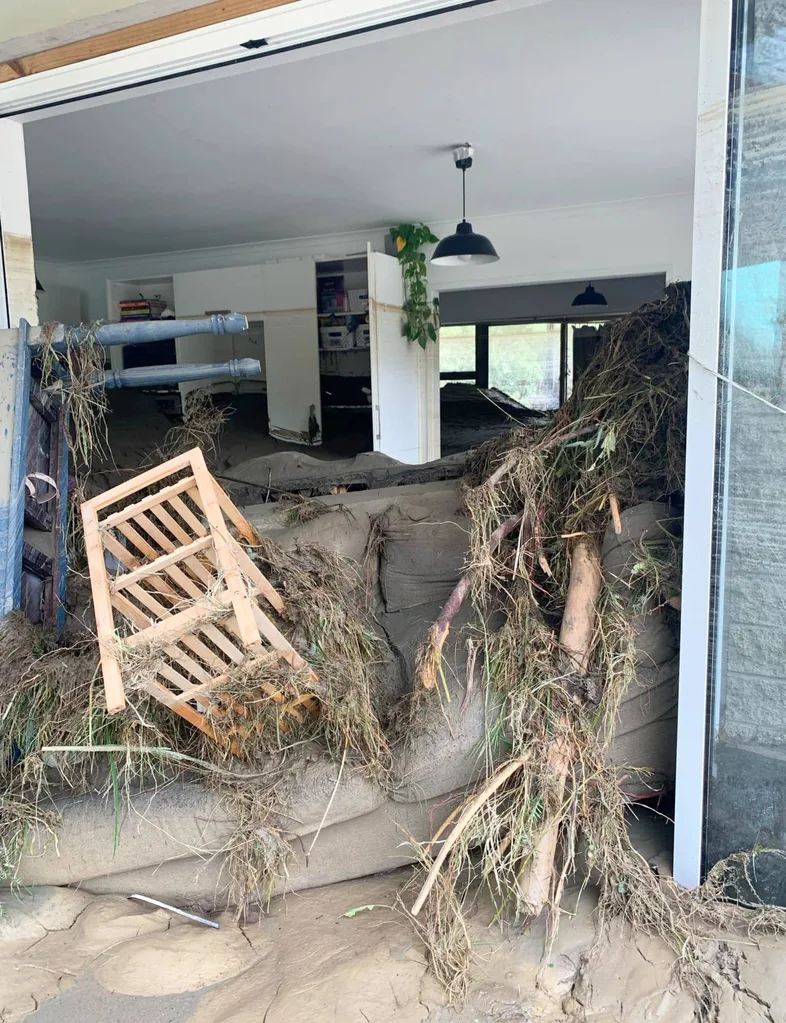
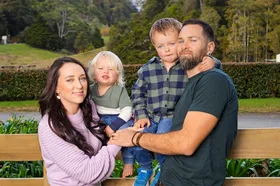
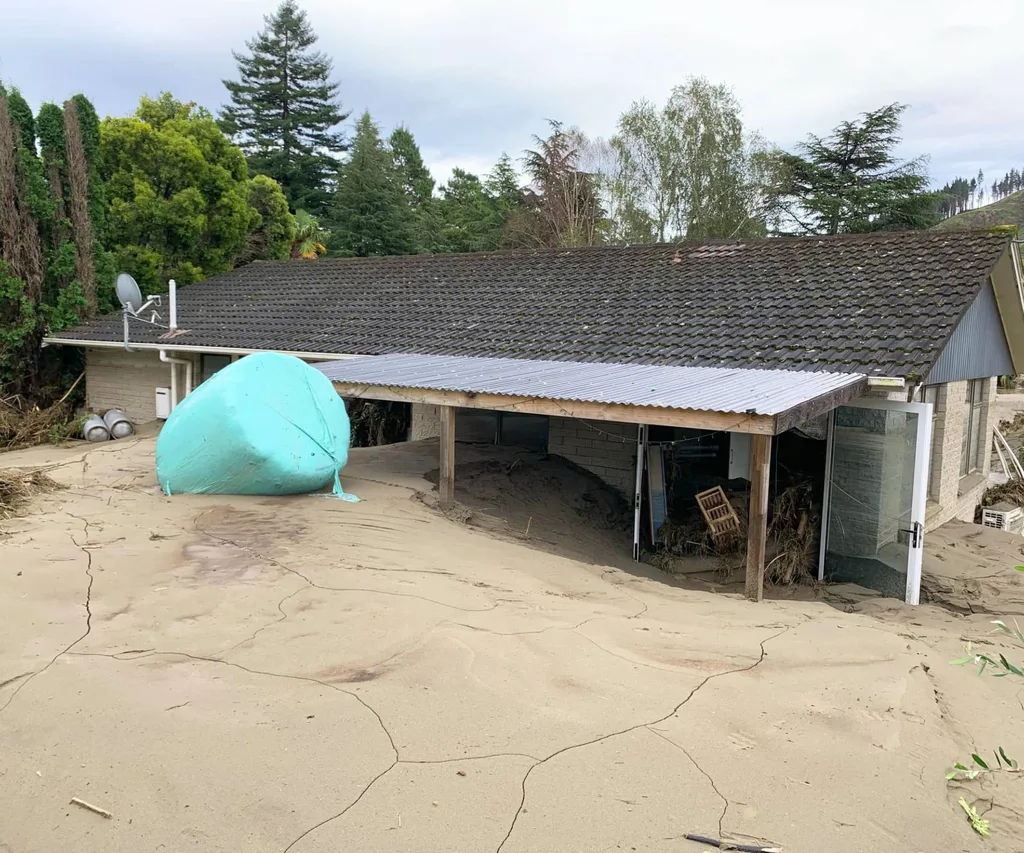
With only 10 minutes to pack, Renee and her fiancé Sam, 36, tucked their dogs and toddler into the car before driving away, leaving their life and their cats behind. While they anticipated the floodwaters would only reach 30cm up the walls, instead they rose to 30cm away from the ceiling.
“The next morning, we woke up with only a bag to our name,” tells Renee.
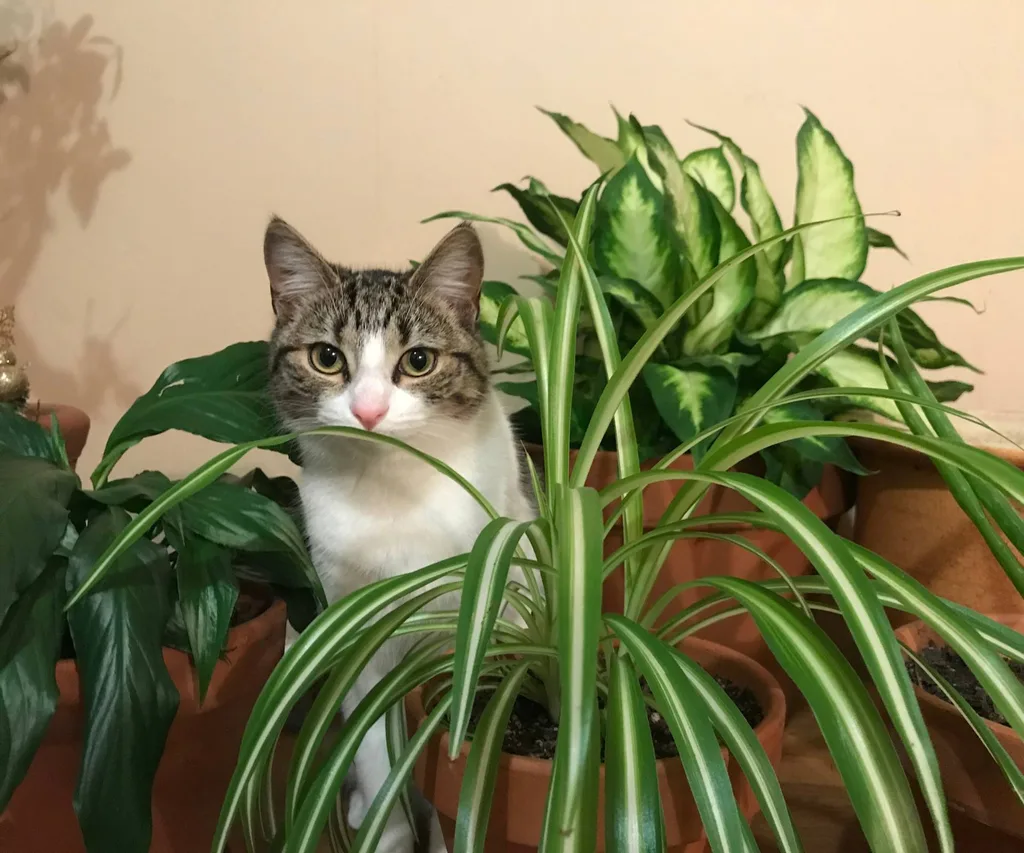
With their home gone, they discovered their beloved cats Pepe and Kil Kil were also lost.
“The guilt just eats away at me, deciding to leave the cats,” Renee admits.
“I remember saying bye to them on my way out, like, ‘I’ll see you tomorrow’. I’ll never know if they’re alive or if they were swept up.”
Pregnant in the eye of the storm
Since then, it’s been a journey of adapting and overcoming. Just two weeks before the cyclone hit, Renee discovered she was six weeks pregnant. Following the natural disaster, the stress left her depleted, sick and, some days, bedridden.


Her midwife sister took on a caring role from afar and was very strict because Renee had miscarried before.
“I don’t know how you can go through something like that, being hapū and not let it affect you,” Renee shares.
Stronger together
The couple grieved in different ways. Level-headed Sam took on the lion’s share of work, calmly and practically digging through silt, plus making insurance calls.
“That kind of event can either make or break you,” says Renee.
“We knew it was going to test our relationship and how we communicate with each other. But he was the man – the pillar for us. He’s a keeper.”
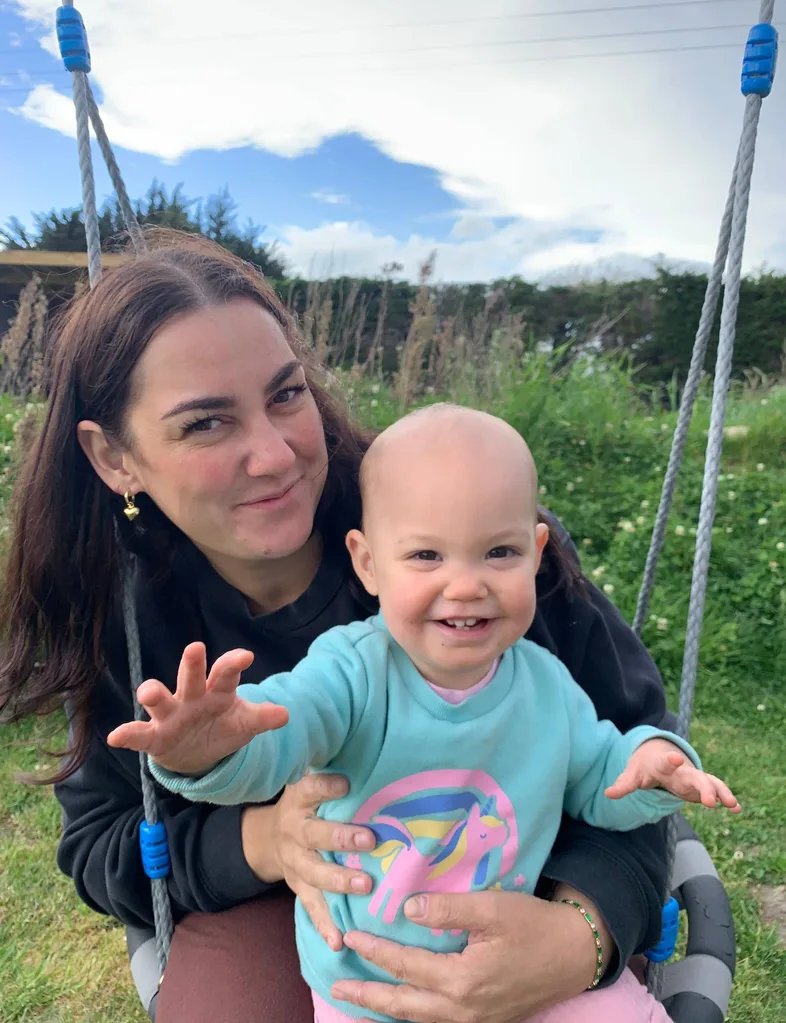
She knew in her bones that after the havoc of the cyclone, her baby would come early and sure enough, little Summer, now two, arrived seven weeks before her due date, on the same night the whānau moved into their new forever home.
“It was like my body was settling down, knowing that it was home,” Renee reflects.
“When I knew I had some stability, she decided to grace us with her presence.”
The hardest part
For the first four weeks of Summer’s life, she was hospitalised at the special care baby unit.
“That was the hardest part,” Renee shares.
“When you lose your home, you’re in transitional housing and dealing with a pregnancy. To then not be able to be with your baby, it was really shit.”
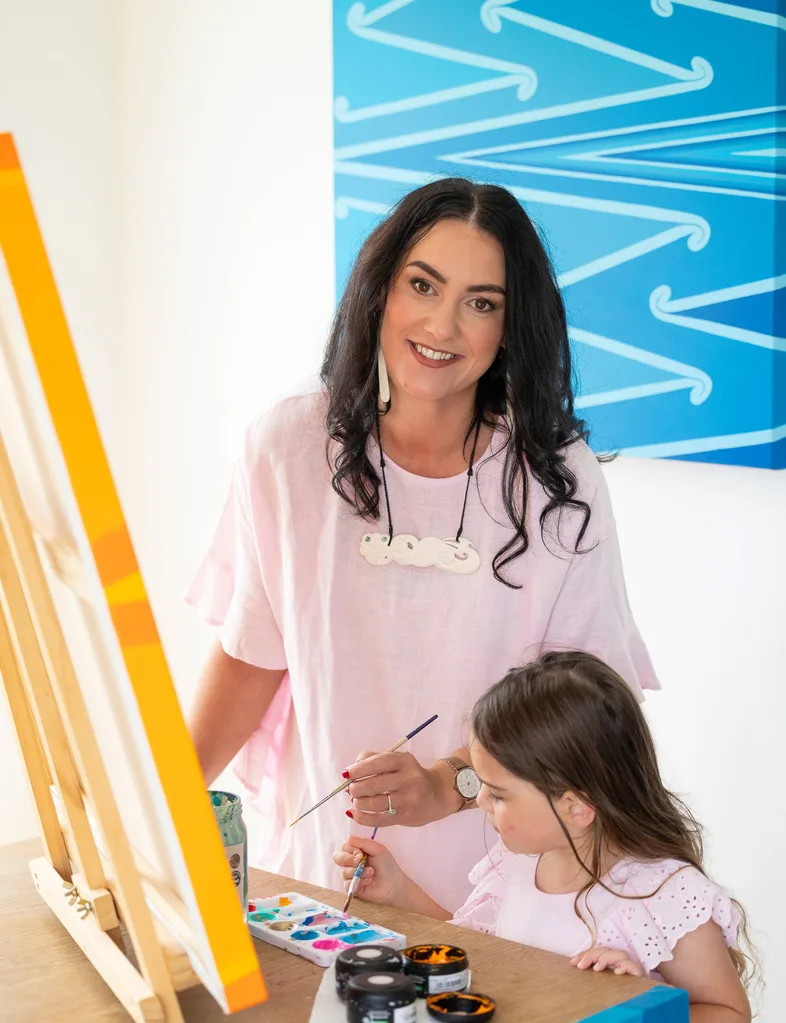
Once Summer came home, the family could finally begin to heal. A student at Te Wānanga o Aotearoa, Renee grounded herself in Māori art, which was initially dark and moody.
From trauma to tenacity
“That was me projecting my emotions onto canvas.”
Enchanted by pūhoro (traditional Māori tattoo), Renee was drawn to working with a kōwhaiwhai pattern symbolising swift waters. After the cyclone hit, she came to see it as a symbol of strength and tenacity. After being awarded a scholarship in her final year of study, she hosted her first art exhibition.
“I was crying on my canvas, releasing all the trauma and mamae [pain]. I could feel the energy transferring – it was like a weight lifted and my mind went blank. It’s amazing how a traditional Māori pattern can ground you at a time like that. I really leaned into the pu¯horo to guide me through. Now when I think of Gabrielle, I go, ‘Yikes! That was a time we went through.’”
Counting our blessings
While Renee knows her art settled her, she’s mindful of other families who weren’t so fortunate and are still mourning the loss of their loved ones.
Renee enthuses, “We’re so thankful for where we are now. We have a beautiful rural whare, we have farm animals and it’s helped ground us. We thank that old house and the land for the memories we made – and we move on.”