





For someone living with coeliac disease, everyday life can suddenly feel far more complicated. Shopping, cooking, socialising, travelling and dining out all require extra planning. Many people newly diagnosed feel overwhelmed and unsure where to begin.
Yet with the right mindset, habits and support network, people can build a confident and fulfilling gluten-free lifestyle. Thriving gluten free is not about perfection overnight, it is about taking small, sustainable steps.
That message sits at the heart of Coeliac Awareness Week from June 15 to 21, where Coeliac New Zealand is encouraging Kiwis to embrace its Seven Habits approach to living gluten free. Coeliac disease is an autoimmune condition where gluten – a protein found in wheat, rye, barley, and the avenin protein in oats – triggers damage and inflammation to the small intestine. Left undiagnosed or untreated, coeliac disease can lead to long-term health complications, including nutrient deficiencies, osteoporosis, infertility and ongoing digestive issues.
Symptoms may include diarrhoea, constipation, fatigue, abdominal pain, nausea, weight loss, joint pain and brain fog. For some people, symptoms can be subtle.
The only treatment is a lifelong, strict gluten and avenin-free diet. This means avoiding these foods and preventing exposure through cross-contamination from shared kitchen equipment, condiments and medications.
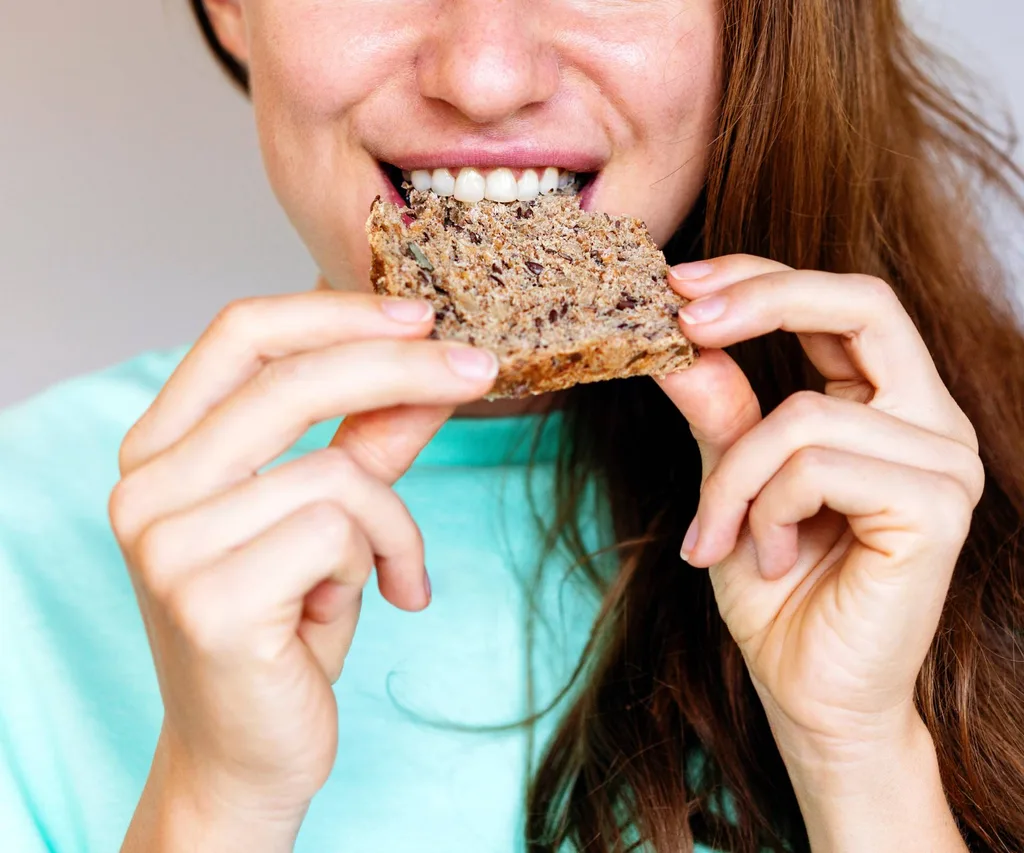
The Seven Habits
According to Coeliac New Zealand, thriving with the condition starts with making manageable changes.
1. Start small
Trying to change everything overnight can feel overwhelming. Instead, focus on one step at a time, whether that’s swapping to gluten-free staples, learning how to read food labels or creating a safer kitchen set-up with a separate toaster and chopping boards.

2. Build confidence and knowledge
Understanding cross-contamination, following safe food guides, and looking for products carrying the Crossed Grain Logo can help build confidence and reduce stress. When dining out, preparation is key. Tools such as the Eat Choice app allow users to check menus and options before arriving at a restaurant. This can help identify venues with safer food preparation practices, including separate gluten-free fryers, making eating out more enjoyable.
3. Build a support network
Living gluten free becomes much easier with support from family, friends, colleagues and the wider community. Sharing knowledge about coeliac disease and educating others about cross-contamination creates safer spaces for everyone. Coeliac New Zealand also offers webinars, support groups, recipes and educational resources to help people navigate gluten-free living with confidence.
4. Plan ahead
Preparation reduces stress and accidental gluten exposure. Carrying gluten-free snacks, checking restaurant menus in advance and packing safe food for travel can make a significant difference. It is also important to check ingredient labels every time you shop, even for products you regularly buy, as recipes and manufacturing processes can change without notice.

.jpg?resize=380%2C285&format=auto)


5. Prioritise wellbeing
Feeling frustrated, anxious or isolated at times is normal. Backing from healthcare professionals, support groups, and understanding friends and family can make a meaningful difference. Practising self-compassion is important for long-term wellbeing.
6. Nourish your body
People with coeliac disease are commonly affected by nutrient deficiencies, particularly iron, calcium, vitamin D, vitamin B12 and inadequate fibre, making regular nutritional monitoring important. A balanced, nutrient-rich diet is essential for restoring gut health and supporting energy levels. Whole grains, such as quinoa, brown rice and buckwheat, provide fibre and nutrients, while fruit, vegetables, healthy fats, and quality proteins support recovery and wellbeing.
7. Keep up with medical check-ups
Routine appointments with a GP or dietitian help monitor nutrient levels, antibody markers and overall health. Ongoing follow-up ensures the gluten- free diet is effective and helps prevent long-term complications. Ultimately, thriving with coeliac disease is about far more than avoiding gluten. By staying informed, planning ahead and leaning on supportive communities, people with the condition can live fully, confidently and well.
For more information, see coeliac.org.nz



Share this post