




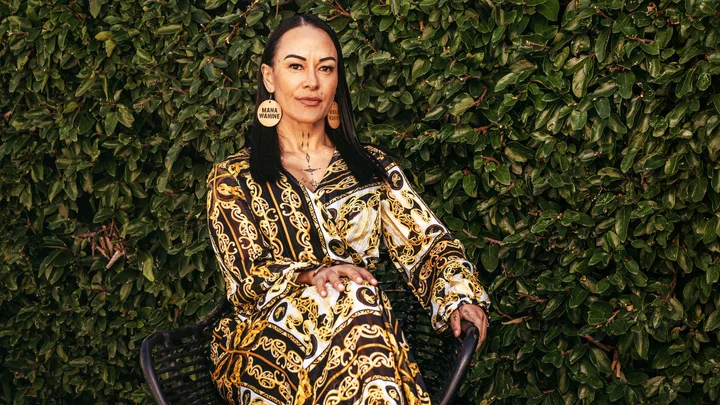
 Photography: Naera Ohia Photography.
Bikini selfies and election campaigns don’t usually go hand in hand, but Green Party candidate Tania Waikato was never going to follow the traditional political playbook.
With voting enrolment among young people historically low, Tania decided the best way to grab the attention of “the doom-scrolling generation” was by posting “thirst traps” – sexy photos of bikini-clad women and buff blokes – along with enrolment website links.
She kicked off her tongue-in-cheek election countdown with her own saucy selfie, then put the call out to her friends, a mix of fellow CrossFit devotees, influencers and musicians, to share their own.
“It’s been an interesting little experiment,” she says from her Mount Maunganui home.
“We were doing all this work to get people enrolled and I was going to start a countdown, but I looked at the post and thought, ‘This is the same old shit – it’s not going to get anyone’s attention.’ “Then I remembered a bikini photo a friend took and I thought, ‘Screw it, let’s try this’. It got 20,000 views and more than 200 click-throughs to enrol overnight!”
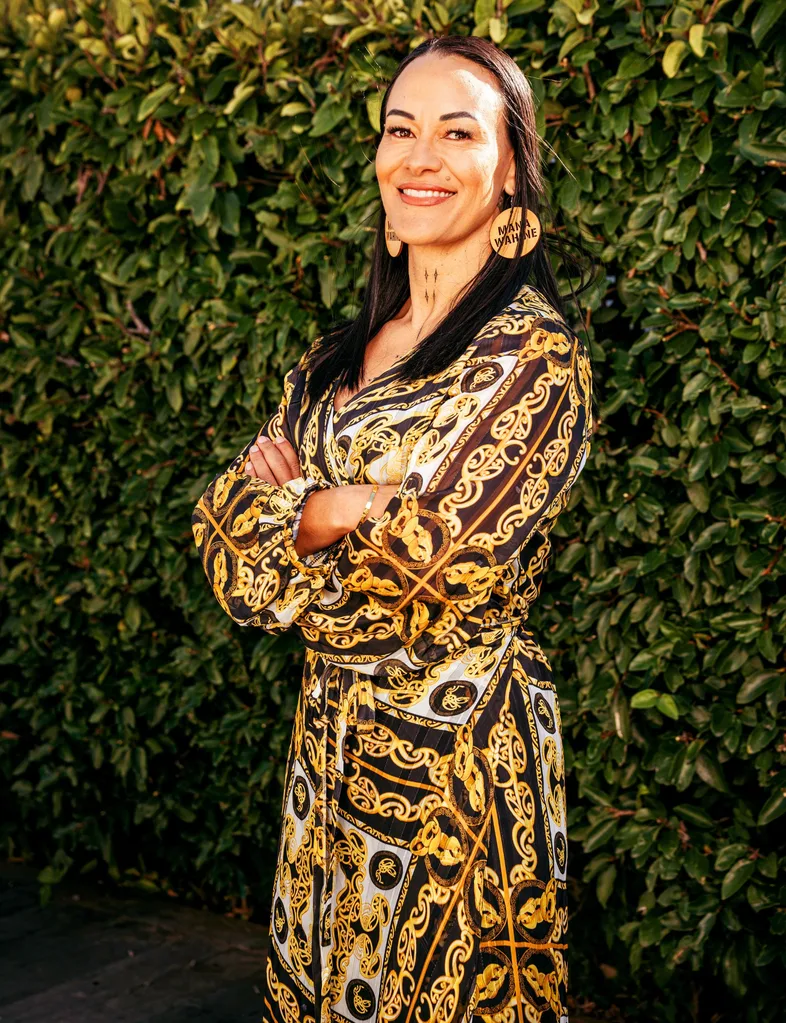
More than just a bikini campaign
While some criticised the posts, the 47-year-old lawyer – who is of Ngāti Awa, Tūhoe, Ngāti Tūwharetoa, Ngāti Hine and Whakatōhea descent – says the results speak for themselves.
Her “baddies” posts have had more than two million views in the space of three weeks, with official statistics confirming a surge in Māori enrolment both here and overseas.
“Humans are pretty simple things – if this is what it takes to get noticed, then that’s fine with me,” she laughs.
For Tania, the bikini campaign is about something much more serious – getting people to vote. She is appalled by recent changes to electoral enrolment laws, meaning voters can no longer enrol or update their address on election day or during the advance voting period. They must now be enrolled by 25 October – 13 days before the 7 November election.
Critics fear the changes could disproportionately affect young people, Māori, Pasifika and Asian voters, leaving thousands of people unable to vote. So alongside her campaign for the Waiariki electorate, Tania’s running enrolment workshops and seminars, hosting online events and visiting schools to talk to young people about the difference they can make.
“Some of our rangatahi absolutely love getting involved in these enrolment drives,” she says.
“And I love seeing how geared up they are. My passion is – what do they call it? – infectious.”



A voice for young women
Standing up for what she believes in is nothing new. Tania has worked in litigation for more than two decades and become a prominent social rights activist, building a huge social media following through the Toitū Te Tiriti movement opposing the controversial Principles of the Treaty of Waitangi Bill and the Regulatory Standards Bill.
She believes the current direction is “ugly and harmful”. Her biggest message to young women is simple: Never apologise for taking up space.
“We’re constantly given messages about how we should live, how we should talk, what’s appropriate for women to do, what’s not appropriate for women to do,” she says.
“My message to our young women is nothing else but to take up space and to not apologise for taking up space.”
She credits her upbringing in the small Bay of Plenty town Te Teko with giving her the confidence to do exactly that. Tania laughs when people call her outspoken, saying they should meet her aunties.
“Honestly, I’m the watered-down version! All the nannies and the aunties who I grew up with, they’re way worse than me. They’re confident, assertive and not afraid of doing what’s right. I really think they taught me quite a specific type of female leadership.”
But beneath the politics and the social media campaigns, Tania’s motivation is deeply personal. She says her tūpuna are guiding her, while her whānau is firmly behind her. Most of all, though, it’s her 12-year-old son who drives her.

The moment she knew
She always knew she would end up in politics one day, but it was a question from her son that made her realise she could no longer sit on the sidelines.
“Why does the Government hate Māori?” he asked her.
When she later told him what standing for Parliament would mean for their whānau – weeks apart, public scrutiny and people saying hurtful things about her – he listened before delivering his verdict: “Mum, I don’t think the tūpuna will let you not do this.”
“So it all came down to my baby,” Tania says.
“And I’m so proud of him for that. I’m also a little annoyed that he sent me off on this insane haerenga [journey] with his blessing, instead of giving me an excuse to get out of it!”
But her son’s words have made her realise she has no choice.
“Unfortunately for me, my son is absolutely right. My tūpuna will not allow me to sit on the sidelines while this is all going down. It’s just my time. And I have to put my yards in.”



Share this post