




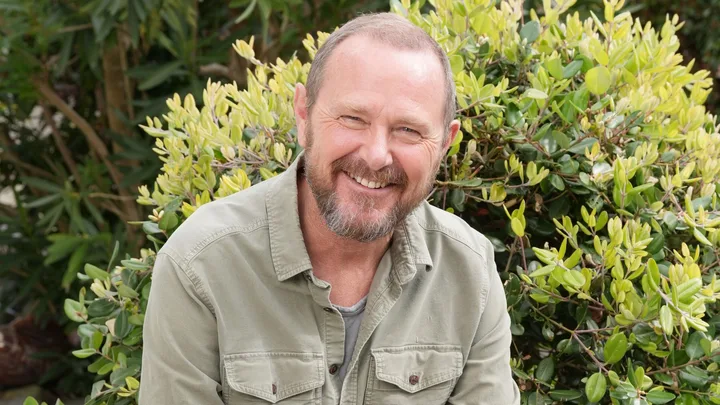
Actor Stephen Lovatt might be best known as Dr Emmett Whitman on Shortland Street, but it wasn’t so long ago that he was relying on odd jobs to make ends meet. After 40 years in showbiz, Stephen understands better than most the ebb and flow of acting work, but today, life couldn’t be brighter.
A fixture on the iconic Kiwi soap, he’s just been nominated for a Best Actor award. He is also preparing to tread the boards in not one, but two powerful one-man theatre shows. And best of all, the 61-year-old is relishing his most rewarding role yet. He is a devoted grandad to an eight-month-old baby boy.
“Oh, he’s pretty awesome, all right,” Stephen shares.
“I am determined to be a very present, very helpful grandfather – not one of those holiday grandparents. I just love being around him. He’s a bit of a Zen master – he’ll lie on my tummy and we’ll just look at each other’s hands for 20 minutes. It’s beautiful.”
A lifelong passion for acting
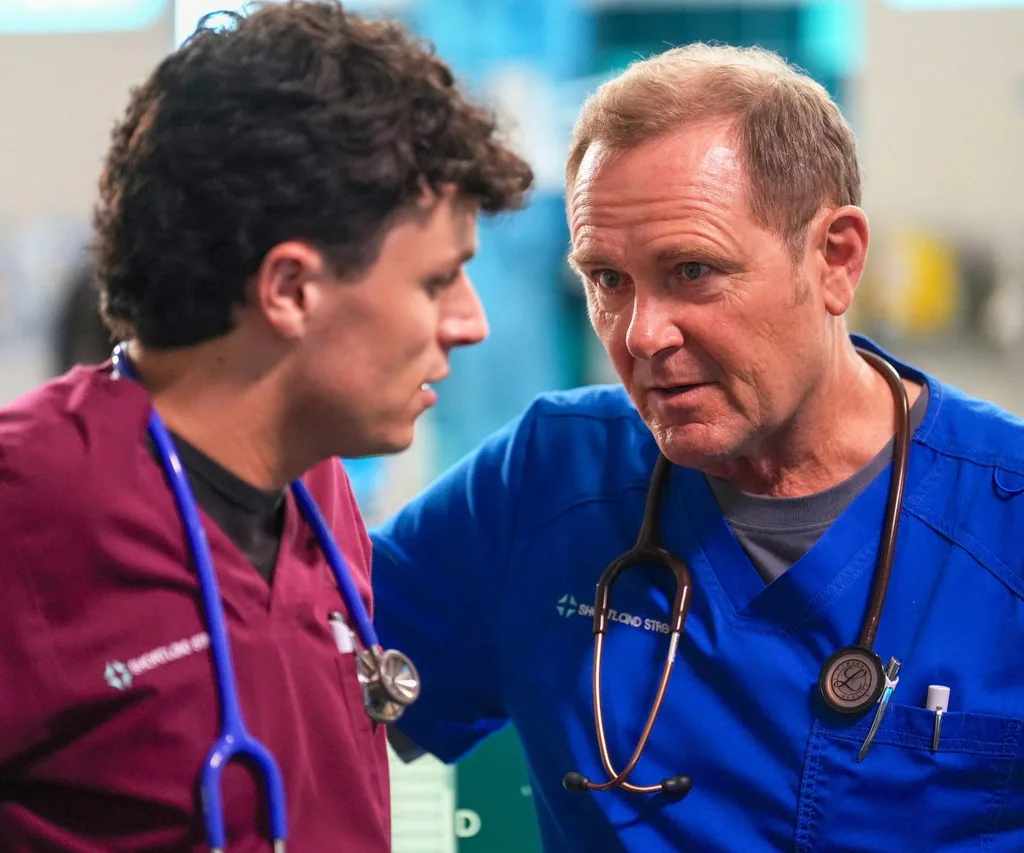
Having graduated from Toi Whakaari: NZ Drama School almost four decades ago, Stephen has spent his entire adult life in the profession he adores. He has an impressive list of on-screen credits, including Neighbours, Ash vs Evil Dead and The Making of the Mob. But Stephen admits his journey hasn’t always been smooth sailing. Over the years, he’s filled gaps between acting roles with landscaping, lawn mowing and picture framing. The Covid years were especially tough, so to make ends meet, he took up Uber driving, which turned into an unexpected joy.
“No one’s getting rich driving Uber, but it’s so much fun because you’re meeting interesting people,” he reflects.
“And it was incredibly restorative to be reminded that people are wonderful. I just loved hearing their stories and I only had two bad rides in seven or eight months.”
As he chats to the Weekly, the dad of two has just found out he’s been nominated for Best Actor at the New Zealand Screen Awards, which is held in Auckland on November 21. He says it’s “gratifying and humbling” to be singled out like this, yet he confesses that like many Kiwis, celebrating his own success doesn’t come easily.
The Kiwi way of celebrating success
“It’s not the most comfortable space to stand in, being told we’re good at something,” he explains.
“I think our quiet, solid humility that we have here in New Zealand is a strength, but it does make it difficult to celebrate things like this.”
Exploring Kiwi identity through theatre
Stephen is interested in the human psyche, particularly in terms of what makes us uniquely Kiwi. His upcoming theatre shows, two of playwright Bruce Mason’s most beloved solo works – The End of the Golden Weather and Not Christmas, but Guy Fawkes – cast an eye over what it means to be male in Aotearoa and he feels privileged to be performing such iconic works.



“I am so, so lucky to get to do this,” he enthuses.
Stephen is also a passionate advocate for men’s mental health, a cause that has become increasingly important to him as he’s got older.

Redefining what it means to be a man
“I’m not an expert, but I think we don’t talk enough about how we raise our boys and what we value in men,” he says.
“There’s still too much pressure to fit that alpha male stereotype. But there’s real honour in being a good father, a loving partner and a loyal friend. We need to celebrate that more.”
The power of connection in tough times
He believes that when life feels overwhelming, connection is everything. He urges anyone in a dark space to hold on to hope because things always get better.
“It can sound trite to say ‘Hang on, it’ll work out,’ but it really does,” he says.
“And when you’re in that hole, that’s when you need to hear it most. Make the phone call. Go for the walk. Reach out. You’re worthy of love.”
Finding joy on and off the stage
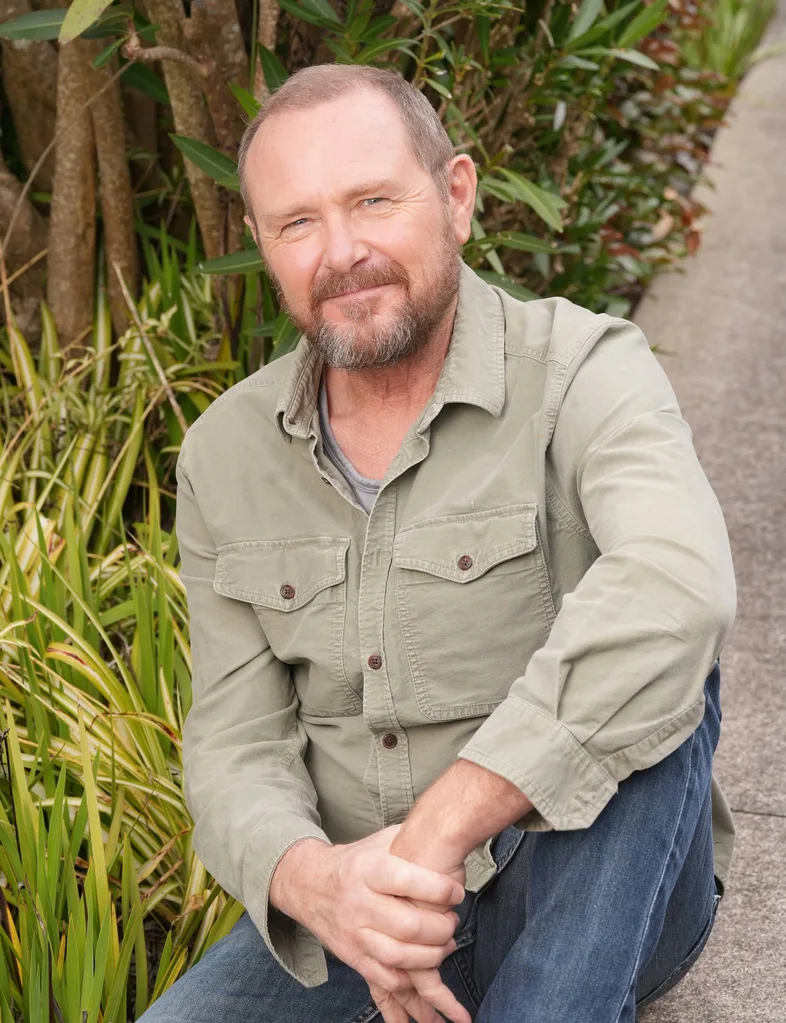
Today, Stephen feels grateful for the balance in his life between screen and stage, work, family, and friends.
“The thing that gives me the greatest joy is knowing I’ve been part of a story told well,” he says.
“When someone stops me in public about Shortland Street, I’m so gratified because I want people to connect with our stories. And in theatre, there’s nothing quite like hearing 800 people bursting into laughter together.”
The greatest joy of all
But not a thing, he says, compares to being a grandad.
“It’s no contest – that’s the greatest joy of all.”