



One of the most intriguing elements about the couple is the nature of their relationship. Separated since 1992, after six years of marriage – much of which they spent apart – they have continued to live together for much of the ensuing period and claim to be the “happiest divorced couple in the world”. The story, however, is not quite as simple as that.
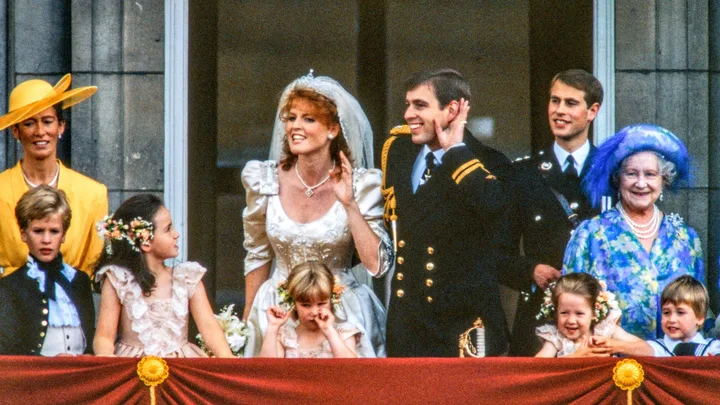
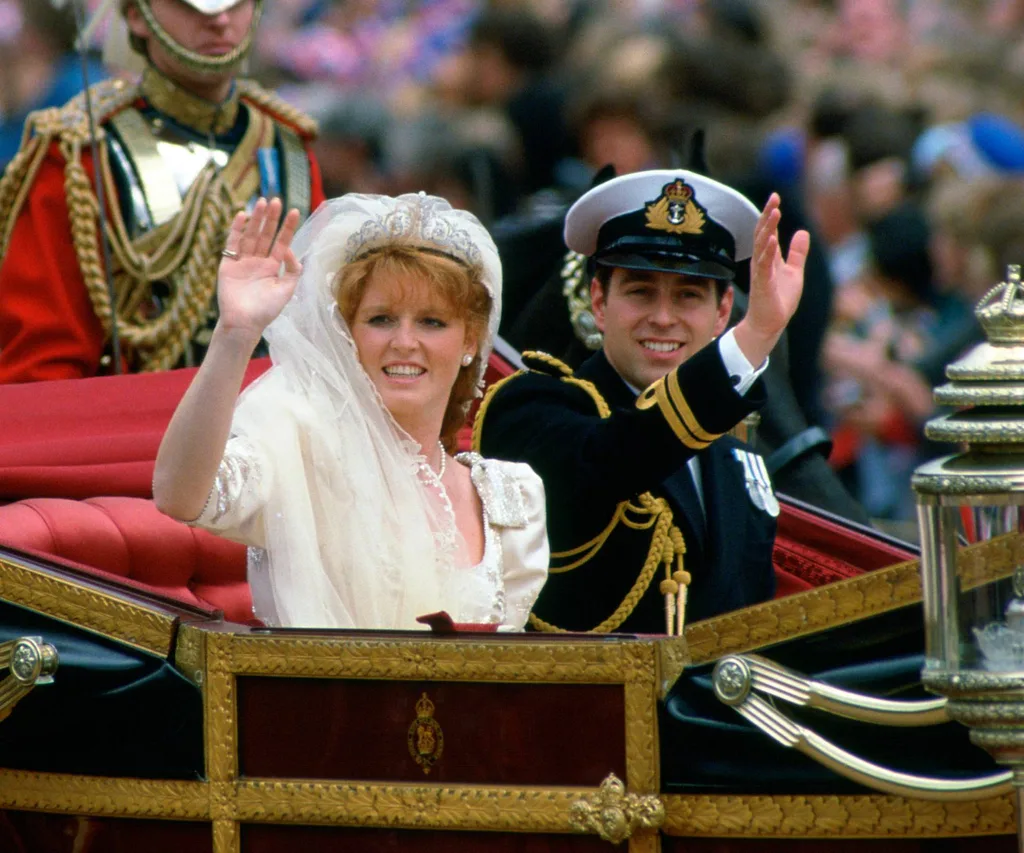
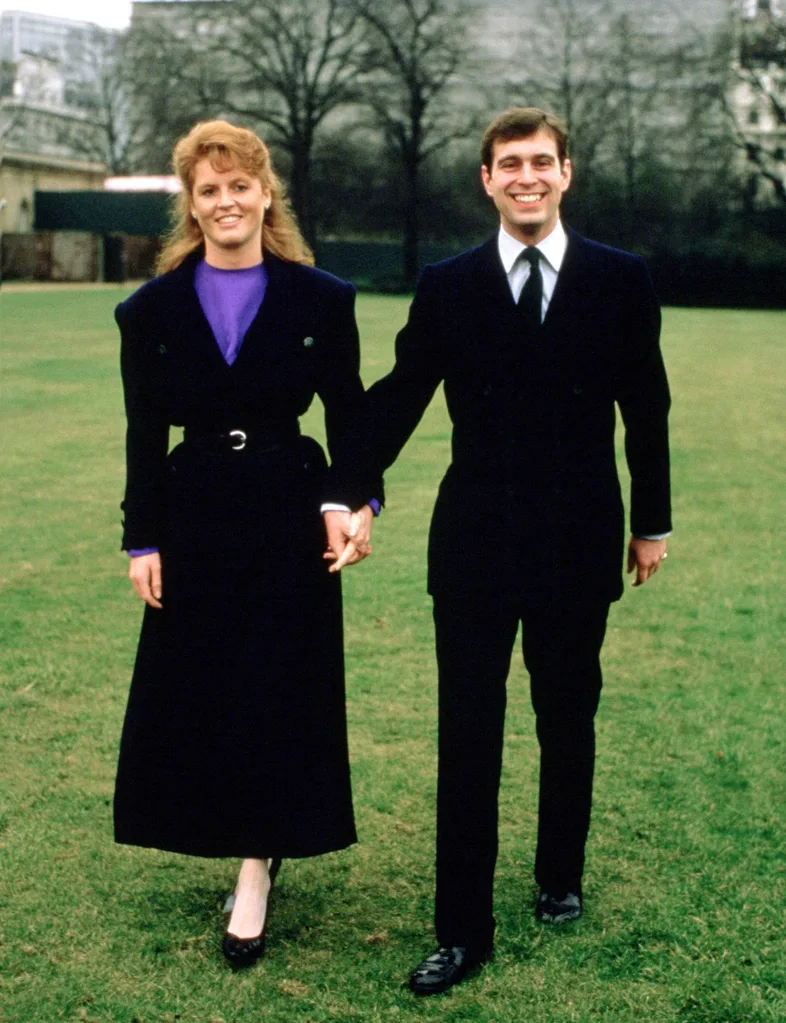
Introduced to each other in June 1985 by Princess Diana, they had a whirlwind romance, becoming engaged in February 1986 and marrying the following July. Sarah had despaired of ever marrying her live-in boyfriend Paddy McNally; Andrew was under pressure from his family to settle down. Both families were surprised by the romance.
Her father wondered if she was more attracted to the prince than the man and she later admitted that within a week of the wedding, she realised it was a mistake.
The Queen is reputed to have told Sarah, “I’m so glad you’ve taken Andrew off our hands – but why on earth did you do it?”
Lonely behind palace walls
Though the couple share an unsophisticated sense of humour, they have few mutual interests – he likes shooting and golf, she prefers skiing and riding – and are dissimilar characters. Almost immediately after the marriage, Andrew was either at sea or on a naval base far away. In 1990, he spent only 42 days at home.
Sarah, insecure, in need of love and attention, became bored, depressed and lonely, amid the pressures of court life and criticism from both the media and the palace. Andrew, focused on his own needs and exhausted by the demands of his career, admitted his priorities to his wife, “I am a prince, then a naval officer, then a husband.”
One of the journalists closest to Sarah, Ross Benson, felt she was desperate for his support. As the press relentlessly criticised Sarah, the duke failed to advise or comfort her.
Instead, “he spent his leave slumped in front of the video. If he did stir himself, it was only to join his male friends for rounds of golf. Sarah took that as the insult, however unintended, it was”.
As Sarah told [psychic] Madame Vasso, “He’s just not strong enough, he really isn’t. He doesn’t stand up for me when I need support and he’s never there when I need him.”
The marriage reached breaking point
A mutual friend remembered, “Andrew’s idea of a good time on a beautiful sunny day was to sit in the house and watch golf on the television. His dinner would be placed in front of him so that he could continue watching TV, and then he’d go to bed.”
It got to the stage where Sarah would make any excuse not to be with her husband in the house.
“She would ask if the duke was in for dinner and if he was going to be in, she would make sure she was out.”
Initially, she tried very hard to save the marriage.
“All the compromising came from her side, probably because at the start, she was so thrilled and grateful at the status and privileges this marriage had conferred on her,” argued Ross.
But eventually, she saw it for what it was – “a tiresome, thankless exercise” for someone born and moulded to believe that such attentiveness from those around him was his birthright. Sarah tried to raise the state of her marriage with the Queen, but the latter found it uncomfortable to become involved in other people’s emotional problems and the talk was quickly deflected to dogs, horses or the weather. It was only a matter of time before the duchess found the excitement and affection she craved with other men.
“Fergie had a lot of regrets about a lot of things, but freeing herself of Andrew I don’t think was one of them,” said an old friend of the duchess, who blamed the prince’s “serious attitude problem” for the difficulties in the marriage.
A bond that never truly broke
Ingrid Seward, who wrote an authorised biography of the duchess, was told by friends of the couple how “at times, she can’t stand Andrew. She thinks he is a bit of an oaf, a bit of a cringemaker. He can really embarrass her”.
At other times, Sarah would say, “Andrew is my best friend. He’s a puppet, but sometimes he is a dull puppet”.
It was a strange relationship, as a family friend told journalist Richard Kay, “Sarah has been by far the stronger of the two … almost a mother-Madonna figure to him, especially as his father is a bully and his mother hates confrontation. Nothing was ever Sarah’s fault, whatever the problem. He lived in denial of her infidelities. He has leaned on her for years, even when she found his apparent weakness a sexual turn-off.”
But in spite of their differences and problems, the two needed each other. As one friend remarked, “Andrew is nothing without a woman. He’s sweet, but also rather clunky and gauche. He needs someone who knows what she wants and who can navigate his life for him.”
Andrew, guilty about his initial neglect of his ex-wife, remained loyal and supportive, even when Sarah publicly cuckolded him, and humiliated both him and the royal family – not least when she was caught by “the Fake Sheik” selling access to him. In turn, after Andrew’s fall from grace, Sarah has proved to be his most loyal supporter.
Why they never remarried
The timings were never right for a reconciliation. Andrew, at first after the separation and divorce, remained half in love with her, relishing his freedom to enjoy a series of casual sexual flings while still retaining the security of apparent married life.
“He’s a charmer, but most of the romances fizzle out, and that’s why he’s kept the stability of being close to Sarah,” says one friend.
“He has the family side and the playboy side, and he’s been able to balance the two for decades.”
But it left Sarah confused. As she told Madame Vasso, “He says he wants me back, then he goes off with the girls.”
The duchess equally appreciated the attention of various lovers and escape from the constrictions of royal life, while also enjoying the trappings that royal life brought.
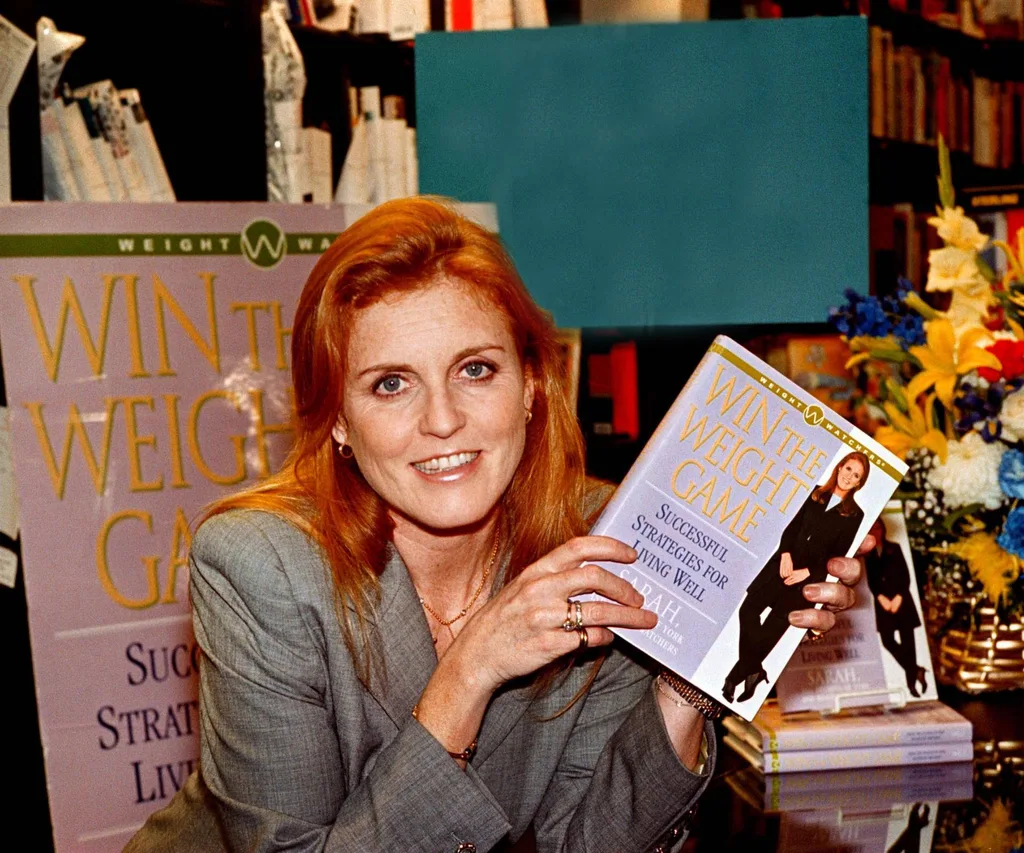
“Andrew still loves Sarah,” a friend of the couple told Vanity Fair, highlighting their fluctuating relationship. Amid talks of remarriage, with her career in America going strong, with her Weight Watchers contract, her books, she could reject the possibility.
“She thought her career would continue to support her expensive lifestyle and she didn’t want to give all that up to become a boring royal again.”
But after Sarah’s US career nosedived, it was Andrew who didn’t want to remarry, telling the friend, “Given Sarah’s weaknesses, she wouldn’t make an appropriate royal any more.” The duke also acted “for the sake of his daughters”, not wanting to “cause a commotion at Buckingham Palace”.
The remarriage rumours never stopped
Andrew accepted his wife’s infidelities and often would dine alone off a tray in his study, while Sarah and one of her lovers ate together elsewhere in the house. Sarah, however, was jealous of any of Andrew’s girlfriends. She wanted to remain “the one”, so she invariably drove away Andrew’s girlfriends with a mixture of charm and ruthlessness. In this, she often had the support of her mother-in-law.
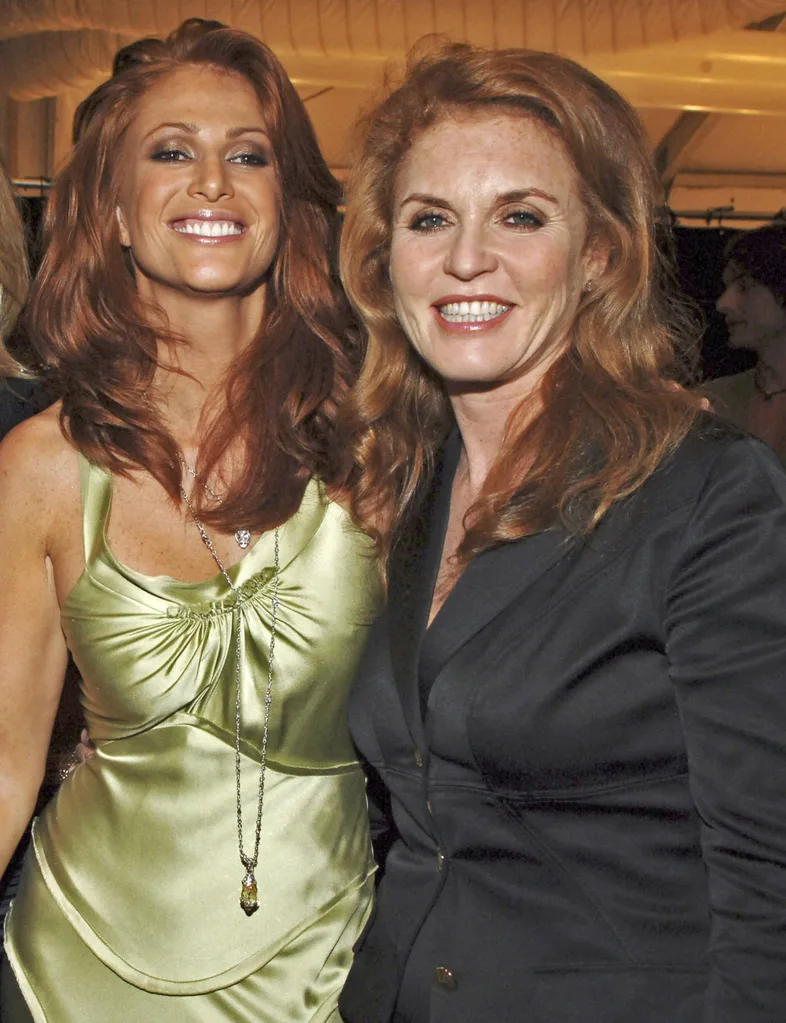
According to a senior royal aide, “It used to be a bit of a joke that whenever Andrew showed too close an interest in girls, like Amanda Staveley or Angie Everhart, the Queen promptly issued an invitation to Fergie for afternoon tea at Windsor.”
As Sarah moved in and out of Andrew’s homes, the speculation about the nature of their relationship and possibility of remarriage continued unabated – a speculation they did not discourage. In November 1998, the Daily Mail reported that, over dinner at Highgrove, Andrew had told guests he and Sarah might remarry.
The following October, the Sun claimed, “Fergie told last night how she could yet remarry Prince Andrew – and longed to have another child.”
Two days later, the paper admitted, “The duke has ruled out EVER remarrying his ex-wife Fergie.”
Keeping everyone guessing
On May 4 2000, the Mirror’s front-page headline was “I May Wed Sarah Again”. After a 12-page Tatler interview “We are Family”, the duke revealed, “I don’t rule remarriage out and I certainly don’t rule it in.”
On June 25, under the headline “The Yorks: Back as Man and Wife’’, the Sunday Telegraph claimed, “That magic which they first shared is back. They are very happy, very comfortable in each other’s company.”
Six months later, Sarah was telling the Daily Express, “We still live together, but there’s no chance, of course, of any romantic reconciliation between us.”
In August 2013, the Telegraph reported the couple might remarry. “Mark my words, they will remarry,” says one pal. “It is only a matter of time.”
The love that never disappeared
Richard Kay described the speculation about the nature of their relationship as “part game to keep the puzzled observer guessing and part unbreakable bond that has withstood scandal, adultery and embarrassing financial catastrophe”.
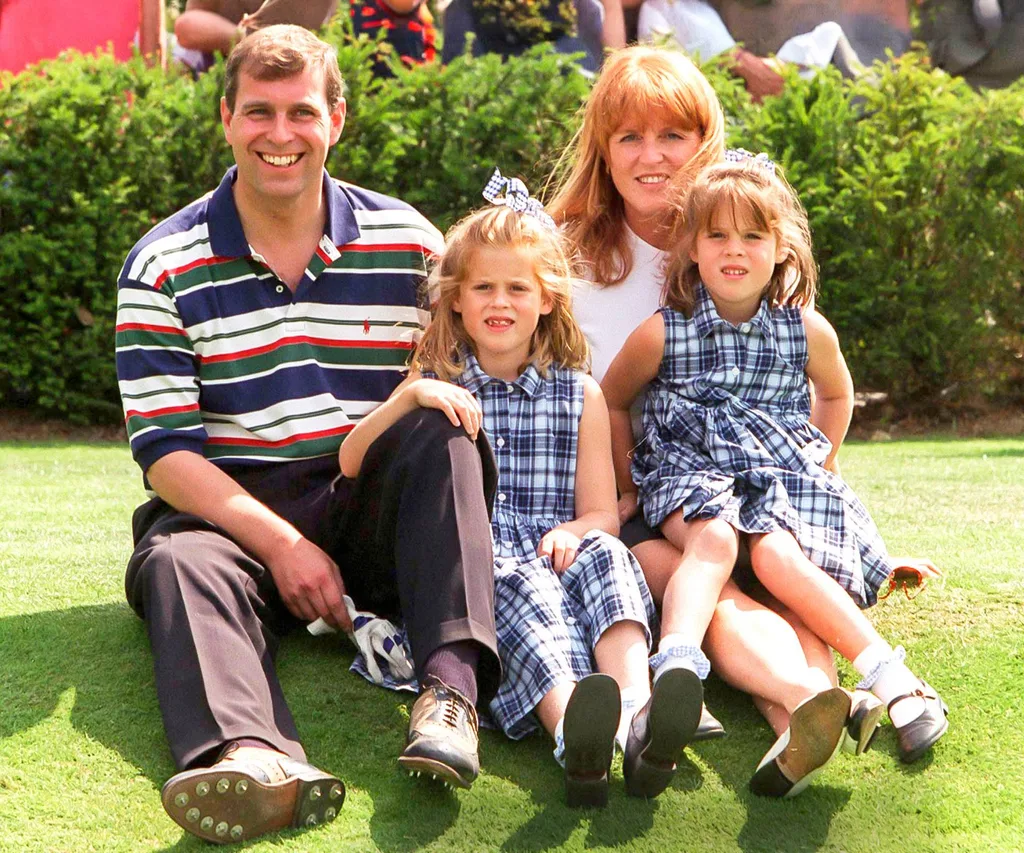
Though they divorced years ago, the couple have maintained a close bond, first through raising their daughters together and now through their role as grandparents. In spite of the problems in their marriage, they remain soulmates.
As Sarah put it in one of her memoirs, “Andrew and I will not remarry precisely because we like where we are now. Our relationship suits us as it is. The marriage was the marriage, and that is over. But ours is the wedding of the souls, and we’ve never parted, and never shall.”
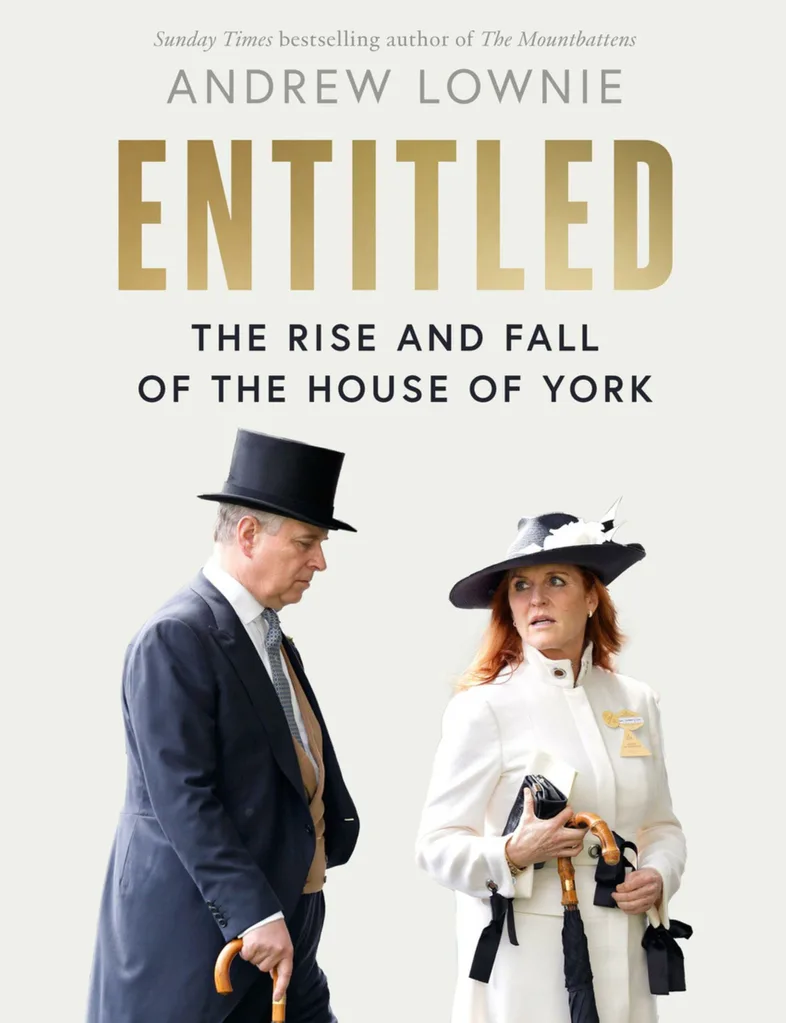
Extract from Entitled: The Rise & Fall of the House of York by Andrew Lownie (Haper Collins, rrp $29.99)